
TL;DR:
- Amsterdam city centre is a compact area with the UNESCO-listed canal belt, major landmarks, and a lively cultural scene. Visitors can walk, bike, or take trains and trams to explore neighborhoods like Jordaan and Dam Square efficiently. Early booking of key attractions and planning for local dining enhance the authentic experience.
Amsterdam city centre is defined as Amsterdam-Centrum, the city's historic core borough covering 8.04 km² and containing the UNESCO-listed canal belt, the majority of Amsterdam's iconic landmarks, and a resident population of around 85,000. Every first-time visitor planning an Amsterdam city guide should understand that this compact area holds the Rijksmuseum, the Anne Frank House, Dam Square, and the Jordaan neighborhood within easy walking distance of each other. That density of culture, history, and dining in one small area is what makes Amsterdam city centre unlike almost any other European urban core.
What is Amsterdam city centre and how is it laid out?
Amsterdam-Centrum is the official borough name for what most visitors call the city centre. It covers 8.04 km² and sits at the geographic and cultural heart of the wider city. The entire area is organized around a series of concentric canals radiating outward from Amsterdam Centraal Station, the main rail hub that most visitors pass through on arrival.
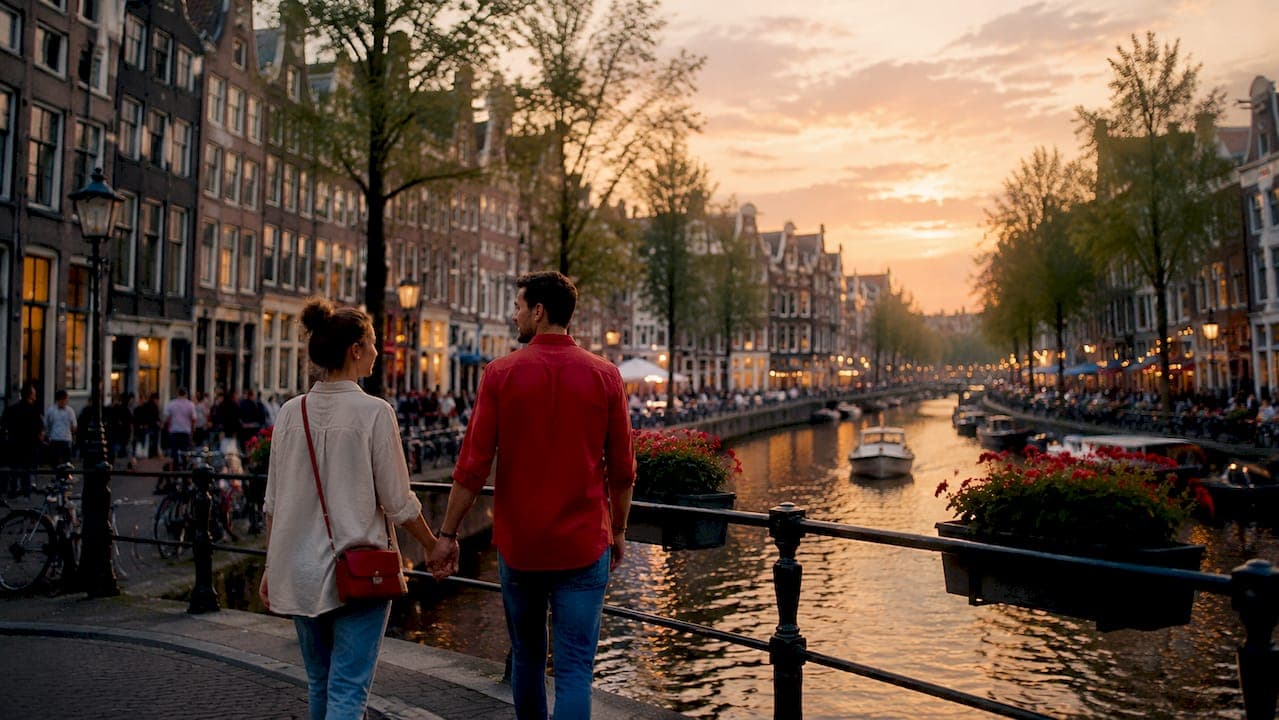
The canal ring structure is the defining feature of the city centre's layout. The three primary canals, Herengracht, Keizersgracht, and Prinsengracht, form arcs around the historic core and are collectively recognized as a UNESCO World Heritage Site. Walking from one side of the canal ring to the other takes about 25 minutes on foot, which tells you everything about how compact and walkable this area really is.
Key neighborhoods within the city centre
The city centre contains several distinct neighborhoods, each with its own character:
- Jordaan sits west of the main canals and offers narrow streets, independent galleries, and local cafes. It provides the quietest and most residential feel within the centre.
- De Wallen (the Red Light District) occupies the oldest part of the city, northeast of Dam Square. It draws heavy foot traffic day and night.
- Dam Square serves as the geographic and symbolic heart of Amsterdam, flanked by the Royal Palace and the Nieuwe Kerk.
- Rembrandtplein and Leidseplein are the city's main entertainment squares, packed with theaters, bars, and street performers.
- The Museum Quarter borders the southern edge of the centre and houses the Rijksmuseum, the Van Gogh Museum, and the Stedelijk Museum.
Dam Square and Amsterdam Centraal Station function as the two main orientation points. If you know where those are, you can navigate the rest of the centre without a map.
Which landmarks and attractions are must-sees in Amsterdam city centre?
The city centre holds the highest concentration of world-class attractions in the Netherlands. The Anne Frank House alone receives over 1.3 million visitors annually, with tickets priced at about €14. That volume means last-minute access is essentially impossible. Booking months ahead is not optional; it is the only reliable strategy.
The Rijksmuseum on Museumplein houses the largest collection of Dutch Golden Age paintings in the world, including Rembrandt's The Night Watch. The Van Gogh Museum next door holds the most extensive collection of Van Gogh's work anywhere. Both museums require booking 6 weeks ahead during peak season to guarantee entry.
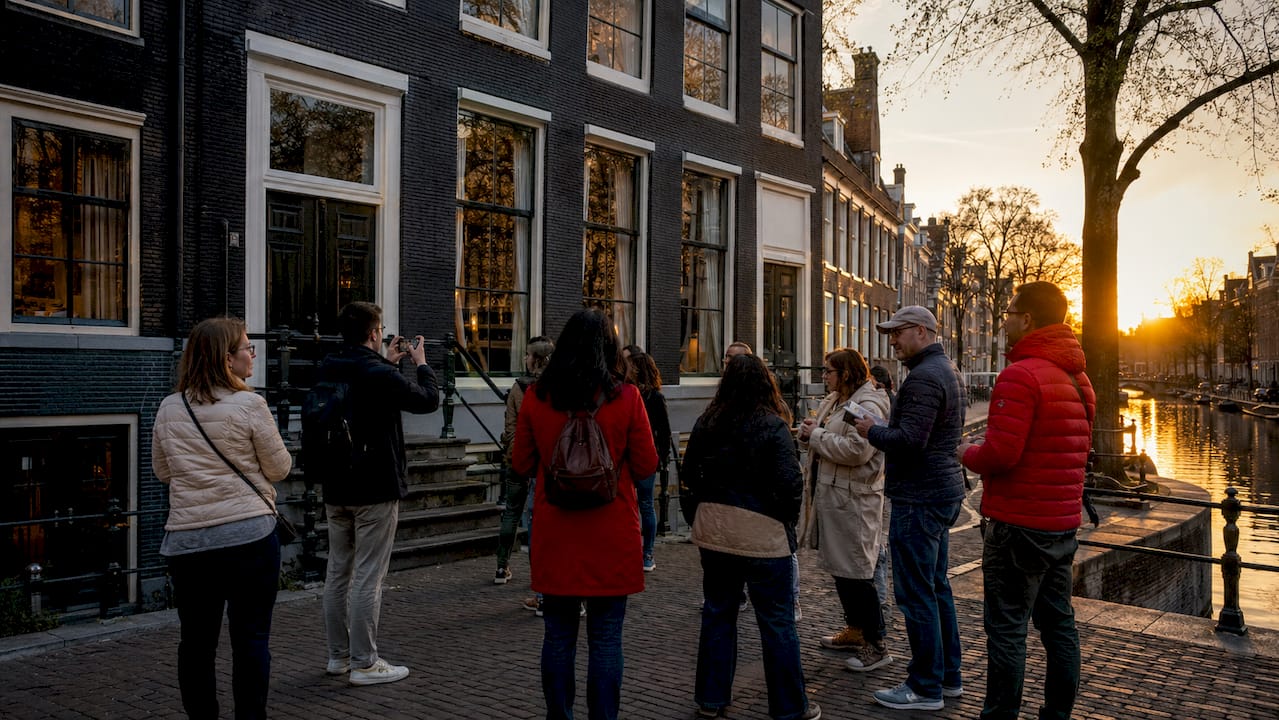
Beyond the headline museums, the city centre rewards visitors who look past the obvious. Hidden hofjes, which are historic almshouse courtyards tucked behind ordinary-looking doors, offer quiet, authentic experiences that most tourists walk past entirely. The Begijnhof, a medieval courtyard near Spui Square, is one of the most peaceful spots in the entire city centre.
Top attractions at a glance:
- Anne Frank House on Prinsengracht: book months in advance, no exceptions
- Rijksmuseum on Museumplein: Dutch Golden Age art, including Rembrandt and Vermeer
- Van Gogh Museum: the world's largest Van Gogh collection
- Dam Square: the Royal Palace, the Nieuwe Kerk, and the National Monument
- Rembrandtplein: evening entertainment, street performers, and historic cafes
- Hidden hofjes: Begijnhof and others scattered through Jordaan and the canal streets
Pro Tip: Buy the I Amsterdam City Card if you plan to visit three or more major museums. It covers entry to most city centre museums and includes unlimited use of public transit.
How can visitors navigate and get around Amsterdam city centre efficiently?
Getting from Schiphol Airport to the city centre is straightforward. The direct train takes 15–17 minutes, costs €4.90, and runs every 10–15 minutes throughout the day. That frequency means you never wait long, and the price is far lower than a taxi or rideshare for the same journey.
Once inside the city centre, walking is the most practical option for most visitors. The entire canal ring is crossable on foot in about 25 minutes. Trams cover the main arteries and connect the centre to outer neighborhoods quickly. Bike rentals are available throughout the centre and are the preferred local mode of transport, though cycling in heavy tourist zones requires attention and confidence.
| Transport mode | Time from Schiphol | Approximate cost | Frequency |
|---|---|---|---|
| Direct train | 15–17 min | €4.90 | Every 10–15 min |
| Bus (lines 197, N97) | 30–45 min | €5–€6 | Every 15–30 min |
| Taxi or rideshare | 25–40 min | €40–€55 | On demand |
The city centre's narrow streets and canal bridges create natural bottlenecks during peak hours. Leidseplein and Dam Square get particularly crowded between 11:00 AM and 4:00 PM on weekends. Arriving at major attractions before 9:30 AM or after 4:00 PM cuts wait times significantly.
Pro Tip: Load the GVB app before you arrive. It covers all Amsterdam trams, buses, and metro lines and shows real-time departures, which saves time when you need to move between neighborhoods quickly.
What dining experiences and cultural activities does Amsterdam city centre offer?
The city centre's dining scene runs from traditional Dutch brown cafes (called bruine kroegen) to Michelin-starred international restaurants. Dutch classics like stamppot, raw herring, and stroopwafels are available at street stalls and market stands throughout the centre. For a deeper look at the local food scene, the variety across neighborhoods is genuinely striking.
Booking popular restaurants at least 2 weeks ahead is the standard advice for peak season visits. The most sought-after spots fill up faster than that. Walk-in dining works well at lunch but becomes unreliable for dinner at well-reviewed venues. If you are planning a romantic evening out, reservations are non-negotiable.
Cultural activities beyond museums are concentrated around specific squares and streets:
- Leidseplein hosts the Stadsschouwburg theater, live music venues, and outdoor performers year-round
- Rembrandtplein draws evening crowds with its terrace bars and the famous bronze statues of The Night Watch figures
- Jordaan holds independent art galleries, antique shops, and the Noordermarkt, a Saturday organic market
- Spui Square anchors a book market on Fridays and connects to the Begijnhof courtyard
The city centre also supports a strong cafe culture. Amsterdam's brown cafes are not just bars; they function as neighborhood social hubs where locals read, play chess, and meet friends. Sitting in one for an hour gives you a more accurate picture of Amsterdam daily life than any museum.
What should visitors know to plan a balanced and authentic experience?
The city centre's intensity can catch visitors off guard. Blending landmark visits with calm neighborhood strolls is the most effective way to avoid fatigue and see the city more fully. Spending a morning at the Rijksmuseum and then an afternoon walking through Jordaan's side streets gives you a complete picture of what Amsterdam city centre actually is.
Amsterdam operates on standard business hours, with most shops open from 10:00 AM to 6:00 PM. The city is not a 24/7 destination outside of specific nightlife zones. Planning around those hours prevents wasted trips to closed shops or quiet squares.
Practical tips every visitor should carry into the city centre:
- Carry about €50 in cash. While Amsterdam is largely cashless, some traditional cafes and markets only accept Dutch debit cards or cash. Having cash prevents awkward situations at smaller vendors.
- Watch your belongings in crowded areas. Dam Square, the Red Light District, and tram stops near Centraal Station are the highest-risk zones for pickpocketing.
- Walk or cycle to find hidden gems. Seasoned travelers recommend a slow-paced approach to discover the city centre's courtyards, galleries, and local spots that don't appear on standard tourist maps.
- Account for the 12.5% tourist tax on accommodations when budgeting your trip.
Pro Tip: The Jordaan neighborhood is at its best on Saturday mornings. The Noordermarkt runs a farmers' market and a flea market simultaneously, and the streets are lively but not yet overwhelmed with tour groups.
Key Takeaways
Amsterdam city centre is a compact, walkable borough where advance planning for museums and restaurants determines the quality of your visit far more than any other single factor.
| Point | Details |
|---|---|
| City centre size and structure | Amsterdam-Centrum covers 8.04 km² and is organized around the UNESCO-listed canal ring. |
| Book attractions early | The Anne Frank House and major museums require booking weeks or months ahead to guarantee entry. |
| Airport transport | The direct train from Schiphol takes 15–17 minutes and costs €4.90, running every 10–15 minutes. |
| Balance your itinerary | Mix landmark visits with quieter neighborhoods like Jordaan to avoid fatigue and see authentic local life. |
| Carry cash | About €50 in cash covers traditional cafes and markets that don't accept cards. |
What I've learned about Amsterdam city centre after many visits
The first thing most visitors get wrong about Amsterdam city centre is treating it like a checklist. They hit the Anne Frank House, the Rijksmuseum, and Dam Square, and then wonder why the city felt rushed and impersonal. The canal belt is genuinely one of the most beautiful urban environments in the world, but you only feel that when you slow down enough to notice it.
My honest advice is to spend at least one full morning with no museum on the agenda. Walk along Prinsengracht from the Anne Frank House southward toward the Jordaan. Turn down any side street that looks interesting. You will find a hofje, a local bakery, or a gallery that no travel guide sent you to, and that discovery will be the thing you remember most.
The authentic local character of Amsterdam city centre lives in its neighborhoods, not its headline attractions. The Rijksmuseum is extraordinary, but it is also the same experience for every visitor. The Jordaan on a quiet Tuesday afternoon is something different entirely.
One more thing: the city centre is small enough that you will pass the same canals and bridges multiple times during a stay. That repetition is not a flaw. It is how you start to feel like you actually know a place rather than just having visited it.
— Leo
Bigshotsamsterdam: a city centre base worth knowing
Visiting Amsterdam city centre means making choices about where to eat, drink, and unwind between sights. Bigshotsamsterdam sits in the heart of the city and combines a sports bar, shisha lounge, restaurant, and cafe under one roof.

Whether you want a full steak dinner after a long day at the Rijksmuseum, a craft cocktail while watching live sports, or a relaxed breakfast before hitting the museums, Bigshotsamsterdam covers all of it. The atmosphere works for solo travelers, couples, and groups equally well. Check the full menu and book your table before you arrive, especially for weekend evenings when demand is highest.
FAQ
What is Amsterdam city centre exactly?
Amsterdam city centre, officially called Amsterdam-Centrum, is the historic core borough of Amsterdam covering 8.04 km² and containing the UNESCO-listed canal belt, major museums, and most of the city's famous landmarks.
How long does it take to walk across Amsterdam city centre?
Walking across the canal ring takes about 25 minutes, making the entire city centre reachable on foot from most central points.
Do I need to book Amsterdam attractions in advance?
Yes. The Anne Frank House requires booking months ahead, and major museums like the Rijksmuseum recommend reserving at least 6 weeks in advance during peak season.
What is the best way to get from Schiphol Airport to the city centre?
The direct train from Schiphol Airport takes 15–17 minutes, costs €4.90, and runs every 10–15 minutes throughout the day.
Is Amsterdam city centre cashless?
Most venues accept cards, but some traditional cafes and markets only accept Dutch debit cards or cash. Carrying about €50 in cash keeps your options open throughout the day.