
TL;DR:
- A cocktail tasting with friends is an interactive activity that focuses on evaluating aroma, flavor, and finish. Proper setup, sequence, and group size enhance the experience, making it enjoyable and educational. Limiting the event to six cocktails prevents palate fatigue and encourages meaningful group discussion.
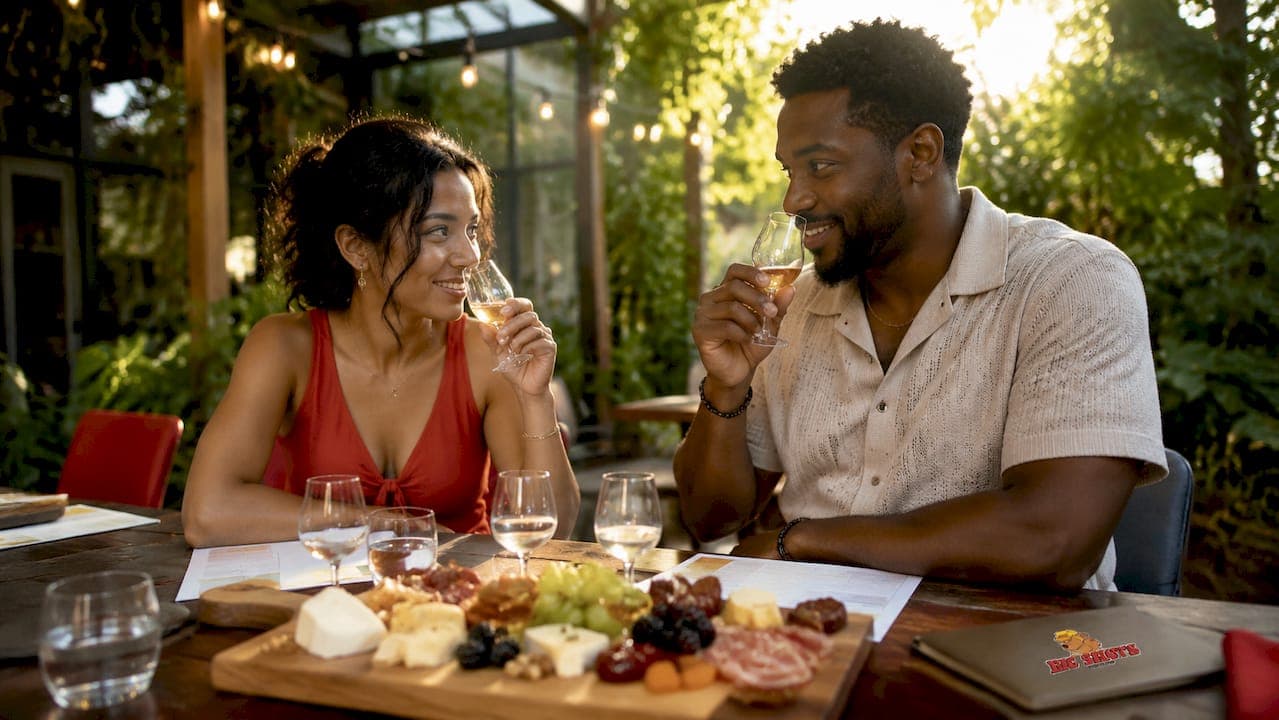
Cocktail tasting with friends is a structured social activity where participants sample and evaluate multiple cocktails together, paying attention to aroma, flavor, and finish. Known in hospitality circles as a tasting flight, this format turns a regular night out into an interactive sensory event. You do not need bartending experience to pull it off. The right guide to cocktail tasting with friends covers everything from group size and glassware to tasting sequences and food pairings, and that is exactly what this article delivers.
What does a guide to cocktail tasting with friends actually cover?
A cocktail tasting party works best when it balances education with fun. The goal is not to become an expert. The goal is to taste thoughtfully, talk openly, and enjoy the process together. Tasting cards, quality glassware, and a loose structure are the three tools that separate a memorable night from a forgettable one.
The social benefits of group dining apply directly here. Shared sensory experiences create stronger conversations and tighter group bonds than passive activities like watching a movie. When everyone is tasting the same drink and comparing notes, the room comes alive.
How do you set up a cocktail tasting party at home?
Choose the right group size and venue
The ideal group size for a cocktail tasting is 6 to 8 people. That number keeps the conversation tight and gives everyone enough time to taste and share without the night dragging. Larger groups work in venue settings, but at home, 6 to 8 is the sweet spot.
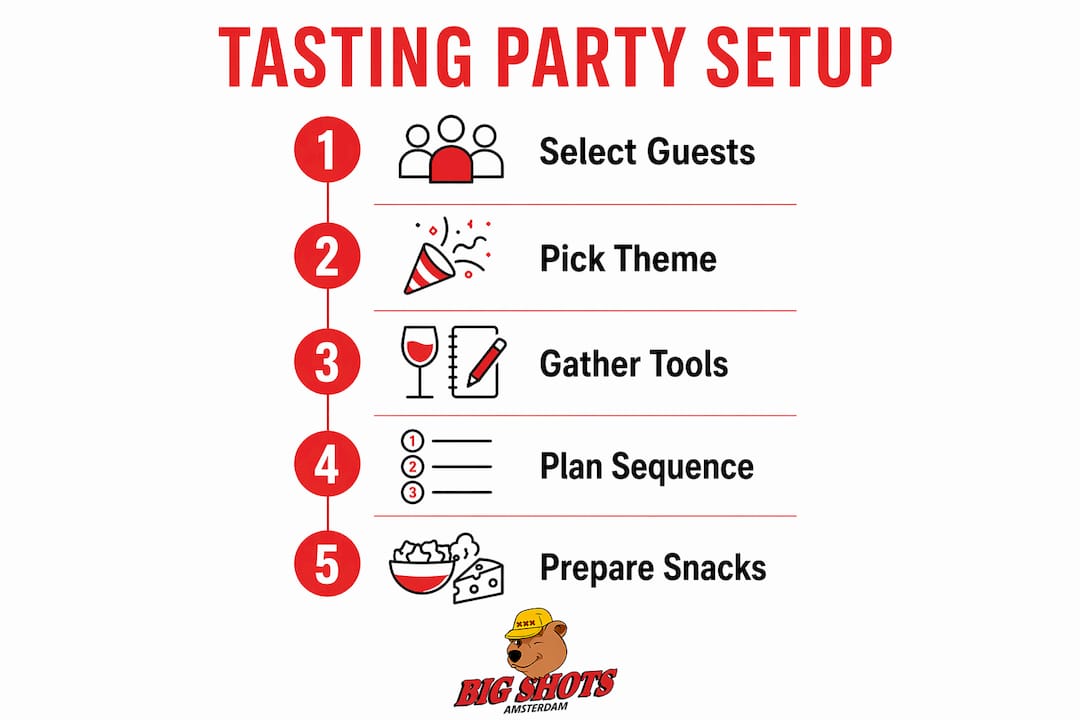
Pick a theme before you shop. A theme focuses your cocktail selection and makes the tasting feel intentional. Good theme options include classic sours (Whiskey Sour, Daiquiri, Margarita), gin-based cocktails, or a tour of one spirit across different cocktail styles. You can find inspiration in a guide to cocktail types that covers everything from classics to Amsterdam originals.
Gather your tools and supplies
Every successful tasting needs the right setup. Here is what to prepare before guests arrive:
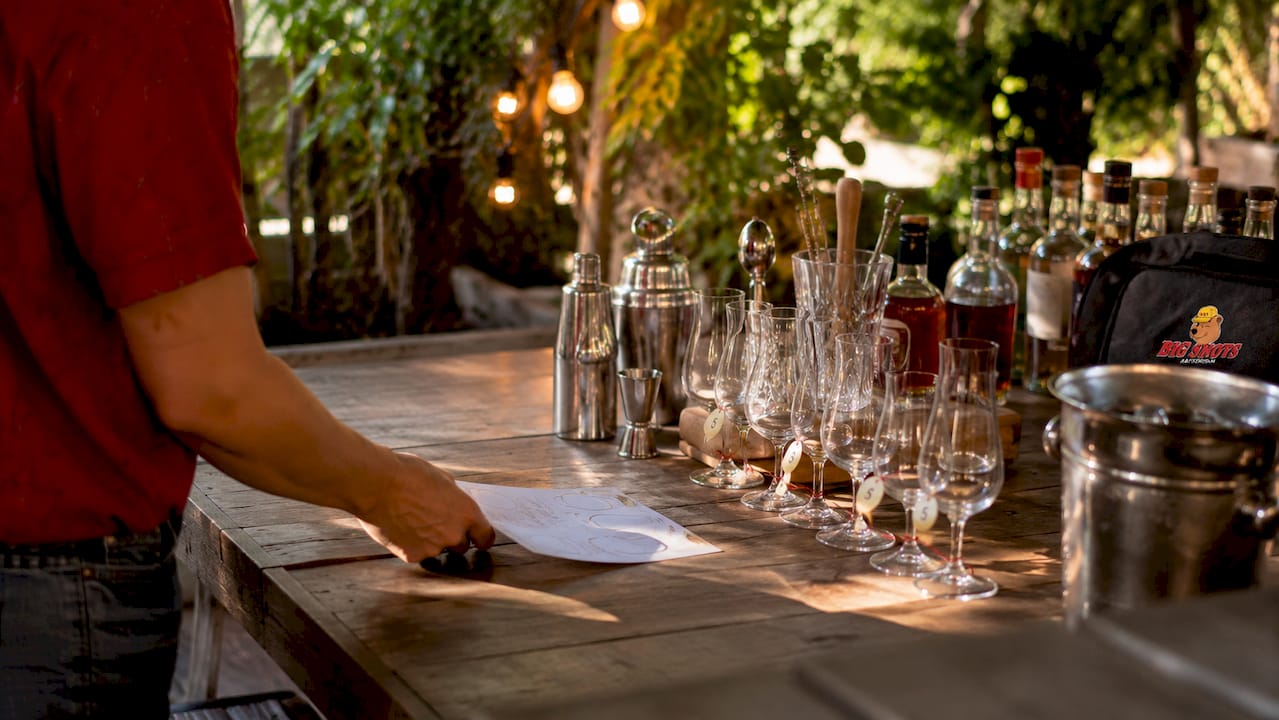
- Glassware: Use tulip-shaped or stemmed glasses. They concentrate aromas and make smelling easier.
- Tasting cards: Print simple score sheets with prompts for nose, palate, and finish.
- Fresh citrus: Fresh-squeezed juice is non-negotiable for bar-quality cocktails. Pre-made mixes flatten the flavor.
- Quality ice: Fresh ice made with filtered water prevents off-flavors. Freezer ice absorbs odors and detracts from the drink.
- Palate cleansers: Plain crackers and still water reset the palate between pours.
- Ingredients and spirits: Buy enough for 15–50 ml pours per cocktail per person.
| Supply | Purpose |
|---|---|
| Tulip-shaped glasses | Concentrate aromas for better nose evaluation |
| Tasting score cards | Guide guests through nose, palate, and finish notes |
| Fresh citrus juice | Delivers authentic bar-quality flavor |
| Filtered water ice | Prevents off-flavors from contaminating cocktails |
| Plain crackers | Cleanse the palate between each cocktail |
Pro Tip: Label each glass with a number, not the cocktail name. Blind tasting removes price and brand bias and produces more honest scores.
How should you sequence cocktails for the best tasting experience?
Build from light to bold
Arranging cocktails from lightest to boldest is the single most important structural decision you make. Starting with a heavy, spirit-forward drink kills the palate for everything that follows. Start light and build intensity gradually.
A practical sequence for a six-cocktail tasting looks like this:
| Position | Cocktail Style | Rationale |
|---|---|---|
| 1 | Spritz or low-ABV cocktail | Wakes the palate gently |
| 2 | Classic sour (Daiquiri, Gimlet) | Introduces citrus and spirit balance |
| 3 | Gin and Tonic or Highball | Refreshing mid-point reset |
| 4 | Negroni or Aperol Spritz variation | Introduces bitterness |
| 5 | Whiskey Sour or Old Fashioned | Richer, spirit-forward profile |
| 6 | Espresso Martini or dessert cocktail | Bold, sweet finish |
Manage spacing and pacing
Space glasses 1–2 inches apart to prevent clutter and make handling easier. Crowded tables lead to spills and confusion about which glass belongs to which cocktail. Give guests 3 to 5 minutes between pours to write notes and discuss before moving on.
Palate fatigue is real. After four or five cocktails, the palate struggles to detect subtle differences. Crackers and still water between each pour extend your guests' ability to taste accurately throughout the night.
What are the best techniques for tasting and evaluating cocktails?
Use your nose first
Smell is the first and most revealing step in cocktail evaluation. Hold the glass a few inches from your nose and inhale gently. Do not bury your nose in the glass. High-alcohol vapors overwhelm the senses and block the subtler aromatics underneath.
Tulip-shaped glasses concentrate aromas at the rim. This makes a real difference when you are trying to detect botanicals in a gin cocktail or vanilla notes in a rum-based drink.
Take a proper tasting sip
A tasting sip is small, about a teaspoon. Let it sit on your tongue for two to three seconds before swallowing. Notice the texture first, then the flavor. Is it thin or creamy? Sharp or smooth? Sweet or bitter?
A simple tasting sheet with prompts like "What did you get on the nose?" and "How long does the finish last?" generates far better conversation than asking guests if they liked it. Descriptive prompts push people to think and share more openly.
Pay attention to finish and dilution
The finish is what lingers after you swallow. A long, warm finish signals a well-balanced, quality cocktail. A short or harsh finish often points to poor dilution or low-quality ingredients.
Proper shaking or stirring for 10–15 seconds chills the drink and achieves the right dilution level. Under-mixed cocktails taste sharp and unbalanced. Over-mixed ones taste watery. That 10–15 second window is where the magic happens.
Pro Tip: Add two drops of a 20% saline solution to each cocktail before serving. Salt sharpens citrus, balances bitterness, and improves mouthfeel without making the drink taste salty.
- Smell gently from a few inches away, not nose-deep in the glass.
- Take small sips and hold briefly before swallowing.
- Note texture, flavor, and finish length on your tasting card.
- Use prompts to spark group discussion after each pour.
- Reset with still water and a plain cracker before the next cocktail.
How do food pairings and social games make the tasting more fun?
Pick snacks that support, not compete
Food pairings work best when snacks complement rather than overpower the cocktails. Serve light bites after the formal tasting segment, not during. Eating between pours changes the flavor profile of the next cocktail and skews your notes.
The best snack options for a cocktail tasting party include:
- Aged cheese: Pairs well with spirit-forward cocktails like Old Fashioneds and Negronis.
- Charcuterie: Cured meats complement smoky or herbal cocktails.
- Salted nuts: Enhance sweetness in rum or tequila-based drinks.
- Olives: Work with savory, dry cocktails like a Dirty Martini.
- Plain crackers: Use only as palate cleansers between pours, not as a pairing.
A culinary tasting experience is most memorable when food and drink interact intentionally. Even a simple cheese board chosen to match your cocktail theme signals to guests that the evening was planned with care.
Add friendly competition and social elements
Blind tasting is the single best social game for a cocktail night. Concealing brand and price during scoring consistently produces surprising results. Guests who expect to prefer premium spirits often score the cheaper option higher. The reveal moment creates genuine conversation and laughter.
Other ideas that work well:
- Score reveals: Tally scores after each round and announce a winner at the end.
- Cocktail trivia: Add one fun fact about each cocktail before the pour.
- Remix challenge: Let one guest adjust a cocktail mid-tasting and score the difference.
Pro Tip: Assign one person as the host or "bartender" for the night. Having a single person control the pours and timing keeps the pacing consistent and prevents the group from rushing.
Key Takeaways
A cocktail tasting party succeeds when structure, quality ingredients, and group engagement work together from the first pour to the last.
| Point | Details |
|---|---|
| Ideal group size | Keep the group to 6–8 people for the best conversation and pacing. |
| Sequence matters | Arrange cocktails from lightest to boldest to protect the palate throughout. |
| Smell before you sip | Approach the nose gently from a few inches away to catch subtle aromas. |
| Use tasting cards | Descriptive prompts generate better discussion than simple like or dislike questions. |
| Blind tasting adds fun | Hiding brand and price removes bias and creates memorable reveal moments. |
What I have learned from hosting cocktail tastings
The biggest mistake I see hosts make is treating the tasting like a lecture. They prepare too many cocktails, rush through the sequence, and spend more time explaining than tasting. The night loses energy fast.
Six cocktails is the right ceiling. Beyond that, palate fatigue sets in and guests stop engaging with the nuances. I have hosted nights with eight cocktails and watched the last three go unappreciated. Six keeps everyone sharp and the conversation alive until the end.
Pacing is everything. Give the group time to sit with each drink. The best moments in any tasting I have hosted came from an unexpected comment, someone picking up a flavor no one else noticed, or a blind tasting result that shocked the table. Those moments need space to happen. Rushing kills them.
Fresh ingredients make a bigger difference than the spirit you choose. I have served mid-range spirits with fresh citrus and quality ice and watched guests score them higher than premium bottles made with bottled juice and freezer ice. The interaction between spirit and secondary ingredients drives the final flavor more than the label on the bottle. Invest in the citrus and the ice before you spend extra on the spirit.
— Leo
Bigshotsamsterdam: where cocktail tasting nights come to life
Planning a cocktail tasting at home takes real effort. Sometimes the better move is to let a professional venue handle the setup, the ice, and the pours.
Bigshotsamsterdam in Amsterdam combines a craft cocktail bar, restaurant, and social lounge in one venue built for group nights out. The bar team knows how to pace a group tasting, the cocktail menu covers everything from classics to house originals, and the atmosphere does the social work for you. Whether you are planning a friends cocktail night or a larger group event, Bigshotsamsterdam offers the space, the staff, and the drinks to make it worth showing up. Check out the group event options and see what a professionally hosted tasting night looks like.
FAQ
What is the ideal group size for a cocktail tasting?
The ideal group size is 6 to 8 people. This keeps the tasting interactive and gives everyone time to share notes without the event running too long.
How many cocktails should you serve at a tasting?
Six cocktails is the right number for most groups. More than six leads to palate fatigue, and guests stop evaluating accurately after the fourth or fifth pour.
What is the best order to serve cocktails in a tasting?
Serve cocktails from lightest to boldest in flavor. Start with a low-ABV spritz or sour and finish with a spirit-forward or dessert cocktail to protect the palate throughout the session.
Do you need special glassware for a cocktail tasting party?
Tulip-shaped or stemmed glasses work best. They concentrate aromas at the rim, which makes the nose evaluation more accurate and the overall tasting experience more rewarding.
What snacks work best at a cocktail tasting?
Aged cheese, charcuterie, salted nuts, and olives pair well with most cocktail styles. Serve them after the formal tasting segment, and use plain crackers and still water as palate cleansers between pours.