
TL;DR:
- Mastering the 2:1:1 ratio and essential tools helps beginners create balanced cocktails quickly.
- Using fresh ingredients and tasting before serving improves drink quality and overall experience.
Cocktail tips for beginners are the core techniques, tools, and formulas that turn a messy pour into a balanced, enjoyable drink. The foundation starts with one principle: the 2:1:1 ratio (2 parts spirit, 1 part sour, 1 part sweet) covers Margaritas, Daiquiris, and Whiskey Sours in a single formula. Master that ratio, add a jigger and a shaker, and you can produce a professional-quality cocktail in under five minutes. The learning curve in beginner cocktail making is shorter than most people expect. The right starting point makes all the difference.
1. What essential tools do beginners need for home cocktail making?
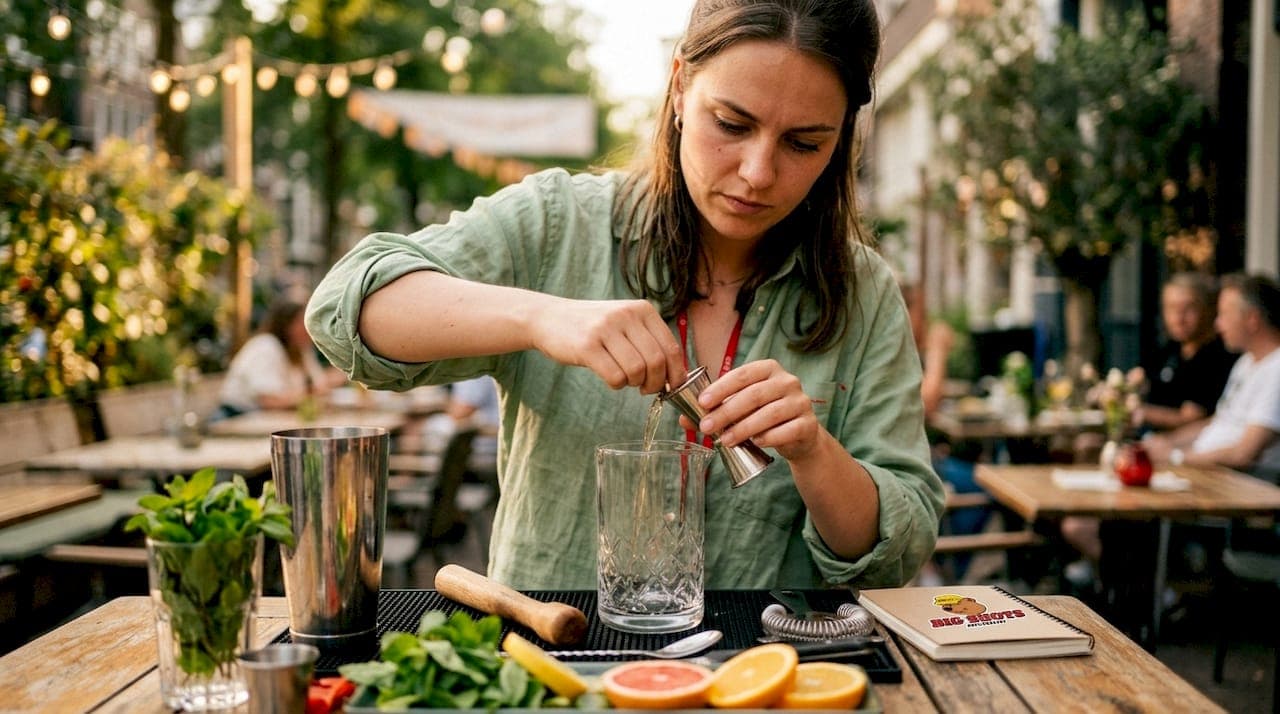
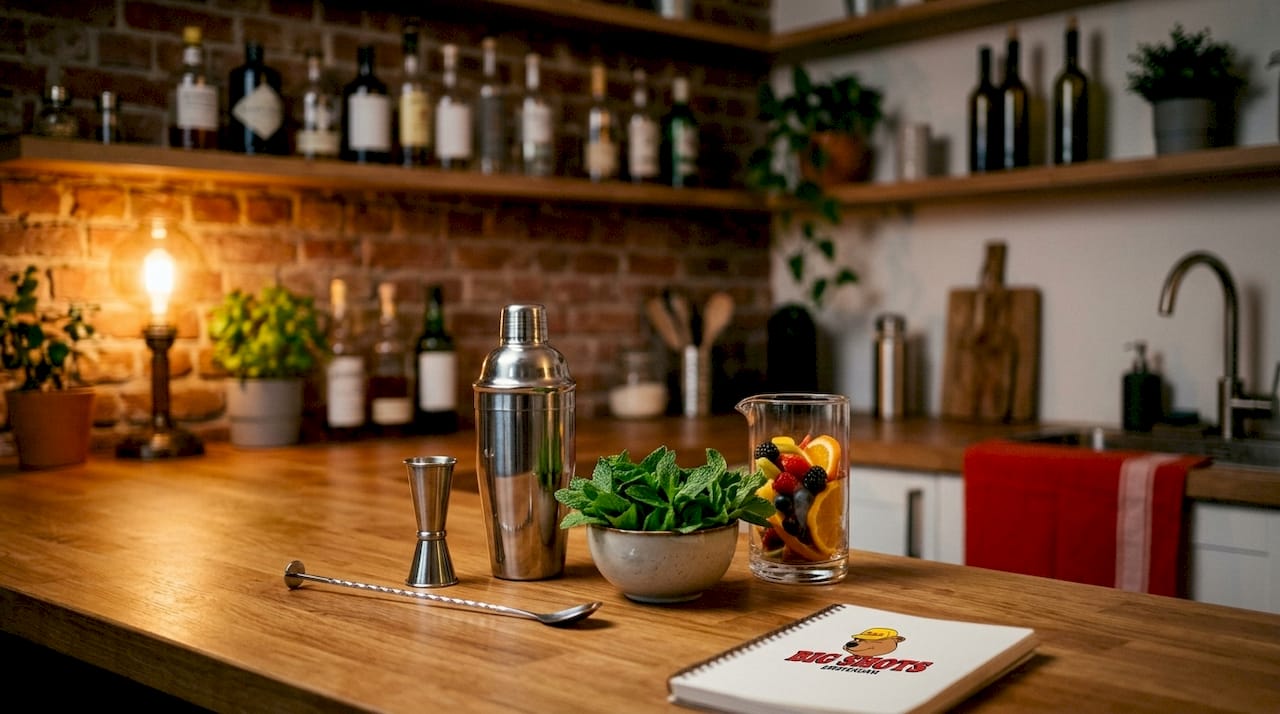
A minimal kit covers nearly every classic cocktail. The four tools every home bartender needs are a double-sided jigger, a Boston or Cobbler shaker, a Hawthorne strainer, and a bar spoon. Each tool serves a specific purpose and prevents the clutter that slows beginners down.
Here is what each tool does:
- Double-sided jigger: Measures 1 oz on one side and 1.5 oz or 2 oz on the other. Precision here is the single biggest factor separating a good cocktail from a bad one.
- Boston or Cobbler shaker: The Boston shaker (two-piece tin) is preferred by professionals. The Cobbler (three-piece with built-in strainer) is easier for beginners.
- Hawthorne strainer: Fits over the shaker tin and catches ice and pulp when pouring into a glass.
- Bar spoon: Long-handled for stirring drinks in a mixing glass without splashing.
Buying beyond these four tools early on slows your progress. Every extra gadget adds a decision point before you even start mixing.
Pro Tip: If you do not have a jigger yet, use a standard shot glass (1.5 oz) as a temporary substitute. Accuracy matters more than the specific tool.
2. Which simple cocktail formulas should beginners master first?
The 2:1:1 ratio is the most effective starting formula for anyone new to mixology. It means 2 parts base spirit, 1 part sour (fresh citrus juice), and 1 part sweetener (simple syrup or triple sec). This balance lets the spirit lead while citrus brightens and sweetener softens any harshness.
Three classic cocktails built on this formula:
- Margarita: Tequila, lime juice, triple sec
- Daiquiri: White rum, lime juice, simple syrup
- Whiskey Sour: Bourbon, lemon juice, simple syrup
Once you are comfortable with 2:1:1, two other ratios open up more options:
| Ratio | Spirit : Sour : Sweet | Best for | Notes |
|---|---|---|---|
| 2:1:1 | 2 oz : 1 oz : 1 oz | Margarita, Daiquiri, Whiskey Sour | Best starting point for beginners |
| 3:2:1 | 3 oz : 2 oz : 1 oz | Stronger, spirit-forward sours | Slightly less sweet, more intense |
| 1:1:1 | Equal parts | Sidecars, Cosmopolitans | Sweeter profile, easy to remember |
The 2:1:1 ratio works because it is forgiving. Small errors in measurement still produce a drinkable result. That forgiveness is exactly what beginner cocktail making needs.
Pro Tip: Once you have made the same drink three times with the standard ratio, try shifting the sweetener by 0.25 oz in either direction. Your palate will tell you which version you prefer.
3. What are the key mixing techniques beginners should practice?
Shaking and stirring are the two foundational cocktail mixing techniques, and choosing the wrong one ruins a drink. Shake cocktails that contain citrus juice, cream, or egg whites. Stir cocktails that are spirit-only, like a Martini or Negroni.
The reason is texture. Shaking aerates the liquid aggressively, creating a slightly cloudy, frothy result. That works well with juice but turns a clear spirit-forward drink into a watery, bubbly mess. Stirring gently chills and dilutes without introducing air bubbles, preserving the silky texture those drinks need.
Timing matters too:
- Shaking: 10–15 seconds with ice. You should feel the tin get very cold in your hands.
- Stirring: About 30 seconds in a mixing glass with ice. Slow, steady circles with the bar spoon.
A third technique worth learning early is muddling. Over-muddling mint or basil releases bitter chlorophyll instead of the aromatic oils you want. Press herbs lightly once or twice. You are coaxing flavor, not grinding leaves into paste.
Pro Tip: For cocktails like a Whiskey Sour or Espresso Martini that need foam, try a dry shake first (no ice) for 10 seconds, then add ice and shake again. The foam will be noticeably thicker.
4. Which ingredient choices improve beginner cocktails the most?
Fresh ingredients produce better cocktails than any technique upgrade. Fresh-squeezed citrus juice delivers brightness and complexity that bottled juice simply cannot match. One lime or lemon yields enough juice for 1–3 cocktails, and a basic hand juicer costs less than a cocktail shaker.
Ice is an ingredient, not an afterthought. Old or freezer-burned ice absorbs odors from nearby food and waters down drinks faster than fresh ice. Use clean, fresh ice every time. Large cubes melt slowly and work best for stirred drinks served over ice. Smaller cubes or cracked ice are standard for shaking because they chill faster.
Spirit quality matters, but not in the way most beginners assume. You do not need the most expensive bottle. You need a spirit with a clean, recognizable flavor profile. A mid-range blanco tequila or London dry gin will perform better in a cocktail than a budget option with off-flavors that no amount of citrus can hide.
Fresh herbs like mint and basil add aroma before the first sip. Add them as a garnish or muddle lightly. Store fresh mint stems-down in a glass of water in the refrigerator to keep it perky for days.
Pro Tip: Make a batch of simple syrup at home: equal parts sugar and hot water, stirred until dissolved. Store it in a sealed jar in the refrigerator for up to two weeks. It costs almost nothing and beats any store-bought version.
5. What common mistakes should beginners avoid?
Most cocktail failures trace back to a small number of repeatable errors. Fixing these produces immediate improvement without changing any recipe.
- Skipping the jigger. Visual measurement is the most common cause of unbalanced cocktails. Even experienced bartenders use a jigger for consistency. A quarter-ounce difference in citrus can tip a drink from bright to sour.
- Using bad ice. Old freezer ice carries off-flavors that show up clearly in a finished drink. If your ice smells like last week's leftovers, it will taste that way too.
- Not tasting before serving. Tasting and adjusting before you pour is the final step most beginners skip. Citrus brightness and spirit intensity vary by brand and batch. A quick taste tells you whether the drink needs a few more drops of simple syrup or another squeeze of lime.
- Over-muddling herbs. Press lightly. Crushed mint leaves turn bitter within seconds of being over-worked.
- Overcomplicating recipes too early. Simple 2–3 ingredient recipes build skill faster than chasing complex drinks with five modifiers. Nail the Daiquiri before attempting a Jungle Bird.
The KISS principle (Keep It Simple, Stupid) is advice professional bartenders give consistently. Complexity comes after confidence, not before it.
Key Takeaways
Mastering cocktail tips for beginners means starting with the 2:1:1 ratio, four core tools, fresh ingredients, and the discipline to measure every pour.
| Point | Details |
|---|---|
| Start with the 2:1:1 ratio | Use 2 parts spirit, 1 part citrus, 1 part sweetener for Margaritas, Daiquiris, and Whiskey Sours. |
| Keep your tool kit minimal | A jigger, shaker, Hawthorne strainer, and bar spoon cover nearly every classic cocktail. |
| Shake vs. stir correctly | Shake drinks with citrus or cream; stir spirit-only cocktails for 30 seconds to preserve texture. |
| Use fresh ingredients | Fresh citrus juice and clean ice produce noticeably better results than bottled or old alternatives. |
| Always taste before serving | Adjust sweetness or acidity before pouring to account for natural variation in citrus and spirits. |
Why I tell every beginner to slow down and taste more
Most people who start making cocktails at home want to skip straight to the impressive stuff. They watch a video, buy six bottles, and attempt a Negroni Sbagliato on day one. I get it. The excitement is real. But the fastest path to consistently good drinks runs through boring fundamentals, not ambitious recipes.
The single habit that improved my cocktails more than any new tool or ingredient was pausing to taste before serving. Not a sip to check temperature. An actual pause to think: is this too sharp? Too sweet? Does it need more dilution? That moment of tasting is where you learn more about balance than any recipe can teach you.
I also think beginners underestimate how much bad ice costs them. Swapping freezer-burned ice for fresh ice from a clean tray is free and produces an immediate, noticeable improvement. No new tools required.
Start small. Make the same three drinks until they taste right every time. Then add one new recipe. That repetition builds the muscle memory and palate calibration that no shortcut can replace.
— Leo
Craft cocktails, done right, at Bigshotsamsterdam
Putting these skills into practice at home is satisfying. Seeing them executed by professionals in a great atmosphere is something else entirely.

At Bigshotsamsterdam, the bar team applies the same foundational principles you just read about: precise measurement, fresh ingredients, and balanced ratios. The venue combines a sports bar, shisha lounge, restaurant, and café in the heart of Amsterdam, making it the kind of place where a well-made cocktail fits every occasion. Whether you want to taste what a perfectly balanced Whiskey Sour feels like before you make one at home, or simply enjoy a night out with friends, Bigshotsamsterdam delivers the full experience. Check out the cocktail types guide to know what to order when you arrive.
FAQ
What is the best first cocktail for a beginner to make?
The Daiquiri is the best starting cocktail for beginners. It uses the 2:1:1 ratio with only three ingredients: white rum, fresh lime juice, and simple syrup.
Do I need to shake or stir a Margarita?
Shake a Margarita. It contains citrus juice, which requires shaking for 10–15 seconds to properly chill and integrate the ingredients.
Can I use bottled lemon juice instead of fresh?
Fresh-squeezed citrus juice produces noticeably better cocktails than bottled alternatives. Bottled juice lacks the brightness and complexity that fresh citrus delivers.
How do I make simple syrup at home?
Combine equal parts sugar and hot water, then stir until the sugar fully dissolves. Store the syrup in a sealed jar in the refrigerator for up to two weeks.
Why does my cocktail taste watery?
Watery cocktails usually result from shaking too long, using small or low-quality ice, or over-diluting during stirring. Use fresh, large ice cubes and keep shaking to 10–15 seconds.