
TL;DR:
- Amsterdam's culture integrates dining and drinking through social rituals like borrel culture and café gatherings.
- Food and drink pairings in Amsterdam enhance sensory experiences and emphasize atmosphere and shared moments.
- Most experiences thrive on patience, participation, and personal curiosity rather than strict rules or perfection.
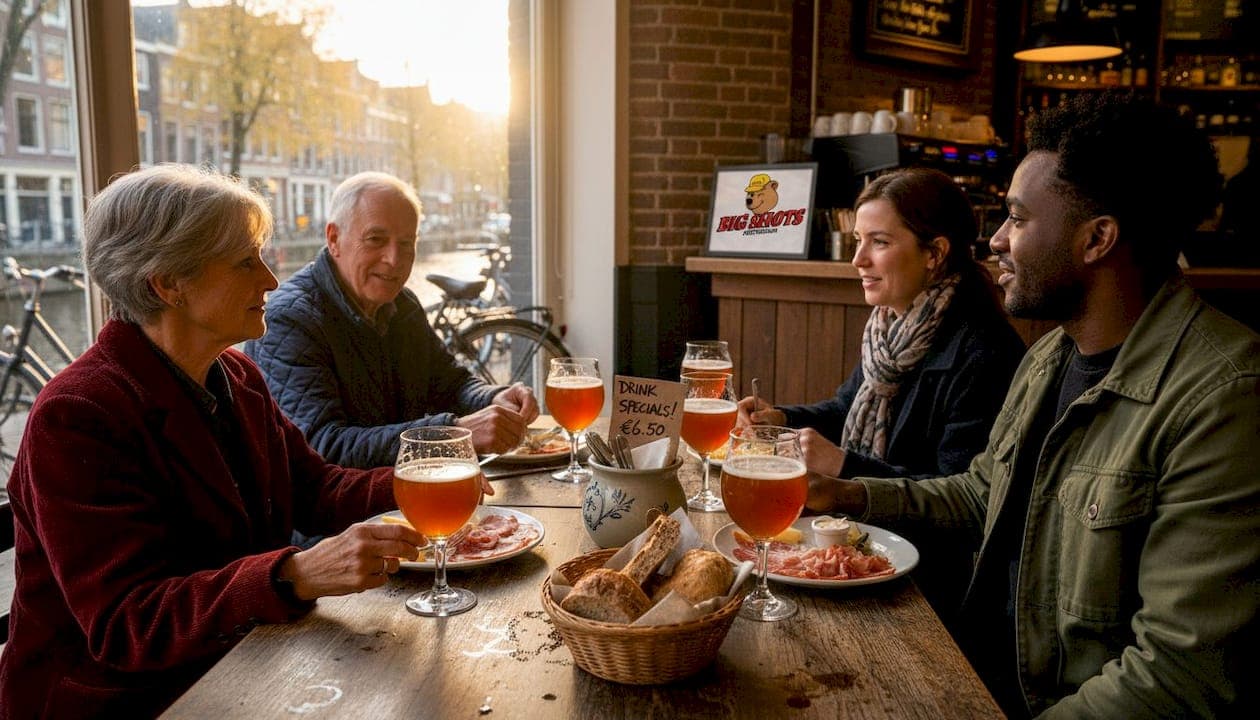
Amsterdam is not a city where you eat and then drink. Here, the two happen at once, woven together over candlelit tables, long wooden bars, and communal plates that keep arriving long after you expected the night to end. If you've been treating meals and cocktails as separate outings on your itinerary, you've been missing the single most enjoyable part of what this city offers. This article pulls back the curtain on Amsterdam's integrated dining and drinking culture, explains why it works so well, and gives you the tools to experience it properly, whether you're planning a casual evening or a serious night out.
Table of Contents
- The cultural roots: How Amsterdam blends meals and drinks
- The sensory magic: Pairings that elevate every bite
- Not just for fine dining: Everyday combinations and social fun
- Nuances and myths: When pairings work—and when they don't
- Amsterdam's approach: What most travelers miss
- Experience the best of dining and drinking in Amsterdam
- Frequently asked questions
Key Takeaways
| Point | Details |
|---|---|
| Eating and drinking synergy | Combining meals and drinks in Amsterdam enhances social connection and overall enjoyment. |
| Pairings heighten flavor | Expertly matched food and beverages create sensory experiences beyond the sum of their parts. |
| Flexibility wins | Personal preference and a spirit of experimentation lead to memorable dining-drinking moments in Amsterdam. |
| Not just for fancy meals | Everyday venues and local traditions make combining food and drink a part of daily life. |
The cultural roots: How Amsterdam blends meals and drinks
Amsterdam's relationship with food and drink is not a recent trend driven by Instagram aesthetics or tourist dollars. It runs much deeper than that, shaped by centuries of trade, community, and a very Dutch sense of conviviality.
The city became one of Europe's great trading hubs during the 17th century Golden Age. Merchants from across the world brought spices, wines, spirits, and culinary techniques into a relatively small urban space. Over generations, Amsterdammers developed a habit of combining the pleasure of eating with the social ritual of drinking. This wasn't about excess. It was about making a meal last, slowing down, and connecting with the people around the table.
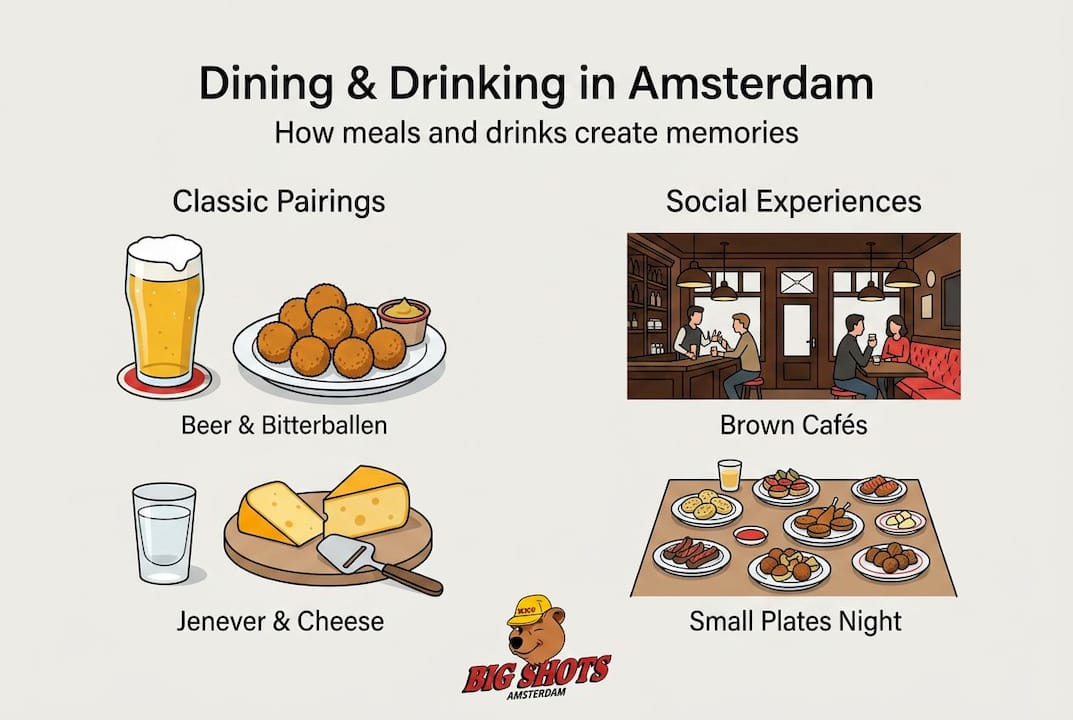
That philosophy lives on today in what locals call borrel culture. A borrel is essentially a casual social gathering centered on small plates and drinks, usually in the late afternoon or early evening. Think of it as the Dutch answer to Spanish tapas culture, though with its own distinct character. Bitterballen (crispy fried snack balls filled with a savory ragout), cheese cubes, herring, and other small bites are shared freely while glasses are refilled and conversation stretches on comfortably. The drinks change depending on the venue: Dutch pilsner, jenever (the local gin), or a crisp white wine are all perfectly at home.
What makes Amsterdam's approach particularly interesting is how café culture in Amsterdam functions as the backbone of this ritual. The traditional Dutch bruine kroeg (brown café) is dim, warm, and packed with regulars. These spaces aren't designed for quick service. They're designed to hold you there, comfortably, for hours.
Beyond the traditional cafés, modern venues have elevated this integration to a genuine art form. Combining dining and drinking creates vibrant, engaging atmospheres; restaurants like Restaurant Calisto and CUE feature candlelit rooms and listening bars where meals stretch into evenings with wine. This is the template that the best Amsterdam venues follow: atmosphere, quality food, and thoughtfully chosen drinks, all working together to make the evening feel complete.
The social benefits of this approach are real. Shared plates encourage conversation. A well-chosen drink slows the pace of eating and gives people something to discuss. You're not rushing through a three-course meal before catching a show. You're in the moment, fully engaged.
Key reasons Amsterdam's dining culture thrives on this integration:
- Shared small plates remove the formality of individual courses
- Drink choices reflect personal identity and invite curiosity from others
- Long, unhurried evenings lower social anxiety and deepen connection
- A rotating selection of dishes and drinks keeps the experience dynamic
"The Dutch don't just eat dinner. They build an evening around it, one plate and one glass at a time."
The sensory magic: Pairings that elevate every bite
Understanding why food and drink belong together in Amsterdam is one thing. Feeling it on your palate is something else entirely.
Professional pairing is both a science and an art. The basic principle is that certain flavors in food and drink amplify, balance, or contrast each other in ways that make both taste better than they would alone. A rich, fatty dish benefits from an acidic drink that cuts through the heaviness. A spiced or smoky flavor can be rounded out by a drink with natural sweetness. A delicate, light protein is overwhelmed by a heavy red wine but elevated by a crisp white or a floral cocktail.
Food and drink pairing enhances sensory experiences, with sommeliers curating pairings that elevate flavors, as seen in Michelin-starred spots like CUE where natural wines complement seasonal dishes. The expertise behind these decisions is significant. A skilled sommelier isn't guessing. They're working from a deep knowledge of flavor compounds, acidity levels, tannin structures, and how temperature affects both food and drink simultaneously.
You don't need a Michelin-starred setting to experience this, though. The principles apply everywhere, from a craft beer bar in De Pijp to a romantic restaurant in Amsterdam where the staff knows every dish on the menu and can match a drink to your mood, your food, and even the time of year.
Timing matters enormously, too. A drink served too early in a meal can dull your appetite. One that arrives at exactly the right moment, when your palate is ready for a new flavor dimension, can make a good dish feel extraordinary. Great venues manage this rhythm deliberately.
Here's a quick look at how classic pairings stack up against unexpected ones:
| Food | Classic pairing | Unexpected winner |
|---|---|---|
| Aged Dutch cheese | Dry white wine | Local jenever on ice |
| Bitterballen | Dutch pilsner | Sharp apple cider |
| Grilled steak | Bold red wine | Dark craft stout |
| Smoked salmon | Champagne | Dry cucumber cocktail |
| Spiced lamb | Syrah/Shiraz | Mint-forward herbal spirit |
Pro Tip: Don't be afraid to ask your server what drink the kitchen recommends with your chosen dish. In Amsterdam, most staff at quality venues can give you a real, specific answer rather than a generic suggestion.
If you're exploring what to sip alongside Amsterdam's local specialties, it helps to read up on authentic local drinks before you sit down. Knowing what you're drinking adds a whole new layer of enjoyment to every sip.
Not just for fine dining: Everyday combinations and social fun
While high-end dining sets the standard, the real spirit of Amsterdam shines in its everyday food and drink adventures.
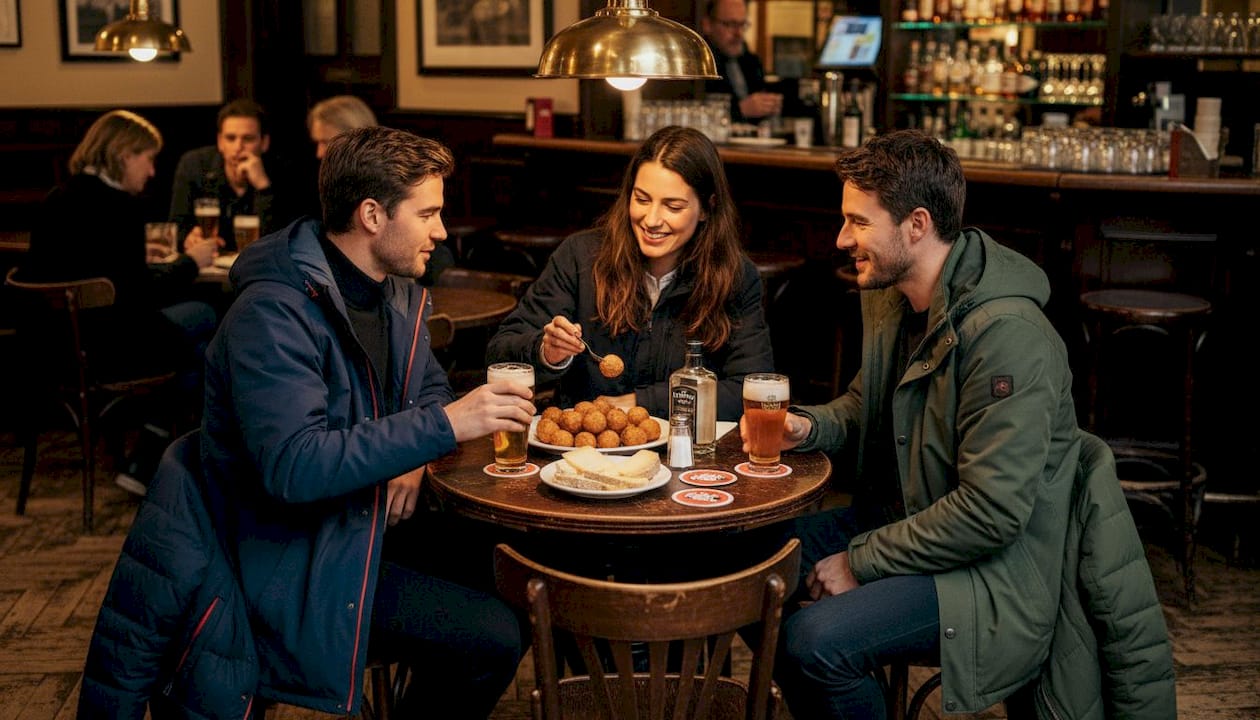
You don't need a reservation months in advance to experience Amsterdam's dining and drinking culture at its best. In fact, some of the most memorable food-and-drink moments in this city happen completely spontaneously: a cold beer with a paper cone of fresh fries at a market stall, a glass of jenever with a chunk of aged Gouda at a neighborhood bar, or a craft cocktail paired with a loaded burger at a buzzing sports bar on a Friday night.
Amsterdam's food scene pairs meals with drinks for immersive experiences, from pub snacks with beer to fine dining wine pairings, spotlighted in the city's rising culinary reputation. That reputation isn't built on a handful of elite restaurants. It's built on the collective quality and creativity of venues across every price point.
Here's a breakdown of where everyday pairings tend to happen and what you might expect:
| Venue type | Typical food | Typical drink | Vibe |
|---|---|---|---|
| Brown café | Bitterballen, cheese | Dutch pilsner, jenever | Cozy, locals-heavy |
| Sports bar | Burgers, fries, wings | Craft beer, cocktails | Energetic, lively |
| Street market | Herring, stroopwafels | Beer, fresh juice | Casual, outdoor |
| Restaurant-café | Steak, gourmet dishes | Wine, cocktails | Relaxed, social |
| Shisha lounge | Light bites, mezze | Cocktails, mocktails | Seductive, laid-back |
The social dimension of these everyday pairings is what truly makes them special. Amsterdam is a city where strangers talk to each other at bars, where tables are often shared, and where a well-chosen snack and drink can start a conversation that lasts all night. If you want to tap into that energy, start with the must-try Amsterdam eats that locals actually order rather than tourist-facing dishes.
What separates a forgettable evening from a great one is often a small ritual: taking a moment to ask what's fresh, choosing a drink that complements rather than competes with your food, and deciding to stay for one more round because the atmosphere is too good to leave. These are the habits that Amsterdam's regulars have built over years of enjoyable evenings.
Key everyday food and drink combinations worth trying:
- Cold Dutch pilsner with warm bitterballen right out of the fryer
- Jenever (served neat) alongside aged Gouda or strong blue cheese
- A dark craft stout paired with a smoky BBQ burger
- Fresh sparkling water with herring and pickled onions to cleanse the palate
If you're looking for the lively bar venues that really capture this spirit, Amsterdam has options in nearly every neighborhood.
Nuances and myths: When pairings work—and when they don't
Pairing isn't a perfect science. Here's what the experts and locals really think when rules meet reality.
One of the biggest mistakes visitors make is assuming that food-and-drink pairing requires expertise or that getting it "wrong" will ruin their meal. That anxiety is misplaced, and honestly, it can make the whole experience less enjoyable. The rules exist to help, not to judge you.
That said, some common myths are worth dismantling before you sit down with your menu.
Myth 1: Red wine goes with meat, white wine goes with fish. This is oversimplified to the point of being occasionally unhelpful. A light-bodied Pinot Noir can be wonderful with salmon. A rich, oaky Chardonnay can overwhelm a delicate white fish entirely. The texture, preparation, and seasoning of a dish matter far more than the broad category.
Myth 2: Expensive drinks make everything taste better. Price has very little to do with synergy. A well-chosen affordable craft beer will outperform a prestigious wine that clashes with your meal every time.
Myth 3: You need a different drink for every course. Some experts view rigid food-wine matching as folly, preferring flexible bottle choices over per-course specificity. A single versatile wine or cocktail that works across an entire meal can be more satisfying than obsessively switching between four different glasses.
Here's a practical framework for stress-free pairing decisions:
- Consider the weight and intensity of the dish first. Rich food needs a drink with enough personality to stand alongside it.
- Think about acidity. A dish that feels heavy or fatty is usually brightened by a drink with higher acidity.
- Check for sweetness. Sweet food often makes dry drinks taste harsh and bitter. Match sweetness levels loosely.
- Trust your past experience. If you've loved a combination before, it's probably not a coincidence.
- Ask the staff. In Amsterdam, servers at quality venues are genuinely knowledgeable and enthusiastic about this kind of conversation.
Pro Tip: When in doubt, order a drink you already enjoy. The best pairing is always one that makes you happy, regardless of what any rulebook says.
The real lesson here is that vibrant dining experiences come from confidence and curiosity, not from following a strict system. Amsterdam's bar scene reflects this attitude well, and sports bar trends increasingly show that even casual venues are investing in drink programs designed to complement their food menus thoughtfully.
Amsterdam's approach: What most travelers miss
Most visitors to Amsterdam spend their first evening rushing through dinner to make it to a bar before it gets too crowded. They eat in one place, drink in another, and wonder why the night felt disjointed.
Here's the uncomfortable truth: you don't need more venues on your itinerary. You need to stay longer at fewer of them.
Amsterdam's best evenings are built on deceleration. When you order a round of small plates alongside your first drinks, let the food arrive gradually, and resist the urge to call for the check the moment your plate is clear, something shifts. The conversation deepens. The music starts to matter. You notice the details of the room. The next drink feels like a natural continuation rather than a separate decision.
Locals know this intuitively. They don't plan a route through five bars. They find a spot with a good atmosphere and Amsterdam hospitality venues that genuinely invest in both their food and their drink offerings, and they settle in. The evening unfolds rather than being engineered.
What most travelers miss is that participatory dining, where you're involved in the rhythm of the meal rather than just consuming it, is the foundation of every great night in this city. The best venues make that easy by designing menus, spaces, and service around the idea that you should want to stay.
Experience the best of dining and drinking in Amsterdam
Amsterdam's dining and drinking culture rewards curiosity, patience, and a willingness to let the evening take shape around you. If you've read this far, you already understand the difference between a meal and an experience.
Big Shots Amsterdam brings this philosophy to life across every corner of the venue: a restaurant serving gourmet dishes and steaks, a sports bar with craft cocktails, a shisha lounge with a seductive atmosphere, and a café that welcomes you whatever the hour. Whether you're planning a romantic evening, a group night out, or a solo session with a great view of live sport, everything you need is in one place. Dig deeper into Amsterdam's café and dining culture to keep building your perfect night out.
Frequently asked questions
What are the best drinks to pair with popular Amsterdam dishes?
Beer pairs exceptionally well with pub snacks like bitterballen, while local natural wines are a great match for seasonal Dutch fine dining. Amsterdam's food scene pairs meals with drinks across every setting, from street markets to Michelin-starred kitchens.
Is sommelier expertise important for a great dining-drinking combo?
Sommelier expertise genuinely elevates the experience by aligning drink flavors with each dish, but personal preference is equally valid. Precise timing and sommelier expertise align drink flavors with dishes, though you can always trust your own palate for a satisfying evening.
Can I enjoy Amsterdam's dining culture if I don't drink alcohol?
Absolutely. Many Amsterdam venues offer creative, well-crafted non-alcoholic drinks that pair beautifully with food and complement the atmosphere just as effectively as any cocktail or wine.
Are there rules for pairing food and drinks, or is it flexible?
Guidelines exist and are useful, but Amsterdam's food culture leans toward personal choice and experimentation. Some experts even argue that rigid food-wine matching misses the point, preferring one versatile bottle over course-by-course prescriptions.