
TL;DR:
- Food and drink pairings enhance flavors by matching or contrasting key taste elements. Matching intensity in weight and flavor creates balanced, memorable meals and drinks.
A food and drink pairings list is a curated set of food and beverage matches selected to complement or contrast key flavors, making each bite and sip taste better together than either would alone. The culinary term for this practice is "flavor pairing," and it applies equally to wine and cheese combinations, cocktail and appetizer matches, and spirit and dessert pairings. Experts view flavor pairing as echoing, correcting, or framing one ingredient with another. Done well, it turns an ordinary meal into something you remember. This guide gives you the specific combinations worth knowing, organized by course and flavor logic.
1. What is a food and drink pairings list?
A food and drink pairings list is a structured reference that matches specific foods with drinks based on shared or contrasting flavor compounds. It is not guesswork. Professional pairing guides draw on analysis of consumer feedback showing that well-matched combinations raise perceived meal value and increase willingness to pay. That means a thoughtful pairing does more than taste good. It changes how diners feel about the entire experience.
The best pairings work on one of two principles: complementary or contrasting. Complementary pairings share flavor notes, like a smoky mezcal alongside grilled steak. Contrasting pairings use opposing tastes to create balance, like a sweet cocktail cutting through a salty appetizer. Both approaches are valid. The key is intention.
2. Classic wine and cheese combinations worth knowing
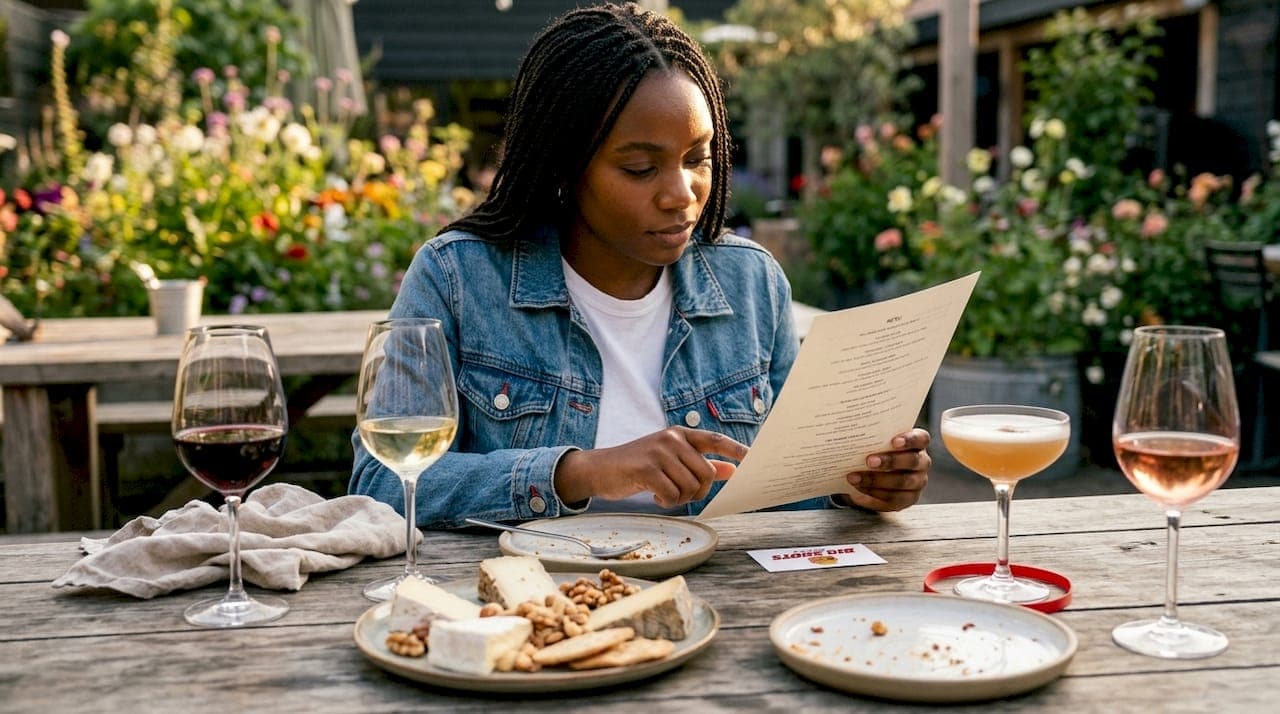
Wine and cheese is the most recognized pairing category for good reason. The fat in cheese softens wine's tannins, while the wine's acidity cuts through the richness. A sharp aged cheddar pairs with a bold Cabernet Sauvignon. A creamy brie works better with a light Chardonnay or a sparkling Champagne. Salty blue cheese finds its match in a sweet Sauternes or a tawny Port.
The rule behind these classics is intensity matching. A delicate cheese gets lost next to a heavy red wine. A pungent cheese overwhelms a light white. Match the weight of the drink to the weight of the food, and the flavors stay in conversation rather than competing.
Pro Tip: When building a cheese board, arrange pairings from mildest to strongest and serve drinks in the same progression. Your palate stays fresh longer.
3. Cocktail and appetizer matches that actually work
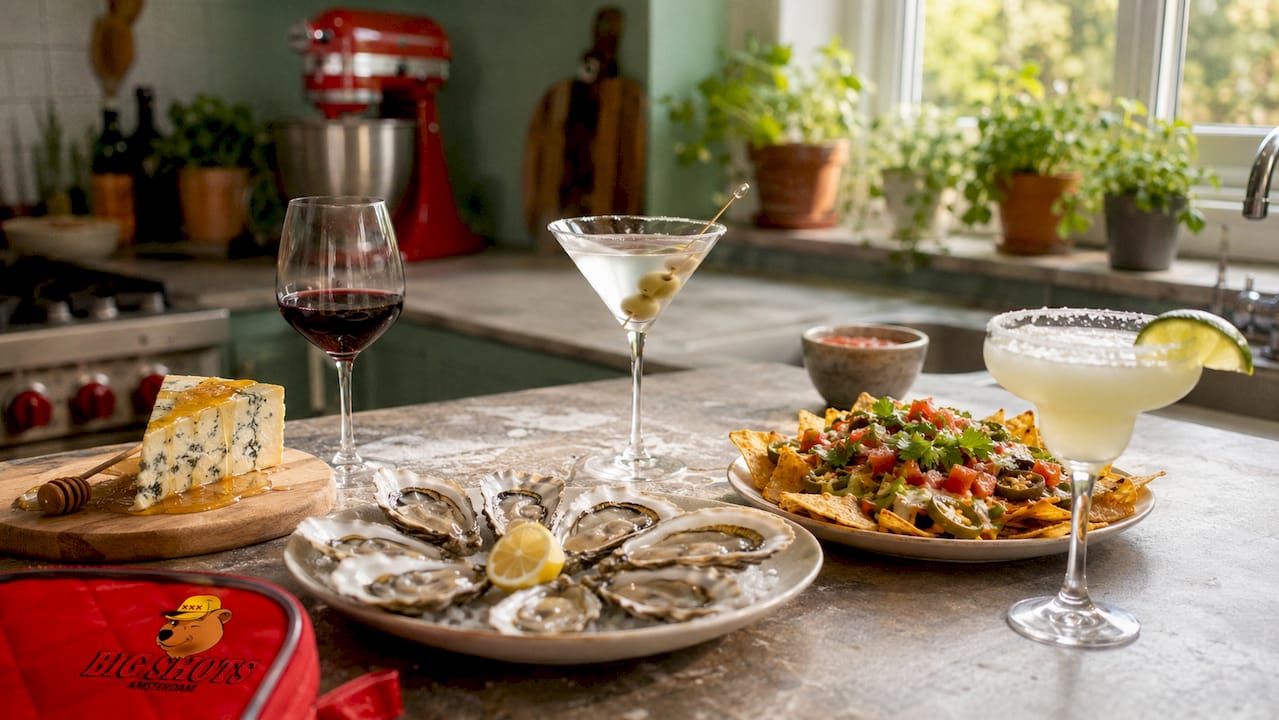
Cocktails bring a pairing tool that wine cannot: citrus acidity. Cocktails use citrus acidity to reset the palate between bites, making them especially effective with fried or heavily seasoned appetizers. A gin martini with oysters is a textbook example. The gin's botanical notes echo the ocean minerality of the oyster, while the vermouth adds a clean, dry finish.
A margarita with salty nachos works because of contrast, not similarity. Sweet-tart cocktails with salty foods create a more dynamic experience than matching salt with salt, which overwhelms the palate. A Negroni pairs well with charcuterie because its bitterness cuts through cured meat fat. A Paloma, with its grapefruit brightness, lifts the richness of guacamole.
Pro Tip: For a dinner party, open with a light, bitter aperitif like Aperol Spritz alongside olives or light bites. It primes the palate without dulling it before the main course.
4. Meat and wine pairings by flavor profile
Red meat and red wine is the most cited pairing in culinary history, and the science behind it is straightforward. Tannins in red wine bind protein and fat, cleansing the palate between bites and keeping the wine tasting vibrant throughout the meal. A ribeye steak calls for a Cabernet Sauvignon or a Malbec. A lamb chop works with a Syrah or a Grenache, which echo the herb notes in the meat.
White meat follows different logic. Roast chicken with a light sauce pairs with a full-bodied Chardonnay. Grilled pork with fruit-based sauces matches a Pinot Noir or an off-dry Riesling. The fruit in the wine mirrors the fruit in the sauce. Smoked meats, like brisket or pulled pork, hold up against a Zinfandel or a smoky Tempranillo.
For spirits, aged rum alongside bitter chocolate is a classic combination that shows how intensity matching works. The caramel depth of the rum meets the bitterness of dark chocolate without either overpowering the other.
5. Spice and flavor pairings: the six taste elements
The six core taste elements are salt, sweet, acid, fat, bitter, and umami. Every effective pairing balances or contrasts at least two of these. Understanding them gives you a repeatable framework rather than a list to memorize.
- Salt calls for sweetness or acidity in the drink. Salty fried chicken pairs with a sweet tea cocktail or a crisp lager.
- Sweet foods need drinks that match or exceed their sweetness. A dessert paired with a drier drink will make the drink taste sharp and thin.
- Acid in food, like a tomato-based pasta, pairs with acidic wines like Chianti or Sangiovese. Acid on acid keeps the palate balanced.
- Fat needs tannin, acid, or carbonation to cut through it. A fatty duck confit works with a Pinot Noir or a sparkling water-based cocktail.
- Bitter foods like arugula or dark greens pair with bitter drinks, like an IPA or an Aperol Spritz, for a complementary match.
- Umami in foods like aged parmesan or mushrooms pairs beautifully with earthy reds like Burgundy or with a savory, low-sugar cocktail.
Pro Tip: Build a full meal progression by moving through the taste elements. Start with bitter and acid at the aperitif stage, move to fat and umami at the main course, and finish with sweet at dessert.
6. Dessert and drink pairings: the sweetness rule
Dessert pairings have one non-negotiable rule. Cocktails must be as sweet or sweeter than the dessert to avoid a sharp, unpleasant aftertaste. A dry red wine next to a chocolate cake tastes sour and thin. A Pedro Ximénez sherry or a chocolate stout alongside the same cake tastes balanced and rich.
Fruit-based desserts pair well with dessert wines like Moscato d'Asti or a light Prosecco. The bubbles cut through the sweetness while the fruit notes echo the dessert. Cheesecake works with a late-harvest Riesling or a honey-forward cocktail. Crème brûlée pairs with a cognac or a vanilla-forward bourbon, where the caramel notes in both the food and the drink reinforce each other.
7. Curated pairing list by course
| Course | Food | Drink | Why It Works |
|---|---|---|---|
| Appetizer | Oysters | Gin martini | Botanical gin echoes ocean minerality |
| Appetizer | Salty nachos | Margarita | Sweet-tart contrast balances salt |
| Appetizer | Charcuterie | Negroni | Bitterness cuts through cured fat |
| Main | Ribeye steak | Cabernet Sauvignon | Tannins cleanse fat between bites |
| Main | Grilled salmon | Pinot Gris | Light body matches delicate fish |
| Main | Smoked brisket | Zinfandel | Smoky notes echo in both |
| Main | Lamb chop | Syrah | Herb notes align across food and wine |
| Dessert | Dark chocolate | Aged rum | Caramel depth meets bitter cocoa |
| Dessert | Cheesecake | Late-harvest Riesling | Honey sweetness matches richness |
| Dessert | Crème brûlée | Cognac | Caramel notes reinforce each other |
Matching intensity between food and drink matters more than flavor compatibility alone. A delicate dish gets overwhelmed by a high-proof spirit regardless of how well the flavors might theoretically match. Start with body and weight, then refine by flavor.
8. Tips for choosing pairings at restaurants and events
Choosing pairings confidently at a restaurant or event does not require a sommelier certificate. A few clear principles cover most situations.
- Read the menu for flavor cues. Words like "smoky," "rich," "citrus," or "herb-forward" tell you what taste elements are present. Match or contrast from there.
- Ask your server. Most hospitality venues with a serious bar food menu train staff on pairing basics. A quick question gets you a better experience.
- Avoid overpowering delicate dishes. High-proof or heavily spiced drinks overwhelm light foods. A vodka soda works with a delicate fish dish. A peated Scotch does not.
- Use cocktail acidity strategically. If your main course is fried or heavily seasoned, a citrus-forward cocktail resets your palate between bites better than a tannic wine.
- Note what you enjoy. Keep a simple mental record of combinations that worked. Pairing preferences are personal, and your own feedback is the most useful data you have.
- Progress through the meal. A pairing progression from light aperitif to rich main to sweet dessert drink makes the entire meal feel intentional and balanced.
For a broader look at building your drink selections around a night out, a drinks menu guide covers the full range of cocktail and meal combinations worth considering.
Key takeaways
The most effective food and drink pairings match intensity first, then use complementary or contrasting taste elements to create balance and depth across every course.
| Point | Details |
|---|---|
| Match intensity before flavor | A delicate dish paired with a heavy drink fails regardless of flavor logic. |
| Use contrast, not just similarity | Sweet-tart cocktails with salty foods create more dynamic experiences than matching salt to salt. |
| Follow the sweetness rule for desserts | Cocktails must be as sweet or sweeter than the dessert to avoid a sharp finish. |
| Progress through taste elements | Move from bitter aperitifs through umami mains to sweet dessert drinks for a balanced meal. |
| Tannins cut fat | Red wine's tannins cleanse the palate between bites of fatty meat, keeping both tasting fresh. |
What I've learned from years of watching diners pair badly
Most diners focus entirely on flavor and ignore intensity. I've watched people order a peated Scotch with a delicate white fish because they liked both separately. The result is predictable. The fish disappears. The Scotch tastes harsh. The meal suffers.
The pairing principle that changed how I think about this is body alignment. Get the weight of the drink to match the weight of the food, and you have already solved half the problem. Flavor refinement comes after that, not before.
The other thing most pairing guides skip is progression. A meal that moves from a light, bitter aperitif through a rich main and ends with a sweet dessert cocktail feels like a complete experience. A meal where every drink is the same weight and style feels flat by the third course. Gastronomy trends in 2026 show that diners increasingly expect this kind of intentional progression, especially at restaurant and event settings.
The most surprising pairing I keep returning to is aged rum with dark chocolate. It sounds simple, but the caramel and vanilla notes in a well-aged rum meet the bitterness of 70% cacao in a way that makes both taste more complex. Neither ingredient changes. The combination does the work.
— Leo
Bigshotsamsterdam: where pairing meets atmosphere
Bigshotsamsterdam in Amsterdam brings together a restaurant, sports bar, shisha lounge, and café under one roof, which means the drink menu is built to work alongside real food.
The kitchen runs steaks, gourmet dishes, and a full breakfast menu, and the bar team knows how to match cocktails to what's on the plate. Whether you're planning a casual night out, a group dinner, or a date, the Bigshotsamsterdam venue gives you the setting and the expertise to experience pairing done right. Stop guessing at combinations and let the menu guide you through a meal worth remembering.
FAQ
What is a food and drink pairing?
A food and drink pairing is a deliberate match of a food and a beverage selected to complement or contrast key flavor elements, making both taste better together. The goal is balance across taste elements like salt, sweet, acid, fat, bitter, and umami.
What drink pairs best with steak?
Cabernet Sauvignon is the classic match for ribeye or strip steak because its tannins bind fat and cleanse the palate between bites. Malbec and Syrah also work well for fattier cuts.
Can cocktails replace wine in food pairings?
Cocktails work effectively as pairing drinks because their citrus acidity resets the palate between bites, similar to how tannins function in red wine. They are especially effective with fried, salty, or heavily seasoned dishes.
What is the rule for pairing drinks with dessert?
The cocktail or dessert wine must be as sweet or sweeter than the dessert itself. A drier drink next to a sweet dessert will taste sharp and unpleasant.
How do I start experimenting with food pairings?
Start by matching the intensity of the drink to the richness of the food, then apply one contrast or complement principle from the six taste elements. Keep notes on what works and build from there.