
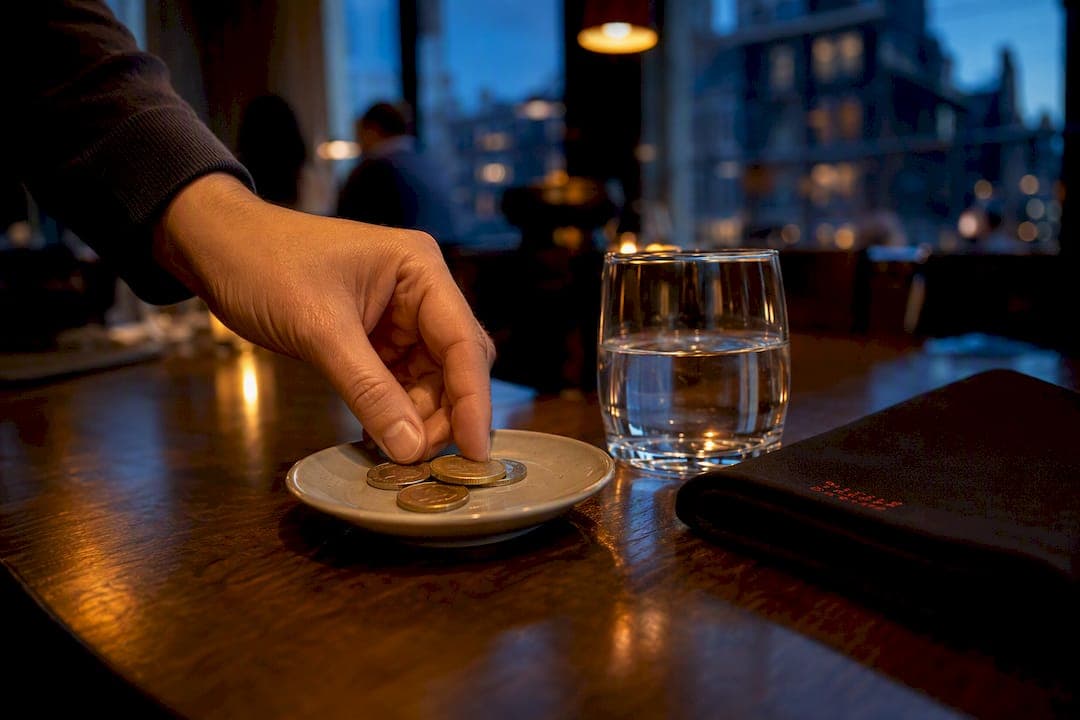
Tipping in the Netherlands is voluntary, not required by law, and rarely expected the way it is in the United States. Dutch hospitality staff earn at least minimum or CAO-regulated wages, so a tip is a bonus for good service, not a top-up for low pay. The simplest rule: round up your bill, or leave 5 to 10 percent at a restaurant when the service actually impressed you.
TL;DR:
- Tipping in the Netherlands is voluntary, with most people rounding up or leaving 5 to 10 percent for good service, but no service charge is mandatory.
- In casual settings, tips are usually small change or rounded-up amounts, while fine dining often warrants a calculated 5 to 10 percent tip, especially with attentive service.
- Tipping is typically pooled in larger venues or shared among staff, but small businesses may allow servers to keep tips directly; always ask if unsure.
- Cash tips give the most control, but card and app-based tips are common; verify platform policies to ensure the courier or staff receives the intended amount.
- Automatic gratuities or hidden service charges are illegal unless clearly disclosed before ordering, and younger diners tend to be more influenced by on-screen prompts to tip.
Table of Contents
- Fooi Geven In Nederland: Quick Amounts For Common Situations
- How Tipping Norms Differ By Sector In The Netherlands
- How Do You Actually Give A Tip At The Register?
- Who Actually Gets Your Tip?
- Can A Business Force You To Tip In The Netherlands?
- Why Younger Diners Feel More Pressure To Tip
- How Big Shots Amsterdam Handles Tips For Guests
- What The Data Actually Tells Us About Dutch Tipping
- Planning A Visit? Here's How Tipping Works At Big Shots Amsterdam
- Sources
Fooi Geven In Nederland: Quick Amounts For Common Situations
The fastest way to get tipping right in the Netherlands is to memorize a handful of numbers and stop overthinking the rest. Dutch tipping runs lower than American tipping across every category, and nobody at the till expects you to calculate anything precisely.
- Restaurants: a customary tip for good service is often between five and ten percent, though simply rounding the bill is also common, according to guidelines from MyPOS.
- Cafés and bars: leave small change or round up. A coffee or a beer usually means €0.20 to €1 extra.
- Taxis: rounding up the fare or giving a modest percentage on longer rides, especially to/from airports, is common.
- Delivery drivers: a small tip or rounding up is typical, with more given for larger orders or difficult conditions.
- Hairdressers: a small tip or rounding up the bill is usual, depending on your satisfaction with the service.
None of these numbers are fixed rates. They're starting points. If you're eating at a bar with a full dining menu in Amsterdam, the same 5 to 10 percent guideline applies whether you're there for wings or steak.
How Tipping Norms Differ By Sector In The Netherlands
Dutch tipping isn't one-size-fits-all. Each sector has its own unwritten rhythm, and knowing the difference keeps you from over-tipping in places that don't expect it or under-tipping where it actually matters.
- Casual restaurants vs. fine dining. At a casual spot, rounding up to the nearest five euros covers you. At fine dining, guests more often calculate 5 to 10 percent on the full bill, particularly when a sommelier or dedicated server was involved.
- Cafés and bars. Coins left on the table or a rounded-up card payment are the norm. Nobody blinks if you leave nothing at all for a single espresso.
- Delivery and couriers. Tipping through the app is convenient, but whether it reaches the courier depends on the platform's own payout policy, according to Hoeveelfooigeefje. If you want certainty the driver keeps it, hand over cash at the door.
- Taxis and airport transfers. Rounding works for short city rides. Longer transfers, especially to and from Schiphol, tend to draw a percentage tip closer to 10 percent.
- Hotels. Housekeeping and porters aren't tipped as automatically as in the US, but leaving a couple of euros in cash for a multi-day stay, or handing a porter €1 to €2 per bag, is a welcomed gesture rather than an obligation.
Historically, Dutch tipping levels have been notably lower than those in the United States, reflecting wage systems that do not depend on tips as a significant portion of income, as supported by Wikipedia's overview of fooi.
How Do You Actually Give A Tip At The Register?
Cash still gives you the most control. Handing money directly to a server guarantees it goes where you intend, while a card tip sometimes gets pooled with the whole team, or in rarer cases, absorbed into the business's own reporting.
- Cash: simplest, fastest, and most direct if you want a specific person to benefit.
- Pin terminals: many now prompt a suggested tip percentage. You can usually tap "skip" or enter a custom amount instead.
- In-app tipping: convenient for delivery, but check the platform's own policy before assuming the courier sees that money. If you're unsure, cash at the door solves it.
- At checkout: a simple "houd het wisselgeld maar" (keep the change) or just rounding up on the terminal communicates your intent without any awkwardness.
Pro Tip: If a pin terminal defaults to a 15 percent tip suggestion and that feels steep, tap the custom amount option. Nobody at the counter will think twice.
Who Actually Gets Your Tip?
Larger venues often pool tips and split them among the whole team, front-of-house and kitchen staff alike, rather than handing the full amount to whoever brought your food. Smaller cafés and independent businesses are more likely to let an individual server keep what they're personally given.
- Pooled tipping is common in bigger restaurants and bars, based on reporting from BNNVARA's Kassa.
- Small, owner-run spots often skip pooling entirely, with the person you tipped keeping it directly.
- Employers cannot legally pocket tips meant for staff, though how transparent a venue is about its split varies widely.
- If it matters to you where the money lands, just ask your server. Most are happy to explain how their venue handles it.
Can A Business Force You To Tip In The Netherlands?
No. A restaurant or bar cannot legally impose a mandatory tip without clear agreement from the guest beforehand, according to guidance from Koninklijke Horeca Nederland (KHN). Any "service charge" line on a bill has to be disclosed transparently, not slipped in as a disguised tip.
- Tipping stays voluntary by definition. A business adding an automatic gratuity without warning you first is overstepping.
- Service charges must be stated clearly on the bill or menu before you order, not revealed after the fact.
- KHN's own guidance backs this up: no surprise tipping obligations, full transparency on any added charges.
- If you spot a mysterious "service included" or flat gratuity line you didn't agree to, ask before paying. You're entitled to a straight answer.
Why Younger Diners Feel More Pressure To Tip
Payment terminals have changed the psychology of tipping in ways that split generations. Diners aged 18 to 34 report feeling more pressure from on-screen tip prompts than older customers, who tend to shrug them off and round up instead, according to NSMBL's coverage of Dutch tipping habits.
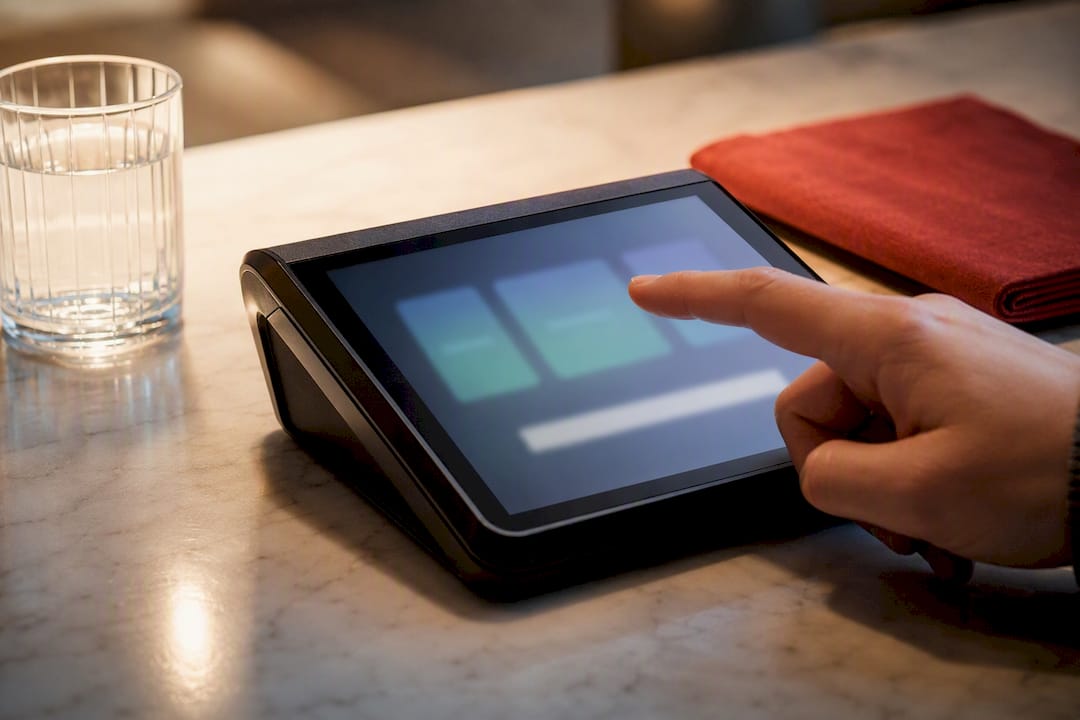
A Lightspeed survey of Dutch restaurant visitors found that a significant portion tip between 5 and 10 percent, another substantial group tip 1 to 5 percent, and many do not leave a tip. Tips exceeding 15 percent are uncommon. The same survey shows a real appetite for scrapping tipping culture altogether in favor of fairer built-in wages.
If a terminal's default suggestion feels like pressure rather than a genuine choice, set your own rule ahead of time, whether that's a flat €1 or a straight round-up, and stick to it regardless of what the screen suggests.
How Big Shots Amsterdam Handles Tips For Guests
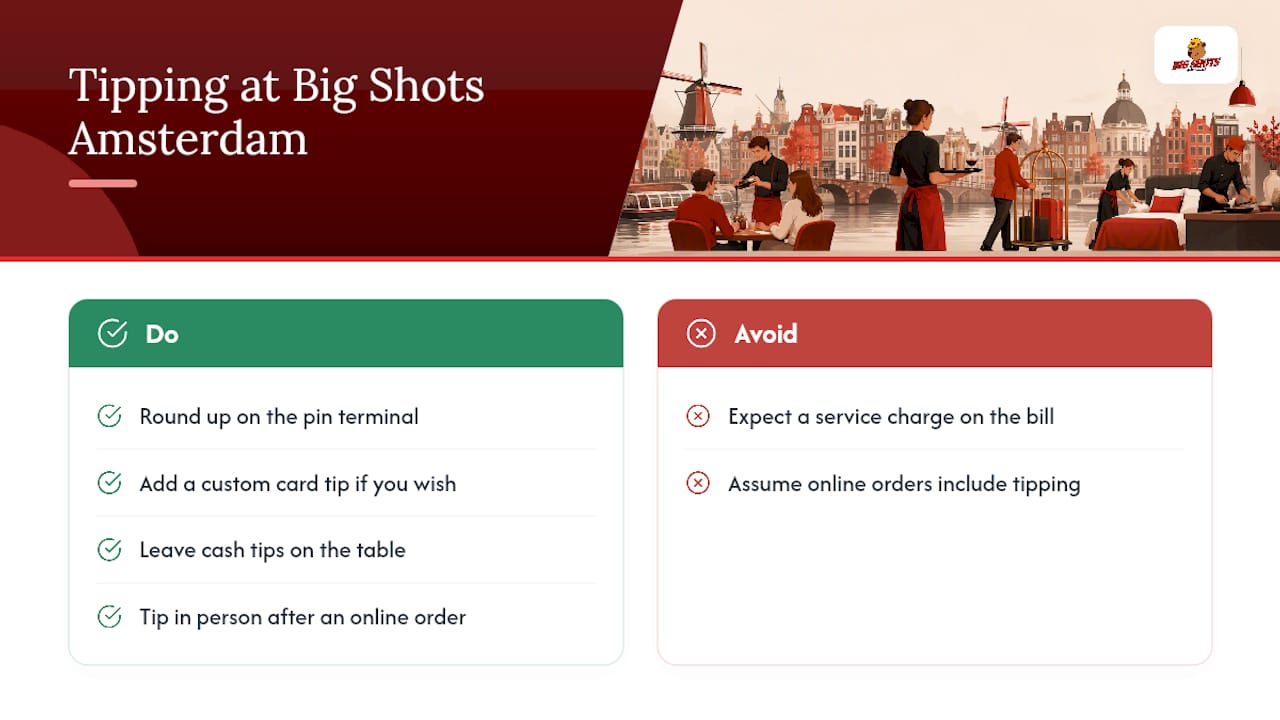
At a venue like Big Shots Amsterdam, tipping works the same way it does across Dutch hospitality: entirely up to you, never built into the bill. Whether you're settling a tab after watching a match, closing out a shisha lounge session, or paying for steak and cocktails, the pin terminal gives you the option to round up or add a custom amount, and cash tips left on the table are always appreciated by the team.
If you're ordering online rather than dining in, tipping isn't part of that process, but you can still show appreciation in person on your next visit. For groups planning ahead, checking Amsterdam's hospitality and dining scene beforehand helps you know what to expect before the bill arrives.
What The Data Actually Tells Us About Dutch Tipping
Here's what stands out once you look past the surface advice: the loudest debate in Dutch tipping right now isn't about amounts, it's about whether tipping should exist at all. Nearly a third of survey respondents in the Lightspeed data leave nothing, and that's not rudeness. It reflects a culture where tipping never got baked into how workers earn a living wage.
The conventional tourist advice, "always tip 10 to 15 percent like you would at home," misreads the country entirely. It pressures visitors into overpaying and can even feel patronizing to staff who aren't relying on that money to make rent. What actually serves you better is matching local behavior: round up for casual service, stretch to 5 to 10 percent when someone genuinely went out of their way, and don't sweat it when you tip nothing at a quick coffee stop.
If there's one thing worth prioritizing, it's reading the room over reading a rulebook. A hurried lunch counter and a slow, attentive dinner service call for different responses, and the terminal prompt in front of you is not the boss of that decision.
— Leo
Planning A Visit? Here's How Tipping Works At Big Shots Amsterdam
A hospitality venue in Amsterdam offers multiple experiences and a simple tipping approach: round up on the terminal, leave cash if you'd rather it go straight to your server, or skip it entirely at the bar without a second thought.
Reserve a table for the next big match, book a shisha lounge session for a slow evening, or place an online food order ahead of a group visit. Check current availability and menus at Big Shots Amsterdam before you head over, and you'll walk in already knowing exactly how payment, and tipping, works.