
TL;DR:
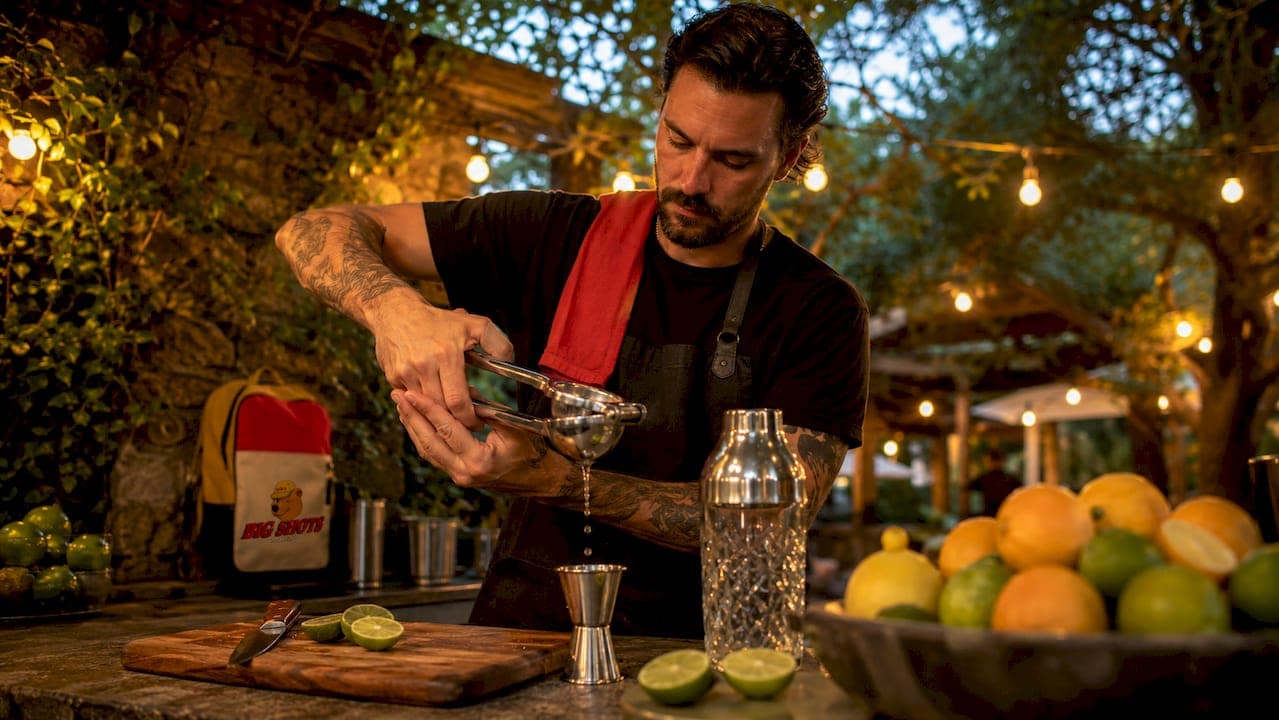
- Fresh juice in Amsterdam cocktails is used as a supporting balancing agent rather than a primary flavor. Bartenders clarify and layer juices with botanicals to ensure consistency, complexity, and stability. Seasonal ingredients and techniques like shrubs enhance flavor and maintain quality across busy service periods.
Fresh juice is defined as the primary balancing agent in Amsterdam cocktails, not the main flavor. The role of fresh juice in Amsterdam cocktails separates the city's progressive mixology scene from venues that still rely on sugary syrups and bottled mixers. Amsterdam's bartenders treat juice as a structural tool, using it to support complex spirits like Genever and premium tequila rather than mask them. Amsterdam nightlife spending exceeds €2.05 billion annually, and that scale drives a bar culture where technical precision matters as much as the pour itself.
How do fresh juices contribute to flavor balance in Amsterdam cocktails?
Fresh juice in Amsterdam cocktails functions as a counterweight, not a centerpiece. Expert bartenders Joris Beek and Nick Vrielink describe fresh juice's supporting role as complementing the spirit's character rather than competing with it. A well-built cocktail uses juice to lift acidity, soften heat, or add brightness without pulling attention away from the base spirit.
The Paloma is the clearest example of this principle in practice. The classic recipe calls for 20 ml fresh lime juice, 100 ml grapefruit soda, and 40 ml tequila. That ratio keeps the tequila's agave notes intact while the lime adds a sharp, clean edge. Remove the fresh juice and the drink becomes flat. Double it and the tequila disappears.
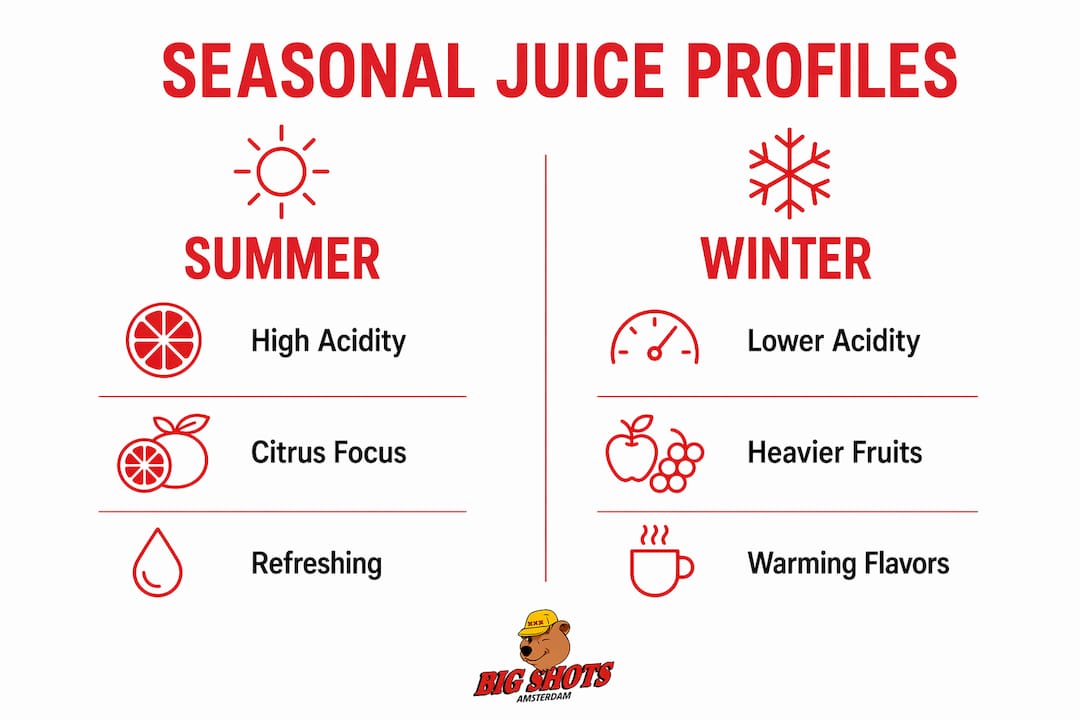
Modern Amsterdam bartenders also distinguish between raw squeezed juice and clarified versions. Clarified juices manipulated for texture produce a cleaner mouthfeel and allow the spirit's botanicals to come through without pulp interference. This technique shows up most in Genever-based cocktails, where the grain and juniper notes are subtle enough to be buried by unfiltered citrus.
The key distinction Amsterdam's best bars make is this:
- Raw fresh juice works in high-acid, spirit-forward builds where texture adds character
- Clarified juice suits delicate spirits and zero-proof drinks where clarity matters
- Reduced or concentrated juice appears in winter menus where intensity replaces volume
- Juice-based shrubs (vinegar-preserved fruit juice) add acidity with shelf stability
Pro Tip: Squeeze citrus no more than 30 minutes before service. Lime juice oxidizes quickly and loses its sharp edge, which throws off the acid balance in any cocktail built around it.
What innovative techniques do Amsterdam bartenders use with fresh juice?
Amsterdam's high-end cocktail scene favors technical mastery over sugary juices, and that shows up in how bartenders handle freshness at volume. The challenge is consistency. A juice squeezed at 6:00 PM behaves differently at 11:00 PM after oxidation and temperature changes. The city's top bars solve this with four core techniques.
-
Clarify on demand. Bartenders run fresh juice through a centrifuge or fine-mesh filter right before service. This removes pulp and suspended solids, producing a stable, clear liquid that holds its flavor profile longer without browning or turning bitter.
-
House-made shrubs. Shrubs enable consistent fresh flavors without the oxidation risk of raw juice. A shrub combines fruit juice, sugar, and apple cider vinegar in a cold-process method. The result is a shelf-stable concentrate that delivers acidity and fruit character in precise, repeatable doses.
-
Botanical distillates and hydrosols alongside juice. Rather than using juice alone, bartenders layer it with steam-distilled plant waters. A cucumber hydrosol adds green, vegetal freshness without the water content of actual cucumber juice. This keeps the cocktail's texture tight while adding aromatic complexity.
-
Batch dilution for texture. Adding 15–20% water dilution to batched cocktails mimics the dilution from a hard shake. This matters when fresh juice is part of a batch recipe, because the juice's acidity interacts differently with undiluted spirit. The water addition keeps mouthfeel consistent across every pour.
Pro Tip: When building a shrub for a citrus-forward cocktail, use a 1:1:1 ratio of juice, sugar, and vinegar as your starting point. Adjust the vinegar down for sweeter profiles and up for drier, more savory builds.
These techniques reflect a broader truth about Amsterdam cocktail trends: the goal is always repeatability. A great cocktail on a Tuesday night should taste identical on a Saturday at peak service.
How does seasonality influence the use of fresh juice in Amsterdam cocktails?
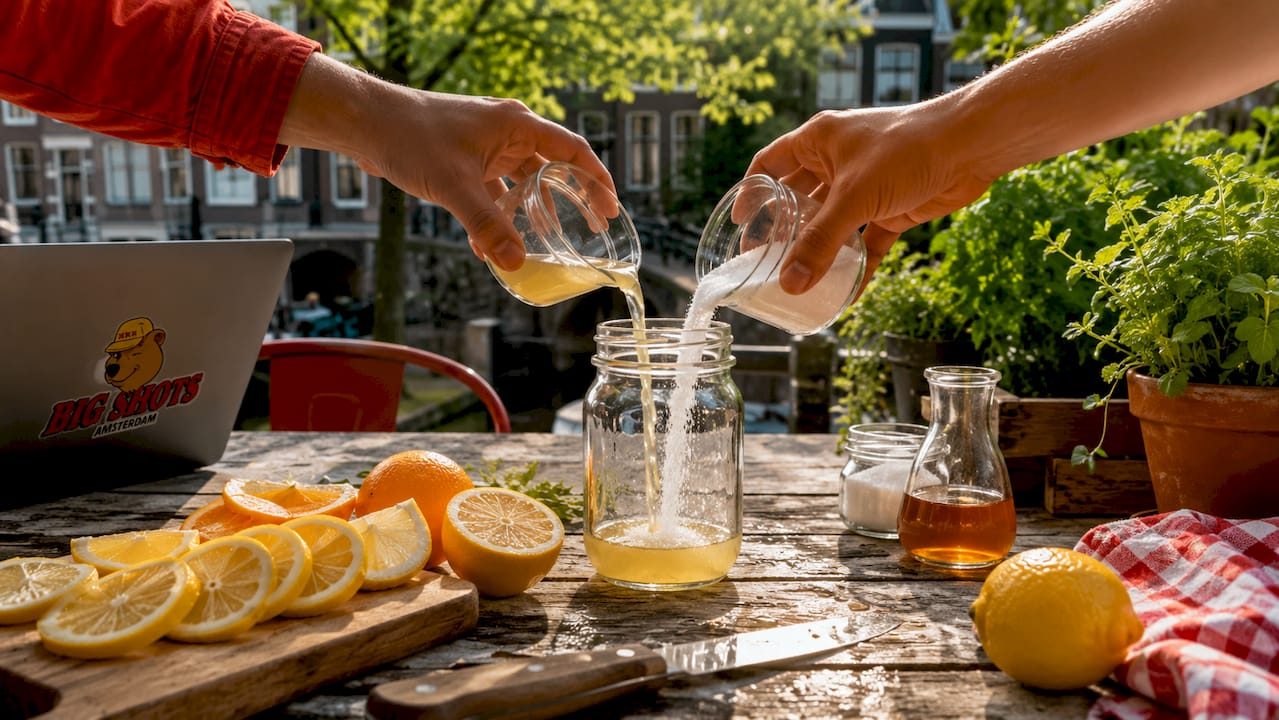
Seasonality drives ingredient choices more directly in Amsterdam than in most European cities. The city's culture of gezelligheid, a Dutch concept of warmth and togetherness, shapes what guests expect from a drink depending on the time of year. Seasonal cocktail menus adapt to this cultural rhythm, with fresh juice playing a larger structural role in warmer months and stepping back in winter.
Citrus dominates summer menus for acidity and freshness, with yuzu, sea buckthorn, and lime appearing across Amsterdam's cocktail lists from may through september. These high-acid ingredients cut through heat and create the bright, refreshing profiles that outdoor terraces demand. Winter menus shift toward smoke, spice, and warming spirits, where fresh juice plays a supporting role rather than a lead one.
Local produce availability also shapes these choices. Dutch greenhouses supply year-round herbs and some citrus, but exotic fruits like yuzu and passion fruit depend on import cycles. Bars that commit to seasonal sourcing build menus around what is actually fresh, not what is theoretically available.
| Season | Preferred juice profiles | Common ingredients | Juice role |
|---|---|---|---|
| Spring | Floral, lightly acidic | Elderflower, rhubarb, lemon | Moderate, brightening |
| Summer | High-acid, refreshing | Yuzu, lime, sea buckthorn | Dominant, structural |
| Fall | Earthy, tart | Apple, pear, blackcurrant | Balanced, supporting |
| Winter | Minimal, warming | Blood orange, pomegranate | Reduced, accent only |
This seasonal discipline is what makes Amsterdam cocktail trends feel coherent rather than trend-chasing. The juice choices reflect the city's actual climate and social mood, not just what looks good on a menu.
What role does fresh juice play in Amsterdam's non-alcoholic cocktails?
Non-alcoholic cocktails in Amsterdam are not afterthoughts. 72.4% of Dutch youth aged 12 to 16 have never consumed alcohol, and that demographic shift has pushed bars to develop zero-proof drinks with genuine complexity. Fresh juice is central to this, but not in the way most people expect.
The Amsterdam mocktail scene in 2026 has moved well past juice-and-soda combinations. The demand is for adult flavor profiles: dry, layered, and interesting without being sweet. Raw high-sugar juices undermine that goal. Instead, bartenders use:
- Clarified citrus juice for clean acidity without sweetness or cloudiness
- Botanical distillates like rose water or chamomile hydrosol for aromatic depth
- Shrubs for acidity and complexity without alcohol or excess sugar
- Fermented juice bases like tepache (fermented pineapple) for savory, funky notes
Botanical distillates replace sugary juices in sober-native mixology because they deliver flavor without the sugar load that makes non-alcoholic drinks taste like children's beverages. A zero-proof Genever-style drink built on clarified apple juice, juniper hydrosol, and a lemon shrub delivers the same structural complexity as its alcoholic counterpart.
Non-alcoholic beer already holds an 8–9% market share in the Netherlands. That figure signals a consumer base that wants sophistication without alcohol, and fresh juice techniques are the primary tool bartenders use to deliver it. For travelers curious about culinary experiences in Amsterdam, the zero-proof cocktail menu is often the most technically impressive part of the drink list.
Key Takeaways
Fresh juice is a balancing tool in Amsterdam cocktails, not a sweetener, and mastering its application separates technically skilled bartenders from the rest.
| Point | Details |
|---|---|
| Juice as balance, not flavor | Fresh juice supports the spirit's character rather than dominating the drink's profile. |
| Clarification matters | Clarified juice produces cleaner texture and lets botanical spirits come through without pulp interference. |
| Seasonality shapes the menu | Summer favors high-acid citrus; winter reduces fresh juice in favor of smoke and spice. |
| Shrubs solve consistency | House-made shrubs deliver fresh flavor without oxidation risk during high-volume service. |
| Non-alcoholic drinks demand precision | Zero-proof cocktails rely on clarified juice and botanical distillates to achieve adult complexity. |
Why fresh juice changed how I think about Amsterdam cocktails
I spent years assuming that a great cocktail was about the spirit. The better the bottle, the better the drink. Amsterdam corrected that assumption fast.
The first time I watched a bartender clarify fresh lime juice before building a Genever sour, I realized the juice was doing as much structural work as the spirit itself. The clarified version produced a drink that was sharper, cleaner, and more interesting than anything I had tasted made with raw juice. The Genever's grain notes came through in a way they never do when pulpy citrus is in the glass.
What strikes me most about Amsterdam's nightlife trends is the discipline behind the creativity. Bartenders here do not reach for fresh juice because it sounds artisanal. They use it because they have tested the alternative and found it inferior. That is a different kind of confidence. Travelers who visit expecting fruit-heavy, sweet cocktails often leave surprised by how dry and complex the drinks actually are. That gap between expectation and reality is where Amsterdam's cocktail culture lives, and fresh juice technique is what makes it possible.
The future of this scene points toward even more precise juice applications: fermented bases, cold-pressed concentrates, and juice-derived acids that give bartenders control over flavor without the variability of whole fruit. The gastronomy trends shaping 2026 confirm that this precision-first approach is spreading beyond Amsterdam into broader hospitality culture. Amsterdam just got there first.
— Leo
Fresh juice cocktails done right at Bigshotsamsterdam
Bigshotsamsterdam brings the same commitment to balance and freshness that defines Amsterdam's best cocktail culture. Every drink on the menu reflects the principle that fresh juice should support the spirit, not overwhelm it.
The cocktail menu at Bigshotsamsterdam rotates with the seasons, drawing on high-acid summer citrus and warming winter profiles to keep every visit feeling current. Whether you are a local looking for a well-built Paloma or a traveler wanting to experience Amsterdam's approach to fresh juice mixology firsthand, Bigshotsamsterdam delivers the real thing. The venue combines a sports bar, shisha lounge, and restaurant in one space, making it the kind of place where a great cocktail fits every mood and occasion.
FAQ
What is the role of fresh juice in Amsterdam cocktails?
Fresh juice functions as a balancing agent in Amsterdam cocktails, supporting the spirit's flavor profile rather than dominating it. Bartenders use precise measurements and clarification techniques to maintain consistency and complexity.
Why do Amsterdam bartenders clarify fresh juice?
Clarifying fresh juice removes pulp and suspended solids, producing a cleaner texture that lets delicate spirits like Genever express their botanical character. It also extends the juice's stability during high-volume service.
How does seasonality affect fresh juice use in Amsterdam bars?
Summer menus favor high-acid citrus like yuzu and lime for refreshing, bright profiles, while winter menus reduce fresh juice in favor of smoke, spice, and warming spirits. Seasonal sourcing from local and imported produce drives these shifts.
Are fresh juice cocktails available without alcohol in Amsterdam?
Yes. Amsterdam's sober-native cocktail culture uses clarified juice, botanical distillates, and shrubs to build zero-proof drinks with adult complexity. These drinks avoid raw high-sugar juice to keep the flavor profile dry and layered.
What is a shrub and why do Amsterdam bartenders use it?
A shrub is a cold-process mixture of fruit juice, sugar, and vinegar that preserves fresh flavor without oxidation. Amsterdam bartenders use shrubs for consistent acidity and fruit character across every pour during busy service.