
TL;DR:
- Amsterdam's restaurants focus on local, seasonal produce to craft dynamic menus that change daily with farm yields. They use techniques like fermentation and grilling to enhance vegetable flavors and create broad appeal. This approach supports sustainability, stabilizes costs, and broadens diner expectations for vegetable-centered cuisine.
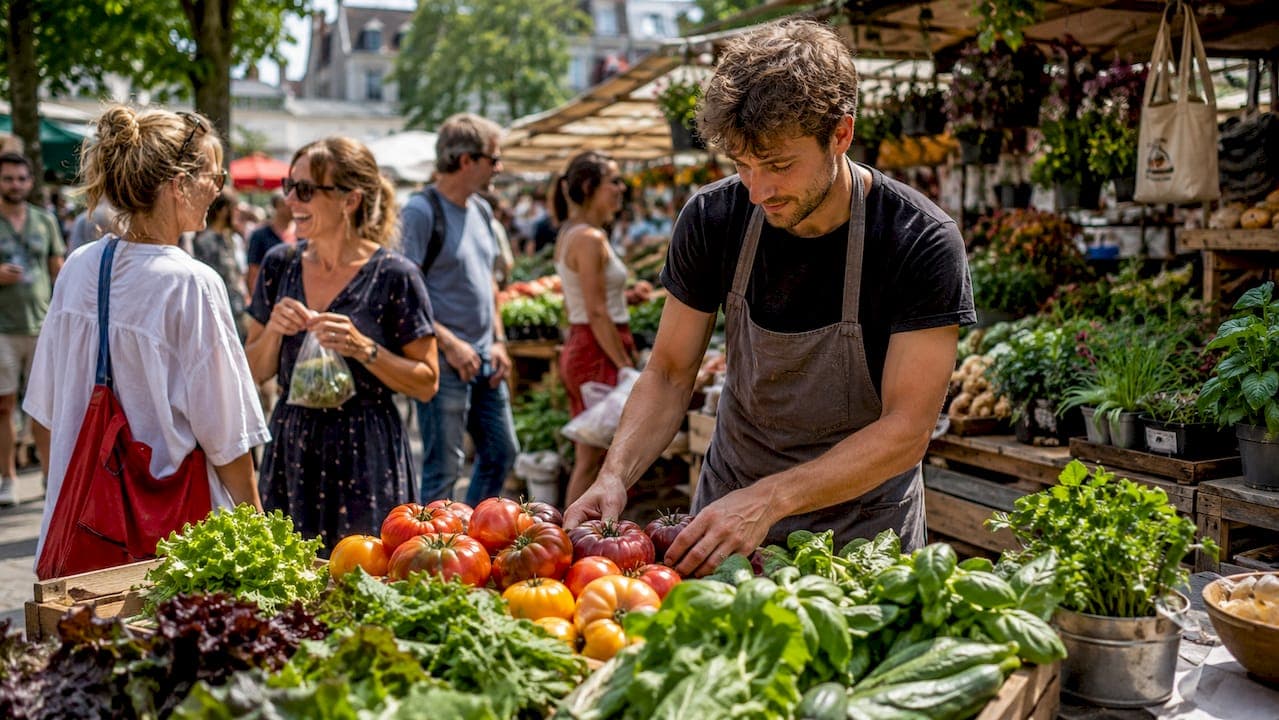
Fresh produce is the defining ingredient of Amsterdam's modern dining culture, placing locally grown, seasonal vegetables at the center of menu design rather than the edge of the plate. The role of fresh produce in Amsterdam menus goes far beyond a marketing trend. Restaurants like De Kas and Choux have built entire culinary identities around what grows nearby and what is ripe right now. Urban farms supply rare specialty items that standard distributors cannot match, giving chefs a genuine creative edge. The result is a dining scene where the season dictates the menu, not the other way around.
How fresh produce shapes Amsterdam restaurant menus
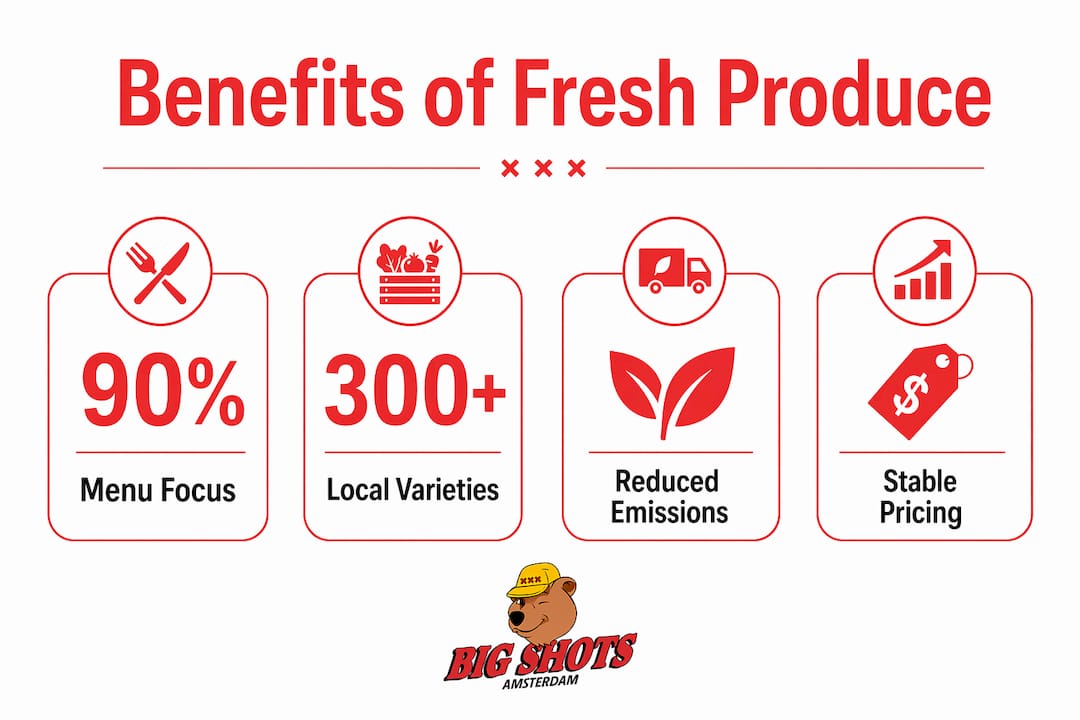
Amsterdam chefs treat local sourcing as an operational foundation, not a decorative choice. The clearest example is De Kas, a greenhouse restaurant in the Frankendael park that grows approximately 300 varieties of vegetables, herbs, and fruits on site. That number is not a catalog of options. It is the actual working inventory that feeds a daily changing set menu.
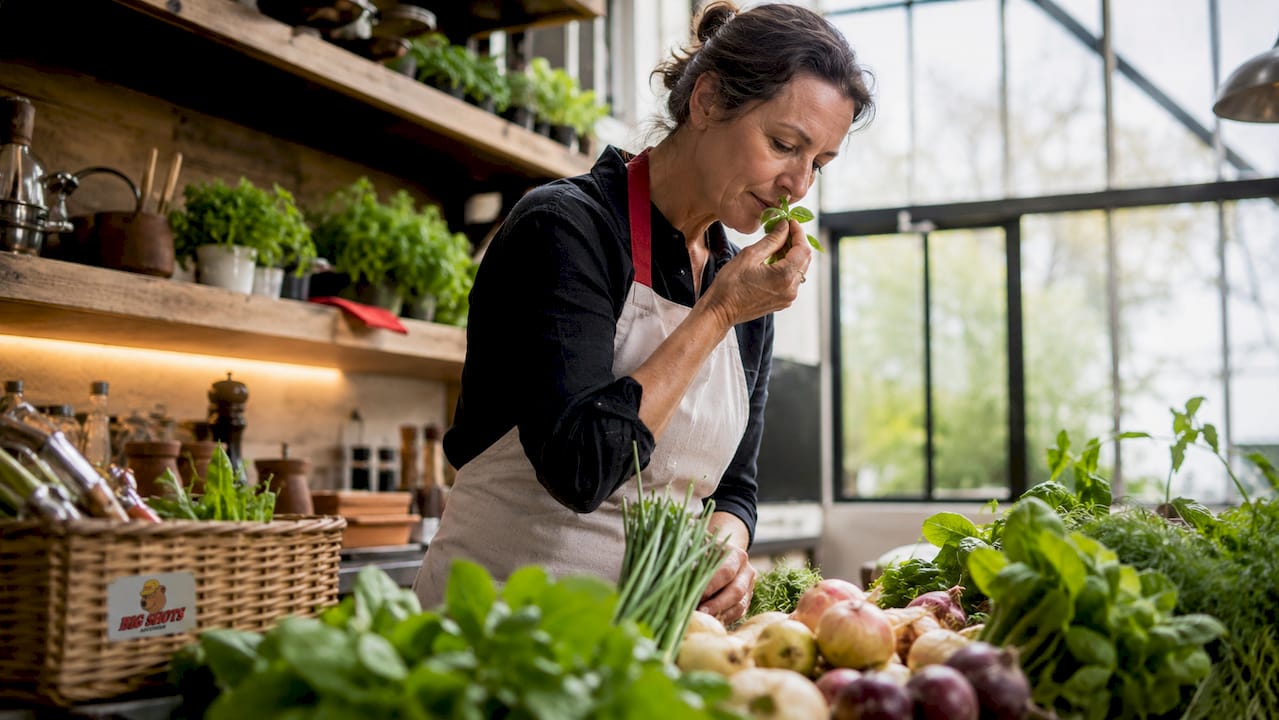
The daily harvest model changes how kitchens function. Rather than ordering from a fixed supplier list, chefs at De Kas adapt menus based on actual farm yields each morning. This requires continuous creativity and a deep knowledge of what each ingredient can do at different stages of ripeness. A tomato picked at peak sweetness needs different handling than one harvested two weeks earlier.
Tuintje van Adam takes a narrower but equally serious approach. This urban mushroom farm supplies 24 gourmet mushroom varieties directly to Amsterdam restaurants. These are not varieties available through standard wholesale channels. Direct partnerships give restaurants exclusive access to specialty produce that creates real menu differentiation.
Pro Tip: When booking a farm-to-table restaurant in Amsterdam, ask which urban farm supplies the kitchen that week. The answer tells you more about the menu's quality than any description on the website.
The operational challenges of hyper-local sourcing are real. Supply volumes fluctuate with weather, pests, and seasonal transitions. Lean winter months force chefs to rely on preserved summer harvests, root vegetables, and fermented stocks. Restaurants that commit to this model build menus around what is available rather than what is predictable. That constraint, counterintuitively, produces more interesting food.
What culinary techniques make fresh produce the star?
Plant-forward cooking requires more than good ingredients. It requires technique. Amsterdam chefs use fermentation, pickling, grilling, and slow-cooking to build flavor depth and umami in vegetable-centered dishes. These methods shift customer perception so that vegetables move from supporting role to main attraction.
The techniques most commonly used in Amsterdam's produce-driven kitchens follow a clear logic:
- Fermentation converts sugars into acids and alcohols, producing complex, tangy flavors that raw vegetables cannot deliver on their own. Kimchi-style preparations and lacto-fermented roots appear frequently on tasting menus.
- Pickling extends the life of peak-season produce and adds brightness to winter dishes. Quick-pickled radishes and preserved cucumbers show up as counterpoints to richer preparations.
- Grilling and charring create Maillard reaction browning on vegetables, producing bitter, smoky notes that mimic the satisfaction of grilled meat.
- Slow-cooking and braising break down fibrous vegetables into silky, concentrated textures. Celeriac braised in butter and herbs becomes a dish that stands alone.
- Preservation through drying and smoking allows summer abundance to carry flavor into colder months, reducing waste and maintaining menu continuity.
Choux restaurant demonstrates how far these techniques can go. Its menus consist of approximately 90% fruits, vegetables, herbs, and edible flowers, with meat and shellfish used only as accent flavors. That composition is only possible because the kitchen treats vegetables with the same technical rigor traditionally reserved for proteins.
Pro Tip: Natural wines and fermented beverages pair especially well with vegetable-forward dishes because their acidity and complexity mirror the fermentation notes in the food. Ask your server for a pairing recommendation rather than defaulting to a standard wine list.
The plant-forward movement in Amsterdam succeeds because it appeals beyond ideology. Diners who eat meat regularly still find these menus satisfying because the techniques deliver genuine flavor intensity. That broad appeal is what makes the movement durable rather than niche.
Why do Amsterdam restaurants prioritize seasonal and local produce?
The economic case for seasonal produce is straightforward. Seasonal produce reduces price volatility and improves ingredient quality, helping restaurants manage costs more effectively than imported proteins allow. When a restaurant builds its menu around what is abundant locally, it avoids the cost spikes that come with shipping out-of-season ingredients from distant markets.
The sustainability benefits reinforce the economic ones. Short supply chains reduce transportation emissions and food waste. Produce that travels from a city farm to a kitchen two kilometers away arrives fresher and loses less to spoilage than produce shipped from southern Europe. Amsterdam's local seafood practices follow the same logic. Selective netting technology reduces discards of undersized fish by 70%, supporting sustainable North Sea fishing that supplies Amsterdam kitchens with traceable, low-waste protein.
Urban farming adds another layer of environmental advantage. Greenhouse operations like De Kas use controlled environments that reduce water consumption and eliminate the need for pesticides. The energy cost of greenhouse heating is offset by year-round production and zero transportation emissions. For diners who care about sustainable food choices in Amsterdam, these supply chain details matter.
| Advantage | How it works |
|---|---|
| Cost stability | Peak harvest pricing avoids imported ingredient price spikes |
| Reduced waste | Short supply chains lower spoilage between farm and kitchen |
| Flavor quality | Ripe, local produce delivers superior taste without additives |
| Environmental impact | Urban farms and local fisheries cut transportation emissions |
| Menu differentiation | Exclusive local varieties create dishes competitors cannot replicate |
Economic pressures across Dutch restaurants have reinforced this shift. As food costs rise globally, restaurants that rely on local seasonal produce gain a buffer that import-dependent kitchens do not have. The financial logic and the ethical logic point in the same direction.
How does fresh produce change the dining experience in Amsterdam?
Fresh produce-centric menus create a dining experience that changes with the calendar. A diner who visits the same Amsterdam restaurant in june and again in november eats two fundamentally different meals. That dynamic quality builds loyalty and gives regulars a reason to return.
The culinary trends shaping Amsterdam in 2026 reflect a clear shift in what diners expect. Meat and seafood no longer anchor every plate. Vegetables carry the menu, and diners have adjusted their expectations accordingly. This is not a niche preference. It reflects a broad change in how Amsterdam's food culture defines a satisfying meal.
Several specific shifts define the fresh produce dining experience:
- Seasonal storytelling gives menus a narrative. Chefs explain what is growing now and why it appears on the plate, turning a meal into an education about local agriculture.
- Texture and color variety replace the protein-starch-vegetable formula. A plate built around roasted beets, fermented cabbage, and smoked celeriac offers as much visual and textural interest as any meat dish.
- Shorter menus signal confidence. Restaurants committed to local produce offer fewer dishes because they only cook what is genuinely available. A five-item menu built on today's harvest beats a forty-item menu padded with frozen imports.
- Transparency about sourcing has become a standard expectation. Diners want to know the farm name, not just the ingredient name.
- Presentation as craft elevates the experience. The way food is presented in Amsterdam's produce-driven restaurants treats each vegetable as a centerpiece rather than a garnish.
Fresh produce is also an operational signal. When a restaurant commits to daily-changing menus based on farm yields, it signals that the kitchen is working at a high level. That commitment attracts diners who value craft over convenience.
Key Takeaways
Amsterdam's dining scene is defined by fresh, local, seasonal produce that drives menu design, culinary technique, and sustainable sourcing from farm to plate.
| Point | Details |
|---|---|
| Hyper-local sourcing | Urban farms like De Kas and Tuintje van Adam supply exclusive varieties unavailable through standard channels. |
| Daily menu adaptation | Chefs build menus around actual farm yields each day, requiring continuous creativity and ingredient knowledge. |
| Technique drives appeal | Fermentation, pickling, and charring give vegetables the flavor depth that makes plant-forward menus broadly satisfying. |
| Economic and environmental logic | Seasonal produce cuts cost volatility and supply chain emissions simultaneously, benefiting both restaurants and diners. |
| Evolving diner expectations | Amsterdam diners now expect seasonal storytelling, sourcing transparency, and vegetable-centered plates as standard. |
Amsterdam's produce-first kitchens are rewriting what a great meal looks like
I have eaten at enough Amsterdam restaurants to say this with confidence: the gap between a kitchen that genuinely sources locally and one that uses "local" as a menu label is enormous. You taste it immediately. A tomato grown 500 meters from the kitchen and picked that morning has a sweetness and acidity that no imported tomato can replicate, regardless of variety or price.
What strikes me most about Amsterdam's best produce-driven restaurants is the discipline involved. Committing to a daily-changing menu based on farm yields means saying no to predictability. Chefs cannot promise a signature dish will be available next week. That requires a level of trust from diners and a level of skill from the kitchen that most venues are not willing to demand of themselves.
The gastronomy trends of 2026 point toward even deeper integration of urban agriculture and restaurant menus. I expect Amsterdam to lead that shift in Europe, not because of ideology, but because the city already has the infrastructure, the farms, and the diner appetite to make it work. The restaurants that build full supply chain relationships now will have a significant advantage as ingredient costs and sustainability expectations continue to rise.
My advice for diners: stop reading menus as lists of dishes and start reading them as statements about sourcing. A menu that changes weekly is telling you something important about how seriously the kitchen takes its ingredients.
— Leo
Fresh, seasonal dining at Bigshotsamsterdam
Bigshotsamsterdam brings Amsterdam's love of quality ingredients into a venue that combines great food with a genuinely lively atmosphere. The kitchen draws on fresh, local produce to build a menu that covers everything from a full breakfast to gourmet steaks, all served in a space that works equally well for a casual lunch or a night out with friends. You can explore the full menu and order online directly from the website, making it easy to plan your visit around what is fresh and available. Whether you are a local or visiting Amsterdam for the first time, Bigshotsamsterdam delivers the kind of food and atmosphere that makes the city's dining scene worth exploring.
FAQ
What is the role of fresh produce in Amsterdam menus?
Fresh produce is the primary driver of menu design in Amsterdam's leading restaurants, with chefs building daily offerings around local farm yields and seasonal availability rather than fixed ingredient lists.
Which Amsterdam restaurants are known for hyper-local sourcing?
De Kas grows approximately 300 varieties of vegetables, herbs, and fruits on site and serves a daily changing set menu. Choux builds menus that are approximately 90% plant-based using fermentation and preservation techniques.
How do Amsterdam chefs handle produce in winter months?
Chefs rely on fermentation, pickling, and preservation methods developed during peak harvest seasons to maintain flavor depth and menu quality through lean winter periods.
Why does seasonal produce benefit Amsterdam restaurants economically?
Seasonal produce reduces price volatility compared to imported proteins, helping restaurants manage food costs more effectively while also improving ingredient quality and freshness.
What makes urban farming important to Amsterdam's food scene?
Urban farms like Tuintje van Adam supply 24 gourmet mushroom varieties and other specialty produce directly to restaurants, providing exclusive ingredients that standard wholesale distributors do not carry.