
TL;DR:
- Understanding cocktail families and techniques helps navigate Amsterdam's diverse bar scene confidently.
- The main cocktail families include Old Fashioned, Martini, Sour, Sidecar, Highball, and Flip, each with distinct ratios and flavors.
- Knowing these principles allows for smarter choices, substitutions, and deeper conversations with bartenders.
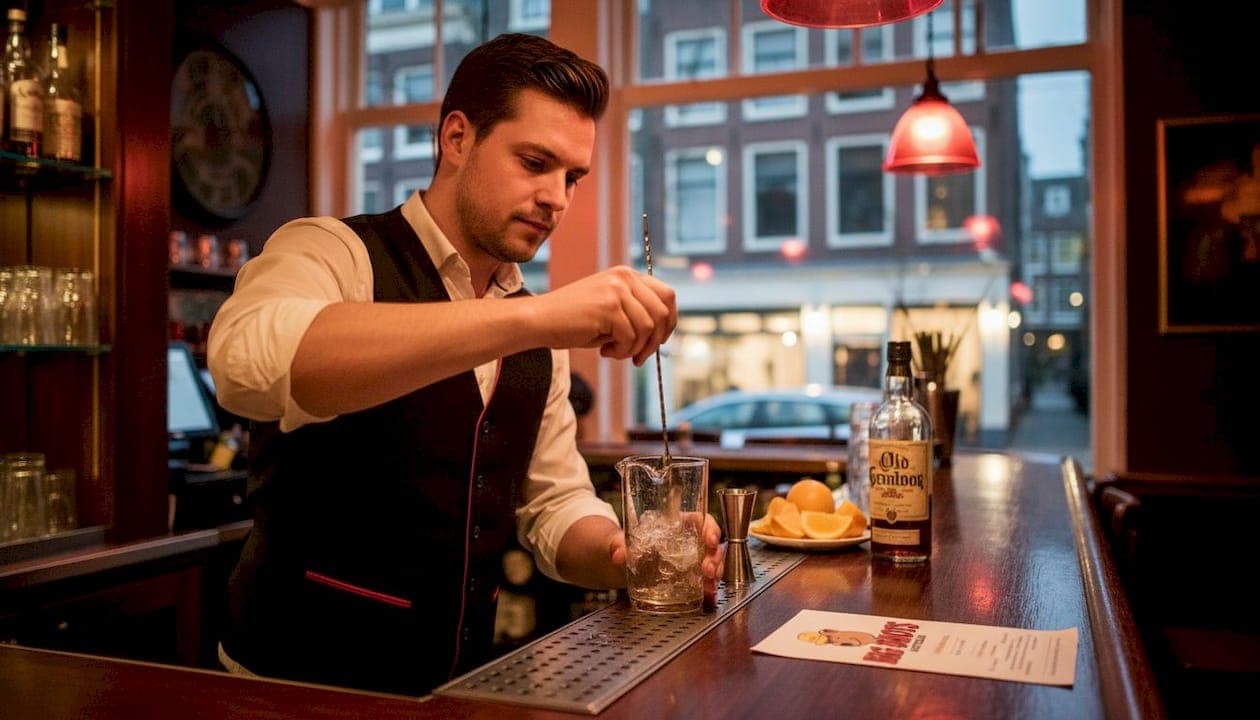
Standing at the bar of an Amsterdam cocktail lounge, menu in hand, surrounded by forty or fifty options you've never seen before is thrilling. It's also genuinely overwhelming. What separates a Sidecar from a Sour? Why does the bartender shake one drink and slowly stir the next? Knowing the underlying structure of cocktails turns that wall of text into a readable map. Whether you're a curious tourist exploring the city's canal-side bars or a local hunting your next obsession, understanding cocktail families and techniques gives you real confidence at any bar in Amsterdam.
Table of Contents
- How cocktails are classified: IBA categories vs. flavor families
- The essential cocktail families and their hallmarks
- Classic, contemporary, and local: Amsterdam's must-try cocktails
- Mixology methods: How technique shapes your cocktail
- The real secret to discovering your next favorite cocktail
- Experience Amsterdam's vibrant cocktail scene in person
- Frequently asked questions
Key Takeaways
| Point | Details |
|---|---|
| Understand cocktail categories | Knowing both the IBA classification and ingredient families makes it easy to explore and order drinks confidently. |
| Explore essential families | Familiarity with Old Fashioned, Martini, Sour, and Highball families helps you find drinks you'll love in any bar. |
| Technique matters | Whether you shake, stir, build, or blend, the method directly affects the flavor, texture, and presentation of your cocktail. |
| Amsterdam offers unique experiences | Local classics and signature cocktails await at renowned Amsterdam bars for both tourists and locals. |
| Experiment and enjoy | Don’t just stick to recipes—use your understanding to try new combinations and ask bartenders for creative takes. |
How cocktails are classified: IBA categories vs. flavor families
To navigate any cocktail menu like a pro, you need to understand two overlapping systems. The first is the global standard set by the IBA. The International Bartenders Association officially classifies cocktails into three categories: The Unforgettables, Contemporary Classics, and New Era Drinks, with the 2026 list containing 102 cocktails total. These categories are essentially a worldwide benchmark, and any serious bar in Amsterdam will have a handful of them on the menu.
The Unforgettables are the bedrock drinks that most people recognize by name even if they've never ordered one: the Negroni, Old Fashioned, Dry Martini, Manhattan. Contemporary Classics are newer icons that have earned their place through global popularity, drinks like the Cosmopolitan, Espresso Martini, and Caipirinha. New Era Drinks represent the most recent wave of creative cocktail culture, leaning into fresh ingredients, sustainability, and bold combinations.
The second system is the one bartenders actually use behind the bar: structural cocktail families based on ingredients and ratios. These families include the Old Fashioned, Martini, Daiquiri/Sour, Sidecar, Highball, and Flip. Each family has a core formula, and once you know it, you can decode almost any drink on the menu. You can also start making smart requests, like asking for "something in the Sour family but with a smoky mezcal base" and having the bartender actually understand what you want.
"Knowing a drink's structural family is like knowing the grammar of a language. You don't need every word to hold a conversation."
When you visit authentic Amsterdam drinks venues across the city, you'll notice menus that blend both systems effortlessly. Some bars organize their lists by IBA category for international guests, while others group drinks by flavor profile or family for an educational experience. Both approaches are valid, and now you can read either one fluently.
Here's a quick breakdown of the IBA categories:
| IBA Category | Example Cocktails | Character |
|---|---|---|
| The Unforgettables | Old Fashioned, Negroni, Martini | Timeless, globally recognized |
| Contemporary Classics | Espresso Martini, Cosmopolitan, Mojito | Modern icons, widely popular |
| New Era Drinks | Naked and Famous, Paper Plane | Innovative, ingredient-forward |
Key advantages of understanding both systems:
- You can identify a new drink's flavor profile before tasting it
- You can make informed substitutions based on preferences
- You can hold a real conversation with your bartender
- You can find patterns in what you already love
The essential cocktail families and their hallmarks
With the classification systems in mind, let's get hands-on with the defining features and Amsterdam favorites of each cocktail family. Each family has a signature ratio, and learning that ratio is more useful than memorizing any individual recipe.
The six main cocktail families follow this basic breakdown:
| Family | Core Formula | Classic Example | Flavor Profile |
|---|---|---|---|
| Old Fashioned | Spirit + sugar + bitters | Old Fashioned, Sazerac | Rich, warming, spirit-forward |
| Martini | Spirit + fortified wine | Dry Martini, Manhattan | Dry, elegant, potent |
| Daiquiri/Sour | Spirit + citrus + sugar | Daiquiri, Whiskey Sour | Bright, refreshing, balanced |
| Sidecar | Spirit + citrus + liqueur | Sidecar, Margarita | Tart, complex, layered |
| Highball | Spirit + carbonated mixer | Gin and Tonic, Whisky Highball | Light, effervescent, easy-going |
| Flip | Spirit + sweetener + egg | Eggnog, Porto Flip | Creamy, rich, velvety |
The Old Fashioned family is the most spirit-forward of all. You get two or three ounces of your base spirit, a touch of sweetener, and a dash of bitters to add depth. Amsterdam bartenders love riffing on this format with Dutch whiskey, aged jenever, or even a rum base to create something entirely local while still feeling timeless and familiar.
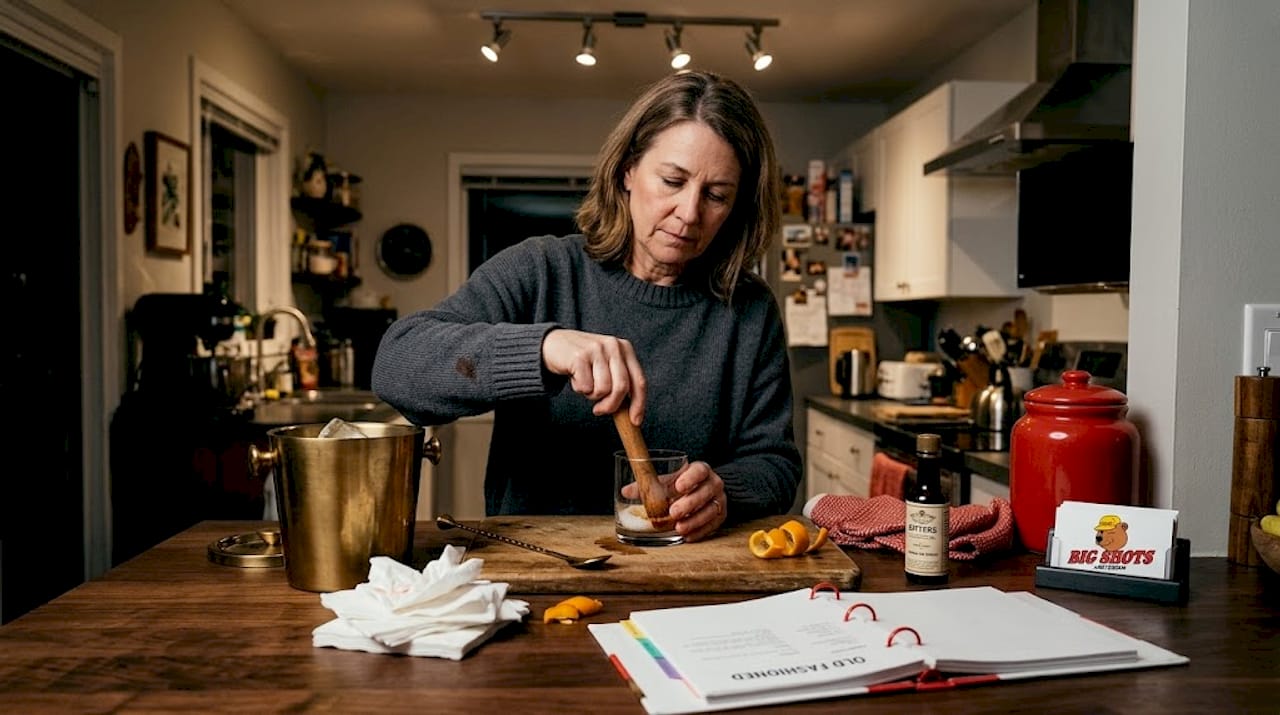
The Martini family is pure elegance. Spirit meets vermouth or another fortified wine, then gets stirred (never shaken, purists will insist) to a silky finish. When you walk into one of the unique bar themes in Amsterdam and see a Martini variation on the menu with infused gin or aged vermouth, you'll recognize the structure immediately.
The Daiquiri/Sour family is arguably the most versatile. It's the gateway family for cocktail exploration because the formula is simple and almost infinitely adaptable. Spirit, fresh citrus, and sugar in balance. Change the spirit from rum to bourbon to tequila, swap lemon for lime, and add or remove an egg white to control texture. Suddenly you have twenty completely different drinks from one template.
Pro Tip: When ordering from the Sour family, ask the bartender if they use a dry shake technique for egg white drinks. This involves shaking without ice first to build foam, then shaking again with ice to chill. The result is a much more impressive, velvety texture. Most top Amsterdam bartenders already do this automatically, but it's a great conversation starter.
The Sidecar family sits at an interesting crossroads. It introduces a liqueur as the sweetener rather than plain sugar, adding a third flavor dimension. This is where the classic cocktail nuance really shines: a Margarita technically fits here because it uses triple sec as its sweetener rather than pure sugar, even though many people group it with Daiquiris by instinct.
The Highball family is the friendliest of all. Spirit over ice, topped with a carbonated mixer. Gin and tonic, whisky and soda, rum and cola. When you check out the Amsterdam bar scene guide, you'll see why Highballs are perennially popular. They're easy to drink, endlessly customizable, and forgiving for bartenders during busy service. The key detail here is always temperature: proper ice volume matters enormously.
The Flip family is the most adventurous. These drinks contain a whole egg, which creates a rich, thick, almost dessert-like mouthfeel. Eggnog is the most famous example most people know. In Amsterdam's more adventurous cocktail bars, you'll find modernized Flip variations made with port, aged rum, or even coffee liqueur.
Classic, contemporary, and local: Amsterdam's must-try cocktails
Now that you know the basics and families, let's zero in on iconic cocktails, both worldwide and uniquely Amsterdam. Having 102 official cocktails on the IBA's 2026 list might feel like a lot, but a focused shortlist makes the experience manageable and genuinely fun.
Here are the must-try picks organized by occasion and style:
- Old Fashioned (The Unforgettables): Start here if you want to taste bourbon or rye at its best. The drink strips away everything unnecessary and lets the spirit speak.
- Margarita (Contemporary Classics): Tequila, lime, triple sec. Perfect for a social evening, endlessly versatile, and crowd-pleasing without being boring.
- Espresso Martini (Contemporary Classics): Amsterdam's café culture makes this a natural fit. Rich, caffeinated, and visually stunning with its foam crown.
- Negroni (The Unforgettables): Equal parts gin, Campari, and sweet vermouth. Bitter, complex, and deeply satisfying for anyone ready to graduate beyond sweeter drinks.
- Naked and Famous (New Era Drinks): Equal parts mezcal, Aperol, yellow Chartreuse, and lime. Smoky, sweet, tart, and herbal all at once. A modern masterpiece.
Beyond the IBA list, Amsterdam has its own signature cocktail culture worth exploring. Dutch Courage, one of the city's most celebrated bars, carries over 150 genevers and builds its entire menu around cocktails that celebrate the local spirit tradition. Genever, the Dutch ancestor of modern gin, has an earthier, maltier character than London dry gin, making it a genuinely different base for classic formats.
Bar TWLV, near the lively Leidseplein area, offers zodiac-inspired signature cocktails that change seasonally and incorporate local Dutch ingredients alongside international spirits. These kinds of creative concepts represent Amsterdam at its most inventive.
For Amsterdam bar hopping enthusiasts, the strategy is simple: pick one classic IBA drink to use as your benchmark for each bar you visit. Order the same Negroni at three different spots and you'll learn more about bartender style and ingredient choices than any article can teach you.
Mixology methods: How technique shapes your cocktail
You've met the cocktails. Now see how the methods behind the bar can transform your drink completely. Two bartenders using identical ingredients can produce dramatically different results depending on technique. That difference is not small.
The four main preparation methods are:
- Shaking: Used for drinks containing citrus juice, dairy, syrups, or egg whites. Shaking vigorously for 10 to 15 seconds creates aeration and froth, while also chilling the drink faster and introducing slightly more dilution through ice contact and agitation. Margaritas, Daiquiris, and Whiskey Sours all need shaking.
- Stirring: Reserved for spirit-forward cocktails with no cloudy ingredients. Stirring for 20 to 30 seconds preserves clarity and creates a silky, controlled texture with gentler dilution. Your Martini or Manhattan should always be stirred.
- Building: The glass becomes the mixing vessel. The bartender pours ingredients directly over ice without transferring them elsewhere. This is critical for Highballs because any excessive agitation kills the carbonation. A properly built Gin and Tonic has a light, effervescent sparkle that a shaken version would completely destroy.
- Blending: Used for frozen drinks where a smooth, icy texture is the entire point. Frozen Margaritas and Piña Coladas belong here. The blender creates a uniform consistency that no other method can replicate.
Pro Tip: When you order at a bar in Amsterdam, don't be afraid to ask your bartender which method they prefer for a specific house cocktail. A good bartender loves that question. It signals you're paying attention, and they'll often explain their reasoning in a way that adds genuine depth to your experience.
"The method is as important as the ingredients. Shaking a Manhattan instead of stirring it doesn't just change the texture, it fundamentally changes the drink."
To enhance your cocktail night, consider pairing technique-forward drinks with the right food. Spirit-forward stirred cocktails like Old Fashioneds pair beautifully with rich, savory dishes. Bright shaken Sours cut through fatty foods with their acidity.
The real secret to discovering your next favorite cocktail
Here's a perspective that most cocktail guides skip entirely: the people who enjoy bars the most are never the ones who memorize the most recipes. They're the ones who understand the logic behind the drinks.
When you focus on families and techniques instead of individual recipes, the entire cocktail world opens up. You stop asking "what's in this?" and start asking "how does this work?" Those are very different questions with very different rewards. Amsterdam's best bartenders don't think in recipes anyway. They think in ratios, flavor relationships, and texture goals. Once you operate on that level, even a cocktail you've never heard of becomes instantly readable.
Flavor, mood, and social setting also matter more than any ingredient list. A smoky Mezcal Negroni hits differently at a dimly lit jazz bar than it does at a beachside kiosk. Amsterdam's authentic drink experiences are built around exactly this idea: that context shapes taste. The right drink in the right setting creates a memory. The wrong drink, even a technically perfect one, falls flat.
Don't get trapped by menu anxiety. Trust the framework, ask a question, and let the bartender guide you from there. The city's cocktail culture rewards curiosity above all else.
Experience Amsterdam's vibrant cocktail scene in person
Knowing your cocktail families and techniques is only the starting point. The real education happens one glass at a time in a bar where the atmosphere, the people, and the craft all come together.
At Big Shots Amsterdam, you can put everything you've learned directly into practice. The venue combines the energy of a sports bar with the craft of a serious cocktail program, all wrapped in a relaxed, welcoming environment that suits solo visitors, couples, and groups equally well. Whether you're in the mood for a classic Old Fashioned, a creative Sour variation, or something entirely new, the bar team here brings both knowledge and genuine enthusiasm to every pour. Stop in, spark a conversation with the bartender, and let Amsterdam's cocktail culture do the rest.
Frequently asked questions
What are the main types of cocktails?
Cocktails are mainly classified either by IBA categories (Unforgettables, Contemporary Classics, New Era Drinks) or by structural ingredient families like Old Fashioned, Martini, and Sour. Both systems help you decode any menu.
How many official IBA cocktails are there in 2026?
The IBA's 2026 list includes exactly 102 official cocktails across its three recognized categories. The list is updated periodically to reflect shifts in global cocktail culture.
Which cocktail techniques should I know when ordering in Amsterdam?
The key preparation methods are shaking, stirring, building, and blending, and each one affects the final flavor, texture, and temperature of your drink in distinct ways.
Where can I try unique Amsterdam cocktails?
You can enjoy genever cocktails at Dutch Courage or zodiac-inspired signature drinks at Bar TWLV, both of which offer experiences you simply can't replicate outside Amsterdam.
Can a single cocktail fit more than one family?
Yes. Some cocktails like the Margarita are hybrid drinks that fit multiple families depending on how you categorize the sweetener, which is part of what makes cocktail classification so engaging to explore.