
TL;DR:
- Ambiance significantly influences guest satisfaction, loyalty, and revenue in Amsterdam's restaurants. Key elements include lighting, music, decor, and layout, which shape behavior and emotional response. These carefully crafted sensory environments reflect the city's rich history and modern design, creating a uniquely layered dining experience.
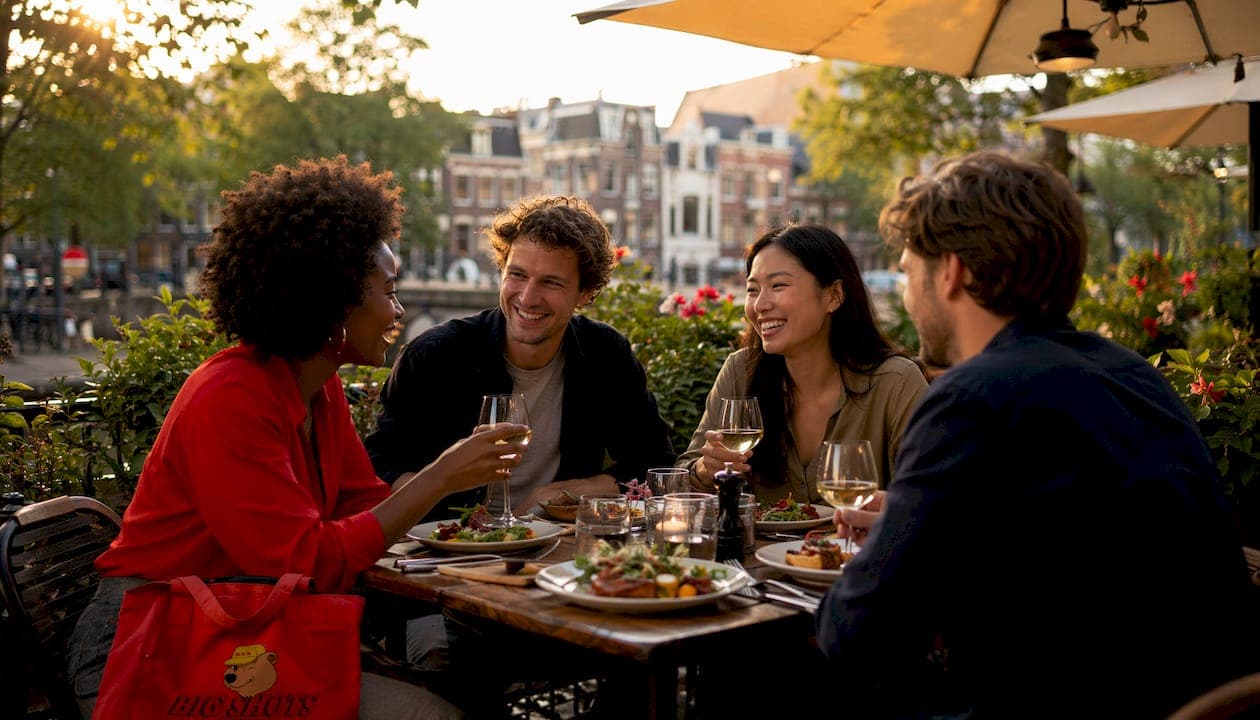
Ambiance is defined as the combined sensory environment that shapes how diners feel, behave, and remember a meal. The role of ambiance in Amsterdam restaurants goes far beyond decoration. 70% of diners report that atmosphere significantly influences their overall dining experience, and 80% are more likely to return to venues with appealing decor. That is not a soft preference. That is a commercial reality. Amsterdam's restaurant scene sits at a unique crossroads of Dutch tradition, global migration, and modern design thinking, making the dining atmosphere in Amsterdam one of the most layered and intentional in Europe.
What are the key sensory elements of restaurant ambiance?
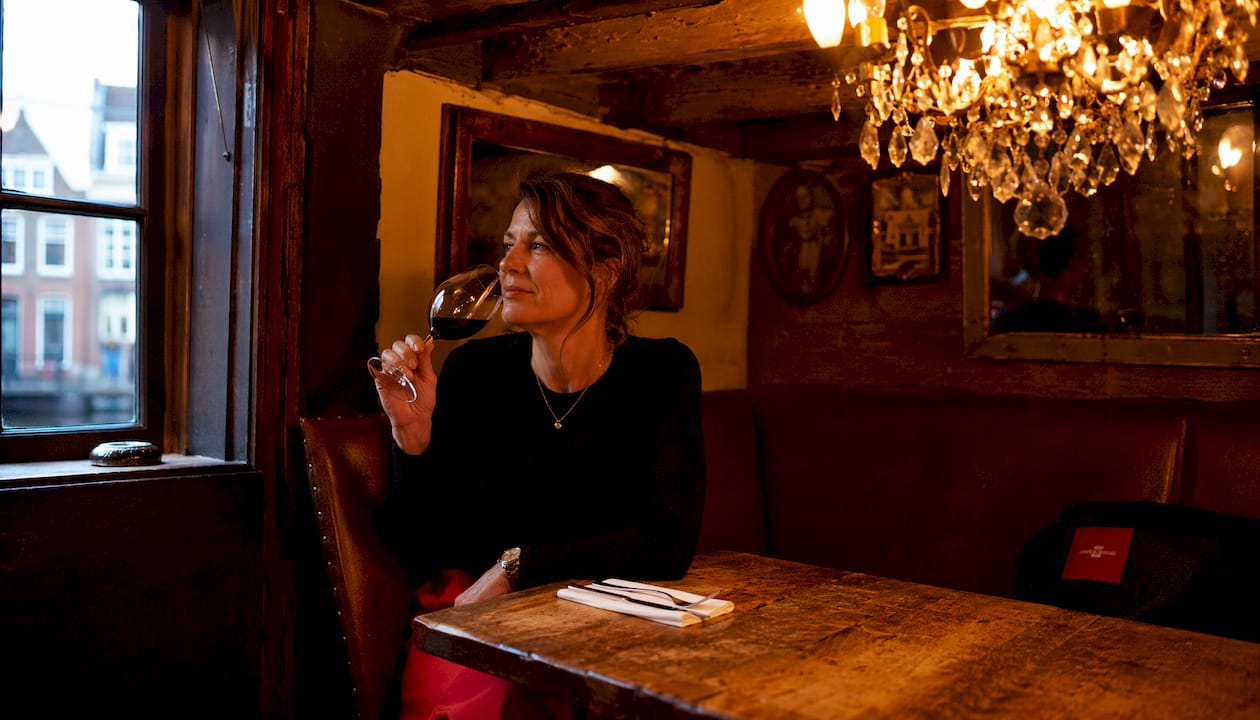
Lighting is the single most powerful tool in a restaurant's sensory toolkit. Warm, dim lighting slows the pace of a meal, signals comfort, and encourages guests to linger. Bright, cool lighting does the opposite. It creates urgency and shortens dwell time. Amsterdam venues that specialize in romantic restaurants or cozy dining experiences rely heavily on warm candlelight and amber tones to shift guests into a relaxed state before the first course arrives.
Music tempo and volume shape behavior in ways most diners never consciously notice. Fast tempo music increases the pace at which people eat and drink. Slower, quieter music extends the meal and raises average spend. Atmospherics like lighting and music are operational levers, not merely decoration. Restaurants that treat them as background noise leave real money on the table.
Decor and materials carry emotional weight. Raw brick, dark wood, and soft textiles signal warmth and authenticity. Glass, steel, and open ceilings signal modernity and energy. The choice of materials tells guests what kind of experience to expect before a single word is spoken. Spatial layout adds another layer. Tight seating creates energy and buzz. Wider spacing creates privacy and calm. The best Amsterdam venues match their layout to their intended emotional tone.
- Lighting: Warm tones promote comfort and longer stays; cool tones create energy and faster turnover.
- Music: Slow tempo extends dwell time; fast tempo accelerates eating pace and table turnover.
- Decor: Materials and textures set emotional expectations before guests sit down.
- Spatial layout: Seating density controls the feeling of intimacy versus social energy.
- Scent: Subtle aromas from open kitchens or fresh flowers prime guests for pleasure before the food arrives.
Pro Tip: If you are evaluating a restaurant for a special occasion, arrive 10 minutes early and sit at the bar. The lighting, sound level, and scent you notice in those first moments are exactly what the venue has engineered to shape your mood.
How does ambiance affect guest behavior and commercial outcomes?
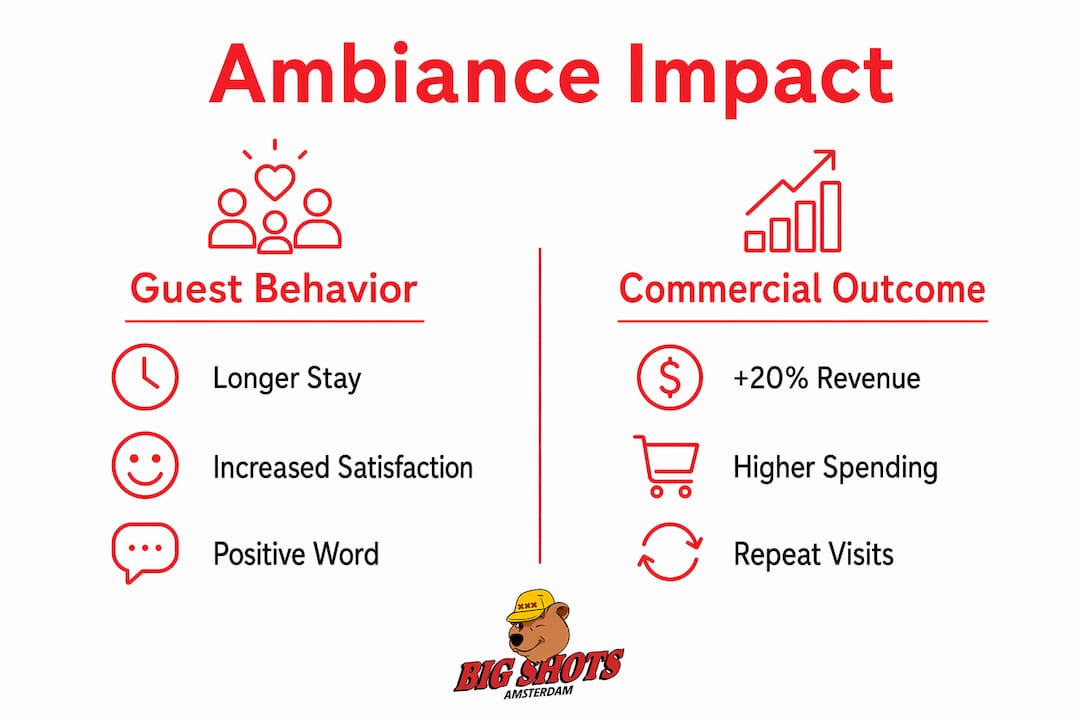
The impact of atmosphere on dining is measurable and direct. Ambiance-led venues can increase total revenue by up to 20% compared to those that do not prioritize their sensory environment. That figure reflects higher average spend, longer dwell time, and stronger repeat visit rates. A well-designed room does not just make guests feel good. It makes them spend more and come back.
Gratification and aesthetics are the top spatial design factors that predict positive word-of-mouth. This means that when a guest feels genuinely pleased by a space, they tell people about it. That organic referral effect is worth more than most paid advertising. Amsterdam's best ambiance restaurants understand this and design for the post-meal conversation, not just the meal itself.
Physical environment attributes, including ambient conditions, spatial layout, and decoration, increase willingness to pay a premium through intrinsic experiential value. Guests do not just tolerate higher prices in beautiful spaces. They expect them. A well-decorated room signals quality and signals that the experience is worth the cost.
| Ambiance element | Guest behavior impact | Commercial outcome |
|---|---|---|
| Warm lighting | Longer dwell time | Higher average spend per visit |
| Slow background music | Relaxed pace, more courses ordered | Increased food and beverage revenue |
| Appealing decor | 80% return rate | Stronger customer loyalty |
| Thoughtful spatial layout | Greater comfort and privacy | Positive word-of-mouth and referrals |
| Cohesive sensory design | Willingness to pay premium prices | Up to 20% revenue increase |
How do Amsterdam restaurants use ambiance strategically?
The most sophisticated Amsterdam venues treat ambiance as a form of storytelling. The experience begins before guests sit down. A hidden entrance, an unexpected interior contrast, or a dramatic shift from street noise to interior calm all prime the guest's emotional state. Well-crafted ambiance creates a storytelling effect that elevates meal perception before the first bite, especially when the exterior and interior design create a deliberate contrast.
"The best restaurant spaces make you forget where you came from the moment you walk through the door. That transition is not accidental. It is the result of deliberate design choices about light, sound, material, and scale working together to reset your mood."
Cafe Caron in Amsterdam Zuid is a direct example of this philosophy in practice. Cafe Caron's ambiance intentionally promotes lingering and relaxed pacing, letting guests feel comfortable without pressure. There is no urgency to turn the table. The lighting, the spacing, and the service rhythm all communicate that guests are welcome to stay. That approach builds loyalty that no loyalty program can replicate.
Restaurant Roux takes a different angle. Restaurant Roux uses layout and seating to create openness with intimacy, fostering guest loyalty through ease and connectedness. Guests feel both seen and comfortable. That balance is difficult to achieve and even harder to copy.
Behavioral engineering through lighting and acoustics manages guest perception of time and softens impatience during busy periods. Adjusting dimming levels and music tempo during a wait reduces the sense of urgency guests feel. This is not manipulation. It is hospitality at its most sophisticated.
- Top Amsterdam venues adjust music tempo and lighting in real time based on the pace of service.
- Hidden or unexpected entrances create a psychological reset that primes guests for a premium experience.
- Seating arrangements are calibrated to the venue's emotional goal, whether that is romance, energy, or community.
Pro Tip: When you visit a new restaurant in Amsterdam, pay attention to how the room sounds at full capacity. A venue that sounds lively but not loud has invested in acoustic design. That investment almost always signals the same care in the kitchen.
For a deeper look at how these principles apply across the city, the ambiance trends in Amsterdam guide covers what is shaping the scene right now in 2026.
What cultural factors shape ambiance in Amsterdam's restaurant scene?
Amsterdam's food culture is a direct product of its history as a maritime trading city. Centuries of contact with Indonesian, Surinamese, Turkish, and Moroccan communities have layered the city's palate and its design sensibility. Restaurants in Amsterdam do not just serve food from these traditions. They absorb their aesthetic languages too, blending them with Dutch minimalism and canal-house architecture.
- Maritime heritage: Amsterdam's trading history brought global ingredients and design influences into the city's hospitality culture, creating a natural appetite for the unfamiliar.
- Neighborhood identity: The Jordaan district, with its narrow streets and historic brown cafes, sets a specific ambiance expectation. Venues there lean into warmth, intimacy, and a sense of history. A sleek modern interior in the Jordaan reads as out of place.
- Dutch design tradition: Dutch design favors function, honesty of materials, and restraint. Amsterdam restaurants that align with this tradition use natural materials, clean lines, and deliberate lighting rather than ornate decoration.
- Social hospitality norms: Dutch dining culture values conversation and time at the table. Venues that respect this by avoiding rushed service and providing comfortable seating align with local expectations and earn repeat visits.
Amsterdam's blend of tradition and modernity gives its restaurant scene a distinct character. A venue can sit inside a 17th-century canal house and serve contemporary cuisine without any sense of contradiction. That layering is part of what makes creating restaurant mood in Amsterdam a genuinely creative act. The city's history is always present in the walls, and the best venues use that presence rather than fight it.
The culinary experience framework developed by hospitality researchers confirms that the most memorable dining experiences combine physical environment, cultural context, and service into a single coherent narrative. Amsterdam does this better than most cities because the raw material, its architecture, its diversity, and its design culture, is already there.
Key Takeaways
Ambiance is the primary driver of dining satisfaction in Amsterdam, shaping guest behavior, loyalty, and willingness to pay before a single dish arrives.
| Point | Details |
|---|---|
| Sensory elements drive behavior | Lighting, music, and layout directly control dwell time, spend, and guest comfort. |
| Ambiance has measurable revenue impact | Venues that prioritize atmosphere can increase revenue by up to 20%. |
| Gratification predicts word-of-mouth | Guests who feel genuinely pleased by a space tell others, creating organic referrals. |
| Cultural context shapes design | Amsterdam's history and neighborhood identity make ambiance choices deeply local. |
| Storytelling starts at the door | The transition from street to interior is the first and most powerful ambiance moment. |
Why ambiance in Amsterdam hits differently
I have eaten in a lot of cities. Paris, Tokyo, New York, Copenhagen. Each has a restaurant culture worth studying. But Amsterdam does something specific that I have not seen replicated cleanly anywhere else. It layers time. You sit inside a building that is 300 years old, under exposed beams, next to a canal window, and the food on the plate is entirely contemporary. The room does not apologize for the contrast. It uses it.
What I have noticed is that the best Amsterdam venues do not design ambiance for Instagram. They design it for the person sitting across the table from you. The lighting is warm enough that you look good. The music is quiet enough that you can hear each other. The spacing is generous enough that you feel private. These are not accidents. They are choices made by people who understand that a meal is a social act, not just a consumption event.
The mistake I see food enthusiasts make is treating ambiance as a bonus. Something nice if it happens to be there. The research and the real-world examples from venues like Cafe Caron and Restaurant Roux make it clear that atmosphere is the frame around the painting. Get the frame wrong and the painting suffers, no matter how good it is. Seek out venues that have thought carefully about how you will feel the moment you walk in. That intentionality almost always extends to the kitchen.
— Leo
Where to experience intentional ambiance in Amsterdam
Amsterdam rewards diners who seek out venues that treat atmosphere as seriously as the menu. Bigshotsamsterdam is one of those venues. It combines a restaurant, sports bar, shisha lounge, and café under one roof, with an atmosphere calibrated for everything from a relaxed weekday dinner to a lively night out with friends.
The space at Bigshotsamsterdam is designed to shift with the occasion. Craft cocktails, gourmet dishes, and a seductive ambiance make it a strong choice whether you are planning a romantic evening or a casual gathering. The venue's approach to hospitality reflects exactly what the research confirms: when the room feels right, the whole experience rises. Check out the restaurant atmosphere guide to understand what to look for before you book your next Amsterdam dinner.
FAQ
Why does ambiance matter so much in Amsterdam restaurants?
Ambiance shapes the emotional and sensory experience of a meal before the food even arrives. In Amsterdam, where dining is a social ritual, the atmosphere of a venue directly influences satisfaction, loyalty, and how much guests are willing to spend.
What sensory elements most affect the dining atmosphere in Amsterdam?
Lighting, music tempo, decor materials, and spatial layout are the four most influential elements. Warm lighting and slow music consistently produce longer dwell times and higher average spend per guest.
Can ambiance actually increase a restaurant's revenue?
Ambiance-led venues can increase total revenue by up to 20% compared to those that do not prioritize their sensory environment. That gain comes from longer stays, higher average spend, and stronger repeat visit rates.
How do Amsterdam restaurants create a cozy dining experience?
The best cozy dining experiences in Amsterdam combine warm lighting, natural materials like wood and brick, intimate seating arrangements, and a service pace that never rushes the guest. Venues in neighborhoods like the Jordaan lean into this approach most consistently.
What makes Amsterdam's dining atmosphere unique compared to other cities?
Amsterdam's canal-house architecture, multicultural food history, and Dutch design tradition create a layered ambiance that blends historical depth with contemporary creativity. That combination is difficult to replicate and is a core part of what makes dining in the city memorable.