
TL;DR:
- A successful sports night depends on a clear viewing setup, easy-to-eat finger foods, lively entertainment, and well-organized logistics. Prioritizing good sightlines and sound enhances guest enjoyment, while food and games should complement the match without disrupting viewing. Planning zones, testing technology, and offering self-serve drinks create a smooth, memorable experience for all attendees.
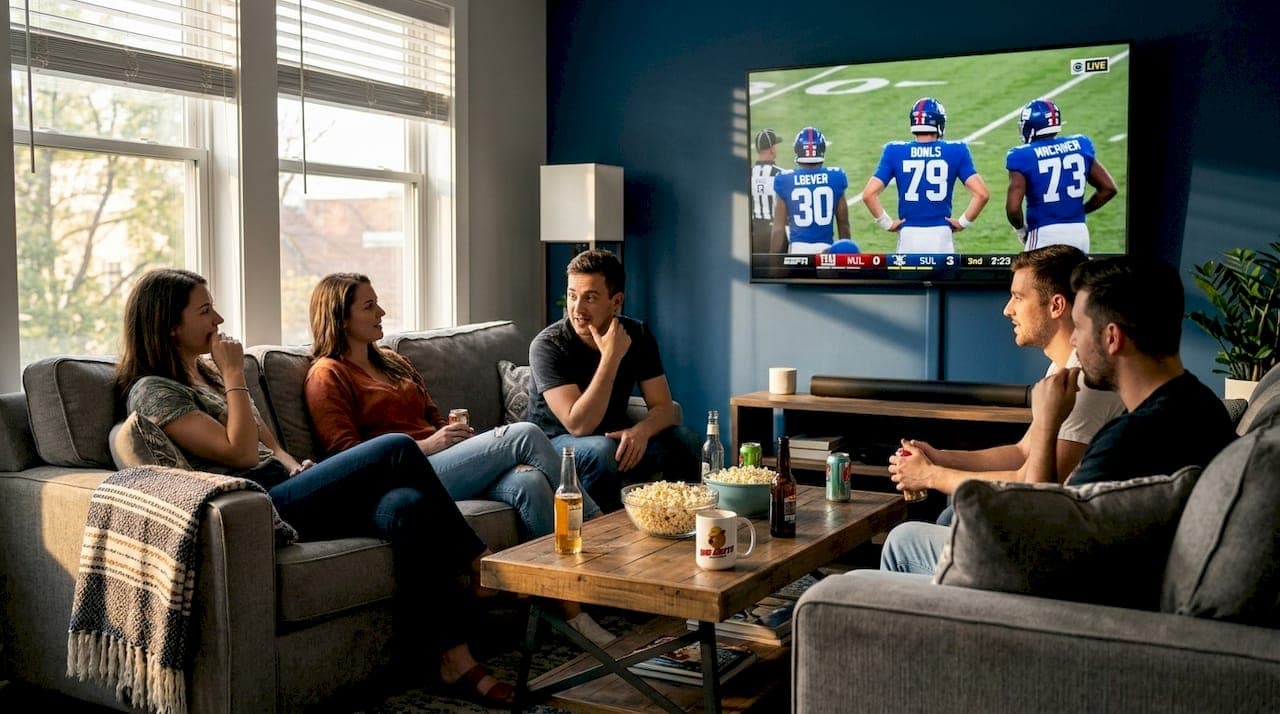
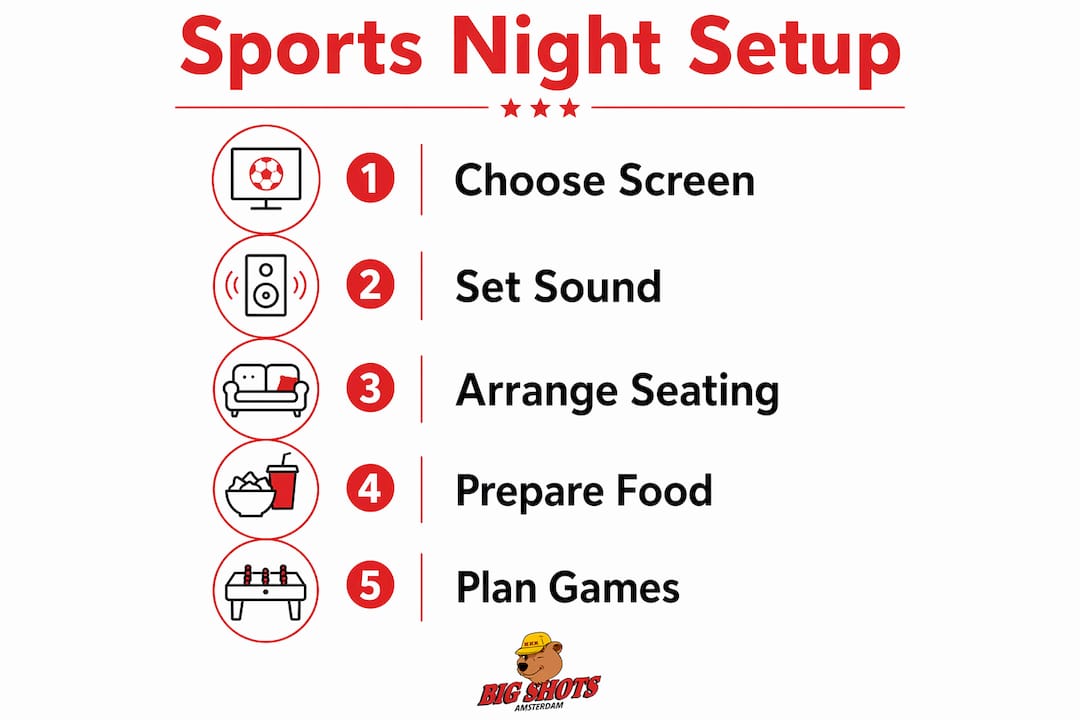
A successful sports night is defined by three things: a clear viewing setup, food guests can eat without missing a play, and enough interactive energy to keep the room alive between whistles. Knowing how to host sports night well means planning your space, food, drinks, and entertainment before the first guest arrives. Skip any one of those four elements and the event feels flat. Nail all four and you have a night people talk about until the next game. This guide covers every step, from projector placement to trivia timing, so you can host with confidence.
How to set up the perfect viewing arrangement
Most sports night failures come from poor sight and sound setups, not from bad food or weak entertainment. That single fact should drive every decision you make about your space. Get the screen and audio right first. Everything else is secondary.
Screen size and placement
Your screen needs to be large enough for the back row to read jersey numbers without squinting. A 65-inch TV works for groups up to 12. For larger crowds, rent or borrow a projector and throw the image onto a white wall or pull-down screen. Large TV or projector placement should center on the room's natural focal point, with no windows directly behind the screen causing glare. Test the image in the actual lighting conditions you plan to use before guests arrive.
Sound and seating zones
Many hosts underestimate sound clarity. Commentary volume and dialogue clarity affect overall enjoyment more than raw loudness, so a soundbar or basic surround sound setup beats cranking a TV's built-in speakers to maximum. Position speakers so the sound reaches the back of the room evenly.
Plan your seating in zones rather than one uniform arrangement:
- Front row: Chairs or floor cushions for the most invested viewers
- Couch zone: Central seating for the majority of guests
- Standing area: Near the back or sides for guests who move around
- Kids or casual zone: Off to one side with lower-stakes seating
A functional zone system for seating and socializing improves guest experience and accommodates diverse preferences in a single room.
Pro Tip: Place your food and drink tables in a separate zone from the viewing area. Guests walking to refill drinks should not cross the sightlines of seated viewers. This one change eliminates most traffic bottlenecks.
For outdoor setups, prepare patio heaters, blankets, and lighting in advance. Outdoor events require contingency plans for rain, wind, and temperature drops. Test your streaming app and Wi-Fi signal path days before the event, and keep a mobile hotspot as a backup. A dead stream at kickoff is the one failure no amount of good food can fix.
What foods and drinks work best for sports night
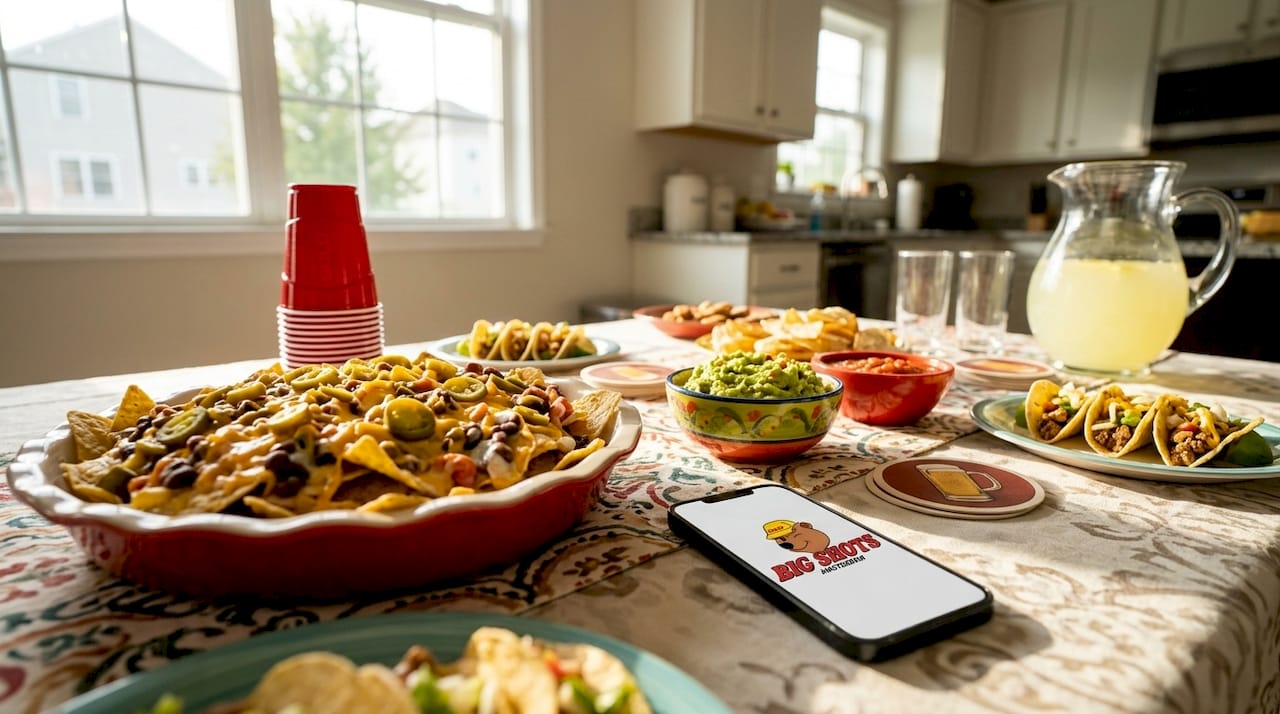
The best snacks for sports night follow one rule: guests should be able to eat with one hand while keeping their eyes on the screen. One-hand convenience foods like pizza slices, sliders, mini sandwiches, spring rolls, and small quiches consistently outperform fork-and-knife dishes at watch parties. Greasy or crumbly foods create cleanup problems and distract from the game. Keep it simple and portable.
Staging food across the event
Timing your food like a game plan keeps energy steady throughout the night:
- Pre-game (30 minutes before kickoff): Light grazing foods. Chips and dips, veggie trays, mixed nuts. Guests are arriving and socializing, not yet settled.
- Halftime: Your hot items. Sliders, wings, pizza, or anything that benefits from being served warm. This is the natural break when guests want something substantial.
- Late game: Light snacks only. Popcorn, pretzels, or fruit. Guests are focused on the result and heavy food at this stage slows everyone down.
Pro Tip: Set out multiple small bowls of dips rather than one large bowl. Guests spread out to access them, which prevents crowding at one spot and keeps snacks accessible from multiple seating zones.
Setting up a self-serve bar
A simple bar system with ice, batched cocktails, water stations, cups, and trash zones keeps you out of the kitchen and lets guests serve themselves. Prebatch signature cocktails in dispensers so no one is waiting for you to mix drinks during a key play. Keep mixers cold separately and place a dedicated hydration station with water and non-alcoholic options away from the alcohol. Prebatched cocktails and separated hydration stations reduce guest wait times and bar congestion significantly. Always include at least two non-alcoholic options. Not every guest drinks, and themed mocktails tied to the sport or competing teams are a low-effort crowd pleaser.
How to add games and interactive entertainment
Interactive entertainment is what separates a watch party from a truly memorable sports night. The key is timing activities around the game rather than competing with it. Pre-kickoff, halftime, and post-game are your three windows. Use them deliberately.
Running a sports trivia round
Sports trivia works best when it is structured around 4 to 5 rounds with 25 to 35 questions total, running 60 to 90 minutes. That structure keeps energy high without dragging the event. Before you start, explain rounds, set time limits, establish phone rules, and clarify scoring. Pacing and clear instructions distinguish fun trivia nights from frustrating ones. Awkward silences and disputes over rules kill the mood faster than any bad question.
Mix question difficulty across rounds: easy openers, medium mid-rounds, and one or two genuinely hard questions per round to create drama. Use a free scoreboard tool like Maketheboard or a simple whiteboard to keep scoring fast and transparent. Fast, transparent scorekeeping with planned breaks for grading keeps energy high and prevents attention loss between rounds.
Sweepstakes and prediction games
| Game type | Best for | Setup effort | Guest engagement |
|---|---|---|---|
| Sports trivia | Knowledgeable fans | Medium | High during breaks |
| World Cup sweepstake | Tournament events | Low | High throughout event |
| Prediction cards | Any sport | Very low | Moderate, easy to join |
| Best dressed fan vote | Theme nights | Very low | Light, social |
A World Cup-style sweepstake assigns teams randomly, collects small entry fees, and pays out a prize pot to whoever draws the winning team. For a 2026 World Cup watch party, up to 48 entrants can participate, one per team. It costs nothing to run and gives every guest a stake in the result from minute one.
Prediction cards are even simpler. Print or write five questions before the game: first scorer, final score, number of corners, first substitution, and man of the match. Guests fill them in before kickoff and compare at the end. No prizes needed. The competition itself is the entertainment.
Pro Tip: Do not force entertainment on guests who prefer to just watch and chat. Read the room. If energy is high and the game is close, skip the trivia round and let the sport carry the night. Games should add to the atmosphere, not interrupt it.
Coordinating game timing with match progress makes trivia and contests feel integrated rather than intrusive. Pre-kickoff is for sweepstake draws and prediction cards. Halftime is for trivia. Post-game is for results, prizes, and winding down.
How to manage logistics for a smooth event
Good logistics are invisible. Guests notice bad logistics immediately: nowhere to put their trash, a food table blocking the screen, or a stream that buffers at the worst possible moment. Planning these details in advance takes 30 minutes and saves hours of stress on the night.
Set up designated zones before guests arrive:
- Food zone: Away from the screen, with plates, napkins, and serving utensils ready
- Drinks zone: Separate from food, with ice, cups, and trash bins within arm's reach
- Viewing zone: Clear sightlines, no furniture blocking the screen
- Trash zone: At least two bins near food and drinks, emptied at halftime
Use warm, low lighting to create atmosphere without creating glare on the screen. Avoid placing lamps or string lights directly behind or beside the TV. Avoid snack tables competing with TV sightlines, and use lidded cups and accessible trash cans to minimize mess near the viewing area.
Send guests a message 24 hours before the event with arrival time, food and drink details, and any theme or dress code. Guests who know what to expect arrive on time and in the right mood. Test all technology, including your streaming app, HDMI connections, and internet speed, at least two hours before kickoff. Test apps and Wi-Fi signal paths days in advance for outdoor events and prepare backup hotspots and power sources.
Pro Tip: Build a pre-game playlist that runs from guest arrival until kickoff, and a post-game playlist for winding down. Music fills the silence during setup and signals to guests that the night is transitioning without you having to announce it.
Key takeaways
Hosting a great sports night requires getting the viewing setup right first, then building food, drinks, and entertainment around it.
| Point | Details |
|---|---|
| Prioritize screen and sound | Clear sightlines and good audio matter more than decor or games. |
| Use the one-hand food rule | Finger foods like sliders, pizza, and spring rolls keep guests focused on the game. |
| Stage food and drinks by timing | Pre-game grazing, halftime hot items, and a self-serve bar reduce hosting stress. |
| Time games around the match | Place trivia at halftime and sweepstakes at kickoff to keep activities integrated. |
| Plan zones and logistics early | Separate food, drinks, and viewing areas to prevent traffic jams and mess. |
What I've learned from hosting sports nights that actually work
The biggest mistake I see hosts make is spending two hours on decorations and 10 minutes testing the stream. I have been at watch parties where the projector failed at kickoff and no one had a backup plan. The room deflates instantly. Tech testing is not optional. Do it the day before and again two hours before guests arrive.
The second thing I have learned is that guest comfort beats elaborate setups every time. A couch with a clear view of a 55-inch TV beats a fancy projector setup where half the room has a bad angle. I would rather have six people genuinely comfortable than 20 people craning their necks.
On entertainment: I used to over-program sports nights with trivia, sweepstakes, and prediction games all in one event. Now I pick one or two activities maximum and read the room. If the game is close and the energy is high, I skip the trivia entirely. The sport is the entertainment. Everything else is just support.
The detail that consistently gets the most positive feedback is the self-serve bar. When guests can refill their own drinks without asking you, the whole dynamic shifts. You stop being a server and start being a host. That one change makes the night more enjoyable for everyone, including you.
For anyone thinking about hosting events at a sports bar rather than at home, the logistics become significantly easier. The screens, sound, and bar are already set up. You just bring the people.
— Leo
Experience sports night at Bigshotsamsterdam
If organizing every detail at home sounds like more work than fun, Bigshotsamsterdam in Amsterdam takes care of the hard part for you.
Bigshotsamsterdam combines a sports bar, café, and restaurant in one venue, with multiple screens, quality sound, and a full food and drinks menu built for group events. Whether you are planning a casual watch party or a larger celebration, the sports bar atmosphere at Bigshotsamsterdam delivers everything this guide covers without the setup stress. Book your group at Big Shots Amsterdam and show up ready to enjoy the game.
FAQ
How do I set up the best viewing area for sports night?
Place your TV or projector at the room's natural focal point with no light sources behind the screen. Add a soundbar for clear commentary and arrange seating in zones: front chairs, central couches, and a standing area at the back.
What are the best snacks for sports night?
Finger foods that follow the one-hand rule work best: pizza slices, sliders, mini sandwiches, and spring rolls. Stage food across the event with light grazing before kickoff, hot items at halftime, and light snacks in the final stretch.
How do you run a sports trivia night at home?
Structure trivia around 4 to 5 rounds with 25 to 35 questions total, running 60 to 90 minutes. Explain rules, time limits, and scoring before you start, and time rounds to halftime so trivia does not compete with the game.
What interactive games work well for a sports watch party?
A World Cup-style sweepstake, prediction cards, and a best-dressed fan vote are low-effort options that work for any sport. Run sweepstakes and prediction cards before kickoff and save trivia for halftime.
How early should I test my streaming setup?
Test your streaming app, internet connection, and all HDMI or audio connections at least two hours before kickoff. For outdoor events, test Wi-Fi signal paths the day before and keep a mobile hotspot as a backup.