
TL;DR:
- Effective group dining relies on planning purpose, guest count, and dietary needs before choosing venue or menu options. Proper coordination ensures smooth logistics, inclusive menus, and fair payment arrangements, making the event enjoyable for all. Building strong communication with the restaurant and proactive organization enhances the overall experience and minimizes stress.
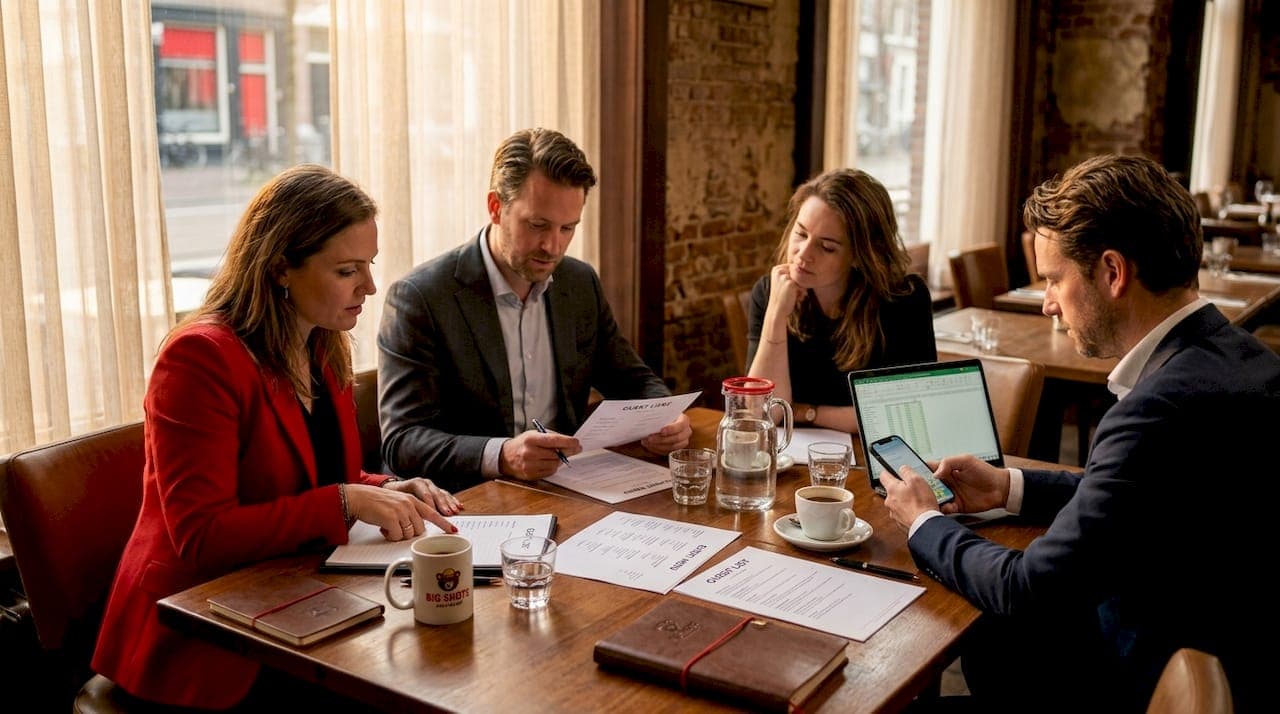
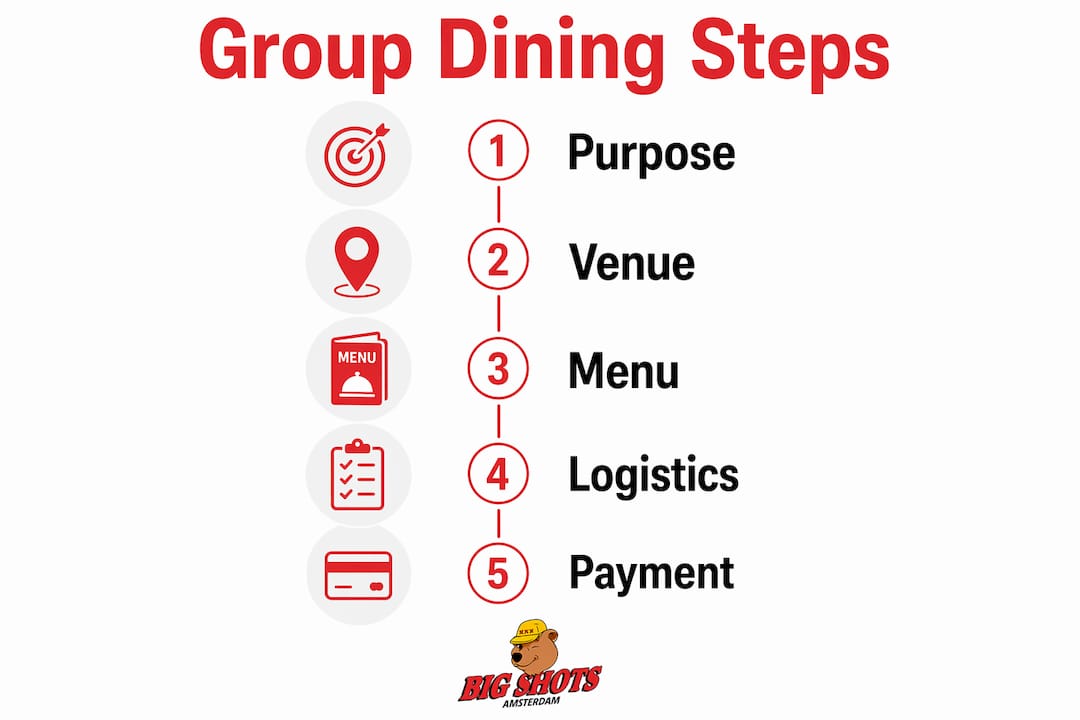
Successful group dining is defined by five coordinated decisions: purpose, venue, menu, logistics, and payment. Get all five right and the meal runs itself. Miss even one and you're managing chaos at the table instead of enjoying the company. Whether you're organizing a birthday dinner for 12, a corporate team meal, or a casual friends' night out, knowing how to plan group dining from the start saves time, money, and stress. Purpose-first planning prevents mismatched venue and menu choices before they happen, which is the single most common mistake groups make.
How to plan group dining: start with purpose and your guest list
The event's purpose is the fastest decision-making tool you have. A networking dinner calls for round tables, a prix-fixe menu, and a quieter venue. A birthday celebration calls for something louder, more flexible, and probably family-style sharing plates. Defining the event's purpose guides every downstream decision, from the neighborhood you search in to the seating chart you draw up.
Guest count comes second, and it needs to be firm before you book anything. Restaurants price private dining rooms differently for 15 guests versus 30. Your food budget per person shifts when you go from a table of 8 to a table of 25. Lock in a realistic headcount early, even if it means sending a quick RSVP poll through Google Forms or a group chat.
Dietary restrictions deserve their own step in the planning process. Collecting this information late creates last-minute scrambles with kitchen staff. Use a short survey or RSVP form to gather restrictions upfront, then convert responses into a clean summary you hand directly to the restaurant. Structured dietary collection helps caterers and chefs deliver appropriate meals without confusion on the day.
- Identify the event type: celebration, corporate, casual, or milestone
- Set a firm RSVP deadline at least one week before the reservation
- Group guests strategically: mix personalities to spark conversation
- Collect dietary restrictions in writing, not verbally
Pro Tip: Send a two-question RSVP form: one for attendance confirmation and one for dietary needs. Combining both into a single step doubles your response rate and gives you cleaner data for the restaurant.
What to look for when choosing a restaurant for groups
Venue selection is where most group dining plans succeed or fail. The right restaurant for a party of 8 is rarely the right restaurant for a party of 40. Large groups exceeding 40 guests require venues with private rooms or sufficient layout space for comfort and real conversation. A cramped dining room with no acoustic separation turns a celebration into an endurance test.
Evaluate four things before committing to any venue: capacity, layout, privacy, and accessibility. Capacity is obvious, but layout matters just as much. A long rectangular room seats 30 people but makes conversation across the table nearly impossible. A venue with a dedicated private dining area or a semi-private section solves both problems at once. Accessibility covers parking, public transit proximity, and whether the space accommodates guests with mobility needs.
Timing your reservation correctly is as important as choosing the right venue. Early reservations for group dining events, especially on weekends and holidays, increase your access to the best tables and more attentive service. Most restaurants require at least 48 to 72 hours notice for groups of 10 or more. For groups of 20 or above, two weeks' notice is the practical minimum.
- Confirm the venue has experience with large group bookings
- Ask whether a private or semi-private room is available
- Verify the venue's policy on outside decorations or custom menus
- Confirm accessibility for all guests before finalizing
Pro Tip: When you call to reserve, ask specifically: "Do you have experience with groups of our size?" Restaurants that handle large groups regularly will answer confidently and offer a dedicated point of contact. Those that hesitate are telling you something.
How to build a menu that works for every guest
Menu planning for groups requires two things working together: variety and structure. Variety means covering the dietary spectrum. Structure means choosing a format that actually works at scale. Inclusive menus with vegetarian, vegan, gluten-free, and allergy-friendly options improve overall satisfaction and reduce the awkward moment where one guest stares at a menu with nothing they can eat.
The format you choose shapes the entire dining experience. Family-style and shared-course menus are the most effective for groups because they reduce individual wait times and create a social atmosphere around the table. Shared-course menus reduce wait times and simplify service management for kitchen staff. A set menu with two or three options per course is the second-best choice, giving guests some autonomy while keeping the kitchen's workload predictable.
Food quantity is where planners consistently underestimate or overorder. The general rule for buffet-style meals is 1 to 1.25 pounds of total food per person, with protein servings averaging around 3 ounces per serving. That number shifts when guests are sampling multiple dishes in smaller portions rather than eating a single plated meal. Buffet-style quantity planning must account for the sampling effect, where people take less of each dish but try more dishes overall.
| Menu format | Best for | Key benefit |
|---|---|---|
| Family-style sharing | Casual groups, celebrations | Encourages conversation, reduces wait time |
| Set menu (2-3 options per course) | Corporate dinners, formal events | Predictable service, easier for kitchen |
| Buffet | Large groups, mixed dietary needs | Maximum flexibility, self-paced |
| À la carte | Small groups under 10 | Full individual choice, slower service |
Pro Tip: Ask the restaurant for a pre-set group menu rather than ordering à la carte. Most venues offer this for groups of 10 or more, and it cuts service time by 30 to 40 percent while making the kitchen's job significantly easier.
What logistics and seating arrangements keep things running smoothly
Seating layout is a decision most planners leave to the restaurant, and that's usually a mistake. Round tables work best for groups where conversation across the whole table matters, such as team dinners or intimate celebrations. Long rectangular tables work better for larger groups where sub-conversations are expected and the goal is shared presence rather than a single group discussion.
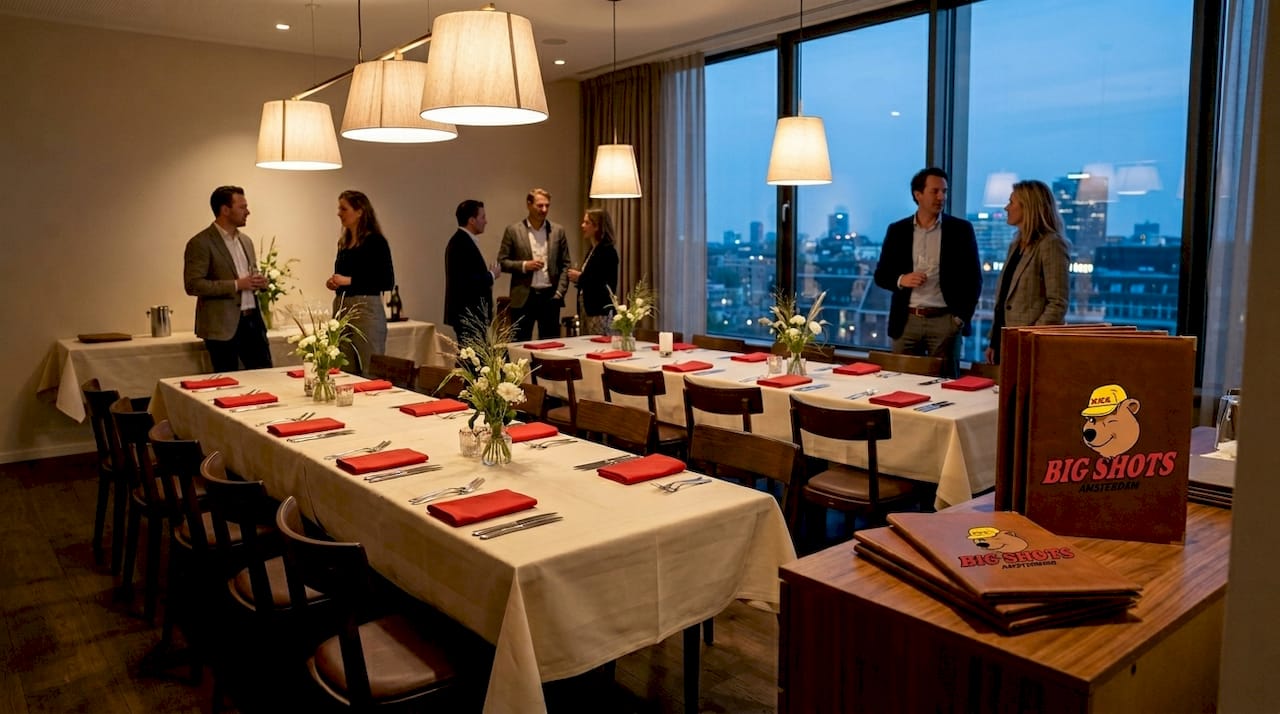
A clear timeline keeps the event on track without making guests feel rushed. Corporate team dinners benefit from a 2 to 3 hour dining timeline that balances personal time with meaningful social interaction. Build in a 15-minute arrival buffer before the first course, schedule a natural break between the main course and dessert, and if there are speeches or presentations, place them after the main course when energy is still high.
Arriving on time for reservations and letting restaurant staff manage the seating setup is non-negotiable. Guests who rearrange tables themselves disrupt the service flow the kitchen has planned around. Treating the restaurant's seating protocols as fixed keeps service quality high for your entire group.
- Assign a point person to greet guests and manage arrivals
- Confirm the seating plan with the venue 24 hours before the event
- For groups over 40, designate multiple hosts to manage guest flow and communication
- Build a 15-minute buffer into your arrival time to account for late guests
How to handle payment and keep the bill stress-free
Payment is the part of group dining that most people dread, and it's almost always because no one addressed it before sitting down. The fix is simple: ask for separate checks at the start of the meal and designate one person to manage the math if separate checks aren't possible. Both decisions take 30 seconds at the beginning and save 20 minutes of awkward calculation at the end.
Apps like Splitwise or Venmo make post-dinner splitting fast and transparent. If the group is splitting evenly, communicate that expectation before the meal so no one orders a $60 steak assuming they'll only pay for what they ordered. Comprehensive budgeting should include food, drinks, service fees, taxes, and a buffer for surprises, not just the food total.
- Decide on the payment method before the meal, not during
- Inform the restaurant of your payment preference when you make the reservation
- Collect cash or digital payments from guests before the check arrives
- Always tip on the pre-discount total, and factor gratuity into your per-person estimate upfront
Key takeaways
Effective group dining planning requires locking in purpose, guest count, and dietary needs before any venue or menu decisions are made.
| Point | Details |
|---|---|
| Purpose drives every decision | Define the event type first; it determines venue, menu format, and seating layout. |
| Reserve early and ask the right questions | Book at least two weeks out for groups over 20 and confirm the venue's group experience. |
| Build an inclusive, structured menu | Use shared-course or set menus and collect dietary restrictions in writing before the event. |
| Manage logistics proactively | Assign a point person, confirm seating 24 hours ahead, and respect restaurant protocols. |
| Solve payment before it becomes a problem | Request separate checks at the start and use apps like Splitwise to keep splits transparent. |
What I've learned from planning group meals that actually work
The biggest mistake I see groups make is treating the restaurant as a passive backdrop. The best group dining experiences I've been part of treated the restaurant as a partner. That means calling ahead, sharing the dietary list, confirming the timeline, and tipping generously. When the kitchen knows what's coming, the food comes out better and faster.
The second thing I'd push back on is the instinct to over-plan the social side. You don't need icebreaker activities or a rigid agenda for a dinner. What you need is a table layout that makes conversation easy, a menu that doesn't require 20 minutes of deliberation, and a payment plan that doesn't end the night on a sour note. Get those three things right and the social magic takes care of itself.
I've also found that dining out with friends is most memorable when the venue has genuine personality. A restaurant that's just a room with tables rarely creates the kind of atmosphere that makes people want to stay for another round. Look for venues where the space itself contributes to the experience.
One last thing: flexibility is not a backup plan. Build it into the primary plan. Someone will be late. Someone will have a dietary need they forgot to mention. The group will want to stay longer than you booked. Plan for all of it, and you'll spend the evening enjoying the meal instead of managing it.
— Leo
Plan your next group meal at Bigshotsamsterdam
Bigshotsamsterdam is built for exactly the kind of group dining experience this guide describes. The venue combines a restaurant, sports bar, shisha lounge, and café under one roof in Amsterdam, with flexible seating that adapts to groups of all sizes. Whether you're planning a casual friends' dinner, a team night out, or a celebration with a crowd, the space handles the logistics so you don't have to. The menu covers everything from gourmet steaks to sharing plates, with options that work across dietary preferences. Visit Bigshotsamsterdam to explore the menu, check availability, and book your group reservation directly online. For more on hosting events at a sports bar in Amsterdam, the blog has you covered.
FAQ
How far in advance should you reserve a table for a large group?
For groups of 10 to 20, book at least 48 to 72 hours in advance. For groups over 20, two weeks' notice is the practical minimum, especially for weekend or holiday dining.
What is the best menu format for group dining?
Family-style shared courses are the most effective format for groups. They reduce individual wait times, simplify kitchen service, and create a more social atmosphere at the table.
How do you collect dietary restrictions from a large group?
Send a short written survey or RSVP form before the event and convert the responses into a clean summary for the restaurant. Structured dietary collection helps kitchen staff deliver appropriate meals without last-minute confusion.
What is the easiest way to split the bill for a group dinner?
Ask for separate checks at the start of the meal. If the restaurant can't accommodate that, designate one person to manage the split and use an app like Splitwise or Venmo to collect payments before the check arrives.
How much food should you plan per person for a group buffet?
Plan approximately 1 to 1.25 pounds of total food per person for buffet-style meals. Adjust downward slightly when guests will be sampling multiple dishes in smaller portions rather than taking full servings of each.