
TL;DR:
- Atmosphere significantly influences guest comfort, duration, and spending in restaurants.
- Key elements include lighting, sound, space, color, and cleanliness, all working cohesively.
- Cleanliness is the most critical factor for customer satisfaction and repeat visits.
You can swap chefs, redesign the menu, and reprice every dish, but if the room feels wrong, guests will not come back. That is the quiet truth most people miss when they think about what makes a restaurant memorable. Restaurant atmosphere is a multi-sensory designed system that shapes how satisfied you feel, how long you stay, and how much you spend, all through sight, sound, smell, touch, and taste working together. In Amsterdam's most magnetic dining spots, this system is never an accident. Understanding how it works will change the way you choose where to eat, drink, and hang out tonight.
Table of Contents
- Why atmosphere is the secret sauce of memorable dining
- The core elements: Lighting, sound, space, color, and cleanliness
- Designing for vibrancy: Amsterdam's playbook for social hangouts
- Finding your ideal spot: What to look for in Amsterdam's dining and sports scene
- A fresh perspective: Vibrancy is intentional, not accidental
- Experience Amsterdam's most vibrant atmosphere for yourself
- Frequently asked questions
Key Takeaways
| Point | Details |
|---|---|
| Atmosphere drives experience | A restaurant’s atmosphere shapes satisfaction and social buzz as much as the menu. |
| Lighting and music matter | Lighting and sound choices set the pace, mood, and energy in any venue. |
| Cleanliness is non-negotiable | A clean environment impacts guest comfort and loyalty more than you might think. |
| Choose by cues | Look for lighting, seating, and crowd energy to find your ideal Amsterdam spot. |
Why atmosphere is the secret sauce of memorable dining
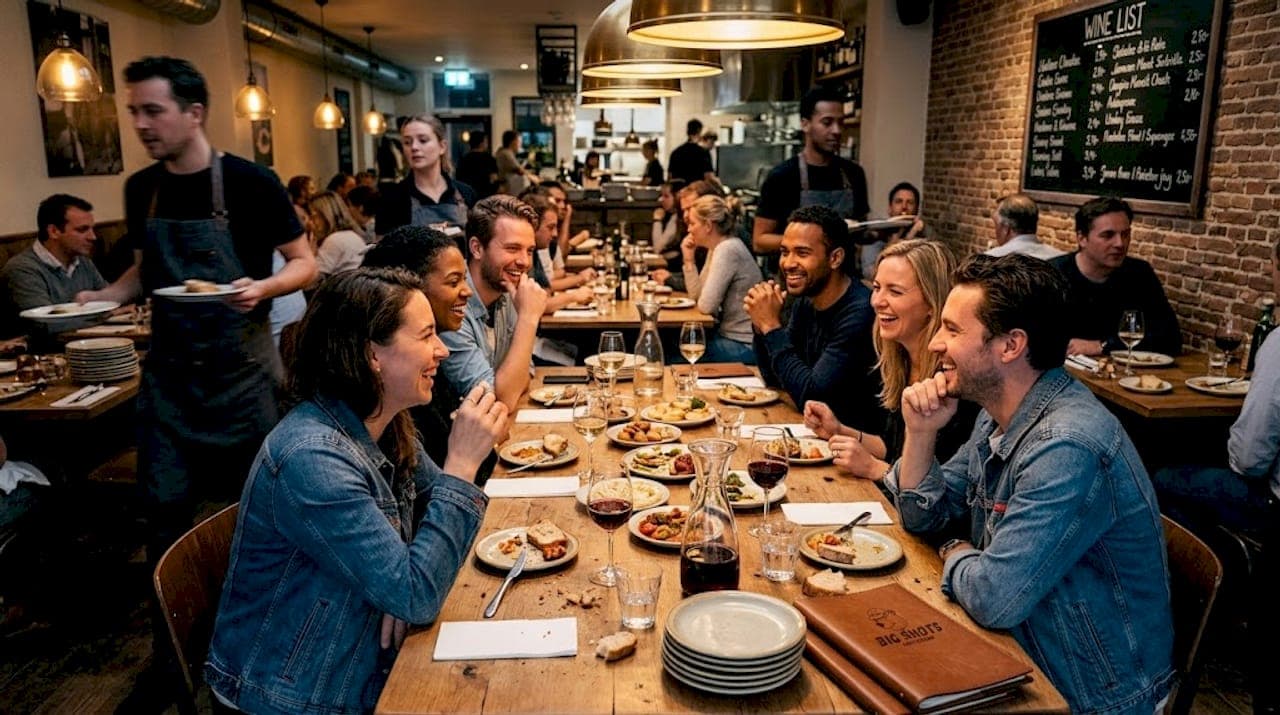
Walk into two bars side by side. One buzzes with energy, conversation flows easily, and you order another round without even thinking about it. The other feels flat despite similar food and pricing. The difference is almost never on the menu. It lives in the room itself.
Atmosphere is a deliberate blend of sensory decisions: lighting warmth, music tempo, color palette, seating arrangement, and cleanliness standards all working together. When these elements align, guests feel comfortable and stimulated at the same time, a combination that makes socializing feel effortless. When they conflict, even subconsciously, people leave faster and spend less.
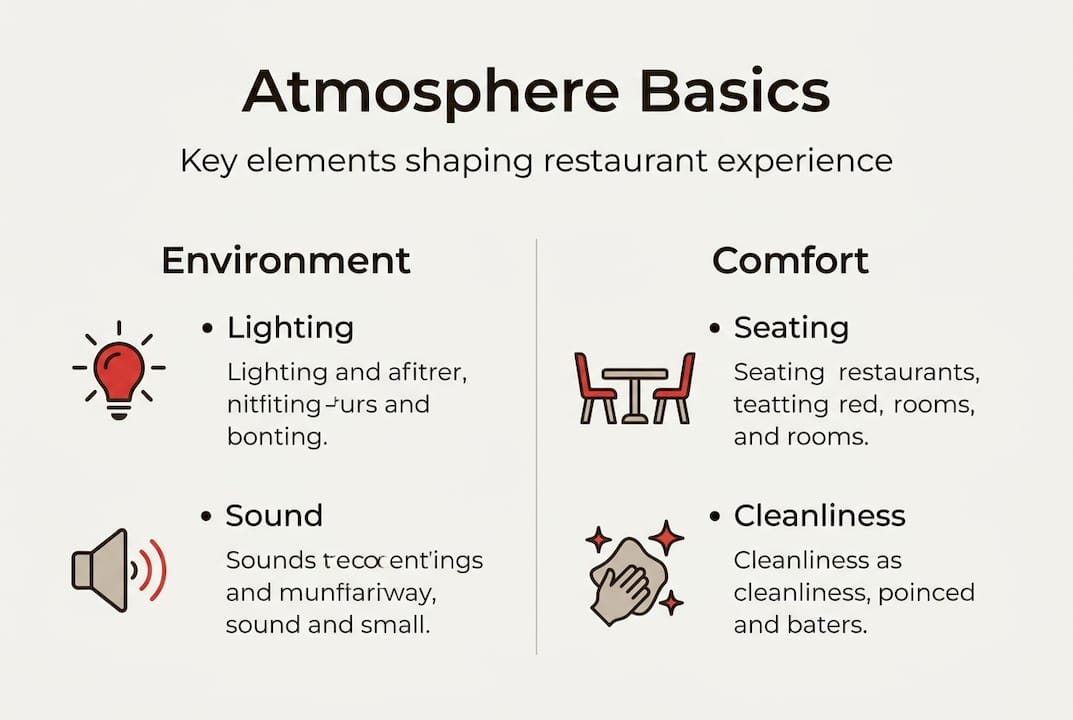
For casual hangouts and sports viewing in particular, sports bar atmosphere insights show that energy is everything. A lively crowd watching a match, the right volume of crowd noise blending with the game audio, good lighting on the screens, and clean surfaces to rest drinks all layer together. Remove any one element and the experience drops noticeably.
Research backs this up clearly. A PLOS ONE 2025 study of 440 customers found that sanitation is the single strongest driver of satisfaction, ranking above spatial configuration, lighting, and music. That surprises people. They assume food quality tops the list, but cleanliness shapes trust and comfort so deeply that it outweighs almost everything else.
"The most socially vibrant venues are not the loudest or the flashiest. They are the ones where every sensory detail has been thought through, right down to how clean the bar top feels under your hands."
Spatial setup ranks second after sanitation. How tables relate to each other, whether seating creates a sense of community or isolation, and how crowd density feels all feed directly into top dining and sports venues across Amsterdam.
Key reasons atmosphere drives behavioral outcomes:
- Guests who feel comfortable stay longer and order more
- A socially vibrant space encourages group visits and return trips
- Poor acoustic or lighting choices trigger discomfort even when guests cannot name why
- Cleanliness builds trust that converts first-time visitors into regulars
Now that we know atmosphere holds more sway than most realize, let's look at its building blocks.
The core elements: Lighting, sound, space, color, and cleanliness
Understanding the essentials, we can see how each detail works together to shape your experience.
| Atmosphere element | Impact on guest experience |
|---|---|
| Lighting | Controls mood, dwell time, and perceived intimacy |
| Music tempo and volume | Shapes crowd energy and how long people stay |
| Seating layout | Drives social connection or isolation |
| Color palette | Influences appetite, energy level, and comfort |
| Cleanliness | Strongest single driver of satisfaction and return visits |
Lighting sets the emotional tone before a single word is spoken. Dimmer lighting encourages longer stays and higher spending, making it ideal for evening dining. Brighter, energetic lighting works better for fast-casual or daytime social settings where you want guests alert and engaged. For sports venues in particular, getting screen visibility right without flooding the room requires a careful balance, and the best lighting schemes for venues demonstrate this balance beautifully.
Music is the atmosphere element most guests feel without noticing. Slower music extends stays and can boost sales by as much as 9% when tempo and brand personality align. Faster, louder music creates excitement and energy, which suits sports viewing perfectly but can push guests out faster in a dinner setting. Matching the genre to your crowd and occasion is not optional; it is strategic.
Space and seating shape whether guests feel like part of a crowd or uncomfortably exposed. Communal tables and closer spacing build energy in sports bars. More separated booths create intimacy. Neither is better universally; the question is what you are designing the night for.
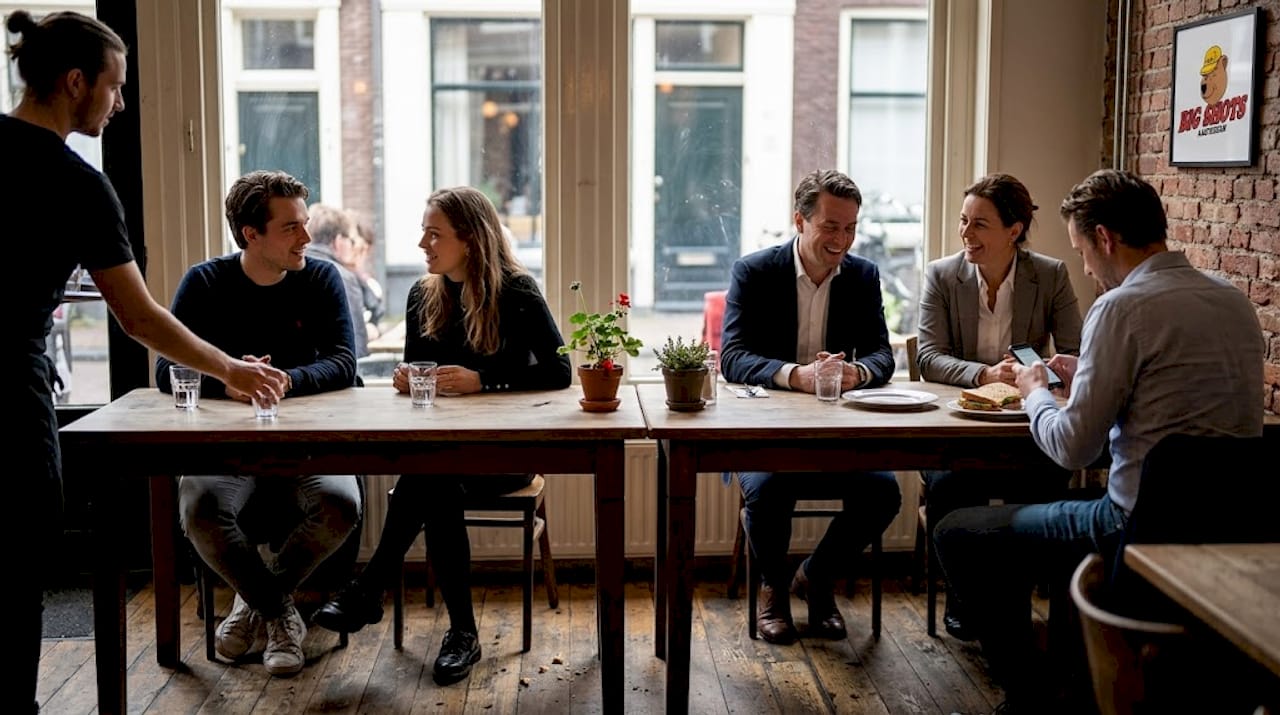
Color works on appetite and mood at a level most guests never consciously notice. Reds and yellows stimulate appetite and energy, which is why vibrant venues favor warm palettes. The classic interior design rule, a 60-30-10 color split between dominant, secondary, and accent tones, keeps a room feeling purposeful rather than chaotic.
Cleanliness, as the strongest driver of satisfaction, is non-negotiable. A stunning room with sticky tables is a reputation killer.
Pro Tip: If a venue feels loud but not energizing, the issue is usually acoustics. Hard surfaces reflect sound into a wall of noise. Look for sports bar trends that use upholstered seating, textured walls, and soft furnishings to absorb excess sound while keeping energy high.
Designing for vibrancy: Amsterdam's playbook for social hangouts
Now, let's see exactly how vibrant venues put these elements into practice.
Vibrant social bars in Amsterdam do not stumble into their energy. They engineer it deliberately across every shift. Here is how the best ones build the scene step by step:
- Set the lighting before doors open. Energetic but not harsh brightness across the main floor, with stronger warm light near the bar to draw people in.
- Cue the music to the moment. Pre-game or early evening gets upbeat background tracks. As the crowd builds, volume and tempo increase alongside them.
- Position screens for sightlines, not just coverage. Every seat in the house should have a clear view of at least one screen, so no guest feels excluded from the action.
- Arrange seating for communal energy. Closer table spacing and long shared tables create the crowd density that makes a room feel alive.
- Manage the sound boundary. Volume gets raised strategically, never past the point where table conversation becomes shouting.
For Amsterdam lively sports bars, the comparison between intimate and vibrant atmosphere reveals two very different design philosophies:
| Design factor | Intimate setting | Vibrant/social setting |
|---|---|---|
| Lighting | Warm and dim | Bright and energetic |
| Music | Low volume, ambient | Upbeat, higher volume |
| Seating | Separated, private | Communal, closer spacing |
| Screens | None or minimal | Multiple, high visibility |
| Table spacing | Generous | Tighter for crowd density |
The music and brand match that boosts sales by 9% matters even more when you layer sports events into the mix. A Champions League night needs different audio pacing than a Sunday brunch with friends.
Pro Tip: Vibrant does not mean chaotic. Venues that host sports bar events successfully invest in acoustic panels behind the bar and upholstered booth backs. These absorb just enough sound to keep energy high without tipping into overwhelming noise.
Finding your ideal spot: What to look for in Amsterdam's dining and sports scene
After understanding the theory and seeing it in action, here is how to spot what you want in the real world.
When you walk into a new venue, you have about 90 seconds of pure sensory data before your judgment kicks in. Use it. Check these signals immediately:
Green lights for a vibrant, social spot:
- Warm but energetic lighting with clear screen visibility
- Upbeat music at a conversational volume, meaning you can still talk without leaning in
- Tables close enough to feel the crowd without touching elbows with strangers
- A bar area that draws people in rather than pushing them to the walls
- Visibly clean surfaces, organized service stations, and fresh-smelling air
Red flags that signal frantic rather than fun:
- Music so loud that ordering requires hand signals
- Lighting so dim you cannot read the menu or see the screen clearly
- Crowded but with no defined flow, people bumping and apologizing constantly
- Sticky or visibly unclean surfaces anywhere in view
A practical benchmark worth knowing: restaurant seating standards typically recommend 18 to 20 square feet per guest for comfortable dining. Venues that push well below this create energy but can tip into claustrophobic quickly. Knowing this helps you recognize the sweet spot when you find it.
For groups catching a match, use the Amsterdam sports bar checklist to confirm the venue ticks the boxes before you commit. For a night that covers one-stop sports dining, look for a spot that deliberately balances all five atmosphere elements rather than leaning hard on one.
A fresh perspective: Vibrancy is intentional, not accidental
Most guests walk into a great bar and feel the buzz, then attribute it to luck, neighborhood, or a good crowd. Here is the part no one tells you: the crowd is the last ingredient, not the first.
Everything that makes a room feel alive was engineered before the first guest arrived. Lighting is adjusted by service period. Music tempo shifts as the room fills. Layout changes between a Tuesday lunch and a Saturday night Champions League match. This is atmosphere as an operational tool, not a static design decision made once and forgotten.
"The best venue operators I have spoken with treat atmosphere the way a DJ treats a set. It is always in motion, always reading the room, always two steps ahead of where the crowd is going."
That shift in perspective matters for guests too. When you find a venue that consistently delivers great energy across multiple visits, you are not getting lucky. You are benefiting from someone's daily, invisible craft. For anyone curious about how that translates into business decisions, the open a sports bar guide breaks down just how much operational thinking sits behind a simple, buzzing room.
Vibrancy is not a vibe. It is a system. And once you see it, you cannot unsee it.
Experience Amsterdam's most vibrant atmosphere for yourself
Reading about atmosphere theory is one thing. Feeling it live is something else entirely. If you are looking for a place in Amsterdam where all five elements land right every single time, the choice becomes obvious.
Big Shots Amsterdam brings together a sports bar, shisha lounge, restaurant, and café under one roof, delivering the kind of engineered vibrancy this article breaks down. Whether you are catching a live match, sharing a meal with friends, or settling into a long evening with craft cocktails, the atmosphere is built to make every moment feel exactly right. See what dining, drinks and sports in one actually looks and feels like at Amsterdam's most dynamic social venue.
Frequently asked questions
What are the most important elements of a vibrant restaurant atmosphere?
Lighting, music, seating layout, cleanliness, and color choice are the key factors that shape energy and guest satisfaction, according to multi-sensory atmosphere research. Getting all five working together is what separates a good room from a great one.
How does atmosphere impact guest spending and behavior?
The right atmosphere keeps guests in the venue longer and drives higher spending, particularly when lighting and music are well matched to the occasion. A music-brand alignment alone has been shown to produce measurable sales increases.
What seating arrangement fosters social energy in Amsterdam bars?
Communal tables, closer spacing, and well-placed screens for live events all combine to generate the social buzz that makes Amsterdam's best bars feel alive and connected.
Why is sanitation so critical in restaurant atmosphere?
Cleanliness is the strongest single driver of customer satisfaction, ranking above lighting, music, and spatial layout in a 2025 study of 440 diners. It builds the baseline trust that turns a first visit into a regular habit.