
TL;DR:
- Atmosphere significantly influences dining satisfaction by shaping emotional and cognitive responses through sensory cues. Understanding elements like lighting, sound, scent, and seating helps predict the experience and improves restaurant choices. Mismatches between atmosphere and intent can reduce enjoyment, emphasizing the importance of intentional environmental design.
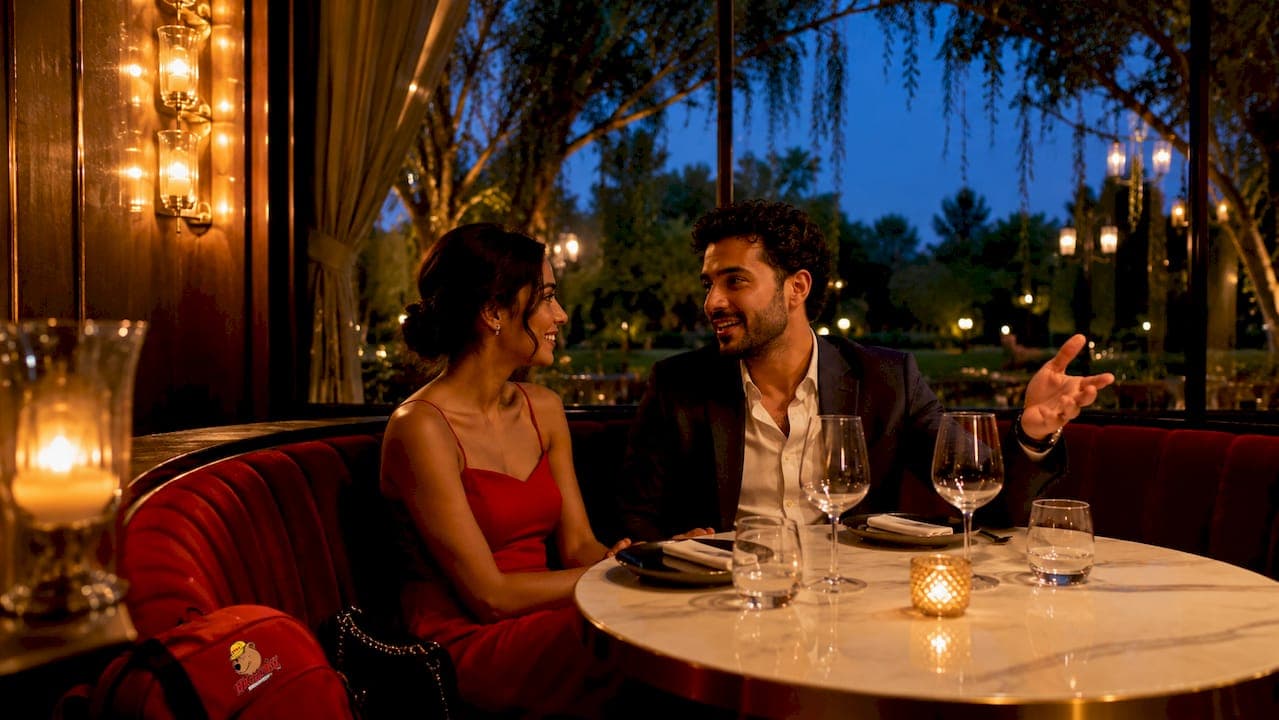
Atmosphere in dining is defined as the combined effect of sensory and environmental conditions, including lighting, music, scent, temperature, spatial layout, and social setting, that shape how guests perceive and enjoy their meals. 63% of U.S. adults rank atmosphere above food, service, and price when making hospitality decisions. That single statistic reframes everything. The food on your plate matters, but the world built around it matters more than most diners realize. This article breaks down exactly how atmosphere works, why it affects you psychologically, and how you can use that knowledge to choose better dining experiences every time.
How does atmosphere shape the dining experience?
The role of atmosphere in dining operates through a system of sensory inputs that work together, not in isolation. Researchers describe this as the servicescape, a term from hospitality science referring to the physical and social environment a venue deliberately constructs to influence guest behavior. Understanding the servicescape helps you see restaurant design not as decoration but as a calculated communication tool.

Lighting is the most immediate signal a restaurant sends. Warm, dim lighting fosters relaxation, makes food appear more appetizing, and increases the time guests spend at the table. Fast-food chains use bright, cool lighting deliberately because it accelerates turnover. Fine dining venues layer warm sources at different heights to create intimacy. The light temperature alone tells you how long you are expected to stay and how much you are expected to spend.
Sound is more complex than most people appreciate. Dining soundscapes can be described using 129 perceptual descriptors clustered into 53 semantic groups, which means the acoustic experience of eating is far more nuanced than simply "loud" or "quiet." Conversation intelligibility, reverberation time, and background music tempo all interact. A venue that gets the music volume right but ignores reverberation still produces a space where guests strain to hear each other, which reduces enjoyment and shortens visits.
Scent works on a neurological level that bypasses rational thought. Scent triggers brain areas controlling memory and emotion, which is why a signature smell can make a venue feel instantly familiar and comforting on a return visit. Bakeries that pipe bread aromas toward the entrance are not being accidental. They are activating anticipation before you sit down.
Temperature and tactile elements round out the picture. Upholstered seating signals a slower, more comfortable experience. Hard stools at high tables signal brevity and energy. A room that runs slightly cool keeps guests alert; a warmer room encourages settling in. Each of these cues contributes to the overall sensory coherence of a space.
- Lighting: Warm and dim for lingering; bright and cool for fast turnover
- Sound: Music tempo and volume plus reverberation and conversation clarity
- Scent: Memory and emotion triggers that build comfort and anticipation
- Temperature: Cooler for alertness; warmer for relaxation and longer stays
- Tactile cues: Seating material and surface textures signal pace and formality
Pro Tip: When evaluating a restaurant before you sit down, spend thirty seconds at the entrance. Note the light color, the sound level, and whether you can smell the kitchen. Those three cues will tell you more about the experience ahead than the menu will.
What psychological mechanisms explain atmosphere's impact?
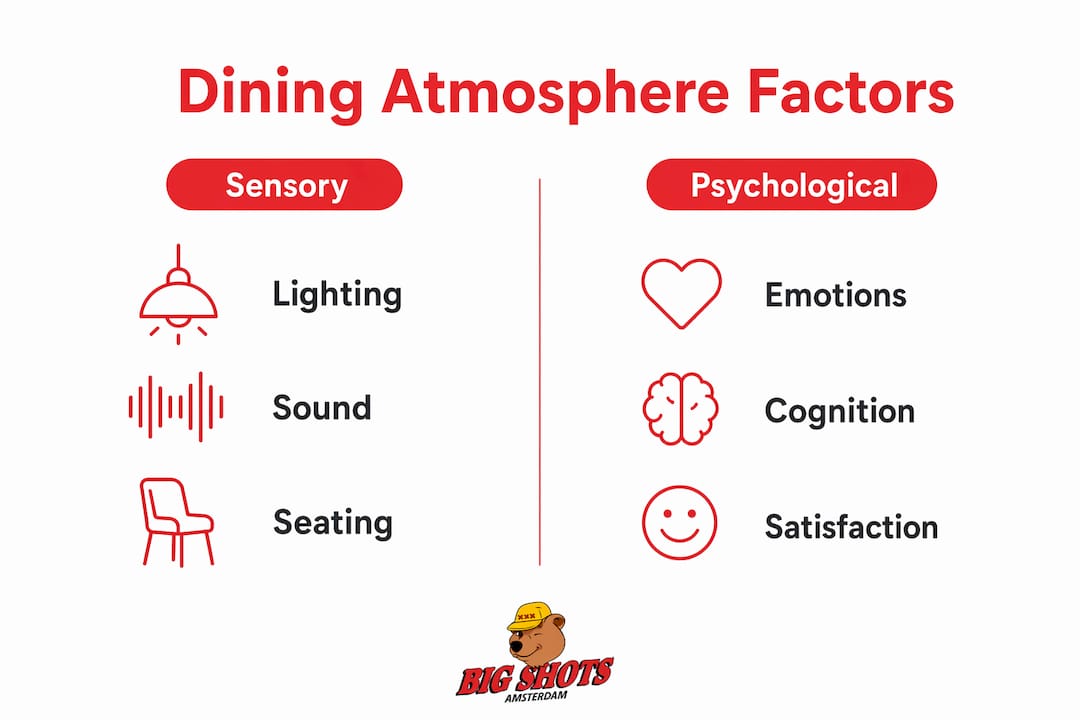
Atmosphere functions as a stimulus in what hospitality researchers call the Stimulus-Organism-Response (S-O-R) model. The environment (stimulus) triggers emotional and cognitive responses inside the diner (organism), which then produce behaviors (response) like staying longer, spending more, returning, or recommending the venue to others.
The emotional pathway is immediate. Warm lighting and pleasant music produce positive affect within minutes of arrival, before a single dish is served. This emotional state colors every subsequent judgment, including how food tastes, how attentive the staff seems, and whether the price feels fair. Servicescape elements significantly improve both service experience and satisfaction, with statistical effect sizes of β=0.805 and β=0.816 respectively. Those numbers confirm that atmosphere is not a soft variable. It is a measurable driver of satisfaction outcomes.
The cognitive pathway operates more slowly. As a meal progresses, guests evaluate the coherence of the environment. Does the music match the food concept? Does the lighting suit the time of day? Mismatches create low-level cognitive dissonance that guests often cannot name but consistently report as a vague sense that something was "off." This is why atmosphere works as a system rather than a collection of independent features.
Staff behavior belongs inside the atmosphere equation, not outside it. The way servers move, speak, and respond to guests contributes to the social environment, which is itself a sensory input. A tense or inattentive service team can neutralize every other atmospheric investment a venue makes.
Here is how the psychological sequence typically unfolds during a well-designed dining experience:
- Arrival: Sensory cues (light, scent, sound) trigger immediate emotional response and set expectations.
- Seating: Spatial layout and tactile comfort confirm or adjust the initial emotional read.
- Service interaction: Staff tone and attentiveness reinforce or undermine the emotional state.
- Food experience: Mood state amplifies or diminishes perceived food quality and flavor.
- Post-meal evaluation: Satisfaction judgment is formed from the combined emotional and cognitive experience, not food alone.
"Atmosphere impacts diners not only emotionally but cognitively, shaping satisfaction judgments and behavioral intentions like loyalty and recommendations." — The Mediating Roles of Service Experience and Satisfaction in Loyalty and e-WOM
This sequence explains why atmosphere effects on repeat dining are mediated by satisfaction and service experience. Atmosphere does not directly create loyalty. It creates the emotional conditions that make satisfaction possible, and satisfaction creates loyalty.
Intimate vs. energetic: how different atmospheres serve different dining goals
Not every great atmosphere looks the same. The dining atmosphere importance shifts depending on what a guest is trying to accomplish. A first date calls for a different environment than a post-game celebration with friends. Venues that understand this design for specific intentions rather than generic "nice."
| Atmosphere type | Lighting | Sound level | Seating style | Best for |
|---|---|---|---|---|
| Intimate/romantic | Warm, very dim | Low, soft background music | Booths or private tables | Dates, celebrations, slow meals |
| Casual/social | Medium warm | Moderate, lively music | Mixed seating, communal options | Friend groups, relaxed hangouts |
| Upscale/formal | Layered, warm | Quiet, classical or ambient | Spaced tables, upholstered chairs | Business meals, special occasions |
| Energetic/fast | Bright, cool | High volume, uptempo | High tops, bar seating | Quick meals, sports viewing, drinks |
Seating arrangements and spatial layouts directly influence privacy, engagement, and comfort, which means the physical structure of a room is as much an atmospheric tool as music or lighting. A restaurant that seats guests too close together in a space designed for intimacy undermines the entire concept.
Acoustic and lighting cues also signal pace. Relaxed atmospheres encourage lingering and socializing, while bright, loud environments promote fast turnover. When a venue's atmosphere matches your dining intention, satisfaction rises. When it mismatches, you leave feeling vaguely unsatisfied even if the food was excellent. Matching the atmosphere to the concept and the guest demographic is not a luxury. It is the foundation of repeat visits.
You can find a detailed breakdown of how sensory environment shapes satisfaction in practice, which is worth reading before your next Amsterdam outing.
How to read atmosphere cues before you commit to a table
Most diners make atmosphere decisions passively. Becoming intentional about reading environmental cues before you sit down gives you a significant advantage in predicting whether a venue will deliver the experience you want.
- Check the light color at the entrance. Warm amber tones signal a slower, more relaxed pace. Cool white or blue-tinted light signals energy and brevity.
- Listen for conversation clarity. If you can hear the table next to you clearly, the acoustic design supports social dining. If the room sounds like a wall of noise, conversation will be work.
- Notice the scent. A clean, food-forward aroma signals kitchen confidence. An absence of scent in a restaurant is neutral. An overpowering cleaning product smell is a warning.
- Look at the seating density. Tables packed close together in a quiet venue create an uncomfortable mismatch. Generous spacing in a loud venue feels equally wrong.
- Observe the staff pace. Servers moving quickly signal a high-turnover environment. Servers who pause and engage signal that the venue wants you to stay.
Combined sensory and social cues create the full dining experience effect, which means no single cue tells the whole story. Read them together. A venue that scores well across lighting, sound, scent, and service pace is almost always going to deliver a satisfying experience regardless of cuisine type.
Pro Tip: Before booking a restaurant for a special occasion, check recent photo reviews on Google Maps or Yelp. Photos from actual guests reveal the real lighting, table spacing, and crowd density far more accurately than the venue's own marketing images.
For more specific guidance on choosing restaurants in Amsterdam based on atmosphere and dining goals, the linked guide covers practical frameworks worth bookmarking.
Key takeaways
Atmosphere is the single most influential factor in dining satisfaction, operating through sensory inputs that shape emotional and cognitive responses before, during, and after a meal.
| Point | Details |
|---|---|
| Atmosphere outranks food in decisions | 63% of U.S. adults prioritize atmosphere above food, service, and price in hospitality choices. |
| Sensory inputs work as a system | Lighting, sound, scent, temperature, and social cues combine to create atmosphere; no single element dominates. |
| Psychology drives behavior | Atmosphere triggers emotional and cognitive responses that mediate satisfaction, loyalty, and word-of-mouth. |
| Atmosphere type must match intent | Intimate, energetic, casual, and upscale atmospheres serve different dining goals; mismatches reduce satisfaction. |
| Diners can read cues proactively | Observing light, sound, scent, and seating before sitting predicts the experience more reliably than the menu. |
Why atmosphere deserves more credit than diners give it
I have spent years eating in restaurants across a wide range of concepts, price points, and cities, and the pattern I keep returning to is this: the meals I remember most vividly are rarely the ones with the most technically impressive food. They are the ones where the environment made me feel something before the first course arrived.
Most diners treat atmosphere as a backdrop. They notice it when it is bad and take it for granted when it is good. That is a mistake. The research on atmosphere and dining loyalty confirms what experience suggests: the emotional connection a space creates is the actual engine of repeat visits, not the dish you ordered.
What I find genuinely underappreciated is the role of sound design. Lighting gets discussed constantly in restaurant reviews. Scent gets occasional attention. But the acoustic environment is almost never mentioned, despite being the element most likely to ruin an otherwise excellent meal. A room with poor reverberation control turns every conversation into effort. That effort accumulates over two hours and leaves guests feeling drained rather than satisfied, even if they cannot identify why.
The trend I am watching in 2026 is the move toward what I would call intentional sensory programming. Venues like those using multilingual menu design alongside curated soundscapes and lighting schedules are treating atmosphere as a living system that changes across dayparts. Breakfast service gets one sensory profile. Late-night gets another. That level of intentionality is what separates memorable venues from forgettable ones.
My advice: start treating atmosphere as a first-order criterion when choosing where to eat, not an afterthought. You will make better decisions and enjoy your meals more.
— Leo
Experience atmosphere done right at Bigshotsamsterdam
Bigshotsamsterdam in Amsterdam is a venue that puts every principle in this article into practice. The space combines warm lighting, a curated soundscape, and a social layout designed to support everything from casual weeknight dinners to lively group nights out. The result is an atmosphere that encourages guests to stay, connect, and return. Whether you are looking for a relaxed meal, craft cocktails, or a sports night with friends, the sensory environment at Big Shots Amsterdam is built to make every visit feel intentional. You can explore the full menu, check the vibe through guest photos, and plan your visit directly on the website. For a deeper look at how the space uses lighting and sound design to shape the guest experience, the linked guide is worth reading before you go.
FAQ
Why does atmosphere matter more than food in dining?
63% of U.S. adults rank atmosphere above food, service, and price in hospitality decisions. Atmosphere shapes the emotional state that determines how food is perceived, which means the environment amplifies or diminishes the quality of what is on the plate.
How does lighting affect the dining experience?
Warm, dim lighting fosters relaxation and makes food appear more appealing, encouraging guests to linger and spend more. Bright, cool lighting signals fast turnover and is used deliberately in quick-service environments.
What is the servicescape in restaurant design?
The servicescape is the physical and social environment a venue constructs to influence guest behavior, including lighting, sound, scent, temperature, spatial layout, and staff conduct. It functions as a combined sensory system rather than a set of independent design choices.
Can atmosphere influence how food tastes?
Atmosphere directly affects emotional state, and emotional state alters taste perception. A positive mood produced by good lighting, comfortable sound levels, and pleasant scent makes food taste better, which is why the same dish can feel more satisfying in one environment than another.
How can I use atmosphere cues to choose a better restaurant?
Observe lighting color, sound clarity, scent, seating density, and staff pace at the entrance before committing to a table. These five cues together predict the pacing, comfort level, and social quality of the experience more accurately than the menu or price point alone.