
TL;DR:
- Preparing and customizing your restaurant experience through specific reservations and menu research enhances your confidence and satisfaction.
- Mindful eating, punctuality, respect for ambiance, and gratitude toward staff foster a positive dining environment for everyone involved.
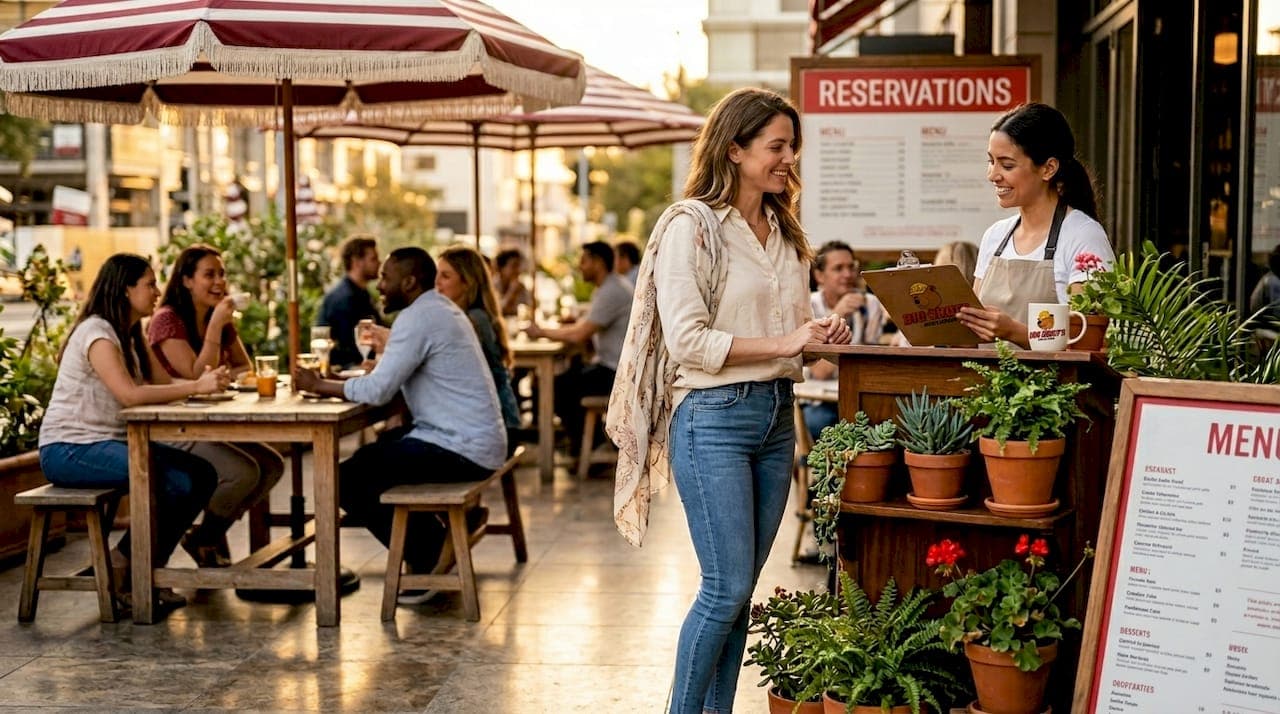
Most people walk into a restaurant hoping for a great experience and leave feeling like something was slightly off. Maybe you ordered too much, sat near the kitchen when you wanted a quiet booth, or felt unsure about the right moment to flag down your server. These aren't trivial frustrations. They're the difference between a forgettable meal and one you talk about for weeks. These restaurant dining tips are built to fix exactly that, giving you practical tools to feel confident from the moment you book a table to the moment you walk out the door.
Table of Contents
- Key takeaways
- 1. Book smart and arrive prepared
- 2. Navigate the menu like you know what you're doing
- 3. Master dining etiquette without overthinking it
- 4. Manage portion sizes without sacrificing enjoyment
- 5. Pace yourself and leave a positive impression
- My honest take on what makes a great diner
- Experience all of this at Bigshotsamsterdam
- FAQ
Key takeaways
| Point | Details |
|---|---|
| Book with intention | Use off-peak times and specific table requests to get the best seat and service. |
| Preview the menu first | Reading menus online before you arrive cuts impulsive decisions and helps you order smarter. |
| Communicate dietary needs early | Flag allergies and preferences at reservation or seating, not at the moment of ordering. |
| Match the room's rhythm | Adapting your pace and conversation to the restaurant's energy improves the experience for everyone. |
| Tip as recognition | Tipping reflects service quality and shapes the relationship you have with staff going forward. |
1. Book smart and arrive prepared
The reservation is not just an administrative step. Think of it as a contract with the restaurant, one that signals mutual respect and sets the tone for your entire visit. Canceling without notice, arriving 20 minutes late, or showing up with extra guests strains the kitchen and the front-of-house team before your meal even begins.
High-demand restaurants typically release reservations one to three months in advance. If you are targeting a popular spot, set a calendar reminder and book the moment the window opens. For everything else, dining at off-peak times such as early seating, late evenings, or weekday nights means less pressure on the kitchen and noticeably better attention from staff.
When it comes to your table, vague requests rarely work. Asking for a "nice table" tells the host nothing useful. Instead, be specific. A corner booth, a seat away from the restrooms, or a spot near the window gives the host something concrete to work with.
- Call during quiet hours, not the dinner rush, to make your request
- Mention special occasions at booking, not on arrival
- Confirm your reservation 24 hours in advance for high-end spots
- Check the dress code and parking situation before you leave home
Pro Tip: Flexibility and kindness in your seating request go further than firmness. Hosts remember cooperative guests and often reward them.
2. Navigate the menu like you know what you're doing
The menu is where a lot of dining experiences quietly fall apart. You sit down, feel the pressure of a server hovering, scan twelve pages of options, and panic-order the first thing that looks familiar. There is a much better way.
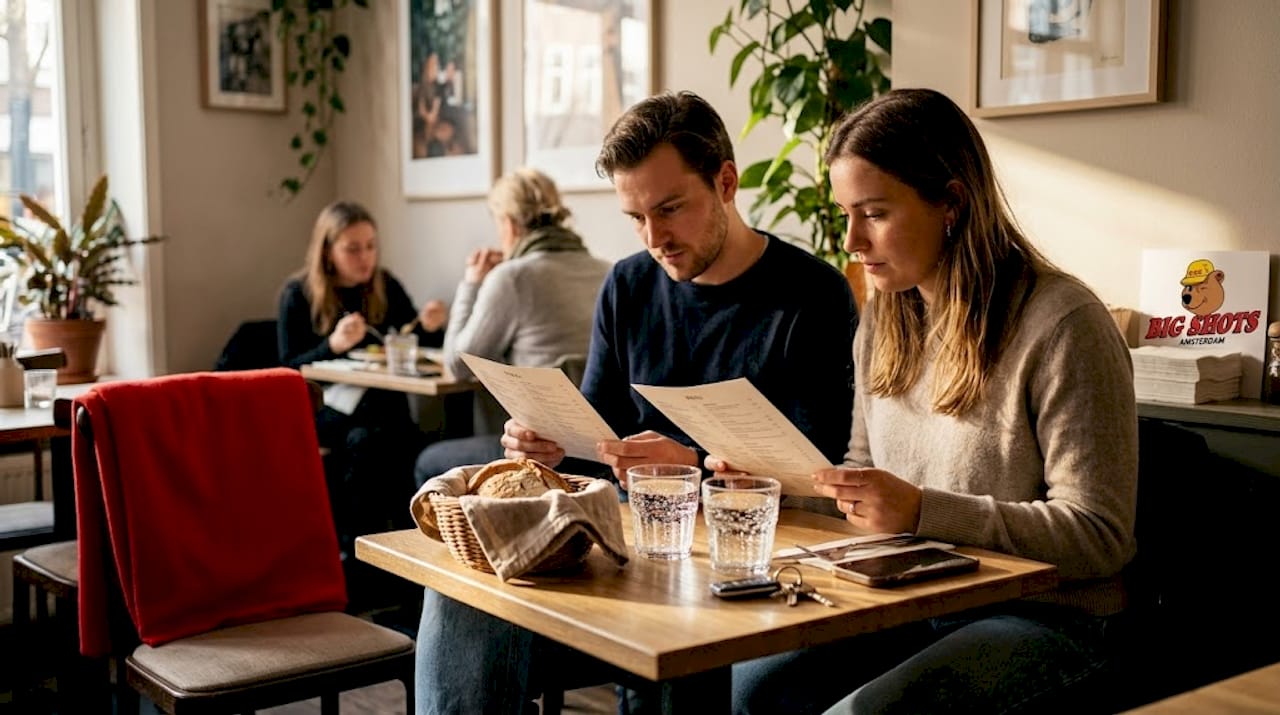
Reading menus online before arriving reduces impulsive decisions and lets you walk in with a shortlist. You already know what appeals to you, which means you spend the actual meal focusing on conversation and atmosphere instead of decoding unfamiliar terms. This is one of those restaurant dining tips that sounds obvious but almost nobody actually does consistently.
Once you are seated, ask your server two questions: what is the most popular dish on the menu, and what came in freshest today. These two questions reveal more about a kitchen's strengths than anything printed on the card. Signature dishes exist for a reason. Order one, especially on a first visit.
- Balance your order between rich, hearty dishes and lighter, acidic options
- When sharing, mix textures and proteins rather than doubling up on similar flavors
- If you are ordering a tasting menu, trust the sequence
- For those looking for budget-friendly strategies, smart menu selection can also keep costs from spiraling
Flag allergies and dietary preferences at the time of booking or when you first sit down, not when the server arrives to take your order. That 30-second gap is already being used to communicate with the kitchen.
Pro Tip: Order one dish less than your server suggests when sharing. Tables almost always over-order, and restraint usually means you actually taste each dish properly.
3. Master dining etiquette without overthinking it
Good dining etiquette is not about memorizing rules. It is about reading the room and matching your behavior to the environment. A sports bar and a white-tablecloth restaurant ask different things of you, and recognizing that distinction is more than half the work.
Start with the basics. Greet the host and your server by name if it is offered. Place your napkin on your lap the moment you sit. Pace your eating to match your companions. These are not formalities for formality's sake. They create a shared rhythm that makes everyone at the table more comfortable.
Background music in restaurants is calibrated to the room's energy. A louder room typically signals busyness, which means you should raise your voice slightly to be heard without projecting across the dining room. If the room is quiet and intimate, lower your volume to match. This is one of the more overlooked restaurant ambiance tips, and it separates attentive diners from oblivious ones.
- Avoid waving at servers across the room. Make brief eye contact and give a small nod instead
- If something is wrong with your food, say so calmly and early, giving staff the chance to fix it
- Raise complaints quietly and promptly rather than stewing until the meal is over
- Tipping should reflect service quality, not social obligation. A server who went above and beyond deserves to know it
Fine dining is designed to pamper, not intimidate. If you are unsure about an unfamiliar utensil or a course sequence, your service team genuinely wants to help. Ask without embarrassment.
Pro Tip: Trust the service team at upscale restaurants. Letting go of anxiety and handing over control to an experienced team almost always results in a better experience than trying to manage every detail yourself.
4. Manage portion sizes without sacrificing enjoyment
Overeating at restaurants is less about appetite and more about the way the meal is structured. Large portions, complimentary bread, shared starters, and the social pressure to keep pace with others all add up before you realize it.
One of the most practical restaurant dining tips for portion control is to ask for a to-go box when your entrée arrives, not after you have already eaten too much. Portion half the plate immediately. You eat what is in front of you, and the rest goes home. It sounds clinical but it actually relaxes the experience because you stop fixating on finishing.
- Split entrees with a dining companion when portions are visibly large
- Skip complimentary starters if you have multiple courses planned
- Choose grilled, roasted, or steamed preparations over battered or fried when health is a priority
- Watch beverage choices. Sugary cocktails and multiple rounds of wine add calories faster than food
- Ask your server about portion sizes before committing to an order
Being mindful here does not mean eating less. It means eating intentionally, which is a different thing entirely. You enjoy each bite more when you are not working through a plate you did not actually want.
5. Pace yourself and leave a positive impression
The rhythm of a restaurant meal is something most diners fight against rather than embrace. Courses take time. The kitchen runs on its own schedule. Accepting that pace rather than resisting it changes your entire experience.
A good diner adapts to the restaurant's rhythm rather than demanding speed. If a course is taking longer than expected, that usually means it is being prepared carefully. Give it space. Where you do need to signal readiness, make brief eye contact with your server instead of checking your watch visibly or sighing loudly.
Socially, the table is its own ecosystem. Put your phone face down unless you are genuinely expecting an urgent message. Dining with attentiveness to your companions and to the flow of the meal is what makes shared dining memorable rather than mechanical.
When you are ready to leave, ask for the check politely without rushing the server mid-service. A quick mental calculation helps here. Adding prices of two mains gives a rough per-person total so you are never caught off guard by the bill.
- End the evening by thanking your server directly, not just by leaving money on the table
- If you had an exceptional experience, say so to the manager. It costs you nothing and means a great deal
- Leave promptly once you have paid if others are waiting for the table
Pro Tip: Keep phone use non-disruptive. If you want to photograph your food, do it quickly and put the phone away. The ambiance you are enjoying is partly built by every diner at every table doing the same.
My honest take on what makes a great diner
I have sat at a lot of restaurant tables over the years, and what I have noticed is that the best dining experiences almost never happen by accident. They happen because at least one person at the table came in with some awareness of how the whole thing works.
What I have learned is that dining is, as this guide for restaurant guests puts it, a shared performance. The kitchen, the servers, and the guests are all part of it. When one person plays their role thoughtfully, the whole evening benefits. When someone treats the staff as invisible or fights the natural pace of the meal, that energy spreads.
The mindset shift I keep coming back to is this: stop approaching restaurants as transactions and start seeing them as experiences you are actively participating in. That shift from consumer to participant changes how you ask questions, how you handle delays, and how you treat the people serving you. It also makes you significantly more enjoyable to dine with.
My honest advice is to drop the anxiety about getting everything right. Etiquette is not a test. It is just a shared language for making the experience work for everyone at the table and beyond.
— Leo
Experience all of this at Bigshotsamsterdam
If you want to put these tips into practice somewhere that actually rewards the effort, Bigshotsamsterdam in Amsterdam is built for exactly that kind of evening. The venue combines a restaurant, café, and sports bar in one space, with attentive staff, a menu that ranges from hearty breakfasts to serious steak dinners, and an atmosphere shaped by careful ambiance design. Whether you are planning a casual night out, a group dinner, or a date, the table setup and service give you every opportunity to use what you have read here. Book your table and see what a well-run dining experience actually feels like.
FAQ
What are the most useful restaurant dining tips for first-timers?
Read the menu online before you arrive, request a specific table type at booking, and ask your server about the most popular dish on the menu. These three steps alone reduce anxiety and improve your meal significantly.
When is the best time to book a restaurant for better service?
Booking early at opening, during late evening slots, or on weekdays reduces kitchen pressure and often results in more attentive service compared to peak weekend hours.
How do you handle food allergies at a restaurant?
Flag allergies and dietary preferences at the time of reservation or when you are first seated. Communicating this early gives the kitchen time to accommodate your needs properly.
What is proper tipping etiquette when dining out?
Tipping should reflect the quality of service you received rather than a fixed social expectation. Acknowledging exceptional service with a higher tip and explaining why to the server directly is always well received.
How do you avoid overeating when dining out?
Ask for a to-go box when your entrée arrives and portion half the plate immediately. Skipping complimentary starters when you have multiple courses planned also helps manage your intake throughout the meal.