
TL;DR:
- Music shapes social atmosphere and venue identity in Amsterdam bars, supporting conversation and cultural expression. Different bar types, from listening venues to live stages, design layouts and programming to meet specific social needs. The scene emphasizes intentional sound curation and space design, creating layered experiences from dinner to dancing.
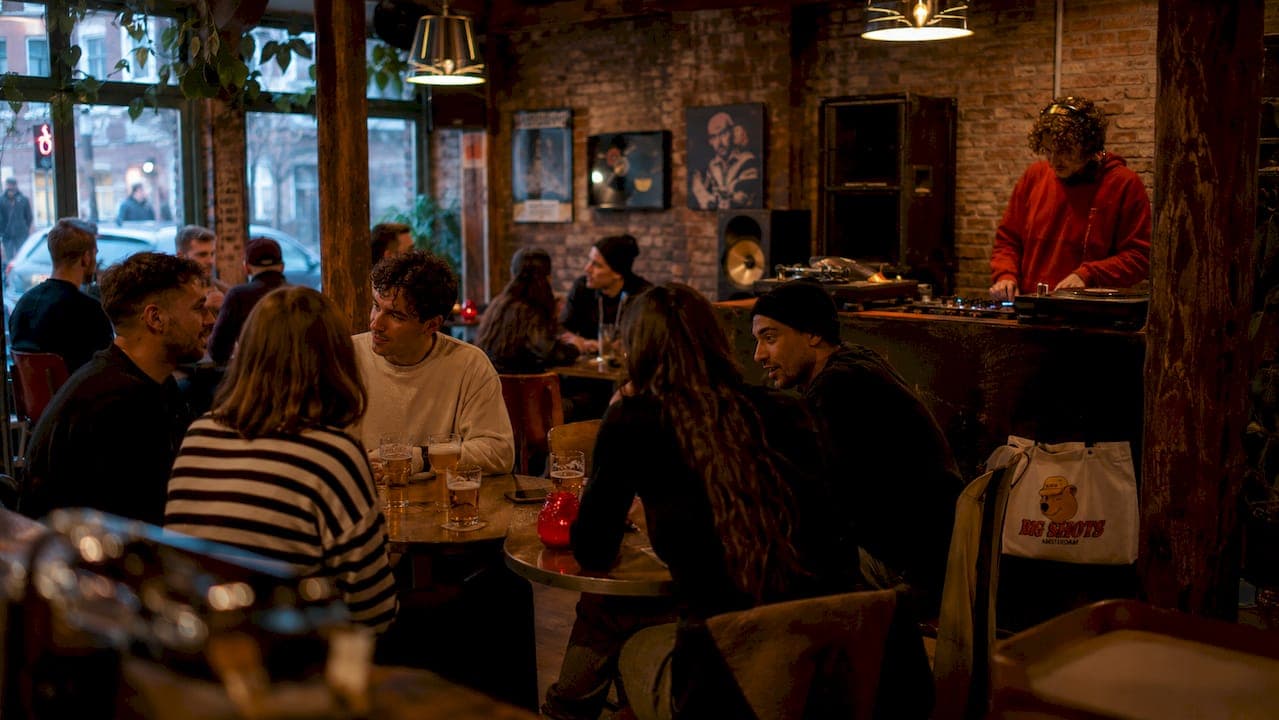
Music is the defining force behind the social atmosphere in Amsterdam bars, shaping how people connect, how long they stay, and how memorable the night becomes. The role of music in Amsterdam bars goes far beyond background noise. It functions as a social architecture tool, setting the pace of conversation, the energy of a room, and the cultural identity of a venue. From hand-built speaker systems in listening bars to live jazz stages in the city center, Amsterdam's bar scene treats sound as seriously as its food and drink. Understanding how music works in these spaces gives you a real edge when planning a night out.
How does music shape the social experience in Amsterdam bars?
Music in Amsterdam bars defines the atmosphere before a single drink is poured. Modern hospitality concepts in Amsterdam maintain 85%–90% of their original music-driven vision even as social behaviors evolve. That figure tells you something important: music is not an afterthought in these venues. It is the concept.
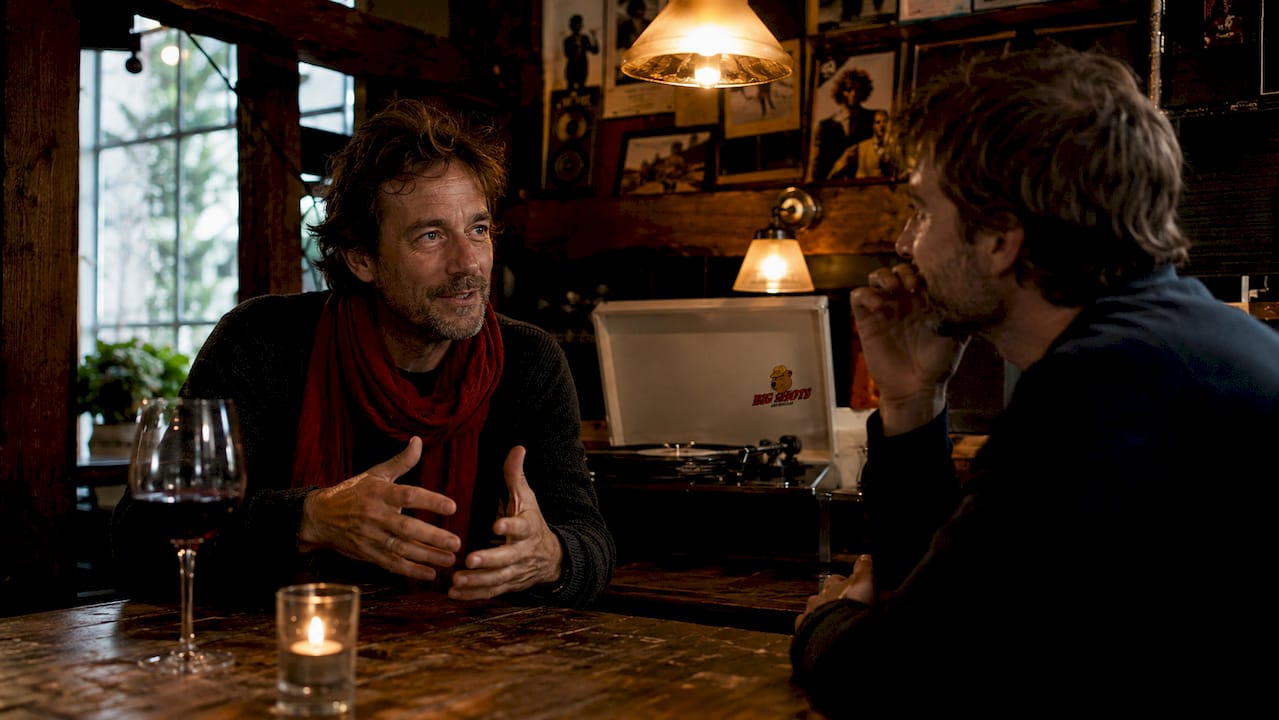
The key tension every Amsterdam bar manages is the balance between listening and socializing. Balancing a listening space with a social cocktail bar is the central challenge, with the goal being an alive atmosphere rather than enforced silence. Patrons come to connect with other people first. Music supports that connection rather than competing with it.
This balance also explains why Amsterdam's bar music culture differs from, say, Tokyo's strict listening bar tradition. Silence is not rigorously enforced in Amsterdam's listening bars, reflecting the city's preference for flexible social music. The result is a nightlife scene where music sets the mood without controlling the room.
How music programming and curation shape social experiences
Music programming in Amsterdam bars is a craft, not a playlist shuffle. The most dedicated venues invest in hand-built speaker systems and vinyl-only sets lasting six hours or more. That level of technical commitment signals to guests that the sound experience is intentional and worth paying attention to.
Curated programming follows a clear logic. Early evening sets tend to be warmer and slower, drawing people in and encouraging conversation. As the night progresses, energy builds through tempo and volume shifts. This arc mirrors the social rhythm of the crowd, which is exactly the point.
- Vinyl-only formats signal authenticity and reward attentive listeners.
- Extended sets (six hours or more) create continuity rather than jarring transitions.
- Volume calibration keeps music present without drowning out conversation.
- Genre selection matches the venue's identity, whether that is jazz, soul, electronic, or world music.
Pro Tip: When visiting a listening bar in Amsterdam, arrive early in the evening. The first hour of a curated set often features the most carefully chosen tracks, and the room is quieter, giving you a better chance to actually hear the music.
Programming schedules also vary by day. Weekday evenings tend toward lower-volume, conversational sets. Weekends shift toward higher energy, with DJs or live acts taking over from around 9:00 PM onward. Understanding this rhythm helps you choose the right night for the experience you want.
How does bar layout affect the music atmosphere?
Physical space is not separate from the music experience. It is part of it. Intimate seating for 2–4 people near performers encourages personal connection to the music and to the people you are with. That closeness is a deliberate design choice, not a space constraint.
The relationship between layout and sound shapes guest experience in ways that most visitors never consciously notice. Acoustic panels, ceiling height, and furniture placement all affect how sound travels. A bar with hard surfaces and high ceilings will feel louder and more energetic. A venue with soft furnishings and lower ceilings will feel warmer and more intimate.
Multi-purpose spaces take this further. Some Amsterdam bars move tables entirely to create a dance floor when live music starts. This physical transformation signals a shift in social mode, from dining to dancing, and the music drives that transition. The bar design in Amsterdam often accounts for this flexibility from the start, with modular furniture and open floor plans built into the original concept.
| Venue type | Layout approach | Music role |
|---|---|---|
| Listening bar | Fixed seating, acoustic focus | Central, attentive listening |
| Live music stage | Stage-forward, flexible floor | Energetic, performance-driven |
| Traditional brown bar | Cozy, fixed tables and booths | Subtle background, conversation-first |
| Multi-purpose bar | Modular furniture, open floor | Adaptive, shifts with programming |
The table above shows that no single layout works for every music role. Venues that try to do everything without designing for it often end up doing nothing well. The best Amsterdam bars commit to a layout that matches their musical identity.
What are the different types of Amsterdam bars and their music roles?
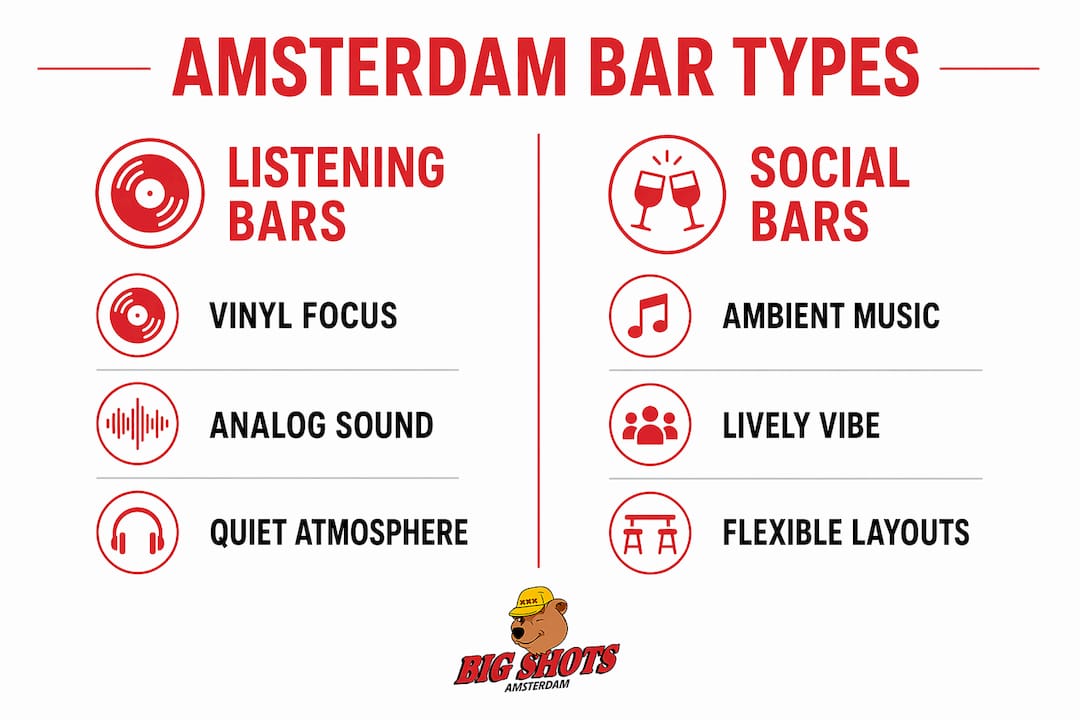
Amsterdam's bar scene divides into distinct categories, and each one uses music differently. Understanding these differences helps you pick the right venue for the night you want.
Listening bars treat music as the primary product. The bar atmospheres in Amsterdam at these venues center on analog sound, vinyl records, and audiophile-grade equipment. Conversation happens, but it happens around the music, not instead of it.
Live music venues prioritize energy and engagement. Bourbon Street Jazz Club, for example, draws a loyal local crowd that treats the venue as a regular routine. Bookings are advised on weekends, particularly for seats near the stage, since music typically starts around 9:00 PM and the room fills fast. Live venues attract audiences who want to feel the performance, not just hear it.
Traditional brown bars (known locally as bruine kroegen) use music as a quiet anchor. Soft vintage jazz or mellow background music serves as a subtle backdrop, supporting long conversations and the unhurried social rhythm that defines this bar type. The music is secondary to the people, which is precisely why it works.
- Listening bars reward patience and attention.
- Live music venues reward spontaneity and energy.
- Brown bars reward conversation and time.
Each category serves a different social need. The Amsterdam nightlife music scene is strong because these categories coexist without trying to copy each other.
How do live music events integrate with dining and nightlife culture?
Live music events in Amsterdam bars follow a consistent rhythm that blends dining, drinking, and performance into a single experience. Live music dinner events typically start around 7:30 PM to 8:00 PM and may run past 1:00 AM, with furniture moved to enable dancing as the night progresses. That timeline is deliberate. It lets guests eat first, settle in, and then shift into a more active social mode as the music builds.
The integration of live performance with food and cocktails creates a layered experience. A well-timed set can turn a dinner into a night out without anyone having to move venues. This is one reason why bar entertainment in Amsterdam has grown more sophisticated. Venues now program music the way restaurants program menus, with intention, pacing, and a clear sense of what the guest should feel at each stage.
- Early evening (7:30 PM to 9:00 PM): Dinner service runs alongside warm-up music or acoustic sets.
- Mid-evening (9:00 PM to 11:00 PM): Live acts or DJs take over, energy rises, and the social dynamic shifts.
- Late night (11:00 PM to 1:00 AM): Tables move, dancing begins, and the bar transitions fully into nightlife mode.
Pro Tip: If you want the full arc of a live music dinner experience, book a table for the first seating. You get the food, the build-up, and the late-night energy all in one visit without rushing.
The evolving balance between music and dining also reflects a broader shift in Amsterdam's nightlife culture. Guests no longer want to choose between a good meal and a great night out. The best venues give them both, and music is what makes the transition feel natural.
Key Takeaways
Music in Amsterdam bars functions as social infrastructure, shaping atmosphere, conversation, and cultural identity across every venue type from listening bars to live stages.
| Point | Details |
|---|---|
| Music drives venue identity | Amsterdam bars maintain 85%–90% of their music-driven concept even as social behaviors shift. |
| Curation beats volume | Vinyl sets, extended programming, and calibrated volume create atmosphere more effectively than loud playlists. |
| Layout amplifies sound | Intimate seating and modular floor plans directly shape how music connects with guests. |
| Bar types use music differently | Listening bars, live venues, and brown bars each serve distinct social needs through different music roles. |
| Live events follow a timed arc | Dinner-to-dance programming from 7:30 PM to 1:00 AM creates a layered nightlife experience in one venue. |
What I've learned about music and Amsterdam's bar culture
The thing most visitors miss is that Amsterdam's bar music scene is not about volume or prestige. It is about social permission. Music in these venues tells you what kind of night you are allowed to have. A brown bar's soft jazz says: slow down, stay a while, talk. A listening bar's curated vinyl says: pay attention, this matters. A live stage says: get up, move, connect with strangers.
What strikes me most is how deliberately Amsterdam venues resist the temptation to be everything at once. The best bars I have spent time in know exactly what they are. They design their sound, their layout, and their programming around one clear social purpose. That clarity is what makes them memorable.
The challenge for visitors is learning to read the room before they walk in. Check whether a venue runs vinyl sets or live acts. Look at the seating layout. Ask what time the music starts. These details tell you more about the night ahead than any review. Amsterdam's nightlife trends in 2026 show venues doubling down on this intentionality, combining dining, music, and social design into tighter, more considered experiences.
My honest advice: do not chase the loudest room. Chase the most intentional one. That is where Amsterdam's music culture actually lives.
— Leo
Where music and social life come together in Amsterdam
Amsterdam's bar scene rewards those who know where to look. Bigshotsamsterdam brings together the energy of a sports bar, the warmth of a café, and the social pull of a venue built for real nights out.
Whether you are settling in for craft cocktails and a game or looking for a lively atmosphere with friends, Bigshotsamsterdam delivers the kind of bar experience in Amsterdam where music, food, and good company all land in the same place. The venue combines a shisha lounge, restaurant, and café under one roof, making it easy to move between moods without moving venues. Check out what Bigshotsamsterdam has on offer and plan your next night out in the city.
FAQ
What is the role of music in Amsterdam bars?
Music in Amsterdam bars shapes atmosphere, social pace, and venue identity. It functions as a social tool that supports conversation, signals the type of night guests can expect, and connects the physical space to the cultural experience.
How do listening bars in Amsterdam differ from regular bars?
Listening bars use hand-built speaker systems and vinyl-only sets to make music the central experience, while regular bars treat music as background support for socializing. Amsterdam's listening bars adapt the format to allow conversation alongside attentive listening.
What time does live music typically start in Amsterdam bars?
Live music dinner events in Amsterdam typically start between 7:30 PM and 8:00 PM, with late-night sets running past 1:00 AM. Weekend bookings at popular live venues like Bourbon Street Jazz Club are recommended, as seats near the stage fill quickly.
How do traditional brown bars use music differently?
Brown bars use soft vintage jazz or mellow background music as a quiet backdrop that supports long, unhurried conversations. The music is intentionally secondary, reinforcing the living-room atmosphere that defines this bar type.
Does bar layout affect how music sounds and feels?
Bar layout directly shapes the music experience. Intimate seating near performers creates personal connection, while modular furniture allows venues to shift from dining to dancing as live programming builds through the night.