
TL;DR:
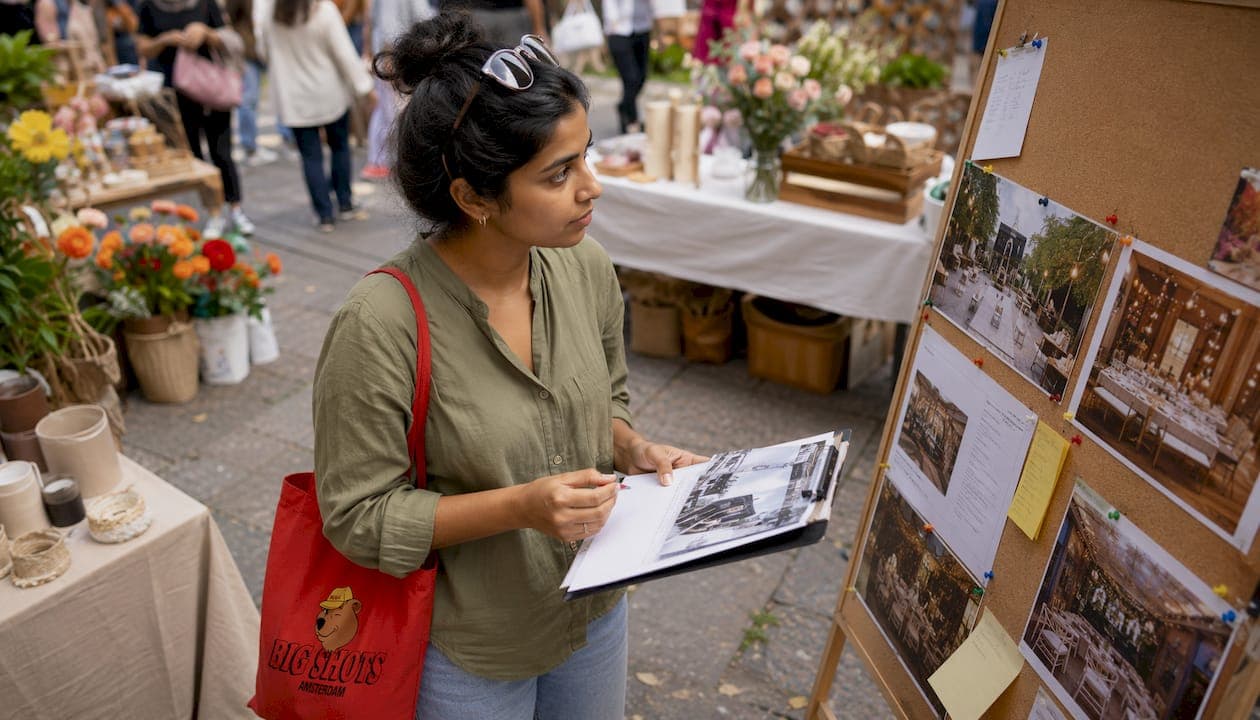
- A successful venue party depends on a clear timeline, a simple menu, and precise planning of roles and backup strategies.
- Planning six to eight weeks ahead ensures venue deposits and vendors are secured, while a straightforward menu reduces stress.
A great venue party comes down to six things: a locked timeline and budget, a simple menu executed well, a defined vibe with smart guest flow, a clear contract with the venue, an hour-by-hour run sheet with assigned roles, and a backup plan for when things go sideways. That's it. Everything else is detail.
Here's the quick version you can screenshot:
- Set your timeline and budget at least 6–8 weeks out for larger events
- Simplify the menu — fewer, better dishes beat an elaborate spread every time
- Define the vibe first, then let it drive décor, lighting, and music
- Confirm venue responsibilities in writing before you sign anything
- Build a day-of run sheet and assign every role to a named person
- Outsource if you want hands-off — venues like Bigshotsamsterdam handle the heavy lifting
Around 69% of event planners choose venues based on word of mouth or referrals, which means reputation carries real weight. And roughly 25% of invited guests cancel closer to the date, so always build that buffer into your headcount and catering order.
Table of Contents
- 1. Tips for hosting parties: build your timeline and budget first
- 2. Menu and bar approaches that actually work at a venue
- 3. How to set the vibe and plan guest flow
- 4. What to confirm with the venue before you sign anything
- 5. Your hour-by-hour run sheet for the event day
- 6. Ready-to-use invitation and vendor templates
- 7. Legal considerations and permits for venue events
- 8. Entertainment options and AV equipment worth knowing
- 9. How to handle unexpected issues during the party
- Key Takeaways
- What most hosts get wrong about venue events
- Bigshotsamsterdam: a venue that handles the hard parts for you
- Further reading and planning templates
1. Tips for hosting parties: build your timeline and budget first
The single biggest source of party stress is doing things in the wrong order. Book a venue before you've set a budget, and you've already created a problem.
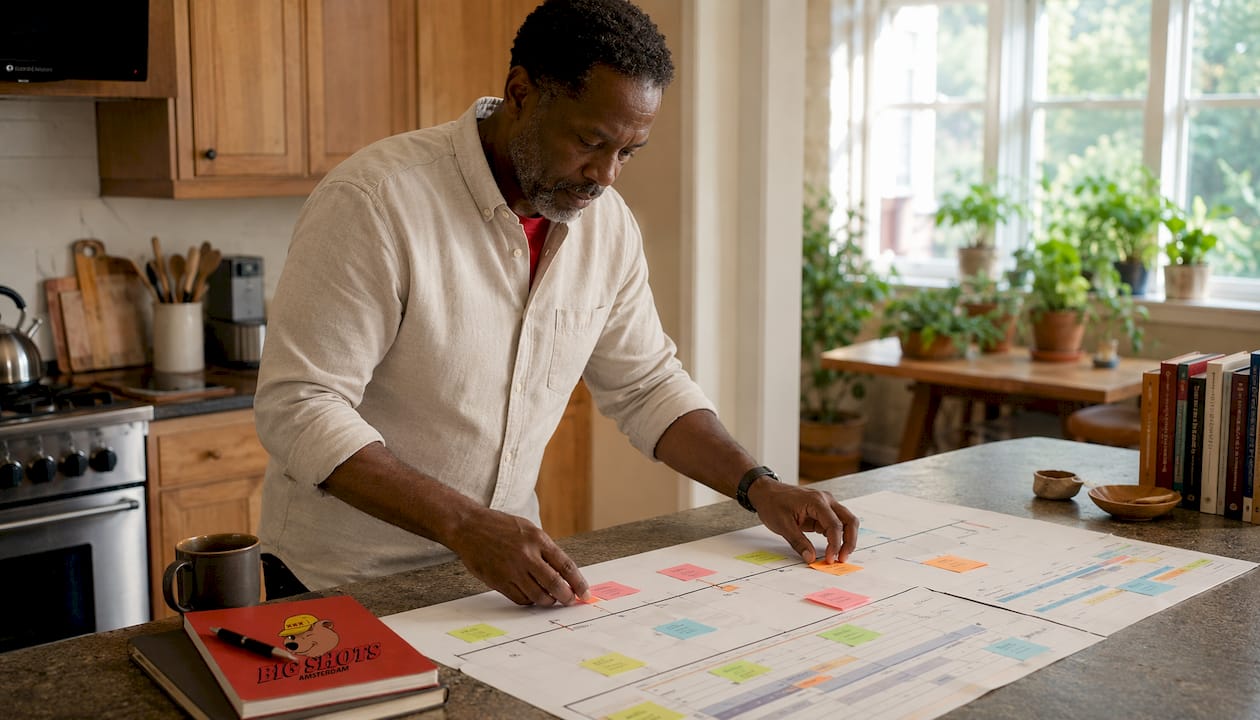
6–8 weeks out: Choose the date, secure the venue deposit, confirm capacity and any preferred-vendor rules, and book major vendors (caterer, entertainment, AV). Larger venue events benefit from this lead time to avoid scheduling conflicts and last-minute price hikes.
3–4 weeks out: Finalize the guest list, send invitations with start and end times, dress code, and parking details. Collect dietary restrictions now — not the week before.
1 week out: Confirm final headcount, order supplies, prepare tip envelopes, and share the run sheet with all staff and vendors.
48 hours out: Confirm vendor arrival windows, walk the space, and check your contingency supplies list.
Sample budget breakdown (per-person spending typically runs $30–$60 depending on service style):
| Category | Suggested allocation |
|---|---|
| Venue fee | 25% |
| Food | 25% |
| Drinks | 15% |
| Staffing | 10% |
| AV and entertainment | 5% |
| Decor | 5% |
| Contingency | 10–15% |
Reserve that 10–15% contingency. Last-minute rentals, extra food, and overtime charges happen more often than hosts expect.
2. Menu and bar approaches that actually work at a venue
The most common hosting mistake is over-complicating the menu. Simpler, high-quality dishes combined with strong lighting and music consistently outperform elaborate spreads. Fewer options mean fewer mistakes and a calmer kitchen.
Match the service style to the event type:
- Passed hors d'oeuvres or food stations for mingling events
- Plated courses for seated dinners where conversation is the point
- Grazing tables for informal, drop-in gatherings
For cocktail receptions, plan roughly 8–10 bites per person per hour for the first two hours, then 4–6 after that. Seated dinners need a starter, main, and dessert — and that's enough. Check out festive menu planning strategies for manageable options that hold up well in a venue kitchen.
Bar strategy: Decide early between a hosted bar with a spend cap, a cash bar, or a limited signature cocktail list. A hosted bar with a cap is usually the cleanest option for private events — guests feel taken care of, and you control the cost. Always staff at least one bartender per 50 guests. Non-alcoholic options are non-optional; include at least two.
Pro Tip: Collaborate with the venue chef on one make-in-advance dish that anchors the menu. Everything else can come from trusted vendors. This keeps quality consistent and reduces day-of pressure on the kitchen.
3. How to set the vibe and plan guest flow
Guests value a cohesive atmosphere and authentic connection over flawless execution. "Perfect" is genuinely the enemy of a good time. Define the vibe early — color palette, music energy, lighting level — and let every other decision follow from it rather than making each one in isolation.
Layout drives whether guests mingle or clump. Place food and drink stations away from the entrance to pull people into the room. Create at least two distinct conversation zones: one louder, one quieter. A bottleneck at the bar kills energy fast, so position it where staff can see the whole room.
Lighting and music by event type:
- Cocktail reception: warm, dim ambient lighting; upbeat but conversational music at 65–70 dB
- Seated dinner: candlelight or low overhead; instrumental or low-key background music
- Sports viewing night: brighter screens, energetic playlist, sound balanced so commentary is audible
For restaurant atmosphere techniques that translate directly to private events, layering lighting sources (overhead, accent, candle) creates warmth that a single overhead fixture never achieves.
Pro Tip: Plan sightlines to the bar and stage so staff can read the room. If energy drops, a bartender who spots it can nudge the music up or start a round of drinks — without you having to intervene.
4. What to confirm with the venue before you sign anything
Around 69% of planners rely on referrals when choosing a venue, but reputation alone isn't a contract. Get everything in writing.
Contract checklist:
- Confirmed date and times, including load-in and load-out windows
- Guaranteed capacity (not "up to" — confirmed)
- Cancellation and deposit terms, including the refund policy
- Overtime and hard-out windows with associated fees
- Insurance requirements for the host and any external vendors
Service responsibilities to clarify in writing:
- Who provides staff, glassware, tableware, linens, and cleaning
- Security, coat check, and waste removal
- AV equipment, technician fees, and setup windows
- Loading-dock rules, delivery windows, and parking
Ask vendors for proof of insurance before they set foot in the venue. Request a damage deposit threshold in writing. If the contract doesn't include a force majeure clause, ask for one.
"A good invitation is the foundation of a good soiree — the key is to make it as specific as possible. Include the date, the time it begins and ends, the location, RSVP instructions, and any extras like a theme or dress code." — Maryanne Parker, party-planning expert, via Reader's Digest
For a full breakdown of hosting parties in restaurant venues, including contract language and service checklists, that guide covers the specifics in detail.
5. Your hour-by-hour run sheet for the event day
Complete primary prep days in advance. Host anxiety transfers to guests — a calm host creates a calm room.
Run sheet template:
- T-3 hours: Venue access, AV setup, lighting check
- T-2 hours: Vendor load-in, kitchen walkthrough, bar setup
- T-1 hour: Décor final touches, staff briefing, run sheet distributed
- Guest arrival window: Host at entrance, welcome drinks ready, music on
- Food service windows: Staggered by course or station opening times
- Entertainment set times: Confirmed with AV lead
- Wind-down: Last call, graceful exit sequence (group toast or shared final activity)
- Load-out: Vendor departure windows, venue cleanup handoff
Role assignments: Host point person, venue manager, lead server, bartender lead, AV lead, security contact, cleanup lead. Every person gets a printed copy of the run sheet.
Contingency supplies checklist: Extra napkins, tape, extension cords, first-aid kit, spare signage, phone chargers, and a printed vendor contact list.
Pro Tip: For late vendor arrivals, have one staff member designated to receive and direct — never the host. The host stays with guests.
6. Ready-to-use invitation and vendor templates
Clear, detailed invitations reduce guest anxiety and cut no-shows. Guests should never have to guess the basics.
Three invitation tone variations:
- Formal seated dinner: "You are warmly invited to an evening dinner at [Venue], [Date], 7:00 PM–10:30 PM. Smart casual attire. Kindly RSVP by [Date] and note any dietary requirements."
- Casual cocktail reception: "Join us for drinks and bites at [Venue] on [Date], 6:00–9:00 PM. Come as you are. RSVP by [Date] — let us know if you have any food allergies."
- Sports-viewing night: "Game night at [Venue], [Date], kickoff at 7:30 PM. Doors open 7:00 PM. Casual dress. RSVP by [Date] so we save your seat."
RSVP follow-up message: "Hey — just checking in on the invite for [Event]. Would love to know if you're coming so we can sort the numbers. No pressure, just let me know either way!"
Vendor briefing template (key fields):
- Load-in time and access point
- On-site contact name and number
- Parking and kitchen access details
- Comped items and payment timing
- Hard-out time
For a full event hosting workflow including vendor briefing structures and run-sheet formats, that planner's guide covers the logistics in depth.
7. Legal considerations and permits for venue events
Most venue-hosted private parties in the U.S. fall under the venue's existing liquor license and occupancy permit, but you still carry responsibility as the event organizer. Confirm with the venue that their license covers private events and the hours you've booked.
If you're bringing in outside entertainment (a DJ, live band, or comedian), check whether the venue's performance licensing covers third-party acts. ASCAP and BMI licenses cover most live and recorded music in licensed venues, but confirm this in writing. For events with a cover charge or ticket sales, the licensing picture changes — consult the venue's legal contact or a local entertainment attorney.
Noise ordinances vary by city and neighborhood. Get the venue's hard-out time in writing and build it into your run sheet. Overcapacity is the host's liability as much as the venue's, so confirm the fire-code capacity limit and stick to it.
8. Entertainment options and AV equipment worth knowing
The right entertainment depends on the event type and the room. For sports-viewing nights, a multi-screen AV setup with reliable HDMI inputs and a dedicated sound system is the baseline. For sports-night AV coordination, confirm screen size relative to room depth — a 65-inch screen in a 40-person room doesn't cut it.
For social events, a DJ or curated playlist through a quality PA system usually outperforms a live band in a mid-size venue room where conversation matters. Photo booths, trivia rounds, and interactive games work well for groups that don't know each other well — they give people something to do while they warm up.
AV checklist before the event: test every HDMI cable, confirm the backup adapter kit, check microphone batteries, and run the playlist through the actual speakers (not headphones). Bring spare cables. Always.
9. How to handle unexpected issues during the party
Most day-of problems fall into four categories: late vendors, AV failure, a medical issue, or overcapacity. Each one has a protocol.
Late vendor: The designated receiver (not the host) contacts the vendor, assesses the delay, and adjusts the run sheet. If a caterer is 30 minutes late, open the bar early and communicate nothing to guests — most won't notice.
AV failure: Have a backup playlist on a phone connected to a portable speaker. It's not ideal, but it fills the silence while the AV lead troubleshoots. Never let the room go quiet for more than two minutes.
Medical issue: Every event needs a named first-aid contact and a printed list of the nearest urgent care and emergency room. Know where the AED is in the venue before guests arrive.
Overcapacity: Work with the venue manager, not around them. If the fire-code limit is approaching, close the door and manage the queue outside. Do not let it become a confrontation — assign one staff member to handle it calmly.
Managing the room's energy is a core hosting skill. Step in to rebalance conversations when a group goes quiet or a dynamic gets uncomfortable. A good introduction — with a specific, interesting detail about each person — is usually enough to restart the energy.
Key Takeaways
A successful venue party requires a locked timeline, a simple menu, a clear contract, and a named person for every role on the day.
| Point | Details |
|---|---|
| Start 6–8 weeks out | Secure the venue deposit and book major vendors before anything else. |
| Budget a 10–15% contingency | Last-minute costs are predictable — build the buffer in from the start. |
| Simplify the menu | Fewer, better dishes reduce mistakes and keep the kitchen calm. |
| Assign every role by name | A run sheet without named owners is just a wish list. |
| Plan a graceful exit | A group toast or shared final activity closes the event cleanly. |
| Bigshotsamsterdam | Offers a full venue setup (sports bar, shisha lounge, restaurant, café) with staffing and AV for hosts who want a hands-off option in Amsterdam. |
What most hosts get wrong about venue events
The conventional wisdom says the more you plan, the better the party. That's only half true. Over-planning the wrong things — an elaborate menu, a perfectly themed décor scheme, a packed entertainment schedule — is exactly what creates a stressed host and a tense room. Guests mirror the host's energy. Walk in calm, and the room follows.
What actually moves the needle is the stuff most hosts treat as admin: the contract details, the vendor briefing, the run sheet with named roles. These aren't glamorous, but they're what prevent the 9 PM call from the caterer who can't find the loading dock.
The other thing most guides miss: a clear ending. A party that fizzles out awkwardly leaves a worse impression than one that ends 30 minutes earlier with a toast and a genuine send-off. Plan the exit the same way you plan the arrival.
Bigshotsamsterdam: a venue that handles the hard parts for you
If you'd rather skip the vendor coordination and contract negotiations, Bigshotsamsterdam in Amsterdam is built for exactly this. It combines a sports bar, shisha lounge, restaurant, and café under one roof, with flexible event spaces, on-site staffing, and AV already in place.
What's included for private events:
- Flexible space configurations for groups of various sizes
- Full bar service with craft cocktails and a gourmet food menu
- On-site AV and sports-viewing screens
- Dedicated staff for your event
Optional add-ons: Shisha lounge access, branded merchandise, custom menu selections.
Around 69% of event planners choose venues based on word of mouth or referrals, and Bigshotsamsterdam's reputation among Amsterdam locals and tourists reflects consistent delivery on atmosphere and service. To check availability, get a bespoke quote, or arrange a venue walkthrough, book your event directly on the site. Response times are fast, and the team can advise on the right space configuration for your guest count and event type.
Pro Tip: Contact the venue on a weekday morning with your date, approximate guest count, and event type. You'll get a faster, more detailed response than a weekend inquiry.
Further reading and planning templates
Use these links based on what you need next:
- Hosting parties in restaurants — contract checklists and venue-specific logistics (template-focused)
- Sports-night hosting guide — AV setup, fan management, and beverage strategy (operational)
- Group dinner planning — portioning, pacing, and seating for seated events (template-focused)
- Amsterdam venue guide — 25+ venues by capacity and event type (inspiration-focused)
- Types of social venues — matching venue format to event style (inspiration-focused)