
TL;DR:
- Successful sports events rely on thorough planning, clear coordination, and deliberate audience engagement from the outset.
- Early definition of goals, venue selection, safety protocols, and targeted marketing ensure smooth execution and memorable experiences.
Successful sports event hosting is defined by three non-negotiable pillars: thorough planning, clear coordination, and deliberate audience engagement. Whether you are organizing a neighborhood soccer tournament, a charity 5K, or a group watch party at a sports bar, the tips for hosting sports events below apply directly to your situation. Sports event management covers venue selection, budgeting, marketing, and security, and every one of those categories demands decisions made early. This guide gives you a numbered, practical framework to move from idea to execution without missing a critical step.
1. Define your event goals and know your audience
The single most important decision you make is defining what kind of event you are running before you book anything else. Early event scope clarity determines all subsequent logistics, staffing, and budget categories. A competitive youth basketball tournament has completely different requirements than a corporate team-building kickball afternoon or a Super Bowl watch party at a local venue.
Your audience shapes every downstream choice. A youth sports crowd needs family-friendly catering, early start times, and shaded seating. An adult recreational league crowd wants cold drinks, a lively atmosphere, and flexible scheduling. Ask yourself:
- Is this a competition, a social gathering, or a marketing event?
- Who is attending: families, adults, corporate groups, or mixed?
- What does success look like: participation numbers, revenue, brand awareness, or community goodwill?
Pro Tip: Promote your event where your audience already spends time. Youth sports families respond to school newsletters and Facebook groups. Young adult crowds respond to Instagram Stories and local event pages. Tailor your message to the platform, not the other way around.
2. Select the right venue and date
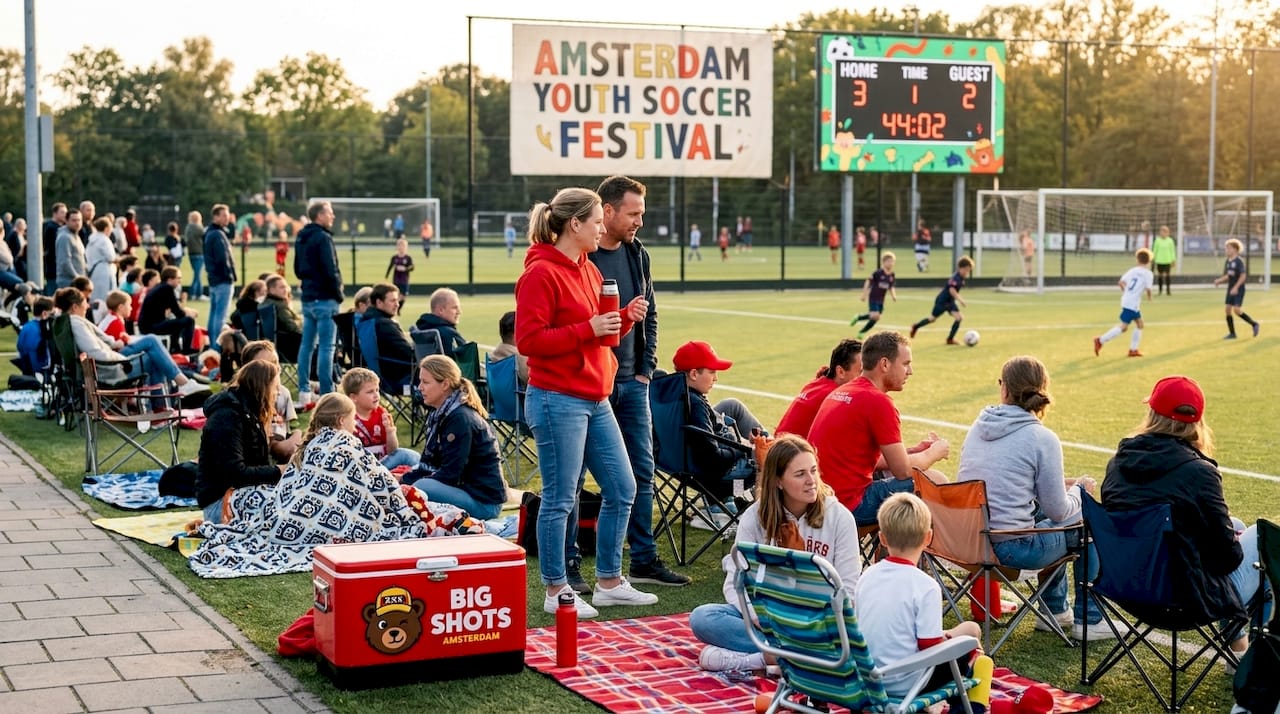
Venue choice is the decision that either makes your logistics simple or creates problems you will spend the entire event managing. Size, accessibility, parking, restroom capacity, and emergency exit placement all matter. A venue that fits 200 people comfortably but has one exit and no parking is a liability, not an asset.
Timing is equally critical. Plan large sports events at least six months in advance and check your chosen date against major holidays, local sports fixtures, and competing community events. Scheduling a charity run on the same weekend as a city marathon guarantees you lose volunteers, participants, and media attention.
| Venue type | Pros | Cons |
|---|---|---|
| Indoor arena | Weather-proof, professional facilities | High rental cost, less flexible layout |
| Community park | Low cost, family-friendly, open space | Weather-dependent, limited infrastructure |
| Sports bar | Built-in atmosphere, catering included, screens for viewing | Capacity limits, alcohol licensing requirements |
| School gymnasium | Affordable, accessible, familiar to families | Limited hours, restricted food and drink rules |
Pro Tip: Check whether your event requires a street use permit if it closes roads, affects parking, or involves outdoor vending. Many first-time organizers skip this step and face fines or forced cancellations.
3. Build a detailed planning checklist early
A checklist for sports events is not a nice-to-have. It is the operational backbone that prevents the kind of last-minute scrambling that ruins otherwise well-intentioned gatherings. Detailed checklists covering staffing, communication, and last-mile logistics prevent common game-day operational failures.
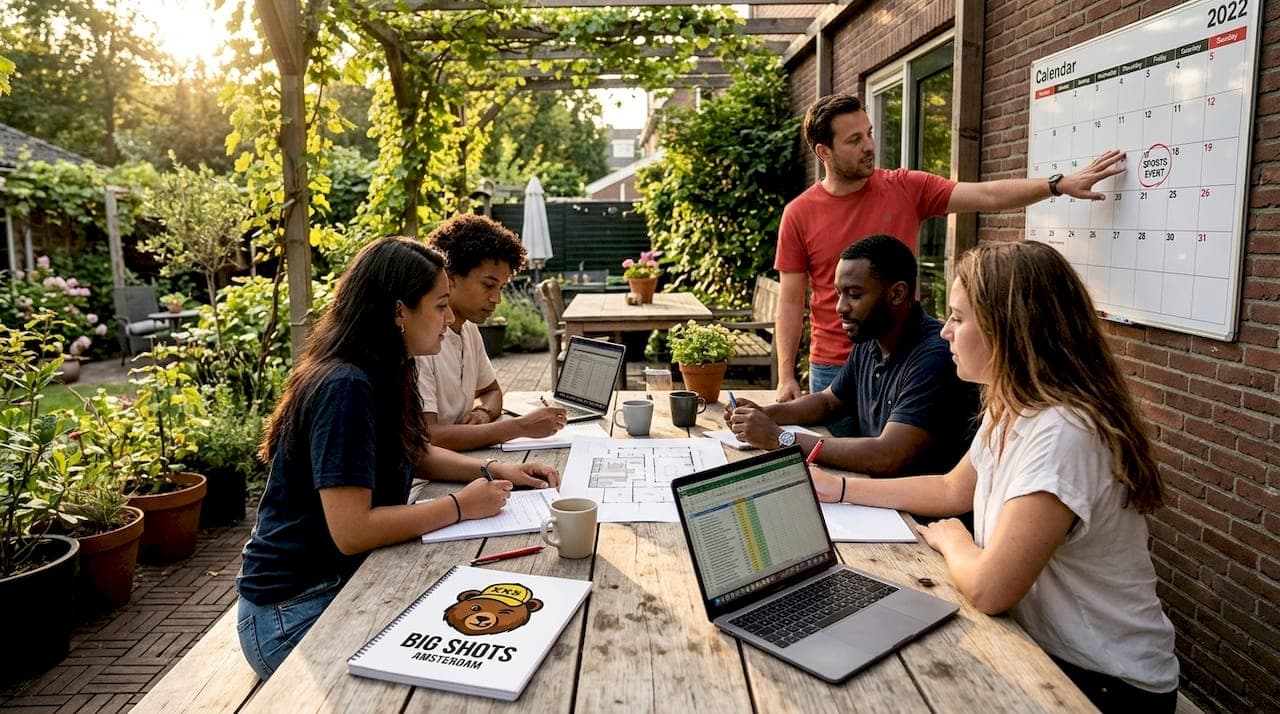
Start your checklist at least three months out and work backward from event day. Divide it into categories: venue, staffing, equipment, catering, marketing, safety, and post-event wrap-up. Assign a named owner to each category so accountability is clear. A checklist without ownership is just a wish list.
4. Assemble and brief your team
Your event is only as reliable as the people running it. Recruit staff and volunteers with defined roles before you finalize any other logistics. A team without clear responsibilities creates overlap in some areas and gaps in others, and both are visible to your guests.
Assign specific roles: registration desk, field or floor management, catering coordination, first aid liaison, and communications lead. Brief every team member at least one week before the event and again on the morning of. Game day success depends on preparation, communication, staffing, equipment readiness, and safety protocols working together, not independently.
Pro Tip: Use a free platform like SafetyCulture or a shared Google Sheet to give every team member real-time access to the run sheet, contact list, and emergency procedures. Paper briefing packets get lost. Digital ones do not.
5. Plan catering and hospitality with intention
Food and drink are not afterthoughts at sports events. They are a primary driver of guest satisfaction and return attendance. A crowd that is hungry, thirsty, or waiting in a 20-minute line for a hot dog is a crowd that is not watching the game or cheering for your participants.
Your catering options scale with your budget and venue. Self-catering works for small gatherings under 50 people. Food trucks add variety and atmosphere for mid-size outdoor events. Professional catering services handle volume and dietary requirements for large tournaments. Whatever you choose, match the food style to the crowd. Sports fans at a watch party want shareable plates, finger foods, and cold drinks. Competitive athletes need hydration stations and light snacks between rounds.
6. Manage transport and parking as part of event operations
Transport and parking are not external logistics. They are part of the event experience from the moment a guest leaves their home. High-profile sports events require transport management that includes ride-share zones, resident parking permits, and modified traffic patterns. That principle applies at any scale.
Communicate parking details in every pre-event communication. If your venue has limited parking, arrange overflow lots and provide a shuttle or clear walking directions. For events that affect street traffic, coordinate with local authorities early. Guests who arrive frustrated and late are already in a negative mindset before the event begins.
7. Create a safety and emergency preparedness plan
Safety planning is the area where most amateur event organizers underinvest until something goes wrong. Create an Emergency Management Plan in consultation with police, fire, ambulance, and local councils before your event date. For events that affect traffic, a Transport Management Plan is also required.
Medical readiness goes beyond having a first aid kit at the registration table. Effective medical support combines sport-specific risk assessment with team responsibility mapping and clear communication channels. A contact sport like rugby needs different medical coverage than a 5K fun run.
Here is a numbered list of safety steps every event organizer should complete:
- Identify the nearest hospital and document the route from your venue.
- Assign a named first aid lead with relevant qualifications.
- Map medical station locations across the venue and share the map with all staff.
- Train staff on emergency communication protocols, including who calls emergency services and who manages crowd flow.
- Prepare sport-specific supplies. Soccer events need ankle wrap and ice packs. Swimming events need defibrillators near the water.
Emergency plans often fail when they exist only on paper. Responsibility maps and staff training are what convert a written plan into a real response.
8. Market your event with a clear strategy
Effective event marketing strategies start with one clear message: what is happening, when, where, and why someone should attend. Confusion in your promotional materials translates directly to low turnout and last-minute questions that drain your team's time.
Build your marketing calendar backward from event day. Six weeks out, launch your social media campaign with event details and early registration incentives. Four weeks out, engage local media, community boards, and partner organizations. Two weeks out, send reminder emails and post countdown content. On event day, post live updates to keep the online audience engaged.
Branded merchandise and sponsor involvement add credibility and atmosphere. Jerseys, banners, and giveaway items make participants feel like they are part of something organized and worth attending again. Sponsors offset costs and extend your promotional reach through their own networks.
Pro Tip: Pin your event details post at the top of your social media profiles for the entire promotional window. Most followers will not scroll back to find your original announcement.
9. Engage fans and participants throughout the event
Engagement is what separates a forgettable event from one people talk about for weeks. Tips for engaging sports fans go beyond the sport itself. Music between rounds, trivia contests at halftime, photo opportunities with branded backdrops, and raffle draws all extend the energy beyond the field or screen.
For competitive events, keep participants informed. Post updated brackets and scores visibly. Announce results over a PA system or on a display screen. Recognition matters. A brief awards ceremony at the end of a tournament costs nothing and creates a lasting memory for every participant.
Key takeaways
Hosting a successful sports event requires early goal definition, detailed logistics planning, and deliberate safety and engagement strategies working together from the start.
| Point | Details |
|---|---|
| Define goals first | Identify event type and audience before booking venues or building budgets. |
| Plan at least six months out | Large or charity sports events need time for permits, volunteers, and contingencies. |
| Safety requires a written plan | Create an Emergency Management Plan with named roles and sport-specific medical coverage. |
| Transport is part of the event | Communicate parking and access details in every pre-event message to guests. |
| Engagement drives return attendance | Music, contests, and recognition ceremonies extend the experience beyond the sport itself. |
What I have learned from hosting sports events the hard way
The most common mistake I see event organizers make is treating safety and transport as separate from the "real" planning. They spend weeks on catering menus and social media graphics, then realize two days before the event that they have no emergency contact protocol and no plan for 200 cars arriving at a venue with 80 parking spaces. Those are not edge cases. They are predictable problems that a sports event checklist would have surfaced in week one.
The other thing I would push back on is the instinct to keep the event scope vague to appeal to everyone. A "sports day" with no clear format, no defined audience, and no specific activity is harder to market, harder to staff, and harder to execute than a focused event with a clear identity. Pick your lane early. A well-run 60-person tournament beats a chaotic 300-person "sports festival" every single time.
What actually moves the needle on guest experience is comfort and recognition. Enough seating, accessible restrooms, cold drinks available without a long wait, and a moment at the end where participants feel seen. Those details cost less than a premium sound system and matter more than any of the flashy additions organizers tend to over-invest in.
— Leo
Host your next sports event at Bigshotsamsterdam
Bigshotsamsterdam is built for exactly this kind of gathering. The venue combines a sports bar, restaurant, and café in Amsterdam with multiple screens, a full food and drinks menu, and an atmosphere that already does the entertainment work for you. Whether you are planning a group watch party, a post-tournament celebration, or a casual sports social, Big Shots Amsterdam gives you the setting, the catering, and the energy without the logistics of building it from scratch. Explore the venue's offerings and reach out to discuss booking your next sports event in one of Amsterdam's most versatile hospitality spaces.
FAQ
What are the first steps in planning a sports event?
Define your event type and audience before anything else. Early scope clarity determines all subsequent logistics, staffing, and budget decisions.
How far in advance should you plan a sports event?
Large or charity sports events require at least six months of lead time to cover permits, volunteer recruitment, and contingency planning.
What safety measures are required at sports events?
Create an Emergency Management Plan with named roles, a mapped medical station layout, and sport-specific supplies. Consult local police, fire, and ambulance services early in the planning process.
How do you keep sports event attendees engaged?
Combine live updates, music, contests, and a closing recognition ceremony to extend engagement beyond the sport itself. Clear scoring displays and PA announcements keep participants informed and invested throughout the event.
Do you need permits to host a sports event?
Most outdoor or street-level events require permits if they affect traffic, parking, sound levels, or public vending. Check with your local city or council office at least three months before your event date.