
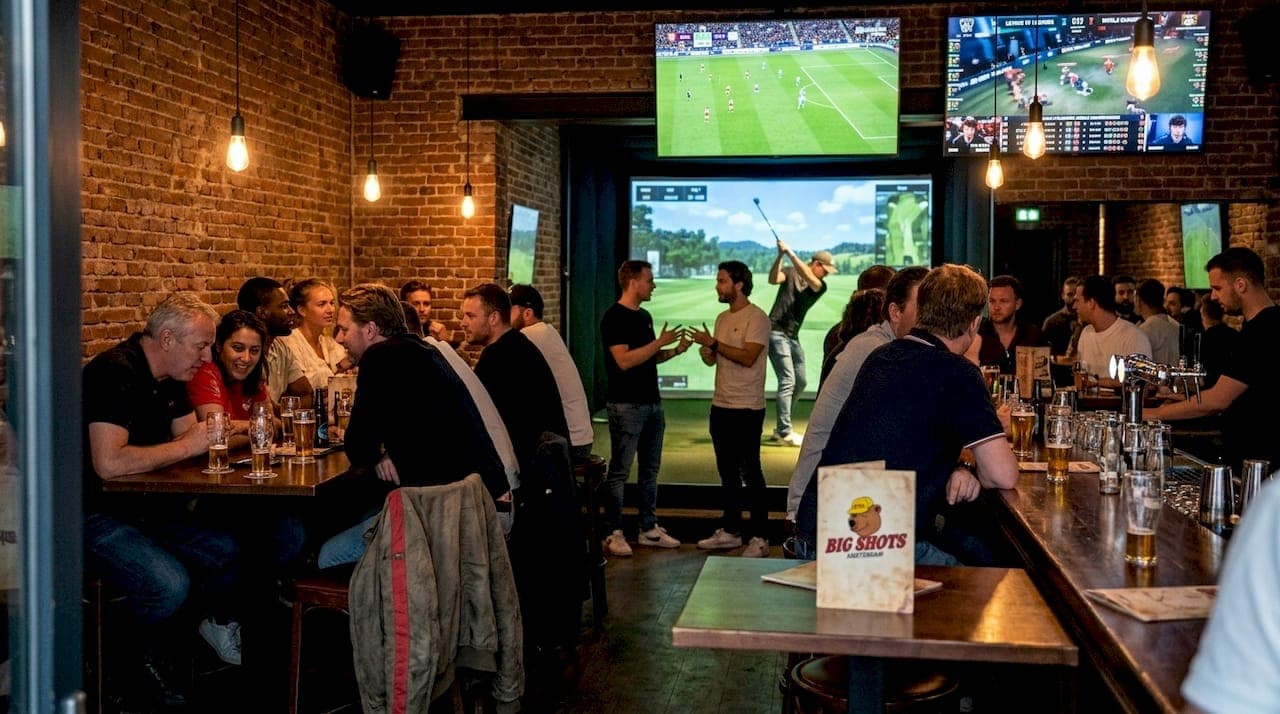
Sports bars are shedding their old reputation as simple TV hangouts and transforming into innovative social hubs that blend entertainment, technology, and premium dining. The shift is dramatic: venues now feature golf simulators, VR gaming, esports arenas, and chef-driven menus that rival upscale restaurants. This evolution reflects changing consumer expectations as patrons seek immersive experiences beyond passive viewing. Whether you're a nightlife enthusiast or a venue operator, understanding these trends reveals how sports bars are redefining social entertainment in 2026. From hybrid concepts to AI-powered operations, the landscape is more dynamic than ever.
Table of Contents
- Key Takeaways
- The rise of hybrid sports bar experiences
- Advanced technology reshaping sports bar operations
- Evolving menu preferences reflect health and global flavor trends
- Demographic shifts and profitability factors in 2026 sports bars
- Discover the ultimate sports bar experience
- Frequently asked questions about sports bar trends in 2026
Key Takeaways
| Point | Details |
|---|---|
| Hybrid sports bars | Hybrid venues blend live viewing with gaming simulators and upscale dining to extend visits and boost revenue. |
| Premium dining focus | Chef driven menus with seasonal ingredients and global flavors position venues as premium destinations. |
| Health and global flavors | Menu trends emphasize health conscious options low alcohol choices and bold international flavors alongside wings as a top seller. |
| Demographic shift effects | Growing female viewership and millennial engagement shape atmosphere and offerings. |
| Event driven profitability | Profitability surges during major sports events through innovation and targeted marketing. |
The rise of hybrid sports bar experiences
The traditional sports bar model is giving way to hybrid concepts that merge multiple entertainment formats under one roof. These venues combine live sports viewing with interactive gaming, golf simulators, VR experiences, and upscale dining to create multifaceted destinations. The approach transforms passive spectators into active participants, extending visit duration and boosting per-customer spending. Venues like PLAY Sporting Lounge and F1 Arcade exemplify this trend by offering golf simulators, racing rigs, and premium cocktail programs alongside traditional game viewing.
This fusion appeals to diverse audiences who want more than static screen time. Younger patrons gravitate toward esports viewing areas and arcade gaming zones, while older demographics appreciate golf simulators and elevated food offerings. The integration creates natural conversation starters and social interaction beyond cheering for teams. Venues can monetize multiple revenue streams simultaneously: simulator rentals, gaming fees, food and beverage sales, and event hosting. The model also smooths revenue fluctuations by attracting guests even during off-peak sports seasons.
Chef-driven menus elevate the culinary experience far beyond standard bar fare. These hybrid venues partner with talented chefs to offer dishes that compete with standalone restaurants, featuring seasonal ingredients, creative presentations, and international influences. The food becomes a destination draw rather than an afterthought. Premium dining paired with entertainment creates a compelling value proposition that justifies higher price points and attracts clientele willing to spend more per visit.
Pro Tip: If you're planning a sports bar visit, check whether the venue offers simulator or gaming experiences in advance. Booking these activities alongside table reservations ensures you maximize your entertainment options without wait times.
Key elements driving hybrid sports bar success include:
- Top-tier golf and racing simulators that replicate professional experiences
- VR and AR zones offering immersive fan engagement and game replays
- Dedicated esports viewing areas with gaming stations for participation
- Arcade games and interactive entertainment appealing to non-sports fans
- Chef-curated menus with seasonal rotations and premium ingredients
- Flexible space design accommodating private events and large groups
- Integrated booking systems managing simulator time slots and table reservations
Advanced technology reshaping sports bar operations
Technology has become the backbone of modern sports bar operations, optimizing everything from game coverage to customer service. The sheer number of screens in today's venues creates unprecedented viewing flexibility, with 92% of sports bars featuring 10 or more TVs to accommodate multiple simultaneous games. This proliferation allows patrons to choose their preferred viewing angle and game, reducing conflicts over channel selection. Digital signage complements traditional TVs by displaying dynamic menus, promotions, and real-time odds, driving impulse purchases and increasing overall sales by 30%.
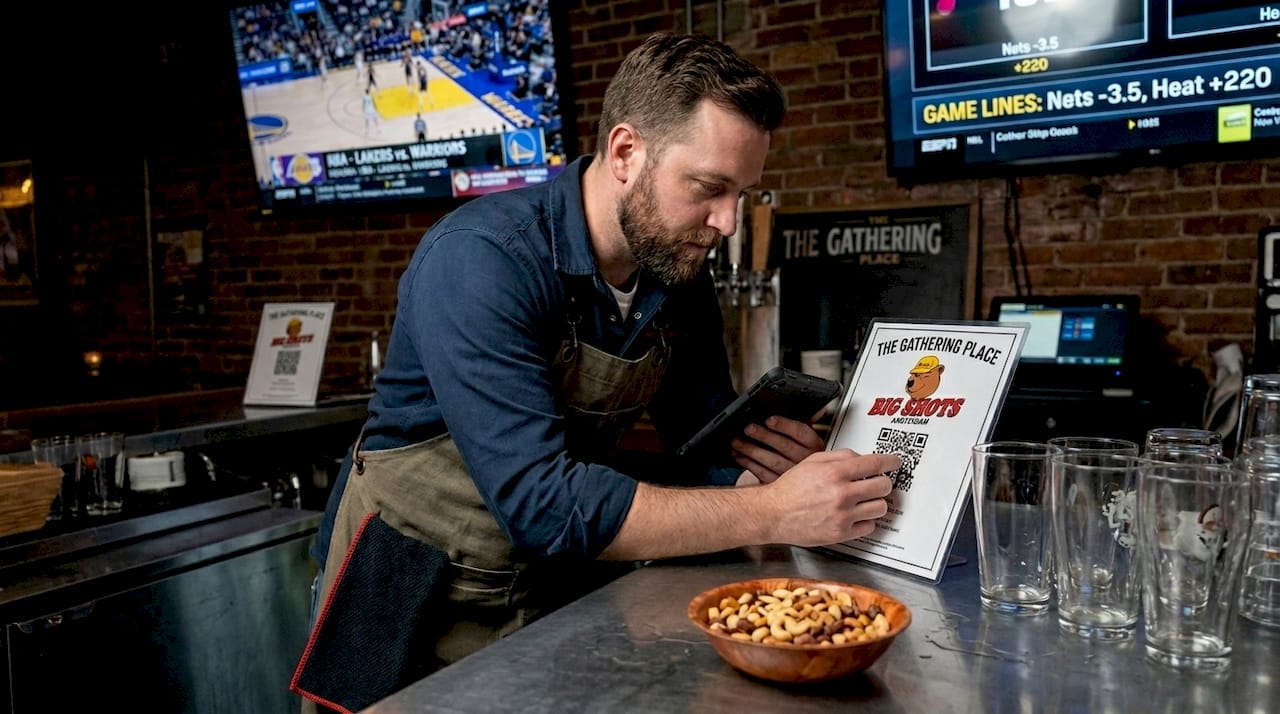
QR code menus have revolutionized ordering efficiency and customer autonomy. Adoption skyrocketed 600% since 2020 as venues recognized the dual benefits of contactless service and reduced labor costs. Patrons scan codes at their tables to browse menus, place orders, and pay without flagging down servers during crucial game moments. This technology speeds table turnover during peak periods and captures orders that might otherwise be lost when staff are overwhelmed. The data collected through digital ordering also provides valuable insights into popular items and peak ordering times.
Artificial intelligence is transforming how venues manage their most valuable asset: screen real estate. Tools like GameMaster automate TV scheduling by analyzing customer preferences, game importance, and viewing patterns to optimize which games appear on which screens. The system learns from patron behavior, adjusting coverage to maximize engagement and satisfaction. This eliminates guesswork and staff disputes over programming decisions while ensuring high-value customers see their preferred teams.
Emerging betting integration represents the next frontier in sports bar technology. Kiosks and mobile betting platforms embedded within venues allow patrons to place wagers without leaving their seats, creating a seamless entertainment loop. Micro-betting on individual plays or quarters keeps engagement high throughout entire games rather than just during final minutes. Venues benefit from extended dwell time as bettors stay to watch outcomes, ordering additional rounds of food and drinks. Regulatory frameworks continue evolving to support this integration while maintaining responsible gaming standards.
Pro Tip: When visiting a tech-forward sports bar, download any recommended apps before arriving. Pre-loading venue apps or betting platforms ensures you can order and engage immediately without fumbling with downloads during exciting game moments.
Technology advantages transforming sports bar operations:
- Extensive TV arrays providing personalized viewing for diverse patron preferences
- QR code ordering reducing wait times and capturing more sales
- Digital signage boosting impulse purchases through dynamic visual merchandising
- AI scheduling tools optimizing game coverage based on audience analytics
- Integrated betting kiosks creating seamless wagering experiences
- Real-time inventory management preventing stockouts during peak demand
- Customer data platforms enabling targeted promotions and loyalty programs
Evolving menu preferences reflect health and global flavor trends
Consumer tastes are shifting dramatically, pushing sports bars to reimagine their food and beverage offerings. Health consciousness has reached the bar scene, with 49% of Gen Z reducing alcohol consumption and driving demand for sophisticated low-alcohol and non-alcoholic alternatives. Craft mocktails, premium sodas, and alcohol-free beers now occupy prominent menu positions rather than being afterthoughts. This trend expands the potential customer base to include designated drivers, fitness enthusiasts, and younger patrons exploring nightlife without heavy drinking.
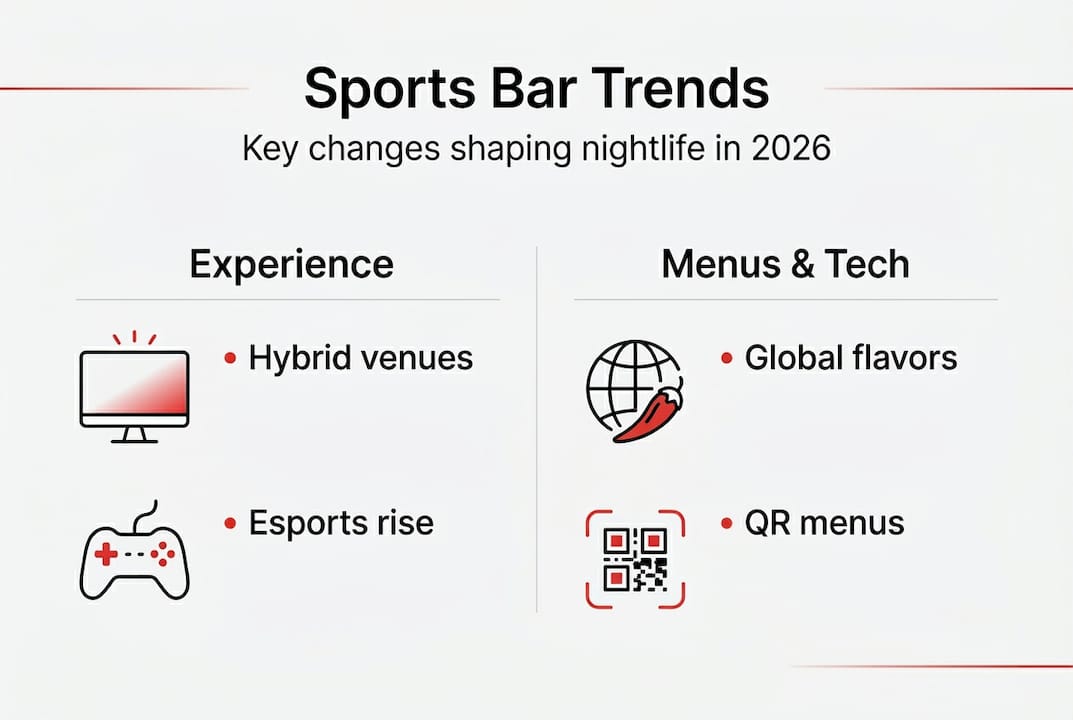
Global flavors are exploding across sports bar menus as patrons seek bold, adventurous tastes beyond traditional American fare. Korean fried chicken with gochujang glaze, Caribbean jerk wings, and Mexican street corn have become mainstream offerings. These international influences add excitement and differentiation in a crowded market while appealing to increasingly diverse urban populations. The fusion approach allows venues to maintain crowd-pleasing classics while showcasing culinary creativity that attracts food-focused customers.
Despite innovation, wings remain king: 82% of food sales center on this iconic sports bar staple. However, preparation methods and flavor profiles have evolved dramatically. Venues now offer 15 to 20 sauce varieties spanning heat levels, global cuisines, and dietary preferences. Dry rubs, smoked preparations, and boneless options cater to different eating styles and preferences. The wing's enduring popularity provides a reliable revenue anchor while allowing creative experimentation in sauces and presentations.
Healthier snacking options are gaining traction, especially around major sporting events. Research shows 59% of consumers want healthier Super Bowl snacks, pushing venues to offer vegetable-forward appetizers, lean proteins, and high-fiber options alongside traditional fried fare. Venues balance indulgence with nutrition by featuring grilled items, fresh salads, and plant-based proteins. This approach captures health-conscious patrons without alienating traditionalists seeking comfort food.
Pro Tip: Ask your server about daily or weekly flavor specials on wings and appetizers. Many venues rotate limited-time offerings that showcase seasonal ingredients or test new concepts before adding them permanently.
| Menu Category | Traditional Option | 2026 Innovation |
|---|---|---|
| Beverages | Domestic draft beer | Craft mocktails and low-alcohol IPAs |
| Appetizers | Classic buffalo wings | Korean gochujang or jerk-spiced wings |
| Entrees | Burgers and nachos | Plant-based burgers and poke bowls |
| Snacks | Fried mozzarella sticks | Grilled vegetable skewers with hummus |
Menu trends shaping 2026 sports bars:
- Low and no-alcohol beverages appealing to health-conscious Gen Z
- Bold international flavors from Korean, Caribbean, and Latin cuisines
- Wings remaining dominant but with expanded global sauce varieties
- Premium craft beers and local brewery partnerships
- High-fiber and plant-forward snacks for health-focused patrons
- Seasonal menu rotations highlighting fresh, local ingredients
- Customizable options accommodating dietary restrictions and preferences
Demographic shifts and profitability factors in 2026 sports bars
Understanding who walks through the door shapes every aspect of sports bar strategy. Current demographics show 75% male patrons dominate sports bar traffic, but this majority is narrowing as women's sports viewership climbs 15% since 2021. This growth influences everything from game selection to atmosphere design, with successful venues programming more women's basketball, soccer, and tennis alongside traditional male-dominated sports. The shift creates opportunities to capture underserved audiences and differentiate from competitors stuck in outdated programming models.
Age distribution centers heavily on the 25 to 44 demographic, representing 52% of sports bar patrons. This millennial and older Gen Z cohort drives demand for experiential entertainment, technology integration, and Instagram-worthy moments. They value authentic experiences over generic chains and seek venues offering unique atmospheres and shareable content. Younger patrons also demonstrate higher engagement with interactive elements like simulators and gaming, making hybrid concepts particularly appealing to this core audience. Understanding generational preferences allows targeted marketing and menu design that resonates with high-value customers.
Profitability in sports bars correlates strongly with event-driven traffic surges. Major games, playoffs, and championships create revenue spikes that can represent 30% to 40% of monthly income during peak sports seasons. Successful venues maximize these opportunities through advanced reservations, minimum spending requirements, and special event menus with premium pricing. The challenge lies in maintaining steady traffic during off-peak periods, which hybrid entertainment options and diverse programming help address. Venues that smooth revenue fluctuations through non-sports attractions achieve more consistent profitability year-round.
Financial performance metrics reveal sports bars average $430,000 in annual revenue with net profit margins between 10% and 15% when operated efficiently. These figures reflect successful venues that balance food costs, labor expenses, and marketing investments while maintaining strong customer traffic. Innovation drives profitability by justifying premium pricing and attracting customers willing to spend more per visit. Venues offering unique experiences command higher average checks than traditional bars relying solely on drink sales and basic food.
| Demographic Factor | Current Data | Business Impact |
|---|---|---|
| Gender split | 75% male, 25% female | Growing female viewership influences programming |
| Core age group | 52% aged 25-44 | Millennial preferences drive tech and experience focus |
| Average revenue | $430,000 annually | Viable business model with proper management |
| Net profit margin | 10-15% typical | Innovation and events boost profitability |
Demographic and profitability insights:
- Male majority persists but female sports viewership rising rapidly
- Millennial and Gen Z patrons seek experiential and shareable moments
- Event-driven surges create significant revenue concentration
- Year-round programming smooths income fluctuations
- Premium experiences justify higher per-customer spending
- Targeted marketing to core demographics improves conversion rates
Discover the ultimate sports bar experience
After exploring how sports bars are evolving with cutting-edge technology, diverse menus, and hybrid entertainment, you might wonder where to experience these innovations firsthand. Amsterdam offers a prime example of this transformation in action. Bigshots Amsterdam embodies the modern sports bar concept by seamlessly blending premier game viewing with interactive entertainment and quality dining. The venue features multiple screens for comprehensive sports coverage while offering an atmosphere perfect for casual hangouts or lively nights out with friends.
What sets this destination apart is its multifaceted approach to hospitality. Beyond sports viewing, you'll find diverse entertainment options and a carefully curated menu featuring everything from breakfast offerings to premium steaks and gourmet dishes. The relaxed yet engaging atmosphere makes it ideal whether you're catching a major game, enjoying craft cocktails, or simply unwinding after a long day. For sports enthusiasts and nightlife seekers in Amsterdam, Bigshots Amsterdam delivers the complete package that defines 2026's sports bar evolution.
Frequently asked questions about sports bar trends in 2026
What are hybrid sports bars?
Hybrid sports bars combine traditional game viewing with interactive entertainment like golf simulators, VR gaming, esports areas, and arcade games. These venues also feature chef-driven premium dining that elevates the experience beyond standard bar food. The model creates multiple revenue streams and appeals to diverse audiences seeking active participation rather than passive viewing.
How is technology changing sports bars?
Technology transforms sports bars through AI-powered game scheduling, extensive TV arrays, QR code ordering systems, and digital signage that boosts sales. Venues now integrate betting kiosks for seamless wagering experiences and use customer data platforms for targeted marketing. These innovations optimize operations, improve service speed, and enhance patron engagement throughout their visit.
What food trends dominate sports bars?
Health-conscious options including low-alcohol beverages and high-fiber snacks are gaining prominence alongside bold global flavors from Korean, Caribbean, and Latin cuisines. Wings remain the top seller but now feature diverse international sauces and preparation methods. Plant-based proteins and seasonal ingredients appeal to evolving dietary preferences while maintaining traditional crowd-pleasers.
Who is the typical sports bar patron today?
The typical patron is male, aged 25 to 44, representing the millennial and older Gen Z demographic. However, female viewership is rising significantly, up 15% since 2021, especially for women's sports programming. This core audience values experiential entertainment, technology integration, and shareable moments that extend beyond simple game watching.
How profitable are sports bars in 2026?
Sports bars average $430,000 in annual revenue with net profit margins between 10% and 15% when managed effectively. Profitability surges during major sporting events, which can account for 30% to 40% of monthly income during peak seasons. Venues that innovate with hybrid concepts and diverse programming achieve more consistent year-round profitability by smoothing revenue fluctuations.