
TL;DR:
- Dining experiences vary from formal fine dining with precise service to casual settings emphasizing comfort and ambience. Experiential, interactive, and pop-up formats are increasingly popular for their storytelling, social engagement, and exclusivity. Matching the occasion, service style, and guest involvement creates memorable meals beyond just the cuisine.
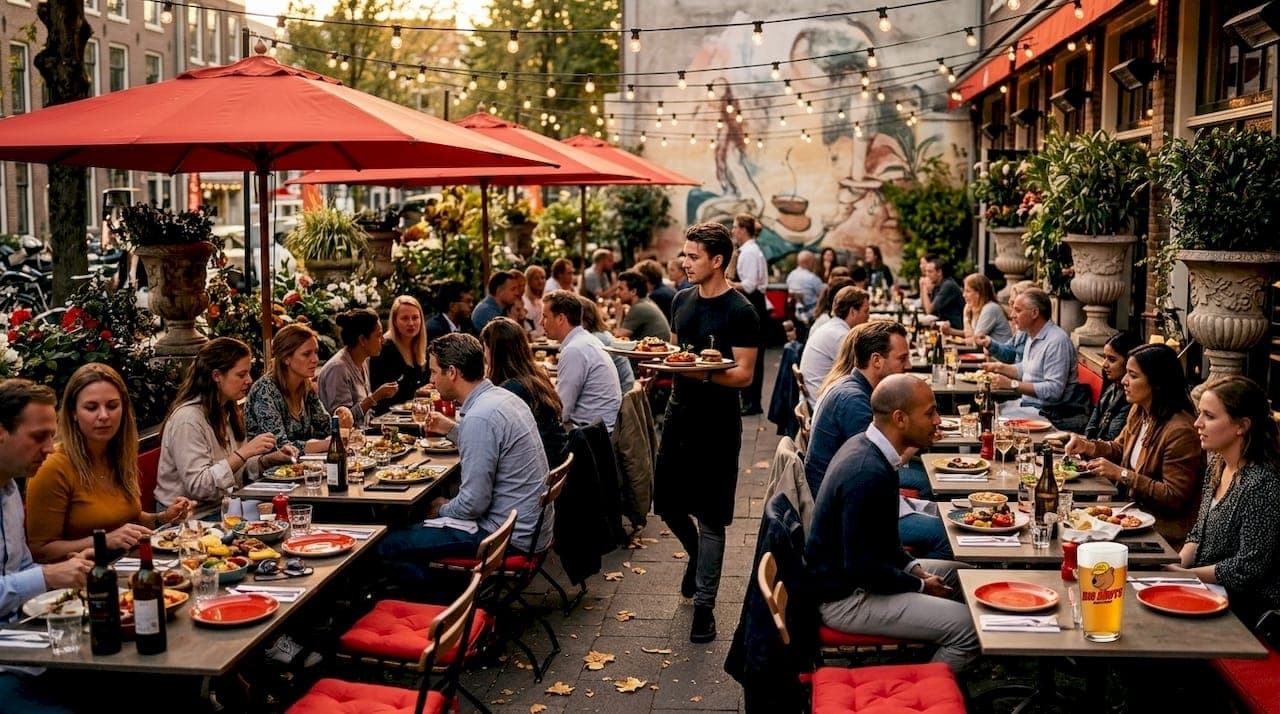
Types of dining experiences are defined by how meals are served, the atmosphere created, and the level of guest involvement, ranging from counter-order fast casual to immersive, multi-sensory theatrical meals. The MICHELIN Guide alone recognizes this spectrum through three distinct rating tiers, awarding Stars for culinary craft, Bib Gourmand for value, and Green Stars for sustainability. Whether you are planning a quick weekday lunch, a romantic dinner in Amsterdam, or an adventurous themed meal, knowing the categories in advance saves you from mismatched expectations. This guide covers every major format, from traditional service styles to the most talked-about experiential dining concepts emerging in 2026.
1. Fine dining: the gold standard of restaurant experiences
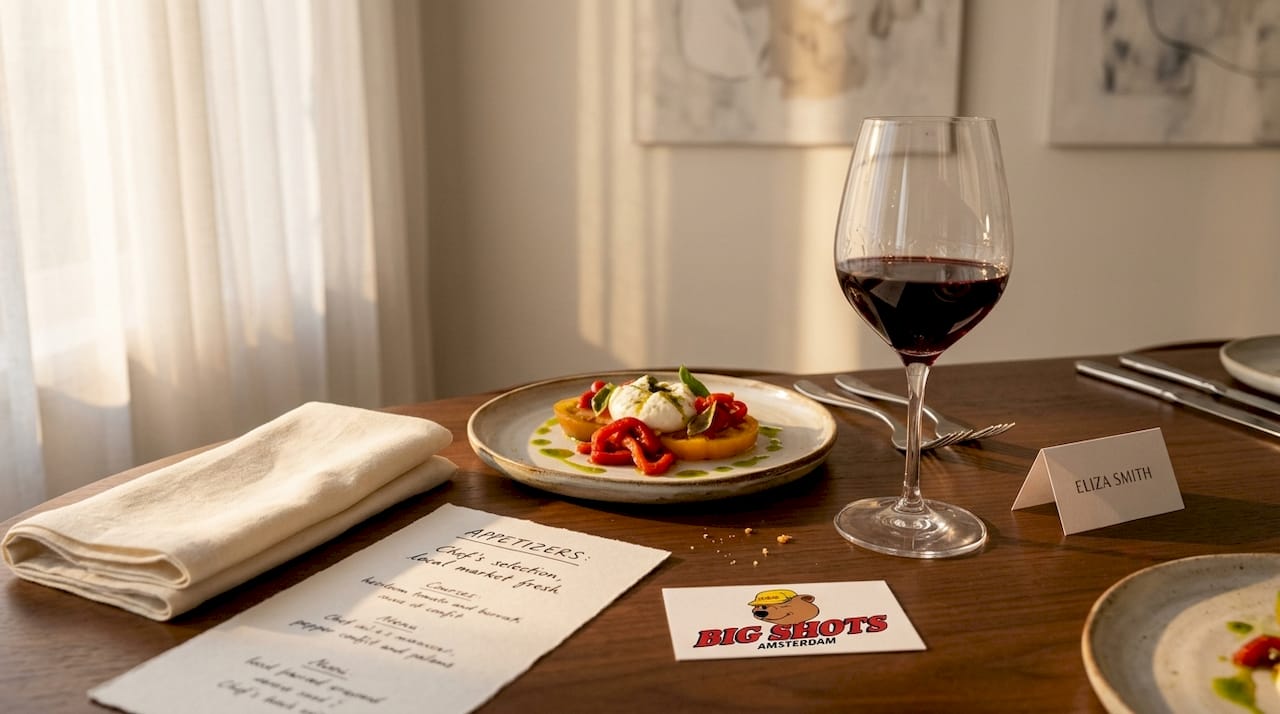
Fine dining is the highest level of formal restaurant service, defined by upscale ambiance, multi-course menus, and highly trained staff executing precise service choreography. Every detail, from the weight of the silverware to the spacing between courses, is intentional. Reservations are expected, dress codes are common, and the meal itself is treated as an event rather than a transaction. MICHELIN-starred restaurants like Eleven Madison Park in New York or De Librije in the Netherlands represent the pinnacle of this format.
The price point reflects the investment in ingredients, staff training, and environment. Fine dining is the right choice when the occasion demands it: anniversaries, business dinners, or milestone celebrations where the experience itself is the gift.
2. Casual dining: relaxed sit-down service
Casual dining offers moderate prices and laid-back full table service with attentive staff. Think Applebee's in the US or a neighborhood bistro in Paris. You are seated, handed a menu, and served by a dedicated server, but the atmosphere is approachable and the dress code is nonexistent. This format works for family dinners, friend gatherings, and dates where comfort matters more than ceremony.
Casual dining restaurants typically offer broader menus than fine dining, covering appetizers, mains, desserts, and a full bar. The trade-off is that the experience is less curated. You get reliability and comfort, not revelation.
3. Fast casual: counter ordering with fresh food
Fast casual sits between casual dining and quick service. You order at a counter, food is freshly prepared to order, and you either pick it up or have it brought to your table. Chipotle, Shake Shack, and Amsterdam's own Wok to Walk operate in this space. The classification by Chef Royale places fast casual as counter-ordering with fresher ingredients and a slightly higher price point than traditional fast food.
This format appeals to diners who want quality without the time commitment of a sit-down meal. It is the dominant growth category in urban food markets globally, driven by lunch crowds and solo diners who value speed and ingredient transparency.
Pro Tip: If you want fast casual quality with a social atmosphere, look for venues that combine counter ordering with communal seating. The food arrives fast, but the environment encourages you to stay.
4. Quick service restaurants (QSRs): speed and convenience
Quick service restaurants prioritize speed above all else. McDonald's, KFC, and Subway are the global benchmarks. Service is minimal, menus are standardized, and the entire model is built around throughput. The service model is self-service or counter pickup with no table service component.
QSRs are not trying to create a dining experience in the traditional sense. They solve a specific problem: getting food into your hands quickly at a predictable price. For travelers, commuters, and families on the move, that is exactly what is needed.
5. Buffet and family-style dining: shared plates and self-service
Buffet dining gives guests control over their meal by letting them select from a spread of dishes at their own pace. Buffet-style restaurants saw a 15% increase in patronage driven by consumer demand for flexible self-service options. That growth reflects a real shift: diners want variety, dietary flexibility, and the ability to try multiple dishes without committing to a single order.
Family-style dining is a close cousin. Dishes arrive at the table in large portions meant for sharing, common in Chinese, Korean, and Italian restaurant traditions. Both formats are ideal for groups with diverse preferences, since everyone finds something they want without negotiating a single shared menu.
6. Experiential and themed dining: meals as performance
Experiential dining turns meals into immersive experiences using themes, storytelling, and multi-sensory design. This category includes dinner theater, escape room restaurants, dark dining (eating in complete darkness), and elaborately themed environments like the Rainforest Cafe or Tokyo's Robot Restaurant. The food is rarely the only point. The atmosphere, narrative, and interaction are equally weighted.
Themed dining restaurants are particularly effective for groups, tourists, and anyone celebrating a special occasion. They create a story you retell afterward, which is the clearest sign a dining experience succeeded. For insights on how restaurant atmosphere shapes the entire guest experience, the design choices behind themed venues reveal just how deliberate this storytelling can be.
7. Interactive dining: you are part of the cooking
Interactive dining concepts place the diner inside the cooking process. Korean BBQ, hot pot, raclette, and shabu-shabu all require guests to cook their own food at the table. This format is inherently social. The act of cooking together creates conversation, laughter, and a shared investment in the meal. It also removes the passivity of traditional dining.
This is one of the fastest-growing cultural dining experiences globally, driven by the popularity of East Asian food culture in Western markets. Amsterdam alone has seen a significant rise in Korean and Japanese hot pot venues over the past three years. For a broader look at Amsterdam's dining trends in 2026, interactive formats are consistently among the most searched and reviewed.
8. Tech-driven and AI-enhanced dining
Technology is reshaping what a dining experience can be. Readles, a cafe in Dubai Mall, combines AI-led storytelling with multi-daypart menus and an immersive atmosphere to create a fairytale dining concept. Guests interact with AI-generated narratives while eating, turning a meal into a participatory story. This is not a gimmick. It represents a genuine evolution in how restaurants use technology to deepen emotional engagement.
Other tech-driven formats include QR-code menus with augmented reality overlays, robot-delivered dishes, and AI-generated personalized menus based on dietary history. These formats appeal strongly to younger diners and tech-curious travelers who want novelty alongside quality food.
9. Pop-up and supper club dining: exclusivity and discovery
Pop-up restaurants and supper clubs operate outside permanent venues, often in private homes, rooftops, warehouses, or temporary spaces. They are defined by limited availability, a single chef's vision, and an element of discovery. Guests often do not know the exact location until shortly before the event. This format has produced some of the most talked-about dining experiences in cities like London, New York, and Amsterdam.
The appeal is scarcity and intimacy. A supper club with 12 seats and a single fixed menu creates a fundamentally different dynamic than a 200-seat restaurant. For food enthusiasts who have exhausted conventional dining options, pop-ups offer genuine surprise. Exploring exclusive dining experiences in destination contexts, like Sardinia's private coastal dinners, shows how location and exclusivity combine to create something no permanent restaurant can replicate.
10. Romantic and destination dining: setting as the experience
Romantic dining settings use location, lighting, and intimacy to make the meal secondary to the moment. Cliffside restaurants in Santorini, candlelit cellars in Prague, and rooftop tables overlooking Amsterdam's canals all sell the setting as much as the food. The cuisine matters, but the memory is built by the environment.
Destination dining takes this further. Traveling specifically to eat at a restaurant, whether it is Noma in Copenhagen or a family-run trattoria in rural Tuscany, turns the meal into a travel anchor. The MICHELIN Guide's Green Star for sustainability has added a new dimension to destination dining, directing food travelers toward restaurants that combine culinary excellence with environmental responsibility.
11. Service styles that define the dining experience
American, French, and Russian service styles influence pacing, plating, and guest interaction in ways that make similar cuisine feel entirely different. American service plates food in the kitchen and delivers it directly. French service involves tableside preparation, like carving or flambéing. Russian service presents dishes to the table and portions them in front of guests. Each style signals a different level of formality and guest involvement.
Understanding service style helps you set expectations before you arrive. A restaurant using French service is signaling a slower, more theatrical meal. American service signals efficiency and consistency. Matching your mood and occasion to the service style is one of the most underrated skills a food enthusiast can develop. For practical guidance on maximizing every restaurant meal, service style awareness is one of the first things worth learning.
Key takeaways
The right dining experience is determined by service style, ambiance, and level of guest involvement, and matching those factors to your occasion is what separates a memorable meal from a forgettable one.
| Point | Details |
|---|---|
| Service style sets expectations | American, French, and Russian styles signal formality, pacing, and guest interaction before food arrives. |
| Experiential dining goes beyond food | Themed, interactive, and tech-driven formats use storytelling and participation to create lasting memories. |
| MICHELIN Guide navigates quality tiers | Stars, Bib Gourmand, and Green Stars help diners choose by craft, value, or sustainability priorities. |
| Buffet and interactive formats suit groups | Shared-plate and self-service models accommodate diverse preferences without requiring a single agreed menu. |
| Pop-ups and supper clubs offer exclusivity | Limited-seat, location-based dining creates intimacy and discovery that permanent restaurants cannot replicate. |
Why I think most diners are playing it too safe
After spending years eating across formats from MICHELIN-starred tasting menus to underground supper clubs in Amsterdam, the pattern I keep seeing is this: most food enthusiasts default to casual dining for comfort and fine dining for occasions, and they never explore the space in between. That middle ground is where the most interesting dining is happening right now.
Interactive formats like Korean BBQ and hot pot are not just trendy. They fundamentally change the social dynamic of a meal in a way that a standard sit-down dinner cannot. When you are cooking together, the conversation changes. The meal becomes collaborative. I have had more genuinely memorable evenings at a hot pot table than at restaurants with two MICHELIN stars, and that is not a knock on fine dining. It is an observation about what creates connection.
The other thing most guides do not tell you is that service style matters as much as the menu. I have eaten identical dishes at two restaurants where one used French tableside service and the other used American plating, and they felt like completely different meals. The choreography of how food arrives shapes your perception of its quality. That is worth knowing before you book.
My honest recommendation: pick one format you have never tried this year and commit to it fully. Go to a supper club. Book a hot pot dinner for six friends. Try a venue that combines dining with live entertainment. The social dimension of dining out is something you only unlock when you step outside your usual format. The food is the excuse. The experience is the point.
— Leo
Experience it yourself at Bigshotsamsterdam
Bigshotsamsterdam brings together the best elements of casual and experiential dining under one roof in Amsterdam. The venue combines a restaurant, sports bar, shisha lounge, and café, creating a space where a relaxed dinner can naturally extend into a lively night out. The menu covers everything from gourmet steaks and breakfast dishes to craft cocktails, with a kitchen that takes the food as seriously as the atmosphere. Whether you are looking for a laid-back meal with friends, a romantic evening, or a group night that includes live sports and great drinks, Bigshotsamsterdam delivers the kind of flexible, high-energy experience that Amsterdam does better than almost anywhere else. Check the menu, make a reservation, and see what a truly versatile dining venue looks like.
FAQ
What are the main types of dining experiences?
The main types are fine dining, casual dining, fast casual, quick service, buffet, experiential, interactive, and pop-up dining. Each differs by service style, price point, and level of guest involvement.
What is experiential dining?
Experiential dining turns a meal into an immersive event using themes, storytelling, performance, or technology. It prioritizes emotional engagement alongside food quality.
How do I choose the right dining experience for my occasion?
Match the format to your goal: fine dining for formal occasions, casual dining for comfort, interactive formats for social groups, and pop-ups or themed restaurants for novelty and discovery.
What does the MICHELIN Guide tell you about dining types?
The MICHELIN Guide uses Stars for culinary excellence, Bib Gourmand for exceptional value, and Green Stars for sustainability, giving diners a framework to choose restaurants by their specific priorities.
What is the difference between fast casual and quick service?
Fast casual features counter ordering with freshly prepared food and a slightly higher price point, while quick service restaurants prioritize speed and standardization with minimal or no table service.