
TL;DR:
- Social venues are physical spaces outside of home and work where people gather to eat, drink, or socialize. They shape social bonds through design, activity, and atmosphere, influencing how communities connect. Choosing the right venue involves matching the occasion and group size to the venue type and layout.
Social venues are defined as physical spaces where people gather outside of home and work to eat, drink, and connect. Sociologist Ray Oldenburg coined the term "third places" in 1989 to describe exactly these spaces, and his framework remains the standard lens for classifying them today. The types of social venues you choose shape the quality of your social life more than most people realize. This guide breaks down every major category, explains what makes each one work, and helps you pick the right space for your group and occasion.
1. What are the main types of social venues?
Social venues classify into five broad functional groups. Each group serves a different social purpose and attracts a different crowd.
- Event venues: Convention centers, theaters, and stadiums host ticketed or booked events. The social experience is structured around a shared program, not open-ended conversation.
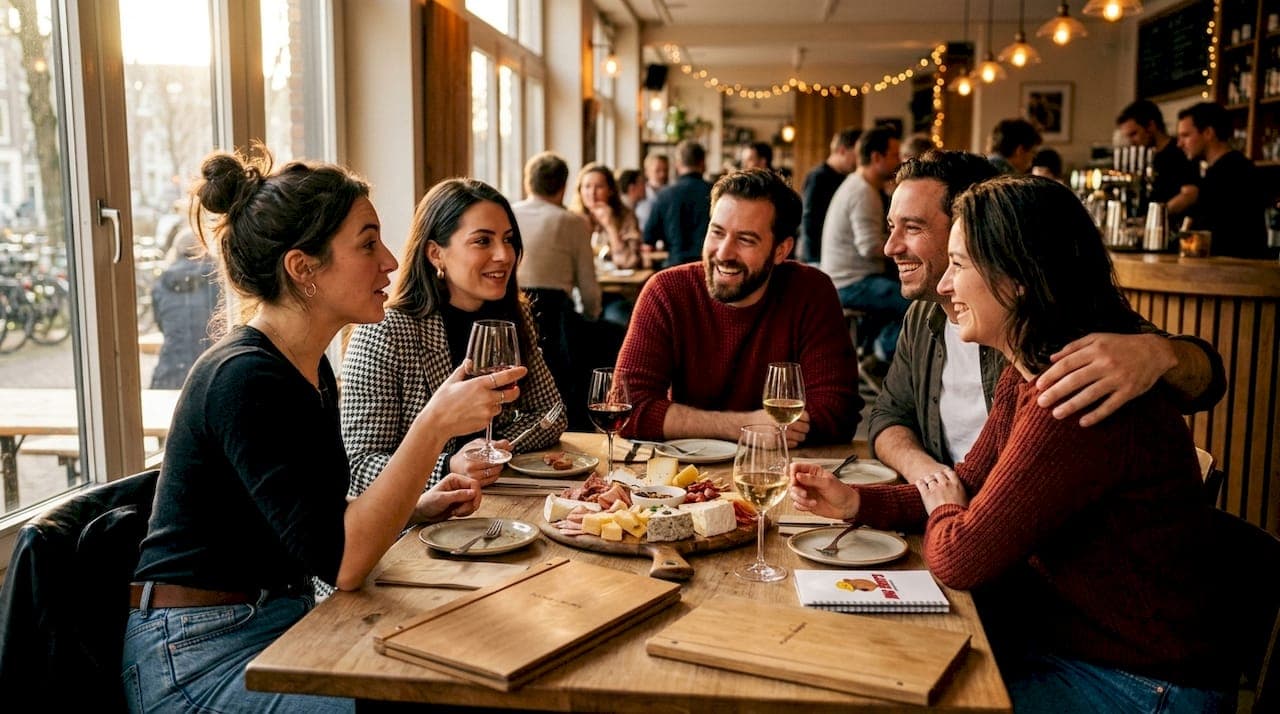
- Social lounges: Boutique bars, café lounges, and wine bars prioritize lingering. Cluster seating and low lighting signal that staying is the point.
- Nightlife and performance venues: Nightclubs, live music halls, and comedy clubs center on high-energy entertainment. The crowd, the sound, and the floor plan all push toward collective experience.
- Specialty hubs: Cigar lounges, hookah bars, and gaming lounges serve niche communities. Regulars share a specific interest, which accelerates social bonding.
- Competitive socializing venues: Bowling alleys, arcade bars, and immersive gaming spaces combine central activities with food and drink. They sit between a traditional bar and a leisure center.
Understanding these five categories gives you a practical map. You can match any occasion to a venue type before you even start searching.
2. How casual cafes and community centers function as social venues
Cafés and community centers are the most accessible social event spaces available. They require no ticket, no reservation, and no dress code. That low barrier is exactly what makes them powerful.
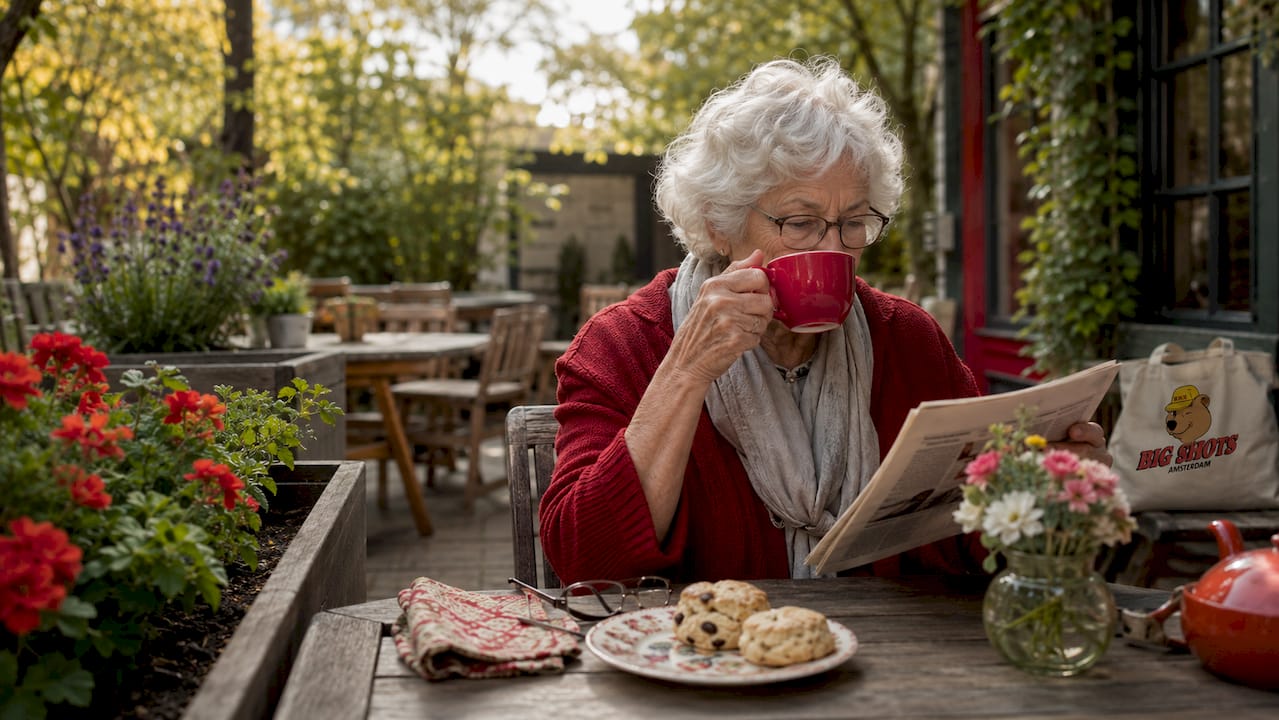
Cafés and bars historically serve as neutral ground where people from different backgrounds meet without the pressure of a formal setting. The "home away from home" quality encourages repeat visits, and repeat visits are what build real social bonds. A community center adds programming, such as language classes, board game nights, or open mic events, which gives strangers a shared reason to interact.
The "regular's algorithm" is the mechanism behind this: visiting the same place consistently over weeks turns acquaintances into friends. No single visit does the work. The accumulation does.
Design features that make these spaces work include:
- Cluster seating arranged in small groups rather than rows
- Ambient noise levels low enough for conversation
- Flexible layouts that accommodate two people or twenty
- Community boards or shared tables that invite interaction with strangers
Pro Tip: If you want to build a social circle from scratch, pick one café and visit it at the same time every week for a month. Familiarity with the staff and regulars does more for your social life than attending a dozen one-off events.
For a deeper look at how Amsterdam cafes activate this kind of community dynamic, the pattern holds across the city's most beloved neighborhood spots.
3. What distinguishes nightlife and entertainment venues from other social spaces
Nightlife venues are built for collective energy, not intimate conversation. That distinction matters when you are choosing where to take a group.
A nightclub or live music hall uses sound, lighting, and crowd density as tools. Sophisticated venues use lighting, seating, and music volume to curate their crowd and filter attendees for social fit. If a venue feels "off" to you, it is often because the curated demographic does not match your own. That is not accidental. It is a deliberate design choice.
Key features that define nightlife and performance spaces:
- Dance floors and professional staging that shift focus from conversation to shared spectacle
- High music volume that reduces verbal interaction and increases physical, collective experience
- Curated crowd selection through pricing, dress codes, and booking policies
- Lighting design that sets emotional tone and signals the type of night expected
Pro Tip: Arrive at a nightlife venue early, before the crowd peaks. The first hour gives you the best chance for actual conversation before volume and density make it impossible.
The social atmosphere of a nightlife venue is its primary product. The drinks are secondary. Recognizing this helps you set the right expectations before you walk in.
4. How competitive socializing and specialty hobby venues shape modern social experiences
Competitive socializing venues are the fastest-growing category of social event spaces in 2026. They solve a specific problem: many adults find it awkward to socialize without a shared activity to anchor the interaction.
These venues range from low-tech board games to high-tech commercial spaces, and all of them use a central activity to reduce social friction. Bowling, darts, shuffleboard, and immersive escape rooms give groups something to do together. Food and drink are built into the experience, not bolted on as an afterthought.
Different social venues focus on either passive observation or active participation. Activity-driven venues engage guests differently and produce stronger group memories than passive settings.
| Venue type | Primary activity | Social dynamic |
|---|---|---|
| Arcade bar | Retro gaming | Playful, competitive |
| Bowling alley | Lane bowling | Team-oriented |
| Escape room venue | Puzzle solving | Collaborative |
| Hookah or shisha lounge | Shared smoking ritual | Relaxed, conversational |
| Gaming lounge | Console or PC gaming | Niche community |
Specialty lounges serve a different but related function. A cigar lounge or shisha bar centers on a shared ritual that slows people down and encourages long conversations. The activity is not competitive. It is contemplative. Both formats build community loyalty that a standard bar rarely achieves.
For a broader view of how dining and social activities combine in modern hospitality, the pattern of activity plus food plus drink appears across every successful format.
5. How to choose the right social venue for your group and occasion
Venue selection is an act of community building, not just logistics. Experts in community psychology stress that choosing venues deliberately combats isolation and builds civic participation. That framing changes how you approach the decision.
Use this framework:
- Match venue type to occasion. A casual weeknight catch-up fits a café or social lounge. A birthday celebration fits a competitive socializing venue or a nightlife bar. A first meeting with new acquaintances fits a low-pressure community space.
- Assess the seating layout. Circular or clustered seating facilitates face-to-face conversation better than rows of chairs facing a screen. If the layout pushes everyone toward passive observation, conversation will suffer.
- Consider group size. Intimate venues work for groups of two to six. Larger groups need event venues or competitive socializing spaces with enough activity to keep everyone engaged.
- Read the atmosphere curation. Pricing, music volume, and dress expectations all signal who the venue is designed for. Match your group's energy to the venue's curated demographic.
- Factor in accessibility and convenience. The best venue is one your group will actually attend. A slightly less exciting space that everyone can reach beats a perfect venue that half the group skips.
Pro Tip: For groups that do not know each other well, choose a competitive socializing venue over a bar. A shared activity gives everyone something to talk about and removes the pressure of sustaining conversation from scratch.
Exploring casual hangout venues in Amsterdam shows how this framework plays out in a city with one of Europe's most varied hospitality scenes. The right venue type consistently outperforms the "best-reviewed" venue when the match to occasion is wrong.
You can also find inspiration in guides that combine lodging and dining, such as this gastronomy and lodging guide, which shows how hospitality venues increasingly blend multiple social functions under one roof.
Key takeaways
The most effective approach to choosing social venues is to match venue type to occasion, group size, and desired level of interaction before any other factor.
| Point | Details |
|---|---|
| Third places reduce loneliness | Cafés, bars, and community centers serve as vital social spaces outside home and work. |
| Venue design shapes interaction | Cluster seating and low music volume increase conversation; rows and loud stages reduce it. |
| Competitive socializing removes friction | Activity-driven venues help groups bond faster than passive bar settings. |
| Atmosphere curation is intentional | Lighting, pricing, and music filter crowds to match a venue's target social demographic. |
| Deliberate venue choice builds community | Selecting and returning to the same venue consistently turns acquaintances into friends. |
Why the decline of third places should change how you pick a venue
The loss of third places is not a minor cultural shift. The decline of third places reduces civic participation and community resilience in measurable ways. I have watched this play out in cities across Europe and North America over the past decade. Neighborhoods that lose their anchor café or community bar do not just lose a place to drink. They lose the infrastructure for accidental friendship.
What I find most underappreciated is the role of the "sociality house" model, a hybrid hospitality format designed specifically to combat digital isolation through curated physical social hubs. These venues prioritize shared experience over transactional hospitality. They are the most direct response the industry has produced to the loneliness epidemic, and they work because they borrow from every category covered here.
My honest advice: stop treating venue choice as a convenience decision. The place you return to regularly becomes the community you belong to. Choose it with the same care you would give to any other relationship. A venue that fits your social style and keeps you coming back is worth more than a dozen one-off experiences at places that feel slightly wrong.
— Leo
Bigshotsamsterdam: a social venue built for every occasion
Amsterdam has no shortage of places to drink, but very few venues combine a sports bar, shisha lounge, restaurant, and café under one roof with the consistency that Bigshotsamsterdam delivers.
Whether you want a relaxed evening with craft cocktails, a lively night watching live sports, or a full dinner with friends, Bigshotsamsterdam covers every format discussed in this guide. The venue's layout encourages conversation, the menu runs from breakfast through late-night steaks, and the atmosphere shifts naturally from casual afternoon café to high-energy evening bar. For locals and tourists alike, it functions as exactly the kind of third place this article argues you should be investing in. Book your next outing or order online directly through the site.
FAQ
What is a social venue?
A social venue is any physical space outside of home and work where people gather to eat, drink, or be entertained together. Ray Oldenburg's 1989 concept of "third places" remains the standard definition used in sociology and hospitality.
What are the most popular types of social venues?
The most popular social venue types are cafés, bars, nightclubs, competitive socializing spaces, and community centers. Each type serves a different social function, from casual daily interaction to high-energy group entertainment.
How do competitive socializing venues differ from regular bars?
Competitive socializing venues center on a shared activity such as darts, bowling, or arcade gaming alongside food and drink, while traditional bars rely on conversation and atmosphere alone. The activity reduces social friction and gives groups a natural reason to interact.
Why does seating layout matter in a social venue?
Circular or clustered seating promotes face-to-face conversation, while rows of chairs facing a stage or screen shift guests toward passive observation. Venues designed for social interaction prioritize layouts that encourage people to talk to each other.
How do I choose the right venue for my group?
Match the venue type to your occasion and group size, then check that the seating layout and atmosphere curation fit your desired level of interaction. A competitive socializing venue works best for groups that do not know each other well, while a social lounge suits smaller, familiar groups.