
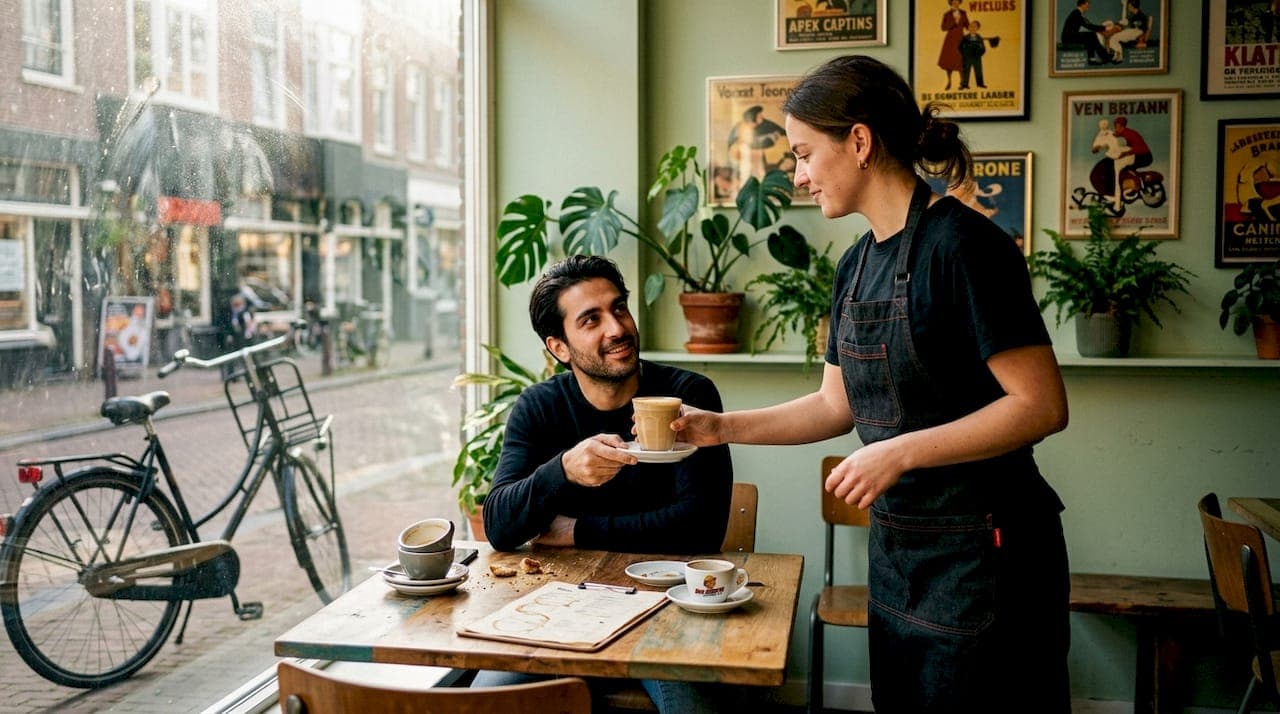
Most visitors assume cafes in Amsterdam are just places to grab coffee and move on. That couldn't be further from reality. Local cafes serve as ideal third spaces for relaxed, guilt-free lingering and social interactions, offering far more than chains ever could. These neighborhood gems deliver unique culinary experiences, foster genuine community connections, and provide exceptional value while supporting local culture. Whether you're seeking a cozy spot for people-watching, quality food at honest prices, or a welcoming atmosphere to meet friends, Amsterdam's local cafes transform ordinary moments into memorable social experiences that define the city's character.
Table of Contents
- Key Takeaways
- What makes local cafes Amsterdam's true third spaces
- How community and familiarity enhance your cafe experience
- Taste and value: enjoying quality food and drinks at local cafes
- Practical tips for choosing your perfect local cafe in Amsterdam
- Discover local cafes with Big Shots Amsterdam
- FAQ
Key Takeaways
| Point | Details |
|---|---|
| Third space hub | Local cafes act as community third spaces where people linger and socialize beyond home or work. |
| Authentic neighborhood vibe | Neighborhood cafes deliver unique culinary experiences and genuine connections, not touristy chain atmospheres. |
| Personalized service | Regular staff remember customers and favorite orders, creating a welcoming sense of belonging. |
| Value and support | These cafes offer honest prices and quality food while supporting local culture and the economy. |
| Windowed cafe tip | Choose cafes with visible street facing windows to enhance people watching and neighborhood immersion. |
What makes local cafes Amsterdam's true third spaces
The third spaces concept defines environments beyond home and work where people gather without obligation or commercial pressure. Amsterdam's local cafes embody this perfectly. Unlike chains designed for quick turnover, these spots welcome you to settle in with a book, chat with friends, or simply watch the world pass by your window.
You won't find rushed baristas pushing you out after 20 minutes. The atmosphere invites lingering. Mismatched furniture, warm lighting, and the hum of genuine conversation create spaces where time slows down. These cafes understand that social connection matters more than maximizing table turnover.
Local cafes excel at fostering organic interactions that chains can't replicate:
- Communal tables encourage conversations between strangers
- Regulars naturally become part of the cafe's social fabric
- Staff participate in the community rather than just serving it
- Flexible seating arrangements adapt to different social needs
- No corporate policies dictate how long you can stay
"The best cafes in Amsterdam feel like extended living rooms where everyone belongs. You're not a transaction; you're part of the day's rhythm." — Local cafe regular
Pro Tip: Choose cafes with visible street-facing windows for prime people-watching. The Dutch concept of gezelligheid thrives when you can observe neighborhood life while enjoying your drink.
These third spaces serve crucial social functions in urban life. They provide neutral ground where hierarchies dissolve and authentic connections form. You might strike up a conversation with an artist, a local shopkeeper, or a fellow traveler, all united by the simple pleasure of good coffee and comfortable surroundings.
How community and familiarity enhance your cafe experience
Walk into a neighborhood cafe regularly, and something magical happens. The barista starts preparing your usual order before you reach the counter. Regulars know each other and baristas remember personal details, fostering belonging unlike anonymous chains. This personalized recognition transforms a simple coffee run into a meaningful social ritual.
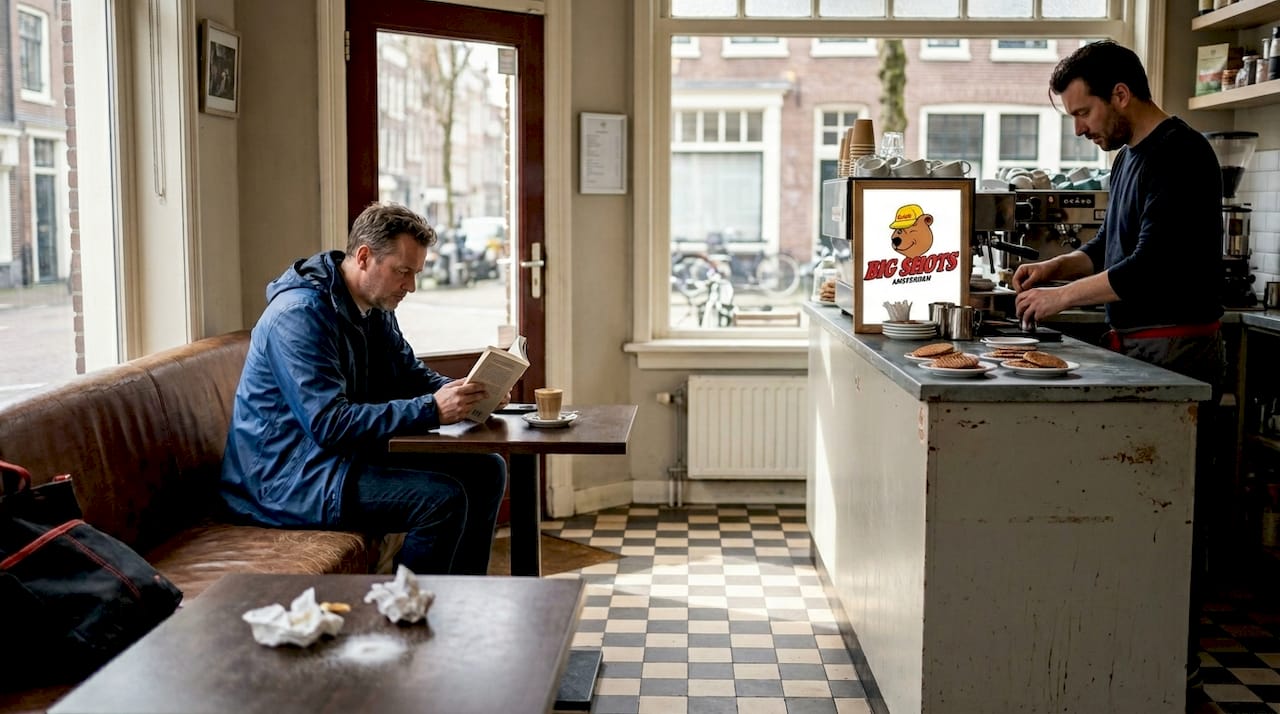
Chain cafes optimize for efficiency and consistency. Local spots optimize for relationships. The difference shows in countless small moments. A barista asks about your weekend plans. Another regular recommends a book you mentioned wanting. The owner remembers you prefer your cappuccino extra hot. These interactions weave a social fabric that makes you feel genuinely welcome.
Community building happens naturally in Amsterdam locals' cafe spots through several mechanisms:
- Consistent staff who build relationships over months and years
- Neighborhood bulletin boards connecting locals to events and services
- Informal introductions between regulars with shared interests
- Flexible spaces that host community gatherings and small celebrations
- Owner involvement in neighborhood initiatives and local culture
"My local cafe knows my name, my order, and asks about my kids. That kind of personal touch makes every visit feel like coming home." — De Pijp resident
Pro Tip: Visit the same cafe at similar times to naturally integrate into the regular crowd. Morning coffee drinkers form different communities than afternoon laptop workers or evening wine sippers.
This familiarity creates psychological comfort that enhances your entire Amsterdam experience. You develop a sense of place and belonging that tourist-focused venues can't provide. When you return to the city months later, walking into your favorite cafe feels like reconnecting with old friends rather than entering a commercial transaction.
The inclusive vibe extends beyond regulars. Even first-time visitors sense the warmth and authenticity. Staff at local cafes genuinely care about creating positive experiences rather than mechanically following corporate scripts. They'll recommend other neighborhood spots, share insider tips about Amsterdam, and treat you like a valued guest rather than customer number 247.
Taste and value: enjoying quality food and drinks at local cafes
Local cafes consistently outperform chains on both quality and price, a rare combination in hospitality. Specialty coffee, fresh produce, fusion dishes, and high ratings highlight local cafes' superior food and drink quality. You're not just getting better products; you're experiencing Amsterdam's culinary creativity and cultural diversity.
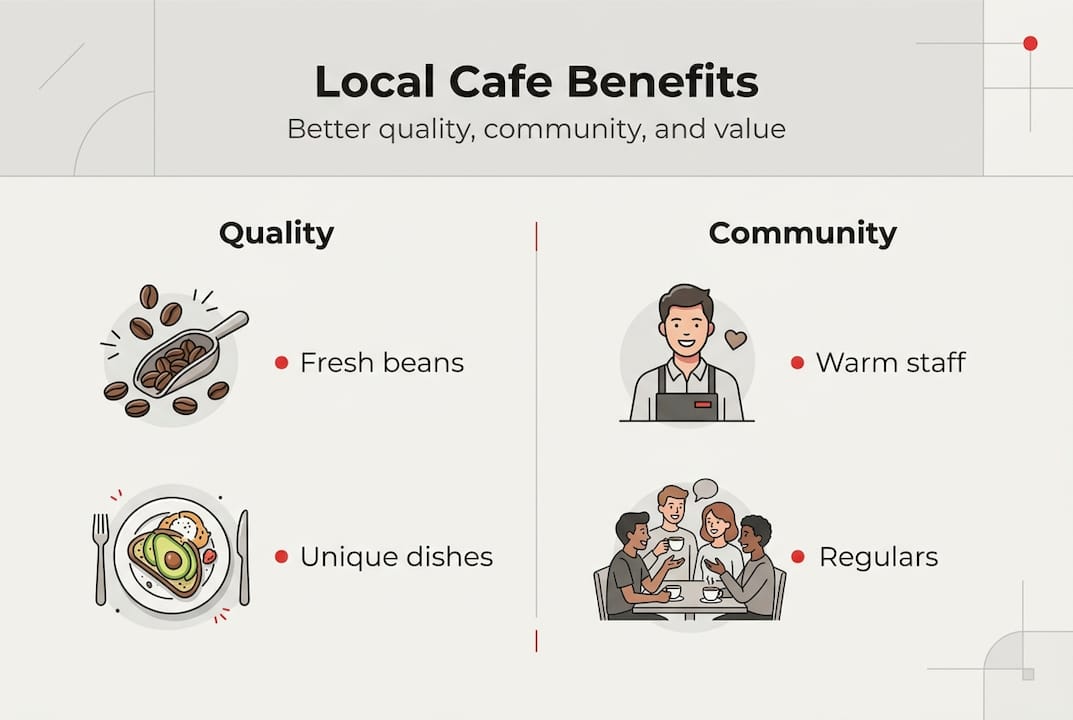
Many neighborhood cafes source beans from specialty roasters who prioritize direct trade relationships and unique flavor profiles. The difference between this carefully curated coffee and chain offerings is night and day. Baristas at local spots actually understand extraction, temperature, and brewing methods. They're craftspeople, not button-pushers.
The food offerings reflect Amsterdam's multicultural character. A Gartine cafe review might highlight Indonesian-inspired breakfast dishes alongside traditional Dutch treats and Mediterranean-influenced lunch plates. This fusion approach creates menus you won't find anywhere else, celebrating the city's diversity through thoughtful culinary combinations.
| Item | Chain Cafe Price | Local Cafe Price | Quality Difference |
|---|---|---|---|
| Cappuccino | €4.50 | €3.20 | Specialty beans vs. commercial blend |
| Avocado toast | €8.95 | €6.50 | Fresh ingredients vs. pre-prepped |
| Fresh pastry | €3.75 | €2.80 | Daily baked vs. frozen and reheated |
| Lunch sandwich | €9.50 | €7.00 | House-made vs. standardized recipes |
Independent cafes offer up to 30% lower prices than chains, supporting local businesses. This cafes price comparison reveals how chains inflate costs through brand premiums and shareholder obligations while locals pass savings directly to customers.
Quality advantages extend beyond coffee:
- Fresh-baked pastries made on-site daily instead of shipped frozen
- Seasonal menu changes reflecting available local produce
- Creative chef-driven specials showcasing culinary experimentation
- Homemade sauces, spreads, and accompaniments
- Attention to dietary preferences with genuine ingredient knowledge
Pro Tip: Ask baristas about their coffee's origin story. Local cafes love sharing details about their roasters and sourcing practices, and this conversation often leads to discovering your new favorite brew.
Supporting local cafes means your money circulates within Amsterdam's economy. Independent owners pay local suppliers, employ neighborhood residents, and reinvest profits into the community. Chains extract value and send it to distant corporate headquarters. Every euro spent at a local cafe amplifies its positive impact on the city's economic and social fabric.
The value proposition becomes even clearer when you factor in the complete experience. You're not just buying a drink; you're accessing a welcoming space, supporting local employment, and contributing to neighborhood vitality. That €3.20 cappuccino delivers far more value than a €4.50 chain alternative ever could.
Practical tips for choosing your perfect local cafe in Amsterdam
Navigating Amsterdam's cafe scene becomes easier when you know where to look and when to visit. Neighborhood brown cafes in De Pijp and Oost offer authentic, tourist-free atmospheres; arrive early at popular spots to avoid queues. These practical strategies help you discover cafes that match your preferences and maximize your experience.
Follow these steps to find your ideal neighborhood cafe:
- Explore residential areas like De Pijp, Oost, and West rather than tourist-heavy zones around Dam Square
- Look for cafes with predominantly Dutch conversations and local newspapers on tables
- Check for handwritten menu boards and mismatched furniture indicating independent ownership
- Observe whether locals linger comfortably rather than rushing through transactions
- Visit Amsterdam cafe recommendations online to identify highly-rated neighborhood spots
Timing significantly impacts your experience. Trendy cafes like Chun attract crowds, especially during weekend brunch hours. Arriving before 9:30 AM on weekends or visiting on weekday mornings ensures you'll snag a table without waiting. Afternoon hours between 2 PM and 4 PM offer another sweet spot when lunch rushes subside but before evening crowds arrive.
Spotting genuine gezelligheid requires attention to subtle details:
- Warm, layered lighting from multiple sources rather than harsh overhead fluorescents
- Comfortable seating that invites lingering, not hard chairs designed for quick turnover
- Personal touches like plants, artwork, and books suggesting the owner's personality
- Staff who engage in genuine conversation rather than scripted interactions
- A mix of solo visitors, couples, and small groups all appearing relaxed
- Background music at conversation-friendly volume levels
- Visible signs of regular customers like reserved newspapers or familiar greetings
Pro Tip: Visit cafes on rainy afternoons when locals seek cozy refuge. You'll experience peak gezelligheid and naturally integrate into the neighborhood's social rhythm.
Different neighborhoods offer distinct cafe personalities. De Pijp cafes tend toward bohemian creativity with artistic crowds and eclectic decor. Oost cafes reflect the area's multicultural character with diverse food offerings and international communities. Jordaan cafes often occupy historic buildings with traditional Dutch charm and older regular crowds.
Don't hesitate to explore beyond your comfort zone. That unassuming cafe on a quiet street might become your favorite Amsterdam discovery. Local cafes reward curiosity and openness. Strike up conversations, ask staff for recommendations, and let serendipity guide you toward unexpected connections and memorable experiences.
Discover local cafes with Big Shots Amsterdam
Exploring Amsterdam's vibrant cafe culture becomes effortless when you have the right guide. Big Shots Amsterdam experiences connects you with the city's most authentic social spaces, combining the relaxed atmosphere of neighborhood cafes with exceptional food, drinks, and entertainment.
Whether you're seeking a cozy spot for morning coffee, a lively evening with friends, or a unique culinary experience that captures Amsterdam's diverse character, Big Shots Amsterdam offers the perfect blend of local flavor and welcoming hospitality. Our multifaceted venue embodies everything great local cafes provide: genuine community connections, quality beverages and gourmet dishes, and that essential gezelligheid that makes Amsterdam special. Visit us to experience why locals choose independent spots that prioritize authentic experiences over corporate efficiency.
FAQ
Why are local cafes important in Amsterdam?
Local cafes act as welcoming third spaces that foster community and genuine social connection beyond home and work environments. They reflect Amsterdam's social fabric by creating inclusive spaces where diverse residents and visitors naturally interact. These cafes preserve neighborhood character and cultural identity that chains can't replicate.
How do local cafes differ from chain cafes in Amsterdam?
Local cafes offer personalized community experiences where staff remember regulars and foster belonging, unlike chains' anonymous transactions. They provide better value with superior specialty products and prices up to 30% lower than corporate alternatives. Independent cafes also support Amsterdam's local economy by employing neighborhood residents and sourcing from regional suppliers.
What are some tips for visiting local cafes in Amsterdam?
Visit neighborhood brown cafes in De Pijp and Oost for authentic, tourist-free atmospheres that showcase genuine Amsterdam culture. Arrive early at trendy cafes like Chun to avoid weekend crowds, ideally before 9:30 AM or during weekday mornings. Look for cafes with warm lighting, comfortable seating, and predominantly Dutch conversations to identify spots favored by locals.