
TL;DR:
- Watching sports in groups enhances emotional well-being and social bonds through shared rituals and collective excitement. It also provides measurable psychological benefits by activating emotions and releasing happiness chemicals. Choosing energetic, respectful venues and engaging in rituals deepens community and amplifies the positive experience.
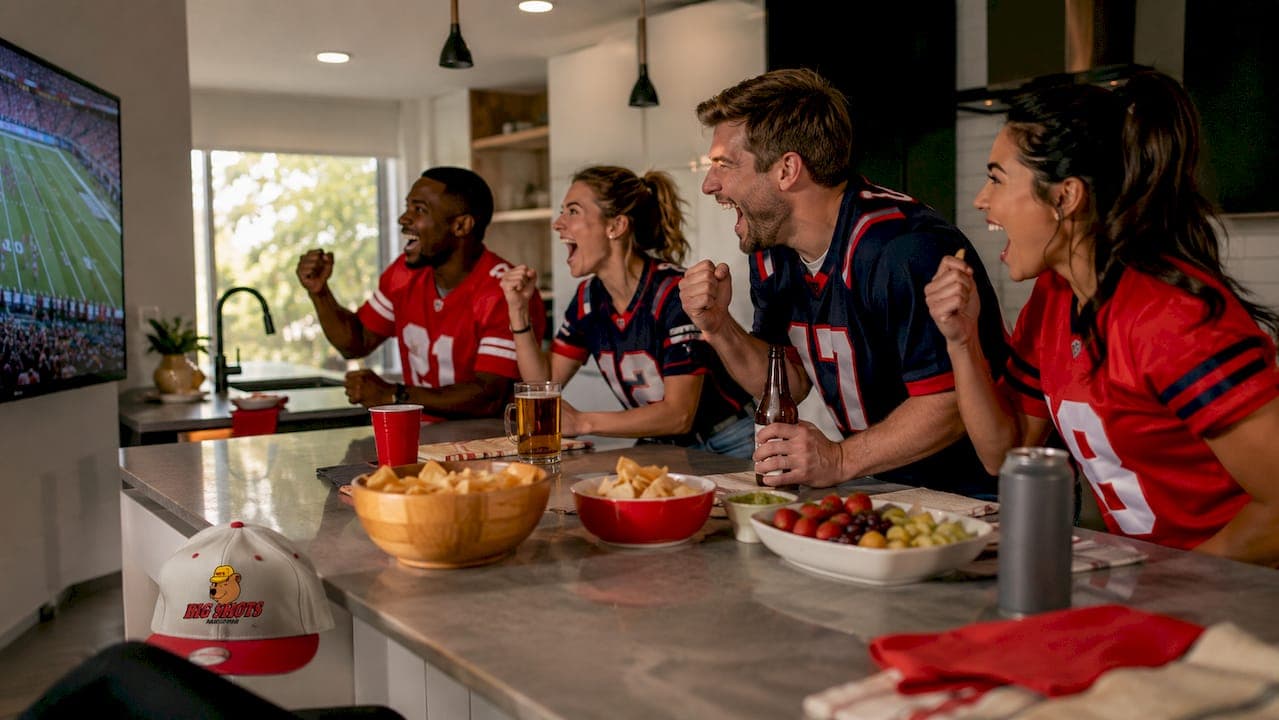
Watching sports in groups is defined as a communal viewing activity that simultaneously boosts emotional well-being, social bonding, and mental health. Research involving over 20,000 adults confirms that group sports viewers report higher subjective well-being and increased brain activity in emotional processing regions. The benefits of watching sports in groups go well beyond entertainment. Shared rituals, collective excitement, and the simple act of cheering alongside others create social connections that solo viewing never replicates. Whether you call it communal viewing or social sports fandom, the science is clear: watching with others makes the experience richer and the rewards more lasting.
1. How group sports viewing builds stronger social connections
Group sports viewing is one of the most effective tools for building social bonds quickly. A 2024–25 survey found that 73% of respondents identify sport as an effective medium for meeting new people and forming friendships. That figure means nearly three out of four people walk away from a sports event with a new connection they did not have before.

Sociologists at the University of Kansas describe this phenomenon as "collective effervescence." Collective effervescence lowers social barriers and creates a shared emotional reality among strangers. When a room erupts after a last-minute goal, everyone in it briefly belongs to the same tribe.
Sports also function as a universal social language. You do not need shared history, profession, or background to bond over a penalty shootout. That shared focus gives people an easy, low-pressure conversation starter, which is especially valuable for anyone who finds social situations awkward.
- Shared identity: Wearing the same team colors creates instant in-group belonging.
- Easy conversation: Game moments provide natural talking points that remove the pressure of small talk.
- Repeated contact: Regular viewing sessions build familiarity and deepen friendships over time.
- Community belonging: A 2024–25 survey found 68% of sports fans report gaining a sense of community through sport.
Pro Tip: Arrive early to a group viewing session. Pre-game conversation is where most new friendships actually start, not during the match itself.
2. What psychological benefits does watching sports together provide?
Group sports viewing delivers measurable psychological benefits through two well-documented mechanisms: behavioral activation and emotional contagion. Behavioral activation gives viewers a structured, goal-oriented activity that regulates emotions and buffers against stress and social isolation. The game gives your brain something concrete to focus on, which interrupts cycles of anxiety or low mood.
Emotional contagion works alongside behavioral activation. When the crowd around you reacts with joy or tension, your own emotional response amplifies. Psychology experts confirm that watching sports together releases dopamine and oxytocin, the same neurochemicals linked to happiness and social trust. That chemical response is not metaphorical. It is measurable and repeatable.
"Fans simultaneously experience individuation and belonging through group sports viewing, satisfying two core psychological needs at once." — Time, 2026
The mental health implications extend to older adults as well. Studies show that regular sports viewing in social settings is associated with reduced depression risk in older populations. The combination of emotional engagement, social contact, and shared purpose creates a protective effect that passive solo entertainment does not replicate.
Group viewing also provides a structured setting to express and regulate emotions safely. Shouting at a screen with friends is socially acceptable in a way that releasing the same emotion alone rarely is. That outlet matters for mental health.
3. What social rituals make group viewing more meaningful?
Rituals are the hidden architecture of every great group sports viewing session. Group rituals like wearing lucky apparel, ordering signature snacks, and claiming specific seats act as social glue that transforms passive watching into active participation. They create anticipation before the game even starts.
These traditions serve a deeper function than habit. They signal belonging and create communal stability. When everyone in the room knows the pre-kickoff routine, even a newcomer can integrate quickly. The ritual itself becomes the invitation.
Here are the rituals that consistently strengthen group cohesion:
- Wearing team jerseys or colors. Shared visual identity creates instant group membership before a word is spoken.
- Ordering a signature group snack or drink. A recurring food tradition anchors the experience and gives people something to look forward to.
- Assigning seats by preference. Letting regulars claim their spots creates comfort and reduces friction.
- Pre-game predictions. A quick round of score predictions adds friendly competition and keeps everyone engaged from the start.
- Post-game debrief. Discussing the match after the final whistle extends the social experience and deepens analysis.
Pro Tip: Introduce one new ritual per season, like a themed snack for a big tournament. Novelty keeps the group dynamic fresh and gives people a reason to show up.
Rituals also help socially anxious fans. When the structure of the event is predictable, the social pressure drops. You know what to do, when to cheer, and what to say. That predictability is genuinely comforting for people who find unstructured social situations difficult.
4. How does the viewing environment shape the group experience?
The quality of your environment directly determines how much benefit you get from group sports viewing. Emotional contagion maximizes the intensity of shared experiences, especially in high-density, enthusiastic viewing locations. A packed room of engaged fans amplifies every moment. A half-empty, distracted room flattens it.
Crowd density, proximity to the screen, and the enthusiasm level of the people around you all shape your emotional response. Optimal group viewing emerges from the combination of crowd density, enthusiasm, and proximity to central viewing locations. Sitting close to the screen and surrounded by engaged fans is not just more fun. It is neurologically more stimulating.
The social norms of the environment matter just as much as the physical setup. Group environments that lack clear social rules can amplify stress and diminish the benefits of communal viewing. Disrespectful or hostile group dynamics actively harm the experience and can leave viewers feeling worse than when they arrived.
| Environment type | Emotional contagion | Social bonding | Stress risk |
|---|---|---|---|
| High-energy, respectful venue | High | Strong | Low |
| Low-energy, distracted setting | Low | Weak | Moderate |
| High-energy, hostile atmosphere | High | Fragmented | High |
| Quiet, intimate home setting | Moderate | Moderate | Low |
A venue with mutual respect and genuine enthusiasm delivers the full package. The social impact of sport is strongest when the environment actively supports inclusion and positive interaction.
5. Practical ways to get more from watching sports with friends
Getting the most from group sports viewing requires a little intention. The setting, the people, and the habits you build around the experience all determine how much social and emotional value you take away.
- Choose the right venue. A sports bar in Amsterdam with a strong atmosphere and engaged crowd delivers more emotional intensity than a quiet living room. Venue selection is not trivial.
- Invite a mix of people. Bringing together fans with different levels of sports knowledge creates richer conversation. The casual fan often asks the questions that deepen everyone's understanding.
- Put phones away during key moments. Shared attention during a critical play is what creates the collective memory. Distraction breaks the spell.
- Host your own sessions. Hosting gives you control over the environment, the rituals, and the guest list. A well-run sports night at home can be as socially rewarding as any venue.
- Join a regular viewing group. Repeated contact with the same people over a season builds genuine friendship. One-off events are fun. Regular gatherings build community.
- Use digital tools to supplement, not replace. Live commentary apps and social media can add context between plays, but they should never replace the in-person interaction that drives the real benefits.
The group sports viewing advantages you gain from intentional choices compound over time. Each session builds on the last, deepening relationships and reinforcing the rituals that make the experience worth repeating.
Key takeaways
Watching sports in groups delivers social, psychological, and emotional benefits that solo viewing cannot match, with the strongest outcomes in high-energy, respectful environments built around shared rituals.
| Point | Details |
|---|---|
| Social connection is the core benefit | 73% of sports fans report meeting new people through sport, making group viewing one of the fastest social bonding tools available. |
| Brain chemistry drives the happiness | Group viewing releases dopamine and oxytocin, directly increasing happiness and strengthening social trust. |
| Rituals create belonging | Shared traditions like team jerseys and signature snacks transform passive watching into active group participation. |
| Environment determines outcome | High-energy, respectful venues maximize emotional contagion and social bonding; hostile settings reverse those gains. |
| Repetition builds real community | Regular group viewing sessions compound social benefits over time, turning acquaintances into genuine friends. |
Why I think watching sports alone is a habit worth breaking
I spent years watching matches at home, convinced the couch was the best seat in the house. No crowds, no noise, full control of the remote. It felt efficient. What I did not realize was how much I was leaving on the table.
The first time I watched a Champions League final in a packed venue, the difference was immediate and physical. The collective groan when a chance was missed, the eruption when the goal went in, the strangers who became temporary best friends for 90 minutes. None of that exists on a couch alone. The game was the same. The experience was completely different.
What surprised me most was how long the effect lasted. The conversations after the match, the shared references weeks later, the easy rapport with people I had only just met. Group sports viewing creates social capital in a way that is hard to manufacture through any other activity. It is low-effort, high-return socializing.
The research backs this up, but honestly, you feel it before you read it. The social atmosphere of a sports bar does something that a living room simply cannot. The crowd is the product. The game is just the occasion.
My honest advice: stop optimizing for comfort and start optimizing for connection. The couch will always be there. The moments you share with a room full of people who care about the same outcome as you? Those are rarer and worth more.
— Leo
Bigshotsamsterdam: where group sports viewing comes alive
Bigshotsamsterdam in Amsterdam is built for exactly the kind of group sports viewing experience this article describes. The venue combines a sports bar, shisha lounge, restaurant, and café in one space, giving you the crowd energy, the rituals, and the atmosphere that make communal viewing genuinely rewarding.
Every match at Bigshotsamsterdam comes with the crowd density, the enthusiasm, and the social norms that research identifies as critical for maximizing group viewing benefits. The menu covers everything from gourmet dishes to craft cocktails, so the pre-game and post-game traditions are already built in. Whether you are a local or visiting Amsterdam, Big Shots Amsterdam gives your group the setting it deserves.
FAQ
What are the main benefits of watching sports in groups?
Group sports viewing boosts social bonding, releases dopamine and oxytocin, and reduces stress through behavioral activation. Research involving over 20,000 adults confirms higher subjective well-being among regular group sports viewers.
Why is group sports viewing better than watching alone?
Watching with others amplifies emotional responses through emotional contagion and creates shared memories that solo viewing cannot produce. The social contact and collective rituals also deliver measurable mental health benefits.
How do rituals improve the group sports viewing experience?
Shared rituals like wearing team colors and ordering signature snacks create anticipation, signal belonging, and transform passive viewers into active participants. They also lower social barriers for newcomers and anxious fans.
Does the venue really matter for group sports viewing?
Yes. High-energy, respectful venues maximize emotional contagion and social bonding, while low-energy or hostile settings actively reduce the benefits. Crowd density and proximity to the screen both shape the emotional intensity of the experience.
How many people does sport help connect socially?
A 2024–25 survey found that 73% of respondents use sport to meet new people, and 90% of participants in organized group sports report improved social connectedness, according to a UNESCO-linked study.