
TL;DR:
- Premium dining in Amsterdam centers on local ingredients, seasonal menus, and an authentic cultural experience. The city's top restaurants focus on precision, storytelling, and intimate service, with reservations often needed months in advance. Options range from plant-based tasting menus at Flore to traditional, technique-driven meals at Michelin-starred venues like The White Room.
Premium food in Amsterdam is defined by four non-negotiable pillars: exceptional local ingredients, creative culinary technique, cultural authenticity, and a refined dining experience that goes beyond the plate. The city now hosts over 20 Michelin-starred restaurants in 2026, each competing on a standard that blends Dutch heritage with forward-thinking cooking. Whether you're planning your first fine dining reservation or trying to understand what separates a €180 tasting menu from a €35 dinner, this guide breaks it down with precision.
What core criteria define premium food in amsterdam?
Premium food in Amsterdam is built on ingredient purity, seasonal discipline, and cooking that respects both tradition and invention. The city's top kitchens source from Dutch fisheries, local dairy farms, and regional market stalls. Nothing on a premium plate arrives by accident.
Ingredient sourcing and seasonality
Amsterdam's finest restaurants treat the calendar as a menu. Chefs at venues like Flore and The White Room build dishes around what's available at local markets that week, not what's convenient year-round. Market-driven menus change daily based on seasonal availability, which means every visit offers something genuinely different. That commitment to freshness is the clearest signal of a premium kitchen.
Technique, plating, and sensory engagement
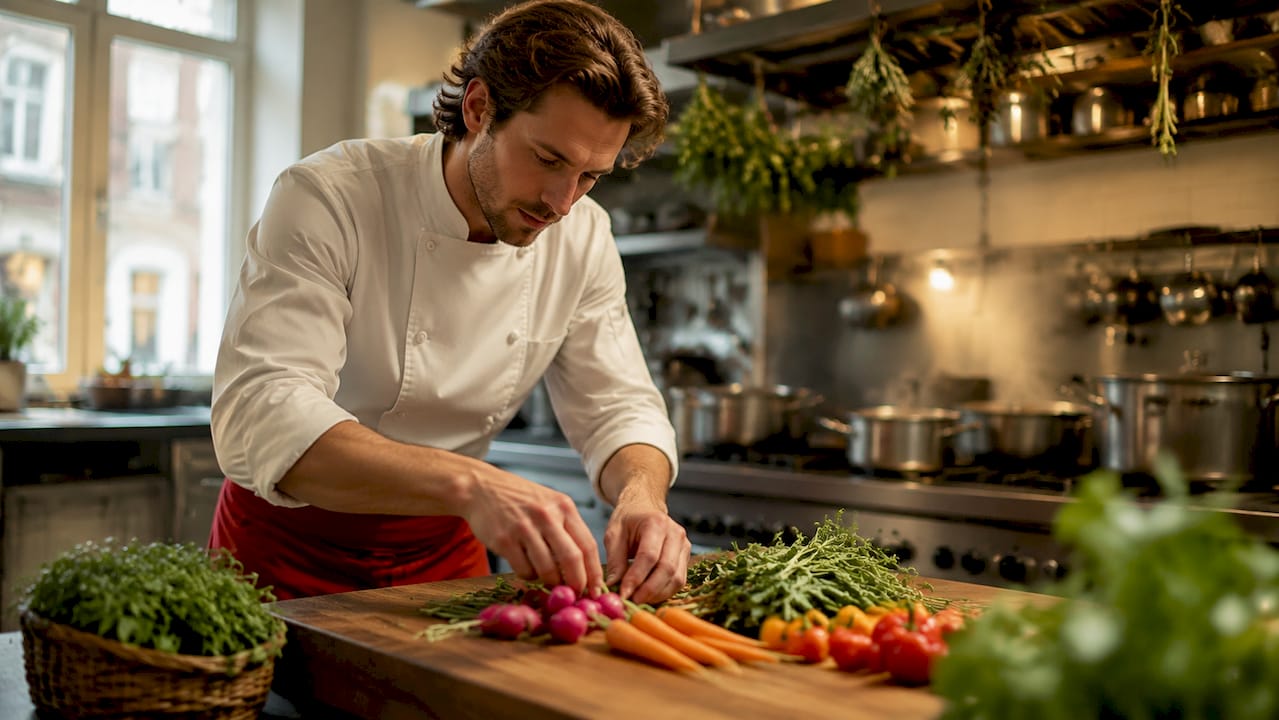
Culinary technique at the premium level means more than cooking food correctly. It means controlling texture, temperature, and visual composition in a way that makes each course feel deliberate. Amsterdam's New-Dutch movement has pushed chefs away from rigid French formality toward cooking that tells a story through restraint and precision. Plating at venues like Vinkeles or Bougainville is architectural. Every element on the plate has a reason to be there.
Premium drink pairings complete the experience. Exclusive wine pairings at top restaurants often include supplement courses not listed publicly, adding significant depth to the meal. These hidden additions represent some of the best value in Amsterdam's fine dining scene.
Here are the core criteria that separate premium food from simply good food in Amsterdam:
- Local sourcing: Ingredients trace back to Dutch farms, North Sea fisheries, and regional cheesemakers
- Seasonality: Menus reflect what's available now, not what's always available
- Technique: Cooking methods are precise, intentional, and often unconventional
- Presentation: Every course is plated with visual and textural intention
- Pairing: Wine and drink selections are curated to amplify each dish
Pro Tip: Book your reservation 8–12 weeks in advance for top venues like Vinkeles or Flore. Weekend dinner slots at Michelin-starred restaurants in Amsterdam fill up faster than most travelers expect.
How does amsterdam's premium dining culture reflect local heritage?
A truly premium Amsterdam restaurant tells a Dutch culinary story rooted in local fisheries, aged cheeses, and regional produce. This is what separates Amsterdam's fine dining from a generic European luxury experience. The food connects you to a specific place and a specific culture.
Chef identity and market-led menus
The best chefs in Amsterdam don't hide behind a fixed menu. They cook what the market gives them and build a narrative around it. This approach, central to the New-Dutch movement, means guests surrender control and trust the chef's vision completely. That surrender is part of the premium experience. You're not ordering from a catalog. You're participating in a chef's creative process for that specific evening.
Venues like Utrechtsedwarstafel take this further with intimate seating under 24 guests, creating a distraction-free atmosphere where personal connection between chef and diner becomes part of the meal itself. That level of exclusivity is deliberate. Fewer seats means more attention, more precision, and a fundamentally different experience than a 100-cover restaurant.
Sensory engagement as a design choice
One of the most striking features of Amsterdam's premium dining scene is the deliberate withholding of information. Restaurant Bougainville, for example, omits ingredient explanations until after guests have tasted each course. The goal is to force diners to engage with flavor and texture directly, without the bias of knowing what they're eating. This technique challenges guests in a way that no menu description ever could.
"Premium dining increasingly challenges guests to engage with food directly, removing descriptive support to heighten sensory experience." — Defining Culinary Experiences
This philosophy reflects a broader shift in Amsterdam's luxury food culture: the experience is designed to be felt before it is understood.
Plant-forward vs. traditional tasting menus: how do they compare?
Amsterdam's premium dining scene is not monolithic. Two dominant formats define the high-end experience: plant-forward tasting menus and traditional multi-course menus built around meat and seafood. Both qualify as premium. They simply prioritize different things.
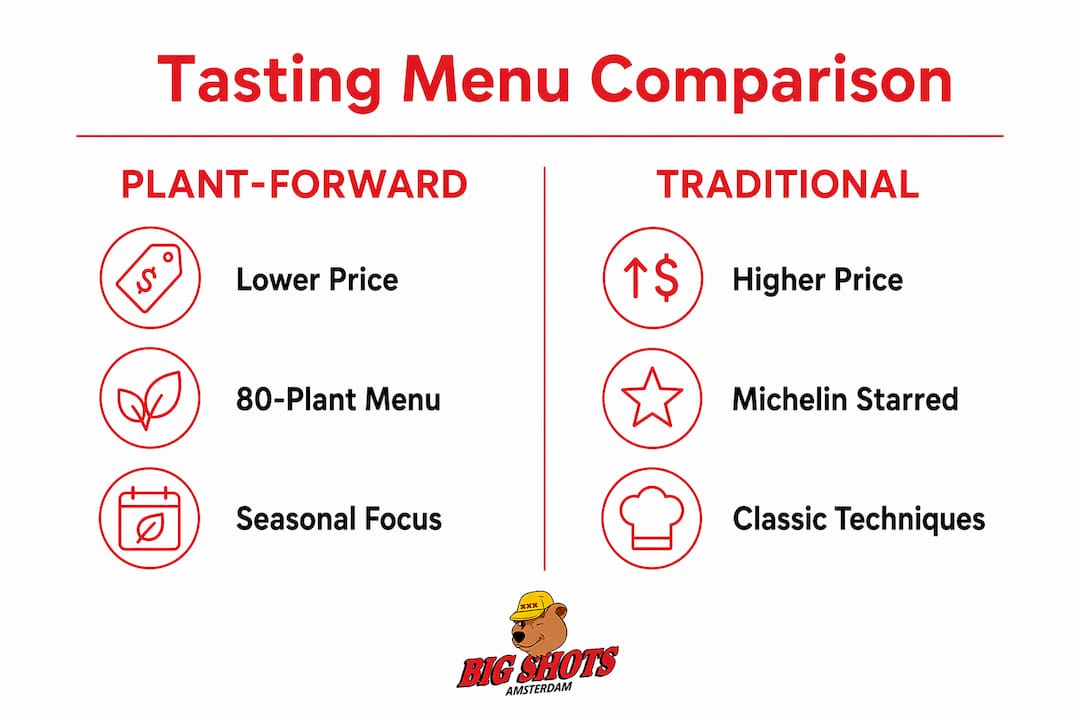
Flore represents the plant-forward category at its most recognized. Its 80-plant tasting menu is priced at €51–€71 for multi-course meals, making it one of the most accessible entry points into Amsterdam's premium food world. Flore has earned international recognition for proving that vegetables, grains, and fermented ingredients can carry the same complexity as a traditional protein-driven menu.
Traditional tasting menus at venues like The White Room operate at a different price point. Michelin-starred tasting menus in Amsterdam start at €150–€185 per person, with wine pairings reaching €200 per person. These menus lean on North Sea seafood, Dutch-raised meats, and French-influenced technique refined through a Dutch lens.
| Feature | Plant-Forward (e.g., Flore) | Traditional (e.g., The White Room) |
|---|---|---|
| Price range | €51–€71 per person | €150–€185 per person |
| Primary ingredients | Vegetables, grains, fermented foods | Seafood, meat, Dutch dairy |
| Culinary style | Creative, ingredient-led | Technique-driven, French-influenced |
| Recognition | International plant-based awards | Michelin-starred |
| Best for | Dietary flexibility, value | Special occasions, full luxury |
Casual high-quality meals in Amsterdam average €30–€50 per person. That tier covers well-sourced bistros and specialty cafes that use premium ingredients without the full tasting menu format.
Pro Tip: If you have dietary restrictions or want to explore premium dining without a €200 bill, start with Flore. If you want the full Michelin experience with wine pairings and multiple courses, The White Room or Vinkeles are the benchmarks.
What should travelers know before booking premium dining in amsterdam?
Accessing Amsterdam's premium food scene requires planning. The city's top restaurants are not walk-in experiences. They are structured events that reward preparation.
Booking lead times of 8–12 weeks are standard at venues like Vinkeles and Flore, particularly for Friday and Saturday dinners. Some restaurants release reservations on a rolling monthly basis, so setting a calendar reminder is a practical strategy. Showing up without a reservation at a Michelin-starred venue in Amsterdam is not a realistic option.
Here's what to know before you go:
- Budget accordingly: Fine dining tasting menus run €150–€185 per person before drinks. Add wine pairings and you're looking at €300–€400 for two.
- Embrace the set menu: Most premium Amsterdam venues do not offer full à la carte options. The tasting menu is the experience.
- Communicate dietary needs early: Premium kitchens can accommodate restrictions, but they need advance notice, not a request at the table.
- Arrive on time: These restaurants run tightly timed service. Late arrivals disrupt the kitchen's rhythm and your own experience.
- Ask about supplements: Hidden premium pairings and supplement courses often offer the best value in the meal and are worth asking about when you book.
Amsterdam's gourmet dining scene also includes strong mid-tier options for travelers who want quality without the full tasting menu commitment. Specialty food markets, chef-driven bistros, and neighborhood restaurants using local produce all reflect the city's premium food values at a lower price point.
Key takeaways
Premium food in Amsterdam is defined by local sourcing, seasonal discipline, cultural storytelling, and a dining experience that engages all the senses, not just taste.
| Point | Details |
|---|---|
| Ingredient quality is non-negotiable | Premium Amsterdam kitchens source from Dutch fisheries, local farms, and regional markets. |
| New-Dutch cuisine leads the scene | Amsterdam's top restaurants have moved beyond French formality to market-led, chef-driven menus. |
| Price signals experience level | Tasting menus run €150–€185 per person; plant-forward options like Flore start at €51–€71. |
| Book 8–12 weeks ahead | Top venues like Vinkeles and Flore fill weekend slots months in advance. |
| Intimacy defines modern luxury | The best Amsterdam restaurants seat fewer than 24 guests to maximize focus and personal connection. |
Amsterdam's premium food scene is more personal than you think
I've eaten at a lot of cities' "best" restaurants. The ones that stay with me are rarely the most expensive. Amsterdam surprised me because its premium food culture is genuinely less about grandeur and more about honesty. The chefs here aren't trying to impress you with technique for its own sake. They're trying to show you something real about where they live and what grows there.
What most travelers miss is that the premium experience in Amsterdam starts before you sit down. The reservation process, the anticipation, the deliberate choice to trust a chef's market-driven menu without knowing what you'll eat. That surrender is part of the design. Restaurants like Bougainville withhold ingredient information on purpose. They want you to taste first and understand later. That's a philosophy, not a gimmick.
The other thing I'd push back on is the assumption that premium always means expensive. Flore's plant-forward menu at €51–€71 delivers a level of culinary creativity that rivals venues charging three times as much. Amsterdam's food culture rewards curiosity more than budget. If you go in looking for the most expensive option, you'll miss the point entirely.
The city's local food identity is what makes its premium dining scene worth seeking out. North Sea fish, aged Gouda, fermented vegetables from Dutch farms. These aren't exotic ingredients. They're deeply local ones, treated with the kind of respect that turns a meal into a memory.
— Leo
Experience amsterdam's food culture at Bigshotsamsterdam
Amsterdam's premium food scene rewards those who know where to look. If you want a venue that captures the city's energy without the three-month wait list, Bigshotsamsterdam delivers quality food and drink in a setting built for real enjoyment.
Bigshotsamsterdam combines a full restaurant menu, craft cocktails, and a lively atmosphere that suits everything from a casual dinner to a night out with friends. The menu includes gourmet dishes, premium steaks, and a breakfast selection that reflects the same commitment to quality you'll find across Amsterdam's best venues. Visit Bigshotsamsterdam to explore the menu, make a reservation, or order online and bring Amsterdam's food culture directly to you.
FAQ
What defines premium food in amsterdam?
Premium food in Amsterdam is defined by local ingredient sourcing, seasonal menus, precise culinary technique, and a dining experience that connects guests to Dutch cultural identity. The city's top restaurants, including Michelin-starred venues like Flore and The White Room, set the standard.
How much does fine dining cost in amsterdam?
Tasting menus at Amsterdam's top restaurants start at €150–€185 per person, with wine pairings reaching €200 per person. Plant-forward options like Flore offer multi-course meals at €51–€71, making premium dining accessible at different budget levels.
How far in advance should i book a top amsterdam restaurant?
Booking lead times of 8–12 weeks are standard at venues like Vinkeles and Flore, especially for weekend dinners. Some restaurants release reservations on a rolling monthly schedule, so early planning is the most reliable strategy.
What is new-dutch cuisine?
New-Dutch cuisine is Amsterdam's shift away from rigid French fine dining toward market-led, chef-driven menus built around local and seasonal Dutch ingredients. It emphasizes cultural authenticity, ingredient purity, and daily menu changes based on what's available at local markets.
Are there premium dining options for plant-based eaters in amsterdam?
Flore's internationally recognized 80-plant tasting menu is the clearest example of plant-forward premium dining in Amsterdam, priced at €51–€71 per person. The venue proves that vegetables and fermented ingredients can deliver the same complexity as traditional meat and seafood menus.