
TL;DR:
- Bar food menus focus on casual, shareable dishes like wings and sliders to enhance social drinking experiences. They have evolved to include elevated small plates and combine bar and kitchen offerings, boosting revenue and guest satisfaction. Pairing food with drinks based on flavor intensity improves enjoyment and encourages longer visits.
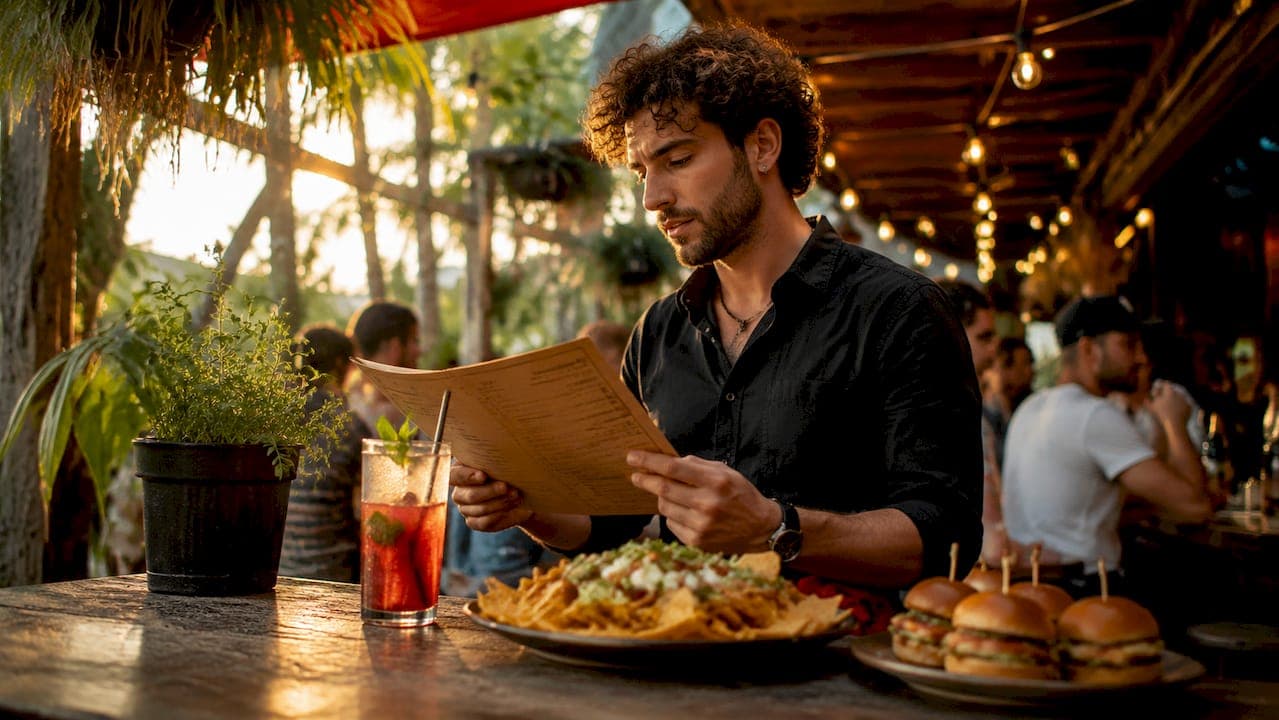
A bar food menu is a curated selection of casual, shareable, and often indulgent dishes designed to accompany drinks and enhance the social dining experience. Known in the hospitality industry as a "bar bites" or "pub menu," this format covers everything from deep-fried appetizers like wings and mozzarella sticks to handheld sliders, loaded nachos, and shareable boards. The best bar food menus do more than fill stomachs. They extend visits, drive beverage orders, and turn a quick drink into a full evening. Bigshotsamsterdam in Amsterdam has built its reputation on exactly this kind of experience.
What is a bar food menu and what goes on it?
A bar food menu is defined as a focused list of casual, easy-to-eat dishes built around the drinking experience. The dishes are casual, shareable, and indulgent, designed to be consumed with one hand while holding a drink in the other. That single constraint shapes every decision on the menu.
The most common categories break down like this:
- Deep-fried appetizers: Wings, mozzarella sticks, onion rings, and calamari. These are salty, satisfying, and fast to prepare.
- Handheld foods: Sliders, tacos, wraps, and mini burgers. Portion size matters here. One or two bites per piece keeps things social.
- Shareable boards: Charcuterie, cheese boards, nachos, and loaded fries. These anchor the table and encourage groups to stay longer.
- Dips and snacks: Hummus, guacamole, edamame, and mixed nuts. Light options that work between rounds.
Classic bar food leans heavily on salt and fat. That is not accidental. High-salt, high-fat items trigger thirst, which drives additional drink orders. It is a feedback loop that benefits both the guest and the venue.
Gourmet options are now appearing alongside the classics. Upscale bar menus in cities like New York feature dishes such as tuna belly confit and kingfish crudo, with small plates priced from $11 to $26. That range signals a real shift in what diners expect when they sit down at a bar.
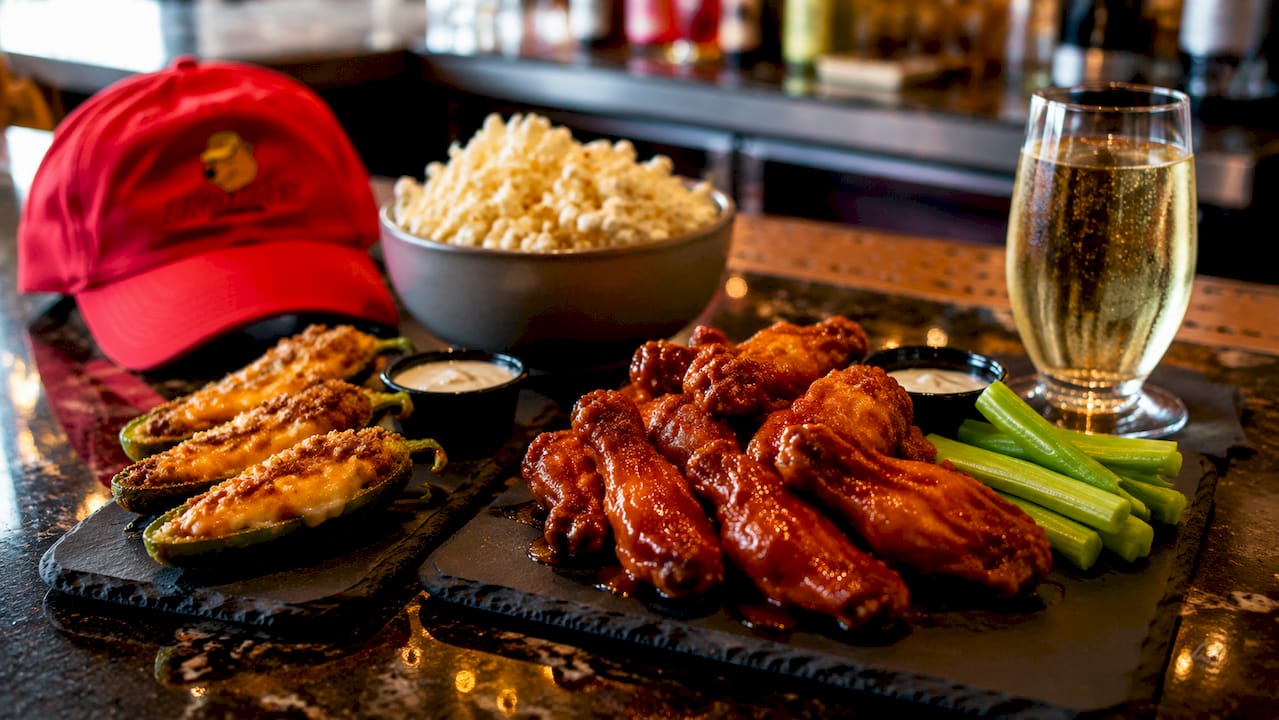
Pro Tip: Order one shareable board and one hot appetizer per four people. That combination covers every preference at the table without overloading the kitchen.
How have bar food menus evolved with dining trends?
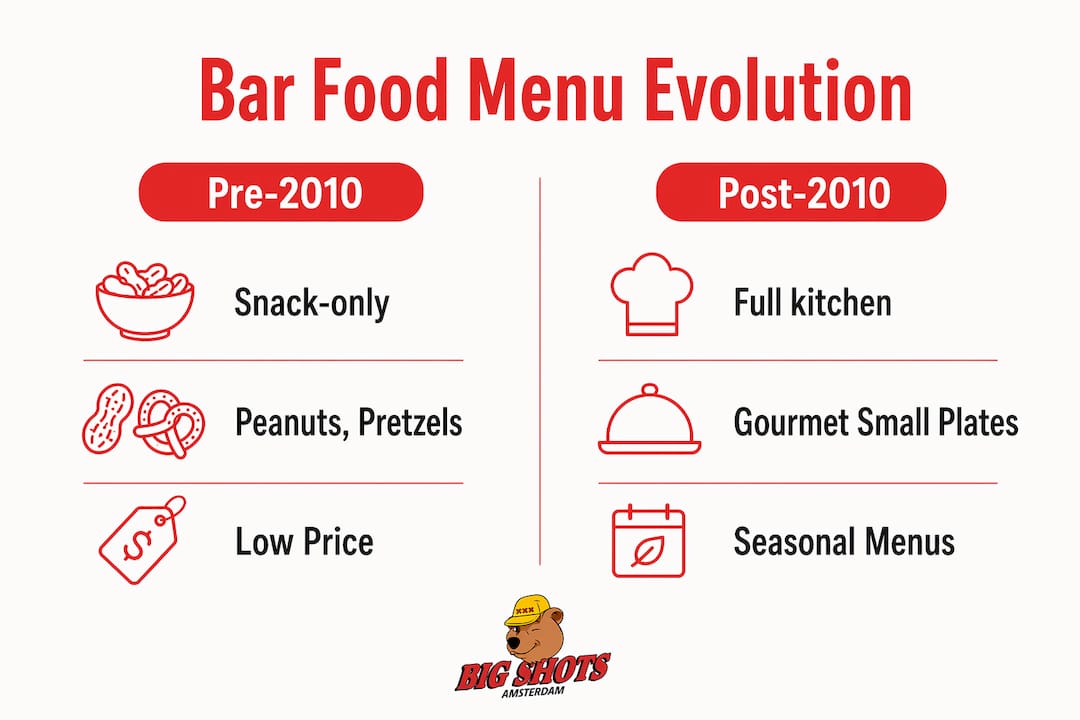
Bar food menus have moved far beyond peanuts and pretzels. The shift is driven by rising customer expectations and smarter menu engineering.
The biggest structural change is the move toward combined bar and kitchen menus. Venues that merge bar and kitchen offerings into a single document report a cleaner ordering experience and a measurable lift in average spend. Guests no longer have to choose between drinking and eating. The menu makes both feel equally appealing.
Ingredient cross-utilization is the operational engine behind this trend. A kitchen that uses shredded chicken across wings, quesadillas, and sliders reduces waste, simplifies prep, and keeps ticket times short. That efficiency shows up in food quality and consistency.
| Era | Menu style | Typical items | Price range |
|---|---|---|---|
| Pre-2010 | Snack-only | Peanuts, pretzels, chips | Under $5 |
| 2010–2019 | Classic bar food | Wings, nachos, sliders | $8–$14 |
| 2020–present | Elevated bar bites | Small plates, crudo, confit | $11–$26 |
The culinary elevation trend is real and accelerating. Venues that balance familiar comfort food with creative twists like global sauces or unexpected garnishes consistently outperform those that stick to generic pub food menu ideas. Guests want something recognizable with a reason to talk about it.
Pro Tip: Rotate two or three seasonal small plates every quarter. It gives regulars a reason to return and gives your kitchen a creative outlet without rebuilding the whole menu.
How do bar food menus pair with drinks?
Food and drink pairing is the most underused tool in bar menu design. The fundamental pairing logic is simple: match the weight and intensity of the food to the weight and intensity of the drink.
A light, refreshing highball like a gin and tonic calls for something equally delicate. Edamame, cucumber bites, or a light ceviche work perfectly. They do not compete with the drink. They extend it.
Bitter cocktails follow a different rule. An Aperol Spritz or a Negroni pairs best with fatty, salty items like aged cheese, charcuterie, or fried snacks. The fat coats the palate and softens the bitterness. The result is a more balanced, enjoyable experience for the guest.
Here is a practical pairing framework for anyone deciding what to order at a bar:
- Light and sparkling drinks (prosecco, highballs, light lagers): pair with fresh snacks, light dips, or raw preparations like oysters or ceviche.
- Bitter cocktails (Negroni, Aperol Spritz, IPAs): pair with fatty, salty bar bites like cheese boards, fried calamari, or cured meats.
- Rich and dark spirits (bourbon, aged rum, stout): pair with hearty options like sliders, BBQ wings, or loaded fries.
- Sweet cocktails (margaritas, daiquiris, fruit-forward drinks): pair with spicy or acidic foods like jalapeño poppers, tacos, or salsa-based dips.
Food and drinks sell better together when the menu actively cross-references them. A well-placed "pairs well with" note next to a dish can lift both food and drink sales in a single order. Bigshotsamsterdam applies this logic across its menu, connecting craft cocktails with specific kitchen items to guide guests toward the best combinations.
The role of food in hospitality extends beyond nutrition. A well-paired bite makes the drink taste better. That is the kind of detail that turns a first visit into a habit.
What business benefits come from a well-designed bar food menu?
A well-designed bar food menu is a direct revenue tool. Combining food and drink cross-selling in one menu raises average ticket size by 15–25%. That is not a marginal gain. It is the difference between a profitable evening and a break-even one.
The business case for shareable food is especially strong:
- Longer dwell time: Shareable boards and snack platters give guests a reason to stay at the table. More time at the table means more rounds ordered.
- Higher check averages: Groups that order food spend more per person than groups that only drink.
- Reduced kitchen complexity: A focused menu with cross-utilized ingredients keeps prep times short and waste low.
- Social engagement: Bar snacks function as social glue, sustaining conversations and extending visits naturally.
The operational risk is real too. Lack of integration between bar and kitchen causes order delays, quality inconsistencies, and frustrated guests. A bar that cannot deliver food within a reasonable window loses the revenue benefit entirely.
| Menu approach | Average check impact | Kitchen complexity | Guest satisfaction |
|---|---|---|---|
| Drinks only | Baseline | Low | Moderate |
| Drinks + basic snacks | Moderate lift | Low | Good |
| Integrated bar and kitchen menu | 15–25% lift | Medium | High |
The top sports bar foods in Amsterdam show how venues balance crowd-pleasing classics with kitchen efficiency. The winning formula is a short, focused menu where every item earns its place.
Key Takeaways
A bar food menu is a purpose-built tool that drives revenue, extends guest visits, and creates the social atmosphere that keeps people coming back.
| Point | Details |
|---|---|
| Core definition | A bar food menu is a curated list of casual, shareable dishes designed to complement drinks. |
| Top categories | Wings, sliders, shareable boards, and dips form the foundation of most bar food options. |
| Pairing logic | Match food weight to drink intensity for the best flavor experience and guest satisfaction. |
| Business impact | Integrated bar and kitchen menus raise average ticket size by 15–25% through cross-selling. |
| Operational key | Ingredient cross-utilization reduces waste and keeps kitchen prep times short and consistent. |
Why bar food menus are more interesting than most people think
Most people treat bar food as an afterthought. Order some wings, maybe some nachos, and get back to the conversation. I used to think the same way. After spending years eating across bars in Amsterdam, New York, and London, I changed my mind completely.
The best bar food menus I have encountered are not trying to be restaurant menus. They are doing something harder. They are designed to disappear into the background while quietly making everything better. The right snack at the right moment makes your drink taste sharper, your conversation flow easier, and your evening last longer. That is a specific skill, and most venues do not have it.
What separates the great ones is restraint. A menu with eight focused items, each cross-referenced with a drink, beats a 40-item menu every time. The drinks menu selection and the food menu should feel like they were written by the same person, because the best ones are.
The gourmet trend is real, but I think it gets misapplied. Tuna belly confit is a great dish. It does not belong on every bar menu. The question is always: does this item make the drinking experience better? If the answer is no, it does not matter how good the dish is. Bar food has a job to do. The menus that understand that job are the ones worth returning to.
— Leo
Experience it at Bigshotsamsterdam in Amsterdam
Bigshotsamsterdam puts every principle in this article into practice. The venue combines a sports bar, shisha lounge, restaurant, and café into one space, with a bar and café menu that moves from breakfast through gourmet steaks and craft cocktails. Food and drink are designed to work together, not alongside each other. Whether you are watching a match, catching up with friends, or settling in for a long evening, the kitchen and bar operate as one. Locals and tourists both find something worth ordering. Bigshotsamsterdam is located in Amsterdam and accepts online orders for added convenience.
FAQ
What is a bar food menu exactly?
A bar food menu is a curated list of casual, shareable dishes designed to be eaten while drinking. It typically includes wings, sliders, nachos, and shareable boards built for easy consumption in a social setting.
What are the most popular bar appetizers?
The most popular bar appetizers are deep-fried items like wings and mozzarella sticks, handheld foods like sliders and tacos, and shareable boards like nachos and charcuterie platters.
How does bar food differ from regular restaurant food?
Bar food is portioned for sharing, designed to be eaten with one hand, and built around salty and fatty flavors that pair well with alcohol. Restaurant food prioritizes full meals and individual plating.
Why do bars serve salty snacks?
Bars serve salty, high-fat snacks because salt and fat trigger thirst, which encourages guests to order more drinks. This extends dwell time and increases overall sales for the venue.
How do I choose what to order at a bar?
Match the weight of your food to your drink. Light cocktails pair with fresh snacks like edamame or ceviche. Bitter or dark drinks pair better with fatty, salty items like cheese boards or fried appetizers.