
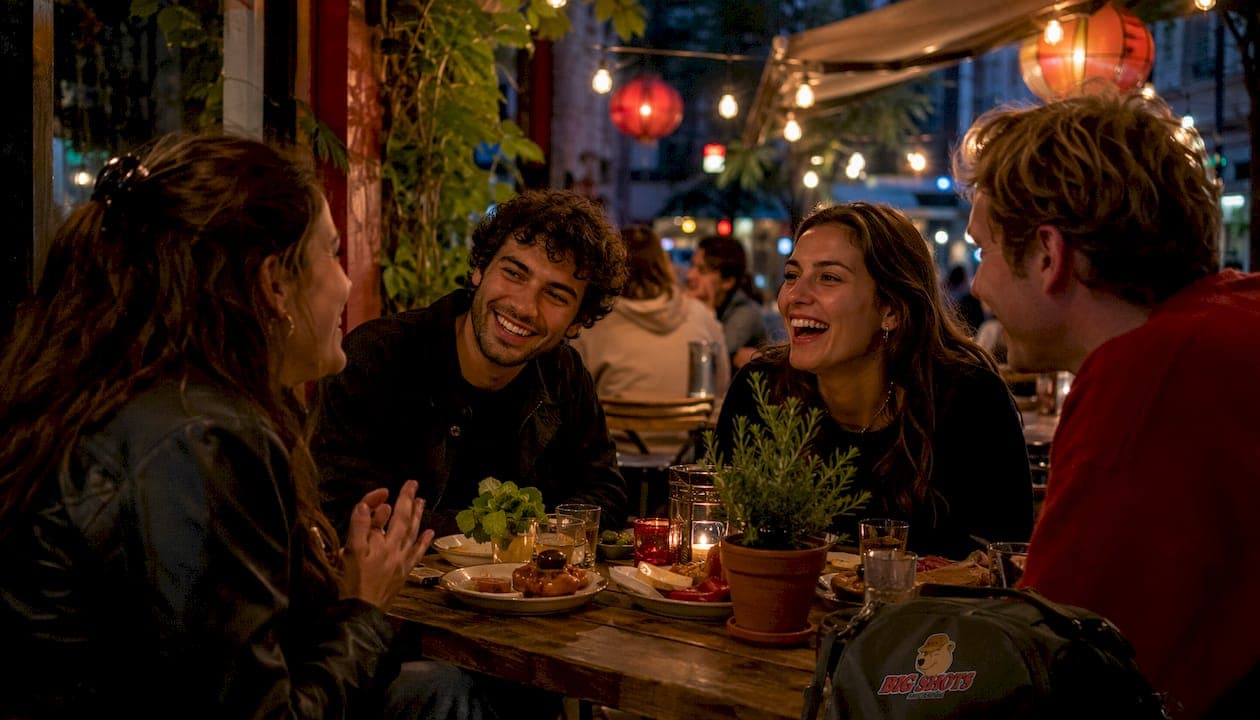
What is Amsterdam's entertainment district?
Amsterdam's entertainment district is not one neighborhood. It's a collection of distinct areas, each with its own personality, crowd, and purpose. At the center sits De Wallen, the historic Red Light District, which contains roughly 300 window cabins for regulated prostitution alongside sex shops, theaters, and museums. Window prostitution has legally existed there since the 1400s. Surrounding De Wallen, you'll find Leidseplein, Rembrandtplein, Reguliersdwarsstraat, and quieter local neighborhoods like Jordaan and De Pijp, each offering something the others don't.
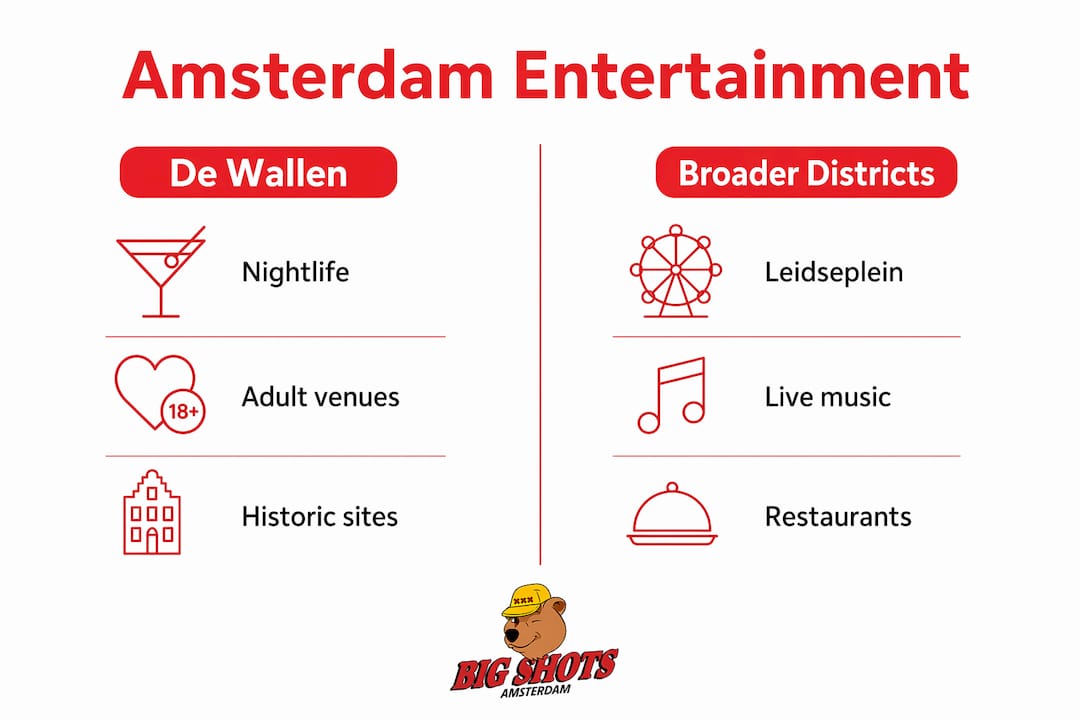
Amsterdam's nightlife areas are compact enough that you can move between them in minutes. That's one of the city's real advantages for visitors. Here's a quick map of the main zones:
- De Wallen (Red Light District): Adult entertainment, sex shops, coffee shops, and historic churches side by side
- Leidseplein: The highest concentration of mainstream clubs, live music venues, theaters, and a casino
- Rembrandtplein: Dance clubs, bars, and a rougher, more energetic nightlife scene popular with locals and tourists alike
- Reguliersdwarsstraat: Amsterdam's LGBTQ+ nightlife hub, with bars and clubs running the length of the street
- Jordaan and De Pijp: Traditional Dutch brown cafés, local bars, and a relaxed neighborhood atmosphere
The city's bars and cafés generally close at 1:00 AM on weekdays and at 3:00 AM on weekends. Clubs typically open around 10:00 PM and run until early morning, while night pubs often extend operating hours until 4:00–5:00 AM.
Safety and visitor etiquette in the Red Light District
The Red Light District is generally safe for tourists, but pickpocketing is the most common risk in crowded areas like De Wallen and Leidseplein. Keep your phone in your front pocket and your bag zipped. Beyond personal security, there's a set of unwritten rules that every visitor should know before walking in.
The single most important rule: do not photograph sex workers. It is both illegal and deeply disrespectful. Workers have the right to refuse being photographed, and police enforce this actively. Beyond cameras, the etiquette is straightforward:
- Do not knock on or tap the windows
- Do not block the narrow alleyways, which are residential streets
- Keep noise down, especially late at night, since people live here
- Treat the area as a working neighborhood, not a theme park
- Do not consume alcohol on the street (open-container rules apply)
The best time to visit for a calm, less crowded experience is the afternoon or early evening. After 11:00 PM, the streets fill with larger groups, and the atmosphere shifts. Late night can feel more chaotic and occasionally more precarious, particularly in the narrowest alleys.
Pro Tip: If you want to understand De Wallen rather than just walk through it, go twice: once in the afternoon when it's quiet and the architecture is visible, and once around 9:00 PM when the neon lights are on but the crowds haven't peaked yet.
Top attractions and nightlife venues in De Wallen
De Wallen packs an unusual mix of adult entertainment, cultural landmarks, and casual dining into a very small area. The Red Light District uses red neon lights to mark window brothels, with peak activity running from 11:00 PM to 3:00 AM. Blue lights, despite popular belief, are not official indicators of anything.
Key venues and attractions in the district include:
- Casa Rosso: A well-known adult theater with a stage-show format, resembling a traditional theater setup
- Moulin Rouge: A strip-club-style venue with a more informal atmosphere than Casa Rosso
- Erotic Museum: Five floors covering the history of erotic art and culture
- Sex Museum (Venustempel): One of the oldest sex museums in the world, located just outside De Wallen on Damrak
- Oude Kerk: A 14th-century Gothic church sitting literally in the middle of the Red Light District, open for art exhibitions and concerts
- Madame Tussauds Amsterdam: Located near Dam Square, a short walk from De Wallen, featuring wax figures of global celebrities and Dutch icons
- Body Worlds Amsterdam: A science and anatomy exhibition that draws visitors interested in something educational alongside the district's other offerings
- Cannabis coffee shops: Licensed establishments where adults can legally purchase and consume cannabis on the premises
| Venue | Type | Best for | Location |
|---|---|---|---|
| Casa Rosso | Adult live theater | Adults 18+ | Oudezijds Achterburgwal |
| Moulin Rouge | Strip club | Adults 18+ | Oudezijds Achterburgwal |
| Oude Kerk | Historic church / art space | Culture seekers | Oudekerksplein |
| Madame Tussauds | Wax museum | Families, pop culture fans | Dam Square |
| Body Worlds | Science exhibition | All ages | Near Centraal Station |
| Cannabis coffee shops | Licensed café | Adults 18+ | Throughout De Wallen |
For visitors who want to explore the best Red Light District bars and dining spots alongside the main attractions, the area has far more to offer than its adult entertainment reputation suggests.
The history and culture of Amsterdam's Red Light District
De Wallen is one of the oldest parts of Amsterdam, and its history as an entertainment and red-light area stretches back centuries. Rick Steves describes it as a product of Dutch pragmatism: rather than pushing sex work underground, Amsterdam chose to regulate and tax it, keeping workers safer and the trade visible.
A rough chronology of the district's evolution:
- 1400s: Window prostitution becomes established near the harbor, catering to sailors and merchants
- 1600s–1700s: Amsterdam's Golden Age brings wealth and trade; De Wallen grows alongside the city's port economy
- 1800s: Social reform movements push for restrictions, but the trade continues under informal tolerance
- 1911: Brothels are officially banned in the Netherlands, though enforcement in De Wallen remains loose
- 2000: The Netherlands formally legalizes and regulates sex work, giving workers legal protections and requiring licensing for operators
- 2008 onward: The city of Amsterdam begins Project 1012, reducing the number of window brothels and replacing some with galleries, boutiques, and restaurants to address concerns about organized crime
The Oude Kerk, built in the 14th century, remains an active cultural venue hosting art exhibitions and concerts. Its presence alongside the window brothels captures the neighborhood's layered identity better than any explanation could. Local residents have pushed back against the tourist volume in recent years, and the city continues to debate how to balance the district's economic role with quality of life for the people who actually live there.
Amsterdam's broader entertainment districts beyond De Wallen
Once you've seen the Red Light District, the rest of Amsterdam's nightlife is worth your time. The city's nightlife districts each attract a different crowd and offer a different experience, and since the city is compact, moving between them takes no more than a 15-minute walk or a short tram ride.
- Leidseplein: The most tourist-friendly nightlife hub, with mainstream clubs, live music, theaters, a casino, and terraces packed in summer. DJs like Tiësto and Armin van Buuren have deep roots in the Amsterdam club scene that Leidseplein helped build.
- Rembrandtplein: Louder and more energetic than Leidseplein, with dance clubs and bars spread across the square and the adjacent Thorbeckeplein. Popular with both locals and tourists, and particularly lively on Thursday, Friday, and Saturday nights.
- Reguliersdwarsstraat: A single street that functions as Amsterdam's LGBTQ+ nightlife center, running from Rembrandtplein toward the Flower Market. The bars here are welcoming to everyone, not just the LGBTQ+ community.
- Jordaan: Traditional Dutch brown cafés, live folk music, and a neighborhood feel that's the opposite of the tourist-heavy squares. Go here if you want to drink with locals.
- De Pijp: Younger, more multicultural, and home to the Albert Cuyp Market by day and a relaxed bar scene by night. The Amsterdam hospitality scene in De Pijp leans toward craft beer and casual dining.
| District | Vibe | Best crowd | Entertainment type |
|---|---|---|---|
| Leidseplein | Energetic, mainstream | Tourists, mixed ages | Clubs, live music, theater |
| Rembrandtplein | Loud, party-focused | Tourists and locals | Dance clubs, bars |
| Reguliersdwarsstraat | Inclusive, lively | LGBTQ+ and allies | Bars, cocktail lounges |
| Jordaan | Relaxed, authentic | Locals, older crowd | Brown cafés, live folk music |
| De Pijp | Casual, multicultural | Young locals, expats | Bars, craft beer, dining |
Where to stay near Amsterdam's entertainment district
Staying close to De Wallen and the main nightlife squares puts you within walking distance of almost everything. The area around Dam Square and Centraal Station offers the densest concentration of hotels at every price point. Budget travelers tend to cluster in hostels along Warmoesstraat, which runs directly through the Red Light District. Mid-range hotels around Nieuwmarkt offer a quieter location while keeping you five minutes from De Wallen on foot.

For visitors who want nightlife access without sleeping in the middle of it, the streets around Leidseplein and Rembrandtplein have solid hotel options with better noise levels. The canal belt neighborhoods, particularly along Keizersgracht and Prinsengracht, offer boutique hotels in historic canal houses. These are a 10–15 minute walk from the main entertainment areas and considerably more peaceful after midnight.
Pro Tip: Book accommodation with a 24-hour front desk if you plan to stay out late. Some smaller canal-house hotels lock their doors at midnight, which creates a real problem after a night in the clubs.
Food and dining in and around the Red Light District
De Wallen has more dining options than most visitors expect. The streets around Zeedijk and Nieuwmarkt are lined with Indonesian, Chinese, and Dutch restaurants that stay open late. Zeedijk in particular is Amsterdam's Chinatown, and the food there is genuinely good and affordable. For a quick meal before or after exploring the district, the snack bars and fry shops (known locally as snackbars) serving Dutch fries with mayonnaise are everywhere and open until the early hours.
Leidseplein and Rembrandtplein have a wider range of sit-down restaurants, from Dutch stamppot to international cuisine. The Albert Cuyp Market in De Pijp is worth a visit for street food during the day. For visitors who want to combine lodging and dining into a single well-planned stop, the neighborhoods around the main squares offer the best density of options. Jordaan has some of Amsterdam's best traditional Dutch restaurants, though they tend to close earlier than the tourist-area spots.
Guided tours and experiences you can book
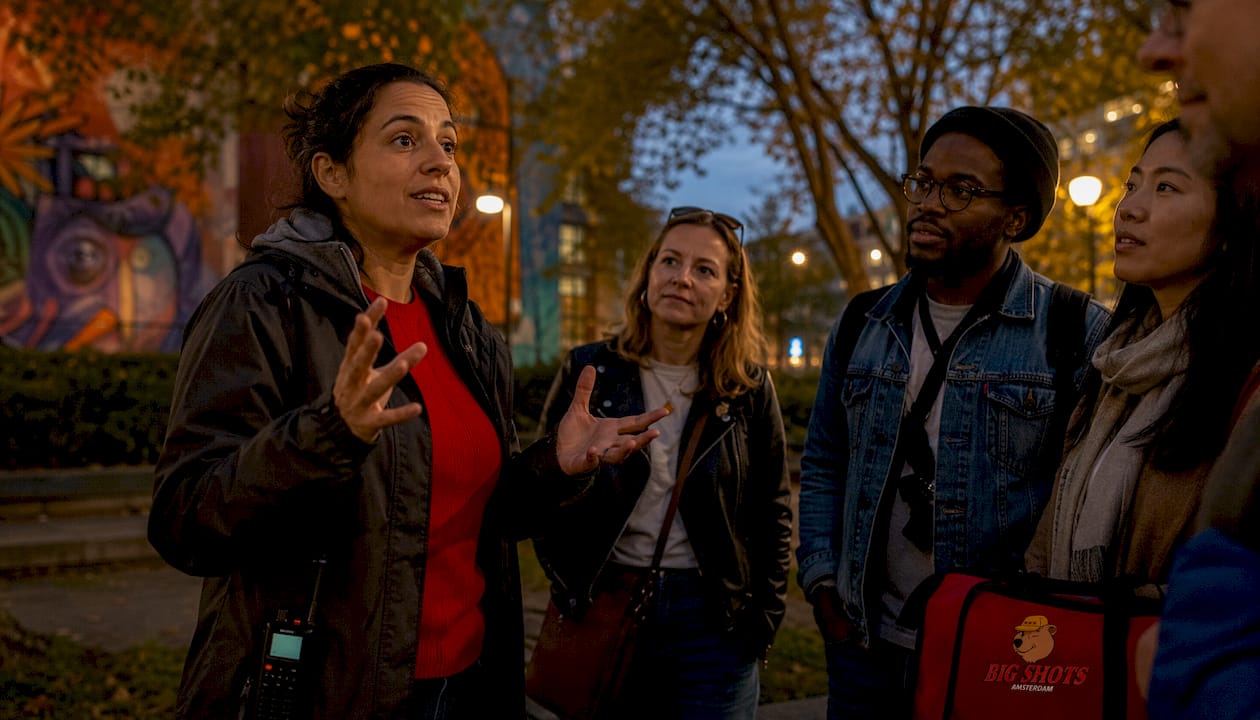
A guided tour of the Red Light District changes the experience significantly. Walking tours led by local guides cover the history of De Wallen, explain the legal framework around sex work, and point out landmarks like the Oude Kerk that most visitors walk past without context. Several operators run evening tours that start around 8:00 PM, timed to catch the district as the lights come on.
For visitors who want something beyond the Red Light District, Amsterdam offers canal boat tours, cycling tours through the Jordaan, and food tours in De Pijp. The city tour experience depends heavily on the guide's local knowledge, so reading recent reviews before booking matters. Madame Tussauds Amsterdam and Body Worlds both offer timed-entry tickets that you can book online in advance, which is worth doing in summer when queues get long. Rick Steves Europe also publishes a detailed self-guided audio tour of the Red Light District that works well for visitors who prefer to explore at their own pace.
Local laws and regulations specific to the district
Beyond the general rule of not photographing sex workers, De Wallen has specific legal rules that visitors need to know. Cannabis is tolerated in licensed coffee shops, but smoking it on the street is not permitted. Alcohol consumption in public spaces is restricted, and police do enforce this in the Red Light District, particularly on weekend nights when crowds get large.
Sex workers in Amsterdam operate legally under a licensing system. They are independent contractors, not employees of the venues, and they have the right to refuse any client. Soliciting sex outside of licensed window brothels is illegal. The minimum age for both sex workers and clients is 18. Visitors who attempt to photograph workers or harass them can face fines or removal from the area by police. The city has also installed cameras in several alleyways to monitor behavior and deter harassment.
Drug use beyond cannabis in coffee shops falls under Dutch drug law, which distinguishes between soft drugs (tolerated) and hard drugs (illegal). Possession of hard drugs, even small amounts, can result in arrest. Street dealers in De Wallen sell drugs illegally and are not a safe or legal option under any circumstances.
Alternative entertainment nearby for diverse visitor interests
Not everyone visiting Amsterdam wants the Red Light District experience, and the city has plenty of alternatives within easy reach. The Rijksmuseum and Van Gogh Museum are both in the Museumplein area, about a 20-minute walk or a short tram ride from De Wallen. These are world-class institutions that require at least half a day each. The Anne Frank House, located in the Jordaan, is one of the most visited sites in the Netherlands and requires advance booking.
For live music outside the club scene, the Concertgebouw hosts classical performances in one of the best-regarded concert halls in Europe. The Paradiso and Melkweg venues near Leidseplein book international rock, pop, and electronic acts year-round. Visitors interested in Dutch culture can spend an afternoon at the Amsterdam Museum or take a canal boat tour that covers the city's history from the water. The bar entertainment scene across Amsterdam also includes sports bars, shisha lounges, and cocktail bars that have nothing to do with the Red Light District and cater to visitors looking for a relaxed evening out.
Expert insights on visiting Amsterdam safely and respectfully
Travel experts and local guides consistently make the same point: De Wallen works best when you approach it with curiosity rather than spectacle-seeking. Rick Steves advises visitors to treat the area as a real neighborhood functioning 24/7, not a tourist attraction that exists for their entertainment. That framing changes how you move through it.
For late-night travel between districts, official public transport and licensed taxis are the recommended options. Amsterdam's tram network runs until around 12:30 AM, after which night buses take over. Ride-share apps operate in the city, though surge pricing applies on weekend nights. Walking between Leidseplein, Rembrandtplein, and De Wallen is realistic for most visitors since the distances are short, but stay on well-lit streets and keep your belongings secure.
Checking happy hours and timing across Amsterdam's bars before you go out can save money and help you plan a logical route between neighborhoods. The city rewards visitors who do a little planning over those who wander in without a sense of the geography.
Pro Tip: Download the GVB app (Amsterdam's public transport operator) before your trip. It shows real-time tram and night bus schedules, which matters a lot when you're trying to get back to your hotel at 2:00 AM.
Bigshotsamsterdam: where Amsterdam's entertainment meets great food and drinks
If you want a venue that captures the energy of Amsterdam's entertainment scene without the intensity of De Wallen, Bigshotsamsterdam is worth knowing about. It combines a sports bar, shisha lounge, restaurant, and café under one roof, which means you can watch a game, share a shisha, eat a proper steak, and stay for cocktails without changing venues.
The menu covers breakfast through late-night dining, with gourmet dishes and steaks alongside lighter options. The atmosphere is relaxed but lively, the kind of place that works for a casual afternoon as well as a night out with a group. Online ordering and merchandise are available through the Bigshotsamsterdam website, making it easy to plan ahead. For visitors who want Amsterdam's social energy in a setting that's genuinely comfortable and well-run, Bigshotsamsterdam delivers exactly that.
Key Takeaways
Amsterdam's entertainment district is a cluster of distinct neighborhoods, with De Wallen at its core and Leidseplein, Rembrandtplein, and Reguliersdwarsstraat each offering a different nightlife experience.
| Point | Details |
|---|---|
| De Wallen is the historic core | The Red Light District contains roughly 300 regulated window cabins and has operated since the 1400s. |
| Multiple districts, multiple vibes | Leidseplein suits mainstream nightlife; Rembrandtplein is louder; Reguliersdwarsstraat centers LGBTQ+ venues. |
| Respect is non-optional | Photographing sex workers is illegal; the district is a residential neighborhood with real residents and workers. |
| Bars and clubs have set hours | Cafés close at 1:00 AM weekdays and 3:00 AM weekends; night pubs run until 4:00–5:00 AM. |
| Bigshotsamsterdam | A sports bar, shisha lounge, restaurant, and café offering dining and nightlife in Amsterdam's entertainment scene. |