
TL;DR:
- An Amsterdam brasserie is a casual full-service restaurant offering all-day service with a stable menu of classic dishes. It provides a lively, informal atmosphere with professional service and operates from breakfast until late at night, distinguishing it from other local dining options like brown cafes and bistros. Modern neo-brasseries are updating the format with local sourcing and shared plates while maintaining the essential all-day hospitality model.
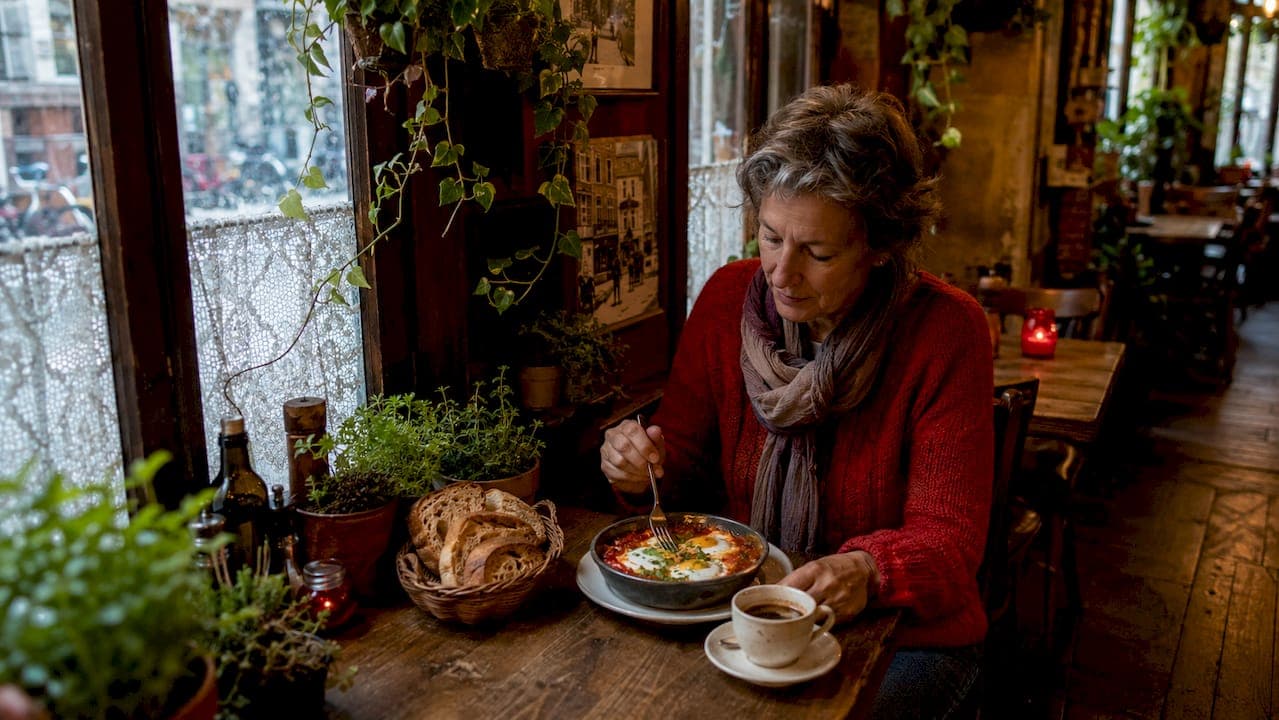
An Amsterdam brasserie is a casual, full-service restaurant that serves continuous meals all day from breakfast through late night, with a stable menu built around classic dishes and professional but relaxed service. The term itself comes from the French verb brasser, meaning to brew, but contemporary brasserie culture has long moved past brewing beer on-site. Today, the label signals a specific dining experience: reliable food, a welcoming room, and a kitchen that never really closes. For travelers landing in Amsterdam, understanding this concept cuts through the confusion of a city packed with brown cafes, bistros, grand cafes, and everything in between.
What is an Amsterdam brasserie, exactly?
An Amsterdam brasserie sits between a casual cafe and a formal restaurant, occupying a middle ground that most cities struggle to define. The format is borrowed from French dining culture but has been fully absorbed into Amsterdam food culture over the past century. Where a French brasserie once meant a place that brewed and served beer alongside hearty food, the Amsterdam version prioritizes the dining experience above all else.
The defining feature is continuous, all-day service. Most Amsterdam brasseries open around 8 or 9 in the morning and stay open until midnight or later. That means you can walk in at 3 p.m. for a full lunch when most kitchens have already closed, or arrive at 10 p.m. for a proper dinner without being rushed. This operational model is rare in Amsterdam and makes brasseries a genuine anchor for travelers with unpredictable schedules.
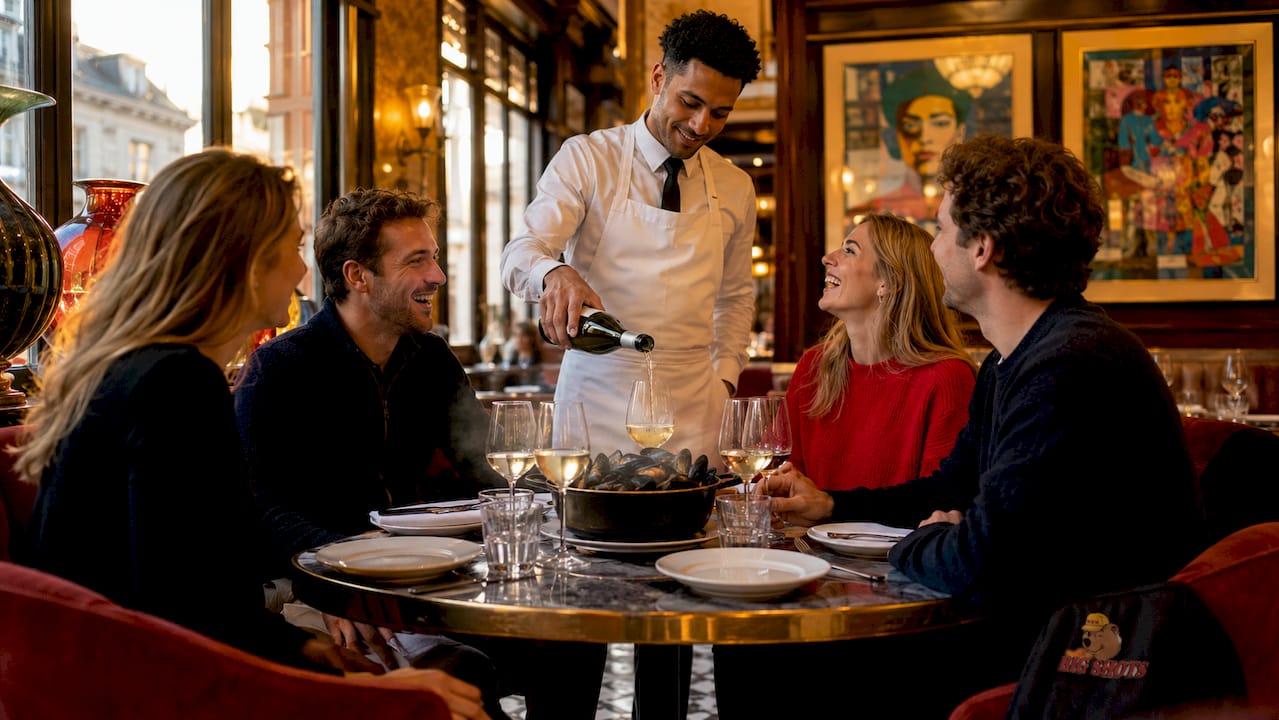
The atmosphere is lively but never stiff. Expect tiled floors, mirrored walls, leather banquettes, and the low hum of a room that has been full since noon. Service is professional without being formal. Servers know the menu cold and move quickly. The whole experience is designed to feel effortless, even when the room is packed.
How does an Amsterdam brasserie differ from other local dining spots?
Travelers frequently confuse brasseries with brown cafes, bistros, and grand cafes. Each serves a different purpose, and mixing them up leads to real disappointment at the table.
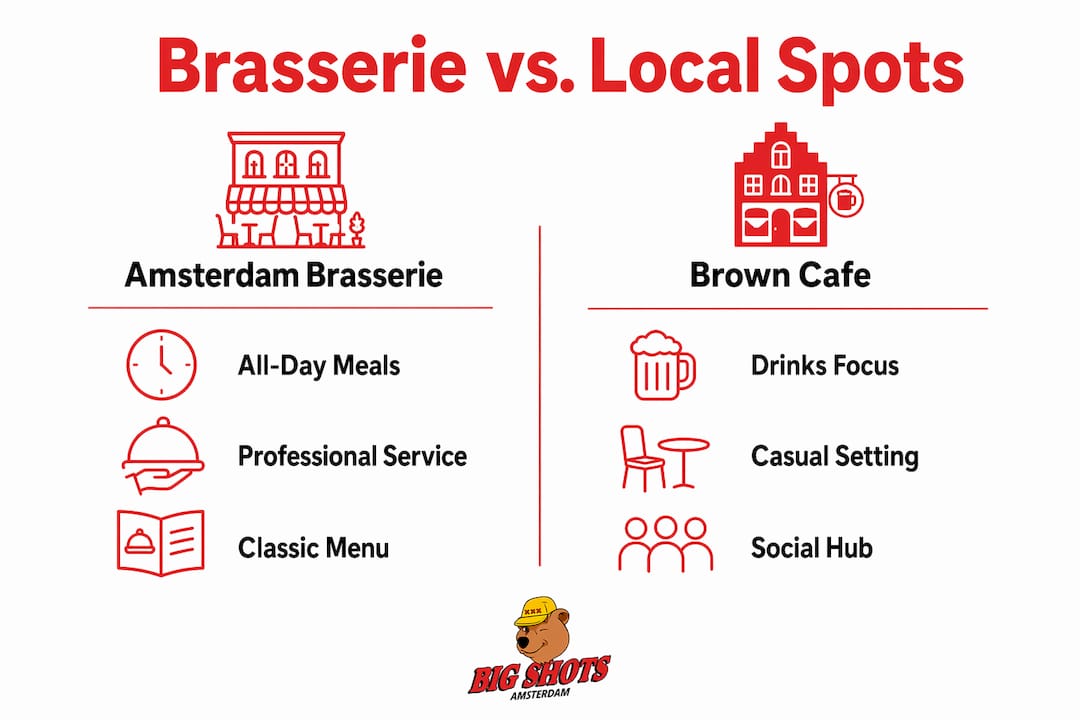
A brown cafe, known locally as a bruin café, is the social heart of Amsterdam. Brown cafes prioritize drinks like jenever and Dutch beer, with food limited to small snacks such as bitterballen or a simple cheese plate. The vibe is cozy and unhurried. You go to a brown cafe to drink and talk, not to eat a structured meal.
A bistro is smaller and more intimate than a brasserie. Bistro menus tend to change seasonally and reflect the chef's personal style. The experience is quieter and more curated. Brasseries, by contrast, run on a steady, familiar menu that changes slowly and deliberately. That consistency is the point.
The table below captures the key differences at a glance.
| Feature | Amsterdam brasserie | Brown cafe | Bistro |
|---|---|---|---|
| Primary focus | Full meals, all day | Drinks and light snacks | Chef-driven seasonal meals |
| Operating hours | Breakfast through late night | Afternoon through late night | Dinner only, often limited hours |
| Menu style | Stable classics, broad selection | Minimal food options | Rotating, seasonal, intimate |
| Service style | Professional, structured | Casual, self-directed | Attentive, personal |
| Typical atmosphere | Lively, high-energy dining room | Cozy, dimly lit, social | Quiet, intimate, neighborhood feel |
The brasserie wins on flexibility. Brasseries serve full meals across the entire day while brown cafes stay focused on drinks and bistros rarely open before dinner. For a traveler who wants a real meal at an odd hour, the brasserie is the only reliable answer.
What can visitors expect on the menu at Amsterdam brasseries?
Amsterdam brasserie menus are built on classic French-inspired dishes that have proven their staying power over decades. Steak tartare, sole meunière, and shrimp croquettes appear on nearly every menu in the city. These are not trend-chasing dishes. They are the foundation of the format.
The menu rarely chases seasonal trends. Staples like steak tartare and sole meunière remain constants because customers return specifically for them. A brasserie that swaps its tartare for a grain bowl loses the regulars who built its reputation. That stability is a feature, not a limitation.
Drinks are taken seriously. Wine lists lean toward French and Dutch selections, with a solid range of bottles by the glass. Many brasseries also carry Dutch gins and local craft beers alongside the expected cocktail menu.
Signature dishes you will find on most Amsterdam brasserie menus:
- Steak tartare with capers, shallots, and egg yolk
- Sole meunière with brown butter and lemon
- Shrimp croquettes with remoulade
- French onion soup with gruyère crust
- Entrecôte with frites and béarnaise
- Crème brûlée or profiteroles for dessert
Pro Tip: Order the shrimp croquettes as a starter even if you plan a full meal. Amsterdam's version uses North Sea shrimp, which are smaller and sweeter than the tropical shrimp used in most other countries. It is one of the most distinctly local things on any brasserie menu.
How do brasseries fit into Amsterdam's modern dining scene?
Amsterdam's dining scene in 2026 is evolving fast, and brasseries are not standing still. The neo-brasserie trend has taken hold across the city, updating the classic format with locally sourced ingredients, shared plates, and a more community-focused atmosphere. These venues keep the all-day service model and the familiar menu structure but strip away any remaining formality.
The shift reflects a broader change in how Amsterdam residents and visitors want to eat. Shared plates encourage conversation. Local sourcing connects the menu to Dutch farms and the North Sea. The room feels less like a dining institution and more like a neighborhood living room that happens to serve excellent food. You can see this at work in venues along the Jordaan and De Pijp neighborhoods, where historic canal-house settings now host menus that mix classic brasserie dishes with modern Dutch produce.
"The best Amsterdam brasseries feel like they have always been there, even when they opened last year. That sense of permanence is the whole point."
The role of food in hospitality has shifted toward experience over formality, and Amsterdam brasseries are well-positioned to meet that shift. They already offer what modern diners want: good food, flexible hours, and a room with energy. The neo-brasserie movement simply makes those qualities more explicit. For travelers, this means the Amsterdam restaurant trends in 2026 are actually working in your favor. More options, better sourcing, and the same reliable service model that made brasseries worth visiting in the first place.
What practical tips help travelers find and enjoy Amsterdam brasseries?
Finding a genuine Amsterdam brasserie takes a little more attention than searching a map app. Many venues use the word loosely, and the brasserie label in Amsterdam signals reliable service tone rather than strict French cuisine. Here is how to tell the real thing from a restaurant that borrowed the name.
1. Check the hours. A true brasserie opens for breakfast and stays open through late night without a break. If the kitchen closes between 3 and 6 p.m., it is not operating as a brasserie regardless of what the sign says.
2. Look at the menu length. Brasserie menus are broad and consistent. If the menu has fewer than 15 dishes or changes weekly, you are looking at a bistro or a casual restaurant, not a brasserie.
3. Observe the service setup. Brasseries run with full table service from the moment you sit down. There is no counter ordering, no QR code-only menus, and no self-service element.
4. Ask about reservations. Most Amsterdam brasseries accept reservations for dinner but keep a portion of the room for walk-ins. For restaurant reservations in Amsterdam, booking two to three days ahead for weekend dinners is standard practice.
5. Time your visit strategically. The best brasserie experience happens at off-peak hours. Arriving at 11:30 a.m. for lunch or 6 p.m. for an early dinner gets you attentive service and a calmer room. The late-night dining options at brasseries are genuinely good, but expect a louder, more social atmosphere after 9 p.m.
Pro Tip: If you want to experience Amsterdam brasserie culture at its most authentic, sit at the bar. Most brasseries reserve bar seats for walk-ins, and the view of the kitchen pass and the room gives you the full picture of how these places actually run.
Key Takeaways
An Amsterdam brasserie is defined by continuous all-day service, a stable classic menu, and professional hospitality in a lively, informal setting.
| Point | Details |
|---|---|
| All-day service is the core feature | Brasseries stay open from breakfast through late night, filling gaps other restaurants leave. |
| Menu stability builds loyalty | Classic dishes like steak tartare and sole meunière rarely change, giving regulars a reliable experience. |
| Brasseries differ from brown cafes | Brown cafes focus on drinks and snacks; brasseries serve full structured meals across the entire day. |
| Neo-brasseries update the format | Modern venues add local sourcing and shared plates while keeping the all-day service model intact. |
| The label is not always accurate | Verify hours, menu length, and service style to confirm a venue is a true brasserie before visiting. |
Why Amsterdam brasseries still earn their place at the table
I have eaten in a lot of Amsterdam dining spots over the years, and the brasserie format consistently delivers something that trendier venues cannot: dependability. You know what you are getting before you walk through the door. The menu will have the tartare. The service will be quick. The room will be full of people who look like they are exactly where they want to be.
What surprises most first-time visitors is how warm these places feel despite their size. The best Amsterdam brasseries run large rooms with dozens of tables, yet they manage to feel personal. Servers remember returning guests. The kitchen sends out the same dish the same way every time. That consistency is not laziness. It is craft.
The neo-brasserie shift I have watched develop over the past few years is genuinely exciting. Venues in the Jordaan and De Pijp are proving that you can source locally, serve shared plates, and still maintain the all-day hospitality model that makes brasseries worth visiting. The Amsterdam dining and social scene is richer for it.
My honest recommendation: skip the tourist-facing restaurants near the main squares and find a brasserie two or three streets off the main drag. The food will be better, the service more attentive, and the room will show you what Amsterdam food culture actually looks like when it is not performing for visitors.
— Leo
Experience Amsterdam dining at Bigshotsamsterdam
If the brasserie model appeals to you but you want something with more energy and variety, Bigshotsamsterdam delivers exactly that. It combines the all-day hospitality spirit of a brasserie with a sports bar, shisha lounge, and a menu that runs from breakfast through late night.
The kitchen covers everything from steaks and gourmet dishes to craft cocktails, and the atmosphere shifts naturally from a relaxed afternoon spot to a lively evening venue. Whether you are watching a match, sharing a meal, or just looking for a reliable Amsterdam bar and restaurant that stays open when other places close, Bigshotsamsterdam is worth a visit. Check the menu online and book your table before you arrive.
FAQ
What is the main difference between a brasserie and a brown cafe?
A brasserie serves full meals all day with professional table service, while a brown cafe focuses on drinks like jenever and small snacks in a casual, social setting. Brasseries prioritize food; brown cafes prioritize the drink.
Do Amsterdam brasseries serve food all day?
Yes. Continuous service from breakfast through late night is the defining operational feature of a true Amsterdam brasserie. Most open around 8 or 9 a.m. and serve until midnight or later.
Are Amsterdam brasseries strictly French restaurants?
No. While the format has French origins, the brasserie label in Amsterdam signals reliable service and continuous hours rather than exclusive French cuisine. Menus can be eclectic while still centering on classic dishes.
What dishes should I order at an Amsterdam brasserie?
Steak tartare, shrimp croquettes, and sole meunière are the most consistent menu items across Amsterdam brasseries. The shrimp croquettes made with North Sea shrimp are a particularly local specialty worth ordering.
Do I need a reservation at an Amsterdam brasserie?
Most brasseries accept reservations for dinner and recommend booking two to three days ahead for weekends. A portion of the room is typically held for walk-ins, making lunch and early dinner accessible without advance planning.