
TL;DR:
- Casual dining is a full-service restaurant segment offering moderate prices, a relaxed atmosphere, and no dress code. Its operatives include full table service, comfort-food menus, and full bar offerings suitable for diverse social occasions. The format is evolving with upscale concepts and creative decor that appeal to modern diners seeking quality within a casual setting.
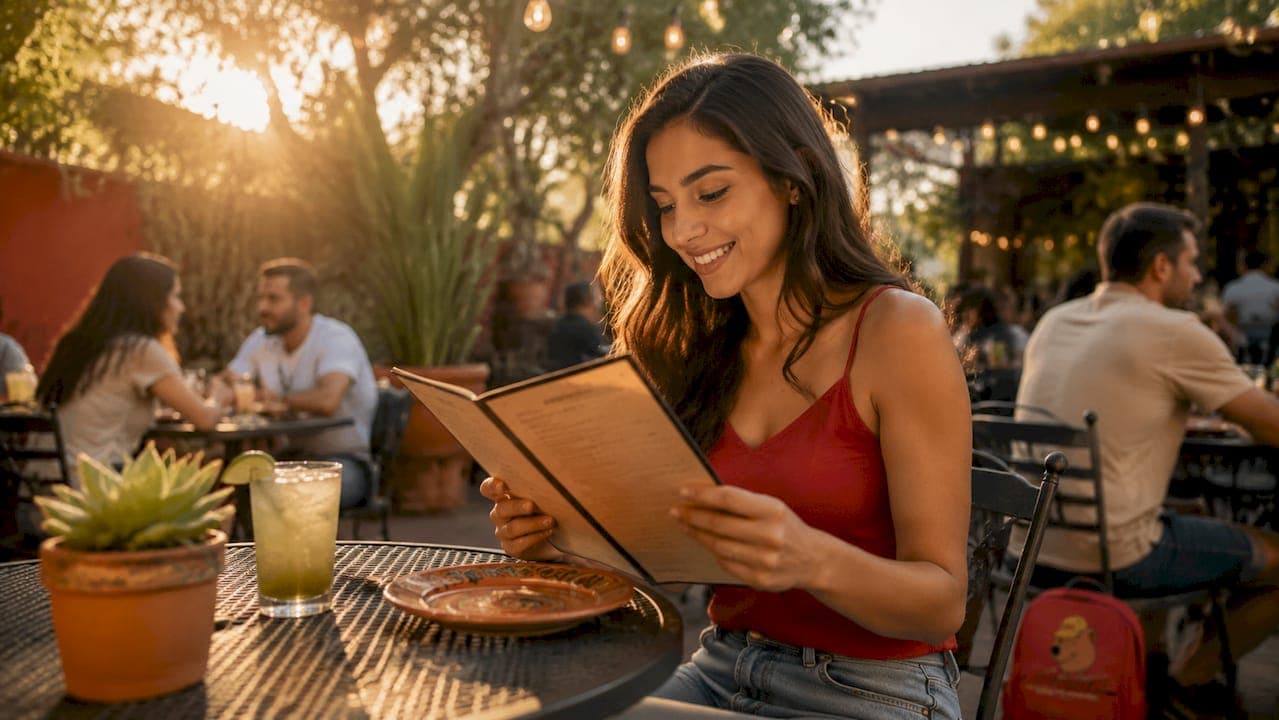
Casual dining is defined as a full-service restaurant segment that offers table service, moderate pricing, and a relaxed atmosphere without formal dress codes or reservation requirements. It sits squarely between fast food and fine dining on the restaurant spectrum, giving diners the comfort of a sit-down meal without the expense or ceremony of a white-tablecloth experience. The industry term you'll see used interchangeably is "casual dining restaurant" or "casual dining concept," and understanding what separates it from fast casual or fine dining changes how you choose where to eat.
What is casual dining and how does it work?
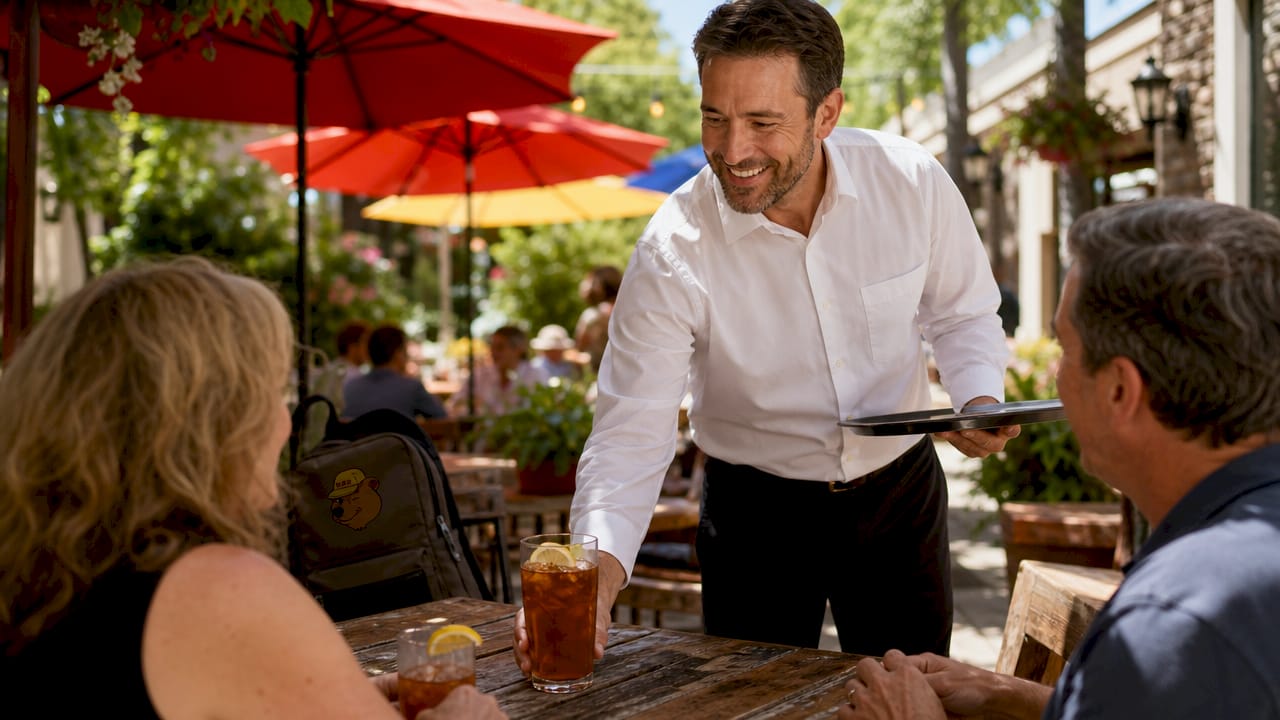
Casual dining is a moderately priced, full-service restaurant experience where a server takes your order at the table, brings your food, and checks in throughout the meal. That single detail, full table service, is what separates casual dining from fast casual concepts where you order at a counter. The price point typically lands at the $$ range, meaning you can expect a satisfying meal without the financial commitment of a fine dining outing.
The atmosphere is deliberately approachable. There is no dress code, no expectation to book weeks in advance, and no pressure to order in a particular sequence. You walk in, get seated, and eat at your own pace. This come-as-you-are atmosphere built around comfort foods like burgers, pastas, and steaks is the defining social contract of casual dining. It signals to the diner: you belong here, no matter the occasion.
Popular casual dining chains like Applebee's, Chili's, TGI Fridays, and Olive Garden have built entire brand identities around this formula. Each one offers a broad menu, a full bar, and a welcoming room that works equally well for a Tuesday night dinner or a birthday celebration. These chains are not accidental successes. They are the result of decades of refining exactly what diners want from a mid-range, full-service experience.
What are the typical features of casual dining restaurants?
The features that define a casual dining restaurant go beyond just "not fancy." Each element is a deliberate operational and design choice.
- Full table service: A dedicated server handles your entire experience from seating to the check. This is the primary operational distinction from fast casual.
- Comfort-forward menus: Dishes lean toward familiar, crowd-pleasing options. Think loaded nachos, grilled chicken sandwiches, pasta bowls, and classic steaks. The goal is broad accessibility, not culinary risk.
- Moderate pricing: The $$ price tier means most entrees fall in a range that feels reasonable for a weeknight meal or a casual group outing.
- No dress code or reservation requirement: Walk-ins are the norm. Guests are not expected to dress up or plan far in advance.
- Full bar service: Casual dining restaurants typically feature a full bar with dedicated staff, an extensive beer selection, and a limited wine menu. This beverage program is a meaningful revenue driver and a social anchor for the experience.
- Themed or branded decor: The room is designed with intention. Rustic wood panels, sports memorabilia, or vintage signage all serve a purpose: building brand identity while keeping the atmosphere relaxed.
Pro Tip: When choosing a casual dining spot for a group, check whether the venue has a dedicated bar area. A full bar means the group can arrive at different times, grab a drink, and settle in without waiting for a table to be fully assembled.
The service model in casual dining balances professionalism with informality. Servers are trained to be attentive and efficient, but the interaction is warm rather than formal. The goal is to make guests feel comfortable enough to return, not to impress them with ceremony.
How does casual dining compare with fast casual and fine dining?
The three-way comparison between casual dining, fast casual, and fine dining clarifies exactly where each format fits in your dining life.
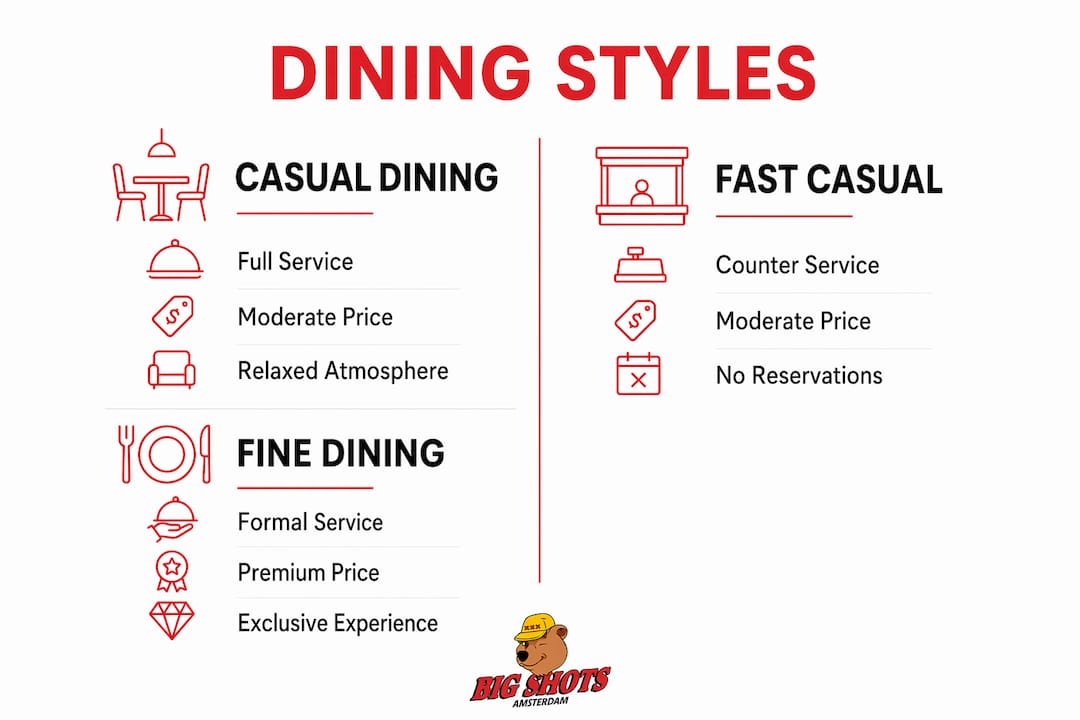
| Feature | Casual Dining | Fast Casual | Fine Dining |
|---|---|---|---|
| Service style | Full table service | Counter ordering, no table service | Formal, multi-course table service |
| Price range | $$ (moderate) | $ to $$ (budget to moderate) | $$$$ (premium) |
| Dress code | None | None | Often required or expected |
| Reservations | Rarely required | Not applicable | Usually required |
| Menu style | Broad comfort food, full bar | Limited, build-your-own options | Curated, chef-driven tasting menus |
| Atmosphere | Relaxed, themed | Functional, quick | Formal, refined |
| Examples | Chili's, Olive Garden, TGI Fridays | Chipotle, Panera Bread, Shake Shack | Per Se, Eleven Madison Park |
The critical difference between casual and fast casual is service style, not menu quality. Both can serve a well-made burger or a thoughtful pasta dish. But in casual dining, a server brings it to you. In fast casual, you carry a tray to your own table. That distinction shapes the entire pace and social dynamic of the meal.
Fine dining sits at the opposite end. The service is formal and multi-course, the pricing reflects premium ingredients and culinary artistry, and the atmosphere demands a level of decorum that casual dining deliberately avoids. Fine dining is an event. Casual dining is a meal. Both have their place, but they serve entirely different needs. For a deeper look at how dining styles compare, the range from street food to tasting menus tells a compelling story about how people choose to eat.
What makes the casual dining experience appealing to diverse groups?
Casual dining's flexibility across social occasions is its most underrated competitive strength. A fine dining restaurant is built for a specific type of occasion. A fast casual spot is built for speed. Casual dining is built for almost everything else.
Here is why it works for such a wide range of diners:
- Families with children: No dress code, no hushed atmosphere, and a broad menu mean kids are welcome and parents are not stressed. High chairs, kids' menus, and tolerant service staff make the experience genuinely inclusive.
- Friend groups: The combination of a full bar, shareable appetizers, and a relaxed pace makes casual dining a natural social setting. Groups can linger without feeling rushed.
- Colleagues and work gatherings: The mid-range price point means no one feels awkward about the check. The atmosphere is professional enough to have a real conversation but relaxed enough that it does not feel like a boardroom.
- Date nights on a budget: Casual dining offers a genuine sit-down experience with attentive service and a real menu, without the financial pressure of a fine dining reservation.
- Solo diners: Bar seating and a welcoming environment mean solo guests are never made to feel out of place.
The welcoming, comfortable environment in casual dining is not accidental. It is engineered to encourage social interaction and repeat visits. Venues that get this right, like Bigshotsamsterdam in Amsterdam, combine full-service dining with a lively bar and entertainment options to create a space that works for a wide range of occasions. The social benefits of group dining are amplified in a casual setting where the atmosphere actively supports conversation and connection.
What contemporary trends are shaping casual dining today?
Casual dining is not standing still. The format that once meant chain restaurants with laminated menus is now producing some of the most interesting dining concepts in major cities.
The most significant shift is the rise of "upscale casual" or "contemporary casual." These hybrid concepts blend chef-driven menus with the approachable service and relaxed atmosphere of traditional casual dining. Think locally sourced ingredients, rotating seasonal menus, and craft cocktail programs, all delivered without white tablecloths or formal service scripts. This format appeals strongly to younger diners who want quality and creativity without the formality.
Thematic decor has also grown more sophisticated. Casual dining atmospheres are deliberately curated with themed decor such as Tuscan farmhouse aesthetics or industrial loft designs to build brand identity while keeping the room approachable. The design is no longer just background noise. It is part of the product.
| Trend | What it means for diners |
|---|---|
| Upscale casual concepts | Chef-quality food in a relaxed, no-reservation setting |
| Craft beverage programs | Cocktail menus with seasonal and local ingredients |
| Experiential dining | Live music, sports viewing, or themed events integrated into the meal |
| Global menu influences | Artisanal and international dishes alongside classic comfort food |
Operationally, efficient table turnover remains a priority for casual dining venues. Unlike fine dining, where a table might be occupied for three hours, casual dining kitchens and service teams are built to handle high volume during peak hours without sacrificing the quality of the guest experience. This balance between speed and hospitality is where well-run casual dining venues separate themselves from average ones.
Pro Tip: If you want to experience the best of contemporary casual dining, look for venues that list their suppliers or highlight seasonal ingredients on the menu. That detail signals a kitchen that takes food seriously, even in a relaxed setting.
The ability to evolve with consumer preferences, incorporating artisanal and global menu influences, is what keeps casual dining relevant as dining trends shift. Venues that treat the format as a ceiling rather than a floor tend to fall behind.
Key takeaways
Casual dining is the most versatile segment in the restaurant industry because it delivers full table service, social comfort, and menu variety at a price point that works for everyday occasions.
| Point | Details |
|---|---|
| Full table service is the defining feature | A server handles your entire meal, separating casual dining from fast casual counter service. |
| Moderate pricing makes it accessible | The $$ price tier covers most diners without the financial commitment of fine dining. |
| No dress code or reservation required | Walk-in, come-as-you-are access makes casual dining suitable for spontaneous outings. |
| Appeals to nearly every social occasion | Families, friend groups, colleagues, and solo diners all find casual dining genuinely welcoming. |
| The format is actively evolving | Upscale casual concepts and craft beverage programs are raising the quality ceiling without adding formality. |
Why casual dining deserves more credit than it gets
Most food writing focuses on either the cutting edge of fine dining or the convenience of fast food. Casual dining sits in the middle and gets treated like the boring option. That reading is wrong, and I say that from years of eating in every format across multiple cities.
The best casual dining experiences I have had were not at famous chains. They were at independent venues that understood the format's core promise: make the guest feel at home, feed them well, and let the evening take its own shape. That is harder to execute than it sounds. The service has to be attentive without being intrusive. The menu has to be broad enough for a group with different tastes but focused enough that the kitchen can execute every dish well.
What most diners overlook is the role of the bar in a casual dining venue. A well-run full bar does not just add drinks to the menu. It changes the social rhythm of the entire experience. Groups arrive at different times, gather at the bar, and transition to the table when everyone is ready. That flow is something fast casual and fine dining cannot replicate. For practical advice on getting the most from any sit-down meal, the smart dining tips worth knowing go well beyond just picking the right restaurant.
My honest recommendation: stop treating casual dining as a fallback option. Choose it deliberately, pick a venue that has invested in its atmosphere and menu, and let the format do what it does best.
— Leo
Experience casual dining at Bigshotsamsterdam
Bigshotsamsterdam brings the casual dining experience to life in one of Amsterdam's most dynamic venues, combining a full-service restaurant, sports bar, shisha lounge, and café under one roof.
The menu covers everything from hearty breakfasts and gourmet steaks to shareable dishes built for groups, all served in a lively, relaxed atmosphere that works for a solo lunch, a date night, or a full group outing. There is no dress code, no need to book weeks ahead, and a full bar ready when you arrive. Whether you are a local or visiting Amsterdam for the first time, Big Shots Amsterdam delivers exactly what casual dining promises: great food, genuine hospitality, and a room worth spending time in.
FAQ
What is the casual dining meaning in the restaurant industry?
Casual dining refers to a full-service restaurant segment with moderate pricing, table service, and a relaxed atmosphere that requires no dress code or advance reservation. It occupies the mid-range position between fast food and fine dining.
How is casual dining different from fast casual?
The primary difference is service style. Casual dining provides full table service where a server takes your order and brings your food, while fast casual requires customers to order at a counter and often collect their own meals.
What types of food do casual dining restaurants serve?
Casual dining menus focus on comfort foods with broad appeal, including burgers, pastas, steaks, salads, and shareable appetizers. Most casual dining venues also offer a full bar with beer, wine, and cocktails.
What should you expect at a casual dining restaurant?
You can expect to be seated by a host, served by a dedicated server throughout your meal, and presented with a broad menu at moderate prices. The atmosphere is relaxed, the pace is unhurried, and walk-ins are generally welcome.
Are casual dining restaurants good for families?
Casual dining restaurants are well-suited for families because they offer no dress code, broad menus that accommodate different tastes, and a tolerant, welcoming atmosphere. Most casual dining venues provide kids' menus and high chairs as standard.