
TL;DR:
- Amsterdam brunch combines multicultural cuisine with a slow, social dining culture rooted in old Dutch cafés. The scene has evolved since 2010, influenced by Australian, Middle Eastern, British, and American flavors, with neighborhood venues prioritizing ambiance and community. Trends now include all-day brunch and aperitif sessions that extend social hours and focus on local, high-quality ingredients.
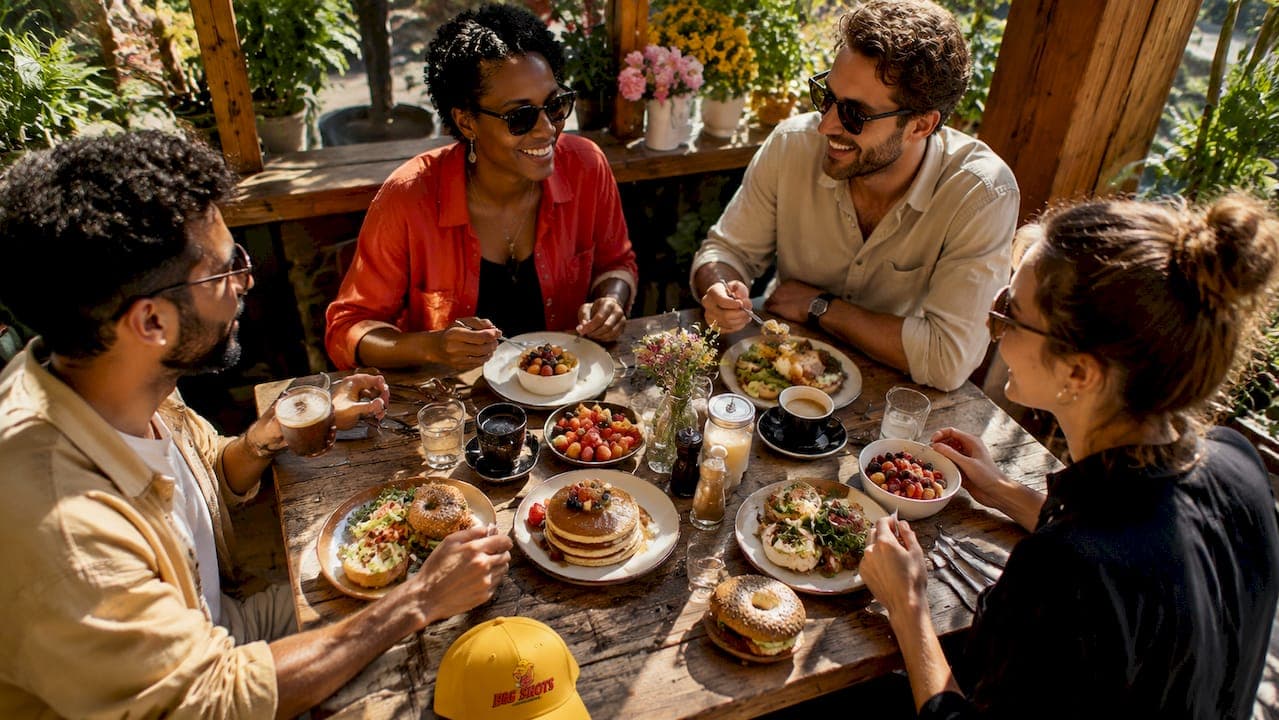
Amsterdam brunch is defined by a rare combination of multicultural cuisine, unhurried social dining, and a neighborhood intimacy that most European cities simply cannot replicate. What makes Amsterdam brunch special goes beyond the food on the plate. It reflects the city's identity as a global crossroads where Australian flat whites meet Middle Eastern shakshuka, and where sitting at a table for two hours is not just accepted but expected. The result is a brunch culture that feels both deeply local and genuinely international, making it one of the most distinctive dining rituals in Europe.
How has Amsterdam's brunch culture evolved?
Amsterdam's brunch scene transformed dramatically after 2010. Australian and New Zealand expats arrived in significant numbers and brought with them a café culture built around flat whites, smashed avocado toast, and long weekend mornings at the table. That was a sharp departure from the traditional Dutch breakfast, which centered on bread with hagelslag, a chocolate sprinkle topping eaten at home.
The Antipodean influence did more than add new dishes. It introduced a philosophy: brunch is a social event, not a meal you rush through. Amsterdam's existing café culture was already receptive to that idea, which is why the concept took hold so quickly and spread across neighborhoods.
Immigrant communities added another layer of depth to Amsterdam's brunch menus. Dishes like shakshuka, kedgeree, and soul food specialties entered the rotation, reflecting the city's long history as a port and trading hub. The result is a culinary variety rare among European capitals, where a single brunch menu might span three continents without feeling forced.
Key international influences that shaped Amsterdam brunch:
- Antipodean imports: Flat whites, smashed avocado, and grain bowls from Australia and New Zealand
- Middle Eastern additions: Shakshuka with spiced tomato sauce and poached eggs became a staple
- British colonial dishes: Kedgeree, a rice and smoked fish dish, found a loyal following
- American soul food: Fried chicken, waffles, and maple syrup combinations gained mainstream popularity
- Dutch reinterpretation: Local bakers and chefs adapted foreign dishes using Dutch dairy, artisan bread, and seasonal produce
What role does neighborhood culture play in Amsterdam brunch?
The social function of Amsterdam brunch traces directly back to the brown café tradition. Brown cafés, known locally as bruine kroegen, are old Dutch pubs defined by their dark wood interiors, candlelit tables, and an atmosphere that actively discourages rushing. Brunch venues absorbed that same ethos. The goal is conversation, not turnover.
Guests typically linger for 1–2 hours, and the best venues design their spaces to support that. Tight seating, soft music, and unhurried service all signal that you are welcome to stay. This stands in contrast to the quick-service brunch model common in cities like London or New York, where table turnover drives revenue.
Neighborhood matters enormously in Amsterdam's brunch culture. The most authentic brunch experiences cluster in residential areas like Jordaan, De Pijp, and Amsterdam Oud West, not on the tourist corridors near the Rijksmuseum or the Anne Frank House. These spots attract repeat local clientele, which keeps the atmosphere grounded and genuine.
Ambiance is a deliberate design choice in these venues. Curated playlists, natural light, and mismatched furniture all contribute to a feeling that you have stumbled into someone's living room rather than a commercial dining room. That intimacy is a core part of Amsterdam's social dining culture.
Neighborhoods known for authentic brunch experiences:
- Jordaan: Canal-side spots with a historic, artsy character
- De Pijp: Multicultural and lively, home to the Albert Cuyp Market
- Amsterdam Oud West: Quieter residential streets with soul food and specialty coffee
- De Baarsjes: Emerging neighborhood with a strong local following and fewer tourists
Pro Tip: Book a table at least a day in advance for weekend brunch in Jordaan or De Pijp. Reservations are advisable because compact dining spaces fill up fast, and walk-ins are rarely accommodated at peak hours.
Which dishes define the Amsterdam brunch table?
Amsterdam brunch menus are a direct reflection of the city's multicultural identity. No single cuisine dominates. Instead, dishes from across the globe sit side by side, often reinterpreted through a Dutch lens that favors quality ingredients and generous portions.
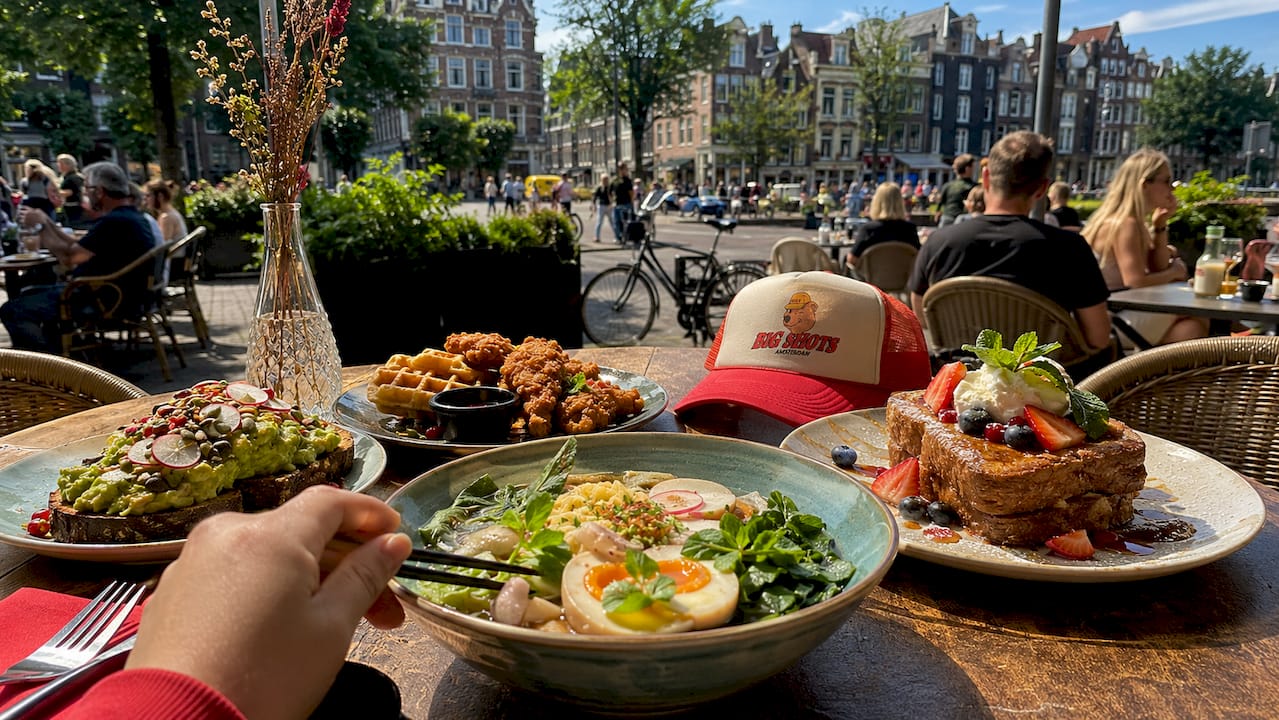
Smashed avocado toast remains the most visible symbol of the Antipodean influence, but it has evolved well beyond its original form. Amsterdam chefs add Dutch goat cheese, pickled red onion, or a soft-boiled egg from a local farm. The dish becomes something new without losing its roots.
French toast with maple syrup and bacon is another example of Amsterdam's evolving palate. The sweet and salty combination was initially considered unusual by Dutch diners, but it is now a fixture on menus across the city. That shift reflects how quickly Amsterdam absorbs and normalizes international flavor combinations.
| Dish | Origin | Flavor Profile |
|---|---|---|
| Smashed avocado toast | Australia / New Zealand | Fresh, creamy, often tangy with lemon |
| Shakshuka | Middle East / North Africa | Spiced, savory, rich tomato base |
| Kedgeree | British colonial India | Smoky, mild, rice and smoked fish |
| French toast with bacon | American South | Sweet, salty, caramelized |
| Dutch open-faced sandwich | Netherlands | Simple, dairy-forward, bread-centered |
| Soul food waffle plate | American South | Rich, indulgent, sweet and savory |
The global fusion present in Amsterdam menus creates a dining experience that rewards curiosity. Ordering something unfamiliar is part of the ritual. Locals treat brunch as an opportunity to try something new, not just to eat a reliable meal.
Pro Tip: Pair your brunch with a local specialty coffee rather than a standard cappuccino. Amsterdam's specialty coffee scene, shaped by the same Antipodean influence that built the brunch culture, produces some of the best flat whites in continental Europe. You can read more about Amsterdam's morning food scene to plan your visit.
How are Amsterdam brunch spots innovating the experience?
The most significant shift in Amsterdam brunch over the past few years is the move toward all-day models. Many venues now serve brunch from 4:00 PM to 7:00 PM in an aperitif-style format, pairing brunch dishes with natural wines and cocktails. That approach fills hours that traditional restaurants leave empty and creates a new social occasion between lunch and dinner.
This model works because Amsterdam's social culture already supports long, flexible dining. The city does not eat dinner early. A 5:00 PM brunch with a glass of orange wine fits naturally into the rhythm of a Saturday in De Pijp. It also attracts a crowd that wants the comfort of brunch food without the pressure of a formal dinner reservation.
Neighborhood-focused venues deliberately avoid tourist-heavy streets. That location strategy is not accidental. Venues that serve local residents build a repeat customer base, which creates a more consistent and authentic atmosphere than venues dependent on one-time tourist traffic. Learning how to enjoy local food experiences like a resident rather than a tourist makes a measurable difference in the quality of what you find.
Current trends shaping Amsterdam brunch in 2026:
- All-day brunch windows: Service extending from morning through early evening
- Aperitif brunch: Late afternoon sessions pairing brunch dishes with wine and cocktails
- Specialty coffee integration: Flat whites and single-origin pour-overs as menu anchors
- Hyper-local sourcing: Dutch dairy, seasonal vegetables, and artisan bread from neighborhood bakeries
- Intimate venue design: Fewer tables, tighter spaces, and a deliberate focus on atmosphere over capacity
The all-day brunch concept also reflects a broader shift in how Amsterdam residents think about meals. The boundaries between breakfast, lunch, and dinner are blurring. Brunch fills that space with flexibility, comfort, and social energy that neither a formal lunch nor a dinner reservation can match.
Key Takeaways
Amsterdam brunch is special because it fuses multicultural cuisine, a slow social dining culture rooted in the brown café tradition, and neighborhood-focused hospitality into a single, distinctive experience.
| Point | Details |
|---|---|
| Antipodean origins | Australian and New Zealand expats after 2010 introduced flat whites and smashed avocado, reshaping the scene. |
| Social dining tempo | Guests linger 1–2 hours by design, reflecting the brown café culture of conversation over speed. |
| Multicultural menus | Shakshuka, kedgeree, soul food, and Dutch classics coexist on the same menu across the city. |
| Neighborhood authenticity | The best spots cluster in Jordaan, De Pijp, and Oud West, away from tourist corridors. |
| All-day innovation | Aperitif-style brunch from 4:00 PM to 7:00 PM is a growing trend that extends the social dining window. |
Amsterdam brunch through the eyes of someone who has eaten a lot of it
I have sat at a lot of brunch tables in a lot of cities. The thing that consistently surprises people about Amsterdam is that the food is almost secondary to the experience of being there. That sounds like a criticism. It is not.
What I mean is that Amsterdam brunch venues have figured out something most restaurants never do: the atmosphere is the product. The food is excellent, but the reason you stay for two hours is the room, the music, the pace, and the fact that nobody is hovering to clear your plate. That is not an accident. It is a deliberate design philosophy inherited from the brown café tradition, and it works.
The multicultural menu is real and worth celebrating. Shakshuka done properly, kedgeree with good smoked haddock, a waffle plate that does not apologize for being indulgent. But the deeper story is that Amsterdam has built a brunch culture where eating is an excuse to be social, not the other way around. That distinction matters.
My honest recommendation: skip the venues near the major museums on your first visit. Go to De Pijp on a Saturday morning, find a spot with international cuisine influences, order something you would not normally order, and plan to stay longer than you think you need to. That is when Amsterdam brunch makes sense.
The future of this scene points toward more all-day formats, more aperitif brunch sessions, and a continued push away from tourist areas. The city's brunch culture is still growing, and the best venues are the ones that treat their neighborhood as their primary audience.
— Leo
Bigshotsamsterdam: where Amsterdam's brunch spirit comes alive
Bigshotsamsterdam captures the social energy and multicultural flavor that define Amsterdam's brunch culture in a single venue. The atmosphere is lively but relaxed, built for the kind of long, unhurried visit that makes brunch in this city worth planning around.
The menu at Bigshotsamsterdam reflects the city's global influences, with quality dishes designed for sharing and savoring. Whether you are a local looking for a reliable weekend spot or a traveler wanting to experience authentic Amsterdam hospitality, the venue delivers on both counts. Seating is limited and the venue fills quickly, so booking ahead is the right call. Visit Bigshotsamsterdam and experience what Amsterdam brunch culture actually feels like from the inside.
FAQ
What makes Amsterdam brunch different from brunch in other cities?
Amsterdam brunch combines multicultural dishes, a slow social dining pace rooted in the brown café tradition, and neighborhood-focused venues that prioritize atmosphere over turnover. That combination is rare among European capitals.
Which neighborhoods have the best brunch spots in Amsterdam?
Jordaan, De Pijp, and Amsterdam Oud West consistently offer the most authentic brunch experiences. These residential neighborhoods attract local regulars and maintain the intimate, unhurried atmosphere that defines Amsterdam brunch culture.
What are the most popular brunch dishes in Amsterdam?
Smashed avocado toast, shakshuka, kedgeree, French toast with maple syrup and bacon, and soul food waffle plates are among the most popular dishes. Amsterdam menus blend Antipodean, Middle Eastern, and American influences with Dutch ingredients.
Do I need a reservation for brunch in Amsterdam?
Reservations are strongly advisable, especially on weekends. Popular venues have compact dining spaces and fill up quickly, making walk-in seating unreliable at peak hours.
What time does brunch run in Amsterdam?
Traditional brunch hours run from around 9:00 AM to 3:00 PM, but many venues now offer all-day brunch extending into the early evening. Aperitif-style brunch sessions from 4:00 PM to 7:00 PM are a growing trend across the city.