
TL;DR:
- Most major sights in Amsterdam are within a 10 to 20 minute walk, making foot travel ideal.
- Visitors should respect bike lanes, book popular museums early, and pack rain gear for unpredictable weather.
Amsterdam is one of Europe's most compact and walkable major cities, where 23–25 million visitors arrive each year to share a city with just 900,000 residents. That contrast shapes everything about the experience. Knowing what to expect visiting Amsterdam before you land means you skip the rookie mistakes and spend your time actually enjoying the city. This guide covers navigation, neighborhoods, local customs, dining, and seasonal tips so your first visit feels confident from day one.
How do you get around Amsterdam as a first-time visitor?
Amsterdam's historic center is smaller than it looks on a map. You can walk the entire canal ring in 30–40 minutes. Most major landmarks sit within a 10–20 minute walk of each other, which means your feet are your best transport option.
Walking and biking basics
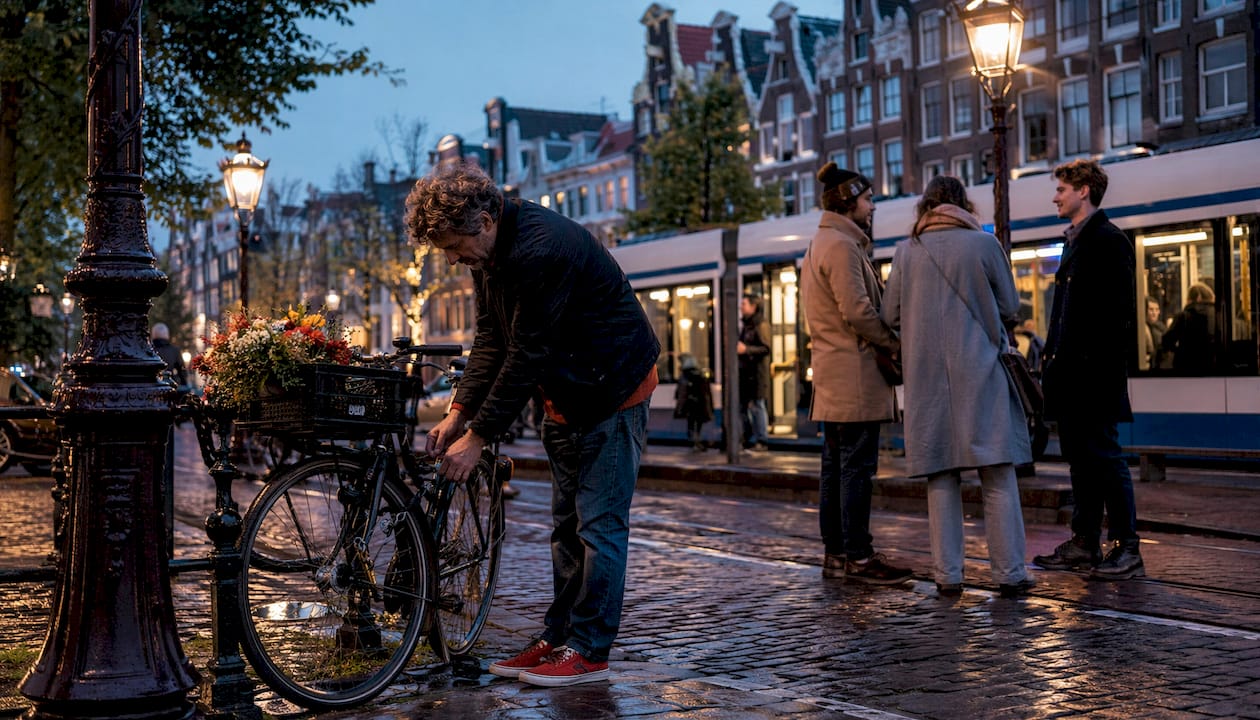
Walking gives you the richest experience. You catch the canal reflections, the narrow alleyways, and the shifting neighborhood textures that a tram window hides. Distances between sights are consistently shorter than they appear, so resist the urge to take transit for every short hop.
Biking is Amsterdam's identity, but it is not automatically the right choice for tourists. Amsterdam's bike lanes are busy and fast. Locals ride with purpose and expect everyone else to follow the rules. If you are not a confident urban cyclist, skip renting a bike in the center. The risk of a collision with a local commuter is real and not worth it.
Key rules for pedestrians around bikes:
- Never walk in a bike lane, even briefly
- Make eye contact before crossing a bike path
- Listen for bells and move immediately when you hear one
- Do not stop suddenly on a shared path
Public transit and day trips
Trams, metros, and buses cover the city well. The OV-chipkaart is a reloadable transit card that works across all public transport. Contactless bank card payment also works on most trams and buses, which is convenient for short stays. Avoid renting a car entirely. Parking is scarce, expensive, and the city's layout actively discourages driving. For day trips to Haarlem or Utrecht, trains from Amsterdam Centraal depart every 10–20 minutes and are far more practical.
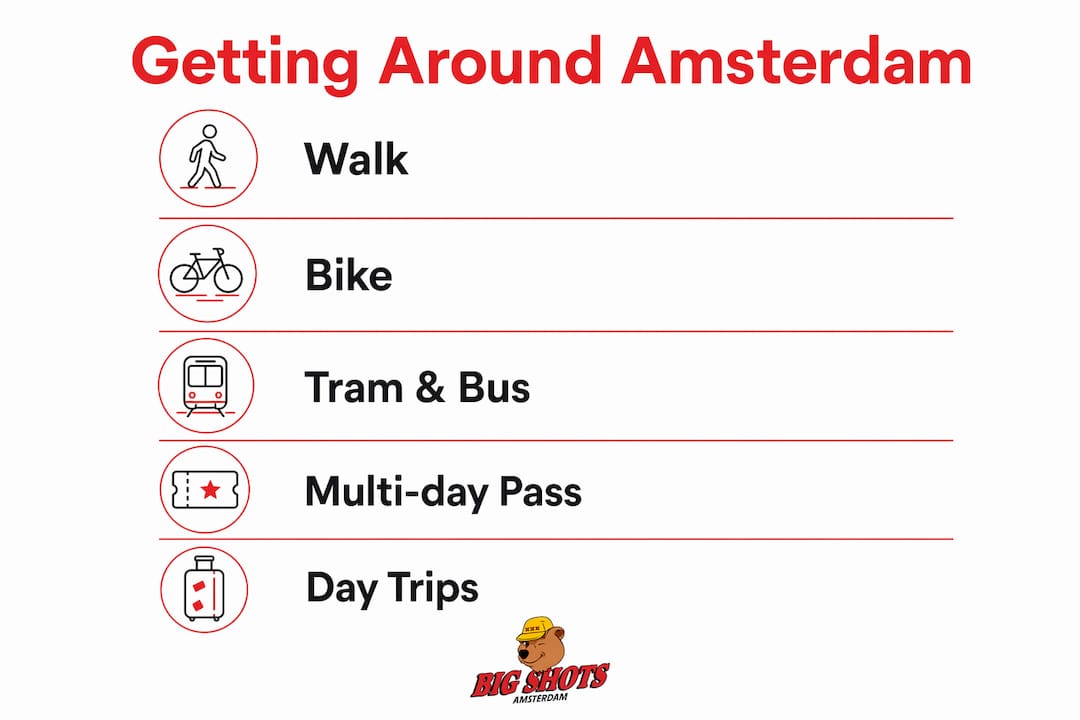
Pro Tip: Buy a multi-day transit pass at Schiphol Airport or Amsterdam Centraal on arrival. It covers trams, buses, and the metro and saves you from buying single tickets every time.
What neighborhoods should you explore first in Amsterdam?
The biggest mistake first-time visitors make is treating Amsterdam like a museum park rather than a living city. The neighborhoods are where Amsterdam actually lives, and they each have a distinct personality.
De Pijp
De Pijp sits just south of the city center and feels genuinely local. The Albert Cuyp Market runs through its heart every weekday and Saturday, selling everything from fresh stroopwafels to Dutch cheese. The streets are lined with independent cafés, wine bars, and small restaurants. De Pijp is also home to the Stroopwafel Workshop on Albert Cuypstraat, a hands-on experience that costs around €23.74 and runs 45 minutes. It is a far better use of time than standing in a souvenir shop.
Jordaan
Jordaan is Amsterdam's most photogenic neighborhood. The narrow streets, flower-lined canals, and brown cafés (called bruine kroegen) make it the place most visitors picture when they think of Amsterdam. It sits just west of the center and is easy to reach on foot from most hotels. Jordaan rewards slow walking. The side streets hide independent galleries, vintage shops, and some of the city's best lunch spots.
Centrum and what to avoid
The area immediately around Amsterdam Centraal and the Red Light District is the most crowded part of the city. It is worth seeing once, but staying or eating there means tourist prices and noise at all hours. The eastern Centrum, around Nieuwmarkt and Waterlooplein, is calmer and more authentic. For a full breakdown of the central districts, the Amsterdam City Centre visitor guide covers each area in detail.
What local customs and etiquette should you know before visiting?
Dutch culture values directness, practicality, and personal space. Understanding a few social norms before you arrive saves you from unintentional rudeness.
- Respect the bike lanes. This is the single most important rule. Bike lanes are not sidewalks. Stepping into one without looking is dangerous and will earn you a sharp bell and a cold stare at minimum.
- Accept Dutch directness. Dutch people say what they mean. A waiter who tells you the kitchen is closing is not being rude. This is normal communication, not hostility.
- Tip modestly. Tipping is appreciated but not mandatory. Rounding up to the nearest euro or leaving 5–10% for good service is standard. Large American-style tips are not expected.
- Pay by card. Many Amsterdam cafés and restaurants are cash-free or strongly prefer card payments. Carry a contactless card and do not assume cash is always accepted.
- Dress practically. Rain arrives without warning. Pack quality rain gear and leave the umbrella at home. Wind makes umbrellas useless in Amsterdam. Waterproof jackets and shoes are the practical choice.
Pro Tip: Brown cafés (bruine kroegen) are Amsterdam's version of a neighborhood pub. They are warm, unpretentious, and serve good Dutch beer. Order a small draft beer called a "pils" and you will fit right in.
What are the best sightseeing and dining tips for first-timers?
Three full days is the right amount of time for a first visit. Two days feel rushed. Four days open up day trips to Haarlem or Zaanse Schans. A three-day structure lets you cover the major sights without burning out.
How to plan your museum days
Book one anchor museum per day and build the rest of your schedule around it. The Rijksmuseum and Van Gogh Museum each take two to three hours to appreciate properly. The Anne Frank House requires advance booking, often weeks ahead. Trying to stack three museums in a single day produces fatigue and shallow experiences.
| Attraction | Booking needed? | Best time to visit |
|---|---|---|
| Anne Frank House | Yes, weeks in advance | Early morning slot |
| Van Gogh Museum | Yes, recommended | Weekday morning |
| Rijksmuseum | Recommended | Weekday afternoon |
| Stroopwafel Workshop | Yes, book ahead | Any day |
| Albert Cuyp Market | No | Tuesday through Saturday |
Eating well in Amsterdam
Amsterdam's food scene goes well beyond Dutch classics. The city has strong Indonesian, Surinamese, and Middle Eastern influences from its colonial and immigrant history. For authentic local eats, the Amsterdam food checklist covers the must-try dishes and where to find them. Avoid restaurants directly on the main tourist squares. The food quality drops and the prices climb. Walk one or two streets away and the options improve immediately.
For visitors planning cruises from Amsterdam, the city also serves as a major embarkation point, and spending a few days exploring before boarding is the smartest way to use your time.
What weather and safety conditions should you expect in Amsterdam?
Amsterdam's weather is unpredictable year-round. Rain is not a seasonal event. It happens in every month and often without warning. The city sits at a low elevation near the North Sea, which keeps temperatures mild but brings persistent wind and overcast skies.
The best seasons for visiting Amsterdam:
- April and May: Tulip season, mild temperatures, longer days. Crowds are manageable before summer peaks.
- June through August: Warmest months, outdoor terraces are full, but tourist numbers are at their highest.
- September and October: Fewer crowds, cooler air, and the city feels more local. A strong choice for first-timers.
- November through March: Cold, gray, and rainy, but canal-side walks have a quiet beauty. Museum lines are shortest.
Staying safe in Amsterdam
Amsterdam is a safe city by European standards, but two specific risks catch tourists off guard. Bike traffic is the first. Cyclists move fast and have right of way on their lanes. Stepping off a curb without checking for bikes is the most common way visitors get hurt. Pickpockets are the second concern, concentrated around Amsterdam Centraal, the Red Light District, and crowded tram stops. Keep your bag in front of you in busy areas and avoid displaying expensive cameras or phones unnecessarily.
Evening atmospheres vary sharply by neighborhood. Jordaan and De Pijp stay lively but relaxed well into the night. The area near Leidseplein and Rembrandtplein gets louder and more crowded after 10:00 PM. Choose your evening location based on the kind of night you want.
Key Takeaways
First-time visitors to Amsterdam get the most from the city by walking its compact neighborhoods, booking museums in advance, and respecting local cycling culture from the moment they arrive.
| Point | Details |
|---|---|
| Walk the city first | Most landmarks are within a 10–20 minute walk; feet beat trams for short distances. |
| Book museums early | Anne Frank House and Van Gogh Museum sell out weeks ahead; reserve before you travel. |
| Respect bike lanes | Never walk in a bike lane; cyclists have right of way and ride fast. |
| Pack rain gear | Quality waterproof jackets beat umbrellas in Amsterdam's windy, wet conditions. |
| Explore neighborhoods | De Pijp and Jordaan offer authentic local experiences well beyond the tourist center. |
Amsterdam through a local lens
The visitors who enjoy Amsterdam most are the ones who stop trying to see everything. I have watched people sprint from the Rijksmuseum to the Anne Frank House to a canal boat tour in a single afternoon, and they leave exhausted with a blur of impressions. The ones who slow down, pick a neighborhood, sit in a brown café for an hour, and wander without a fixed destination come away with something real.
The city rewards curiosity over efficiency. Amsterdam's interconnected neighborhoods feel much larger on a map than they are in person. That realization, usually hitting around day two, changes how you move through the city. You stop rushing and start noticing. The canal light in the late afternoon. The smell of fresh stroopwafels near Albert Cuyp. The sound of a tram bell echoing off brick walls.
My honest advice: resist the urge to optimize every hour. One museum, one neighborhood, one good meal, and one evening in a place that feels genuinely local. That formula beats a packed itinerary every time. Amsterdam is not a checklist. It is a city that lives at its own pace, and the best thing you can do is match it.
— Leo
A local base for your Amsterdam evenings
After a full day of sightseeing, you need somewhere that matches Amsterdam's energy without the tourist markup.

Bigshotsamsterdam is a sports bar, shisha lounge, restaurant, and café rolled into one venue. It serves breakfast through late-night dining, with steaks, gourmet dishes, and craft cocktails on the menu. Whether you want to watch live sports, share a relaxed dinner, or settle into a lively evening with friends, Bigshotsamsterdam delivers the kind of atmosphere that makes Amsterdam nights memorable. First-time visitors looking for a bar and café experience that feels local rather than touristy will find it here. Check the menu and book your table online before you arrive.
FAQ
How many days do you need in Amsterdam for a first visit?
Three full days is the ideal length for a first visit. Two days feel rushed, while four days allow time for day trips to nearby towns like Haarlem.
Is Amsterdam safe for first-time tourists?
Amsterdam is generally safe, but watch for fast-moving bike traffic and pickpockets near Amsterdam Centraal and crowded tram stops. Stay alert in busy areas and keep valuables secure.
Do you need to book Amsterdam museums in advance?
Yes. The Anne Frank House requires booking weeks ahead, and the Van Gogh Museum sells out quickly. Book one major museum per day and reserve tickets before you travel.
What is the best way to get around Amsterdam?
Walking is the most practical option for the historic center. Use trams and the metro for longer distances, and pay with a contactless card or OV-chipkaart. Avoid renting a car entirely.
What should you pack for Amsterdam?
Pack a waterproof jacket and comfortable walking shoes. Umbrellas are unreliable in Amsterdam's wind, so quality rain gear is the practical choice regardless of the season.