
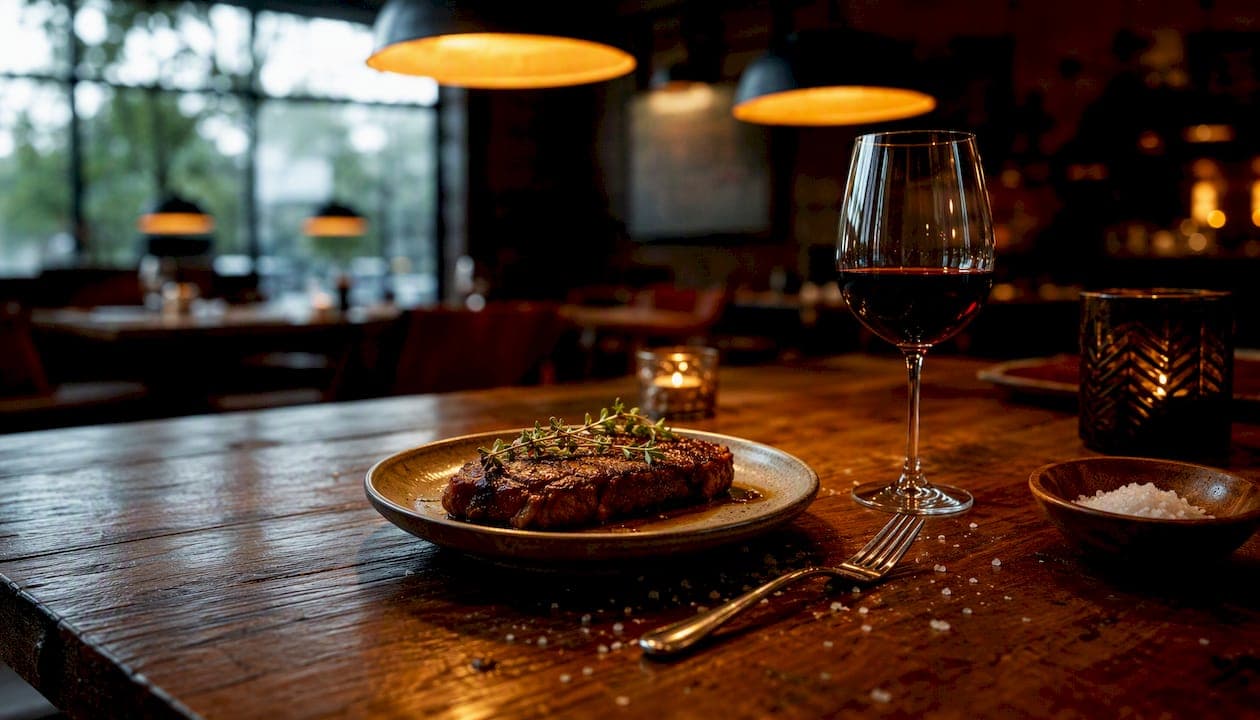
Pairing an alcoholic drink with the right dish amplifies flavor, texture, and enjoyment because it changes how your brain reads aroma, mouthfeel, and reward signals, not because of tradition or marketing. Sensory science on retronasal olfaction, neuroimaging studies on the apéritif effect, and hospitality sales research all point to the same conclusion: the right drink transforms a plate of food into something your senses process differently than either would deliver alone.
Three mechanisms drive that transformation:
- Sensory modulation: alcohol and carbonation change how aroma reaches your nose and how texture feels in your mouth.
- Chemical interactions: acidity, tannin, sugar, and fat physically alter each other's perceived intensity.
- Psychological and contextual effects: mood, ritual, and anticipation shift how much pleasure you register from the same bite.
Key Takeaways
Alcohol pairing enhances dining because it reshapes aroma perception, chemical flavor interactions, and psychological reward all at once, not through any single effect alone.
| Point | Details |
|---|---|
| Aroma drives flavor | Retronasal olfaction means the drink changes how food's aroma compounds reach your nose while you chew. |
| Chemistry predicts pairing | Acidity cuts fat, sugar calms spice, and tannin binds protein, all measurable and repeatable interactions. |
| Reward starts before the bite | An apéritif activates hypothalamic reward regions and increases food intake during the meal. |
| Rules beat memorization | Matching weight, using acidity, and pairing sweetness with heat cover most real-world dishes. |
| Food slows alcohol absorption | Eating beforehand can cut peak blood-alcohol concentration by nearly 50% compared with an empty stomach. |
| Pairing has commercial proof | Hospitality data shows pairing guidance can drive a 45% increase in wine sales. |
Table of Contents
- How Does Pairing Change What You Actually Taste?
- What Does the Drink's Chemistry Do to the Food?
- Why Does the Right Pairing Just Feel Better?
- What Pairing Rules Actually Work?
- What Are Some Classic Pairings and Why Do They Work?
- Does Eating Change How Alcohol Affects You?
- How Does Pairing Show Up on the Business Side of Hospitality?
- Frequently Asked Questions
- Sources
How Does Pairing Change What You Actually Taste?
Most of what you call "flavor" is actually smell, specifically retronasal olfaction, the process where aroma compounds travel from the back of your mouth up into your nasal cavity while you chew and swallow. This is why a wine's aroma tastes different once it hits your palate alongside food. The alcohol and acidity in the drink volatilize aromatic compounds in the dish, pushing more of them up into that retronasal pathway, so a bite paired with the right beverage can smell more intense even though nothing about the food itself changed.
Picture it as a short chain: food releases aroma compounds, chewing forces air (and those compounds) up through the nasal passage, and your olfactory receptors integrate that signal with taste on your tongue to produce what you perceive as one unified flavor. Alcohol interferes with that chain at nearly every step, since it dissolves fat-soluble aromatics and increases their volatility.
Mouthfeel shifts too. Alcohol adds a warming, slightly viscous quality, carbonation lifts perceived weight and cuts through fat, and both change how "heavy" or "light" a dish feels on the palate. A rich, buttery sauce can feel lighter next to a bright, high-acid white because the wine is cutting through the fat's coating effect. Consumer research on food-and-wine pairing confirms that people rate appropriately matched combinations as more complex and more likeable than the same items tasted separately, with a slight edge given to pairings where the beverage's character stays just a touch dominant.
What you'll notice, once you start paying attention:
- Aromas read as more intense or more layered
- Harsh tannins soften and feel less astringent
- Spicy heat gets accentuated or, with the right drink, calmed
- Sweetness in a dish can taste more restrained next to a drier pour
What Does the Drink's Chemistry Do to the Food?
Pairing isn't guesswork. A handful of measurable chemical attributes acidity, alcohol content, tannin, and sugar predict with real consistency how a beverage will reshape a dish's perceived flavor, and food's own properties (fat, salt, and spice) do the same thing right back to the drink.
The core interactions worth knowing:
- Acidity cuts fat. A high-acid wine or a citrusy cocktail slices through cream, butter, or oil, resetting your palate between bites instead of letting richness build up.
- Sugar calms heat. A touch of sweetness in the glass, an off-dry Riesling or a fruit-forward cocktail, blunts capsaicin's burn from chili-heavy food.
- Tannin binds protein and fat. Tannic red wines soften and smooth out against a fatty steak, but the same tannins turn harsh and metallic against lean, delicate fish because there's no fat to bind.
- Alcohol raises perceived heat and body. Higher-proof drinks amplify the sensation of spice and add weight, which is why a boozy cocktail can feel almost as filling as food.
These attribute-based rules, not fixed recipes, are how pairing actually works at a chemical level, and it's why a general principle travels further than memorizing a hundred specific combinations.
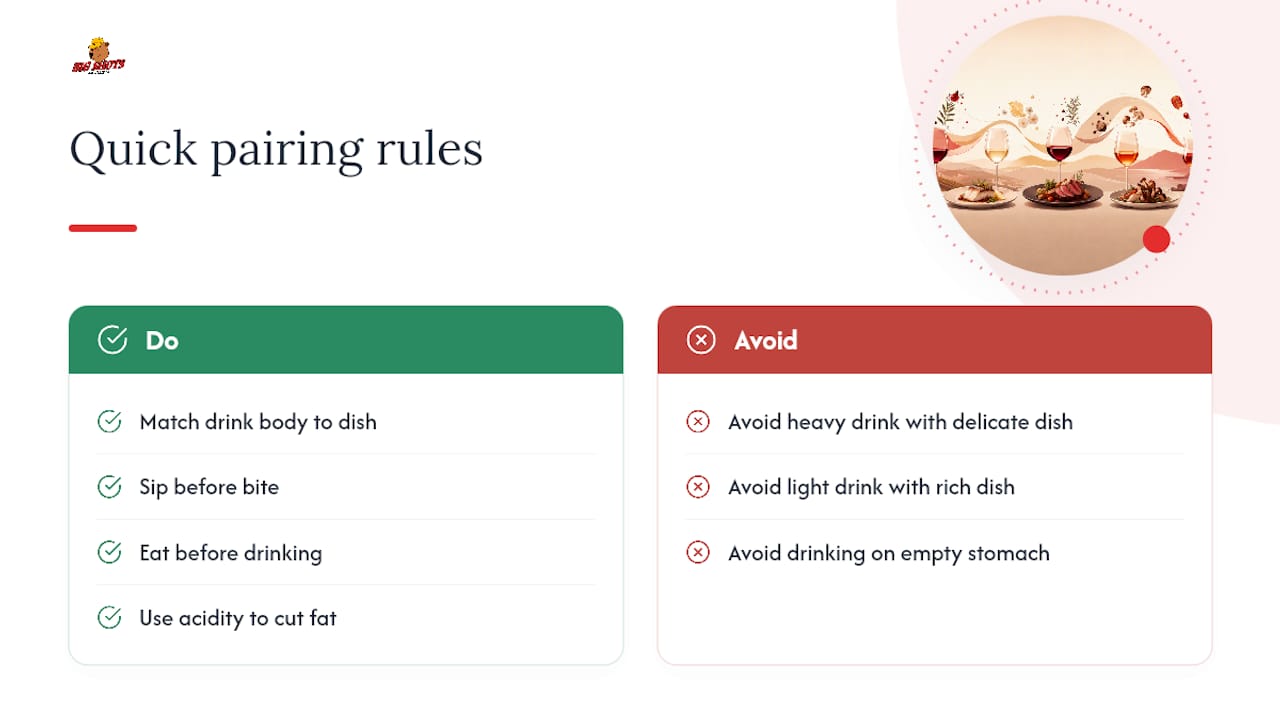
Pro Tip: Sip your drink before the bite, not after. Tasting the beverage first lets you register its full character before food suppresses some of its subtler notes, which is exactly what happens when you taste them together.
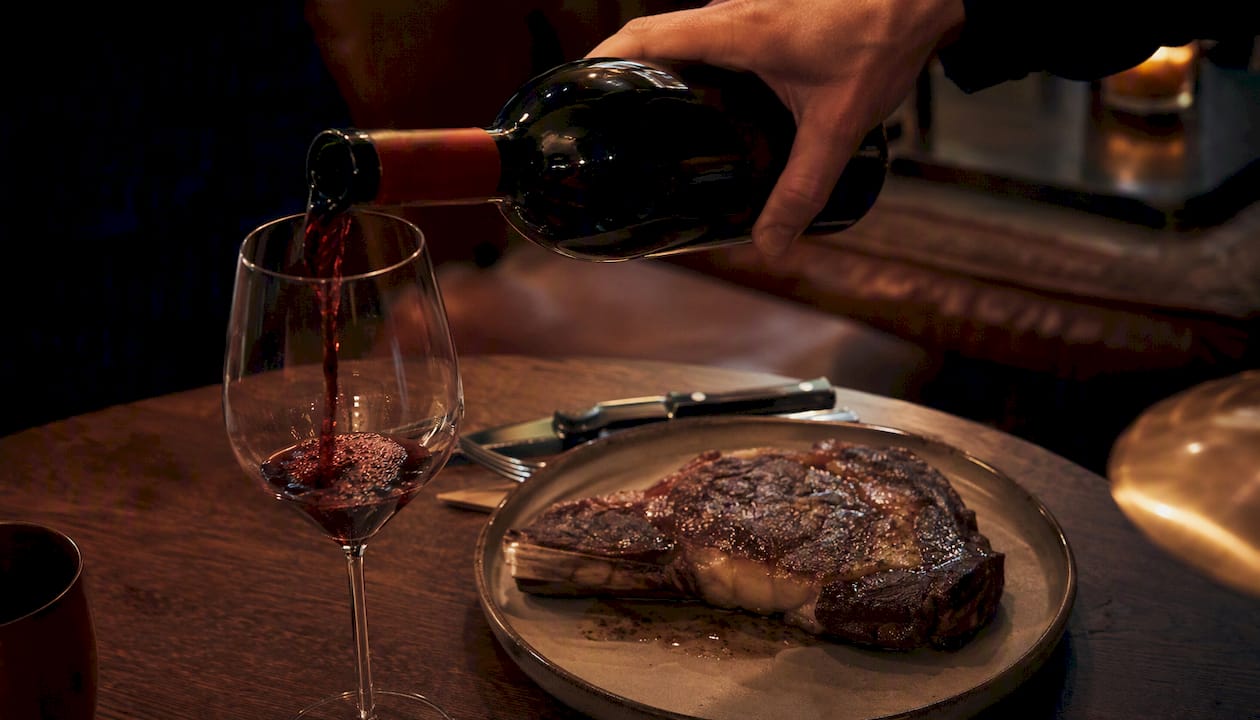
A Cabernet Sauvignon against a marbled ribeye is the textbook case: tannin meets fat and protein, and the wine's astringency softens into something smooth. Swap that same tannic red for a delicate white fish and the tannin turns sharp and bitter, because there's no fat left to soften it, which is why a lighter Pinot Noir or a crisp white works so much better there.
Why Does the Right Pairing Just Feel Better?
Sensory chemistry only explains part of it. Mood, ritual, and expectation shape how much pleasure you actually register from a bite, and that psychological layer is doing real work alongside the taste buds.
An apéritif before the meal isn't just tradition. Neuroimaging research shows that alcohol consumed before eating increases activity in hypothalamic reward regions and correlates with people eating more during the meal that follows. Your brain is primed for reward before the first bite even lands, and that priming changes how much you enjoy what comes next.
Context does the rest of the lifting:
- Reduced choice anxiety. A confident pairing recommendation removes the stress of guessing, and diners who aren't second-guessing their order tend to enjoy the meal more.
- Ritual and arousal. The small ceremony of ordering a glass to go with a dish signals "occasion," and occasions register as more memorable.
- Perceived value. A well-matched pairing makes the whole plate feel more considered, which raises what people are willing to pay for it.
- Social permission. Sharing a bottle or a round of cocktails lowers inhibition around trying something unfamiliar on the menu.
That's a big part of why a good server suggesting the right glass does more than sell a drink. It removes friction, and removing friction is most of what makes a meal feel effortless and satisfying rather than transactional.
What Pairing Rules Actually Work?
You don't need to memorize hundreds of specific combinations. A handful of prioritized rules covers most situations, and intensity matching, more than any single flavor trick, is the one that determines whether a pairing succeeds or falls flat.
- Match the weight. A delicate dish needs a light-bodied drink, and a rich, heavy dish needs something with enough body to stand up to it. Example: grilled sole with a crisp Sauvignon Blanc, not a syrupy dessert wine.
- Use acidity to cut fat. High-acid drinks reset your palate against cream, butter, or oil. Example: a Champagne's acidity against fried food.
- Pair sweetness with spice or dessert. Sugar in the glass tempers capsaicin and complements sugar on the plate. Example: an off-dry Riesling with Thai curry.
- Send tannin toward protein and fat. Tannic reds need something to bind against, or they turn harsh. Example: a Cabernet with a fatty cut of beef.
- Let carbonation do double duty. Bubbles lift heavy textures and pair naturally with salt. Example: Champagne with salty fried chicken.
- Decide complement or contrast on purpose. Match a dish's dominant flavor, or deliberately play against it, but choose one intentionally rather than by accident.
Pro Tip: When you're stuck, default to a high-acid white or a light-bodied red. Both flatter more dishes than they clash with, which makes them the safest call on an unfamiliar menu.
Pro Tip: Ask your server which way the kitchen leans on a dish, richer or lighter, spicier or milder, and let that answer decide your glass rather than guessing from the menu description alone.
What Are Some Classic Pairings and Why Do They Work?
These combinations show up on menus everywhere because the chemistry behind them is genuinely sound, not because tradition says so.
- Oysters and brut Champagne: the wine's acidity and minerality cut the oyster's brine and creaminess.
- Steak and Cabernet Sauvignon: tannin binds to fat and protein, softening into a smoother, rounder mouthfeel.
- Spicy Thai food and off-dry Riesling: residual sugar tempers chili heat while the wine's acidity keeps the dish from feeling heavy.
- Blue cheese and sweet wine (like Sauternes): sugar balances the cheese's sharp saltiness, a classic contrast pairing.
- Fried chicken and Champagne: carbonation and acidity slice through the fat and crispy coating.
- Sushi and dry sake: sake's clean, low-acid profile doesn't compete with delicate raw fish the way a tannic wine would.
Every one of these follows a rule from the section above; acidity cutting fat, sugar calming heat, tannin meeting protein, or carbonation lifting texture. If you want a longer list to work from at home or on your next night out, Bigshotsamsterdam's guide to food and drink pairings covers more combinations built on the same logic.
Does Eating Change How Alcohol Affects You?
Yes, and the effect is large enough to matter for both comfort and safety. Eating before or during drinking changes how quickly alcohol enters your bloodstream and how your stomach processes the rest of the meal.
Food in your stomach slows gastric emptying, which slows the rate alcohol reaches your small intestine for absorption. Controlled studies found that eating a calorically sufficient meal before drinking can reduce peak blood-alcohol concentration by nearly half compared with drinking on an empty stomach. That's the physiological reason a glass of wine with dinner feels so different from the same glass on its own before you've eaten anything.
The relationship runs both directions, too. A randomized trial testing wine and schnapps alongside a rich cheese fondue found that alcohol itself slows gastric emptying further, with higher-proof drinks slowing it more. That's part of why a boozy, heavy meal leaves you feeling fuller longer than the same meal without a drink.
A few practical habits carry real weight here:
- Pace drinks against food, not against the clock.
- Alternate alcoholic drinks with water.
- Avoid high-proof pours on an empty stomach.
- Set a limit for the session before you start, not partway through it.
How Does Pairing Show Up on the Business Side of Hospitality?
Pairing isn't only a sensory or psychological story. It shows up in hard numbers for the venues that do it well. Research into hospitality settings found that well-executed food-and-wine pairing recommendations, paired with themed tastings, produced an estimated 45% increase in wine sales compared with menus offering no guidance at all.
That uplift comes from removing friction, not from upselling. Diners who feel confident about their choice order more readily and enjoy what arrives more fully. Common tactics operators use:
- Adding short pairing notes directly under menu items rather than leaving diners to guess.
- Offering flight or tasting options so guests can compare pairings side by side.
- Training staff to make a confident, specific recommendation rather than a vague "whatever you like."
- Running occasional pairing events tied to a new dish or seasonal menu.
The lesson for anyone building a menu, at home or professionally, is the same one covered in the restaurant atmosphere piece: context and confidence do as much work as the food itself. For a deeper look at how sensory design shapes the full dining arc, the culinary sensory guide from Wild Foodz is worth a read.
Why Bigshotsamsterdam Leans Into Pairing
I've watched enough tables order a steak and a random glass of red to know most people are guessing, not choosing. That gap between what's on the plate and what's in the glass is where a meal either clicks or just sits there. At Bigshotsamsterdam, our approach is simple: ask. Our staff can walk you through what's working with the steak, the shisha, or whatever's on the specials board that night, and it's rarely the obvious answer. If you're in for dinner, ask for a pairing suggestion before you order the drink separately. It changes the meal more than people expect.
Ready to put any of this into practice? Bigshotsamsterdam pairs a full food menu with craft cocktails, wine, and shisha in one Amsterdam venue, and our staff are glad to walk you through what works with whatever you're ordering. Browse the full menu and book a table to try a pairing for yourself.
Frequently Asked Questions
Why does alcohol pairing enhance dining more than food or drink alone? Pairing changes how aroma compounds reach your nose through retronasal olfaction, how texture feels through mouthfeel shifts, and how much reward your brain registers before and during the meal. All three mechanisms stack, which is why a matched combination consistently outperforms either element on its own.
What's the single most important pairing rule to remember? Match the weight or body of the drink to the dish first. A delicate dish overwhelmed by a heavy drink, or a rich dish paired with something too light, fails before any other chemical interaction gets a chance to work in its favor.
Does the order you taste things in actually matter? Yes. Sipping the drink before the bite lets you register its full character, since food tends to suppress some of a beverage's subtler notes once the two are tasted together.
Can eating food really change how alcohol affects me? Yes, food slows gastric emptying, which slows how fast alcohol reaches your bloodstream, and studies show this can cut peak blood-alcohol concentration by close to half compared with drinking on an empty stomach.
Is wine pairing only about wine, or does it apply to cocktails and beer too? The same chemical and sensory principles, acidity cutting fat, sugar calming spice, carbonation lifting texture, apply to cocktails, beer, and sake just as much as wine. The drink category matters less than its acidity, sugar, tannin, and alcohol content.
This article is general information, not a substitute for advice from a qualified doctor. Consult a qualified healthcare professional about your own circumstances before acting on anything here.
Sources
- Appropriate food and wine pairings and wine provenance information: Potential tools for developing memorable dining experiences - ScienceDirect
- Effect of food on peak blood alcohol concentration (PMC7185312)
- Effect on gastric function and symptoms of drinking wine, black tea, or schnapps with a Swiss cheese fondue: randomised controlled crossover trial - BMJ
- Intertwined: What makes food and wine pairings appropriate? - ScienceDirect