
TL;DR:
- Amsterdam combines world-class museums, a UNESCO-listed canal ring, and a vibrant cycling culture that immerses travelers in local life. Exploring beyond the typical tourist spots reveals authentic neighborhoods, lively markets, and sustainable urban initiatives shaping the city's future in 2026. Planning ahead and engaging with local neighborhoods ensures a richer, more responsible experience.
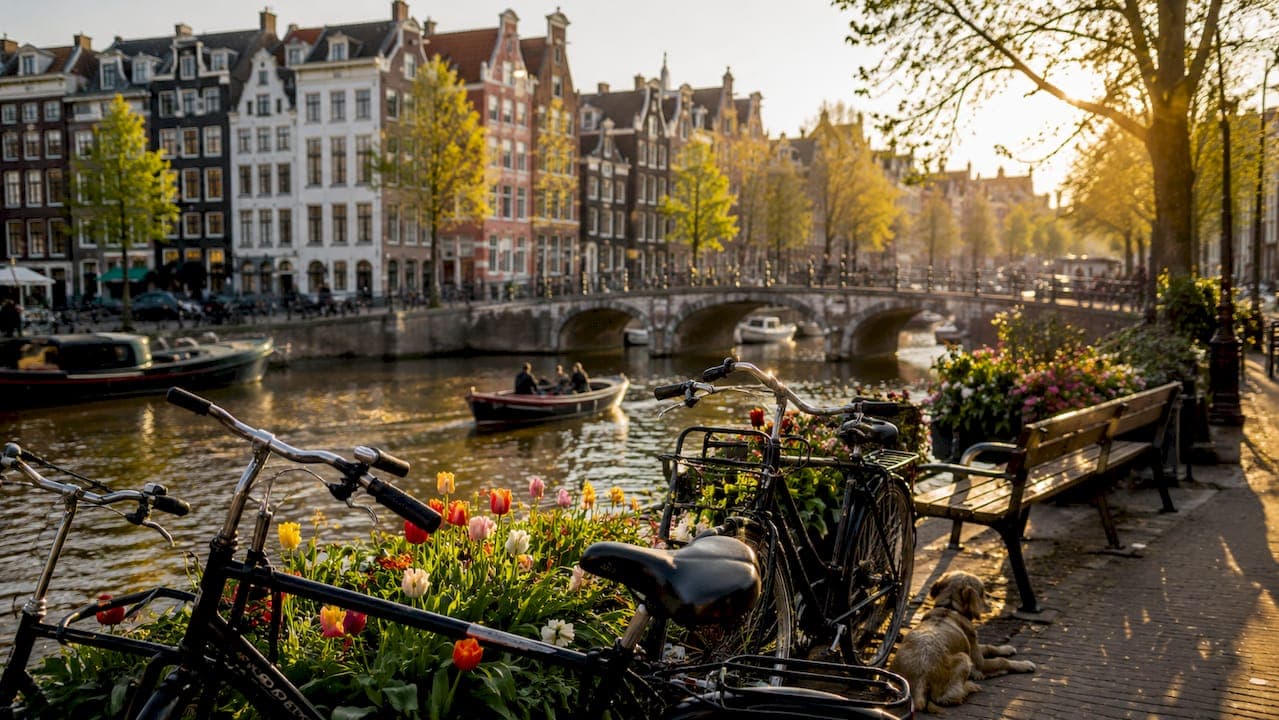
Amsterdam is defined by a rare combination of world-class museums, a UNESCO-listed canal ring, and a cycling culture that puts travelers directly inside local life. Few cities pack this much cultural weight into such a compact, walkable space. Why Amsterdam is a top destination comes down to one core fact: the city rewards curious travelers who go beyond the postcard version. The Golden Age heritage that shaped Amsterdam's trade, tolerance, and creativity in the 17th century still drives its identity today. Add major 2026 events and serious sustainability commitments, and the city has never been more worth your time.
Why Amsterdam is a top destination for culture seekers
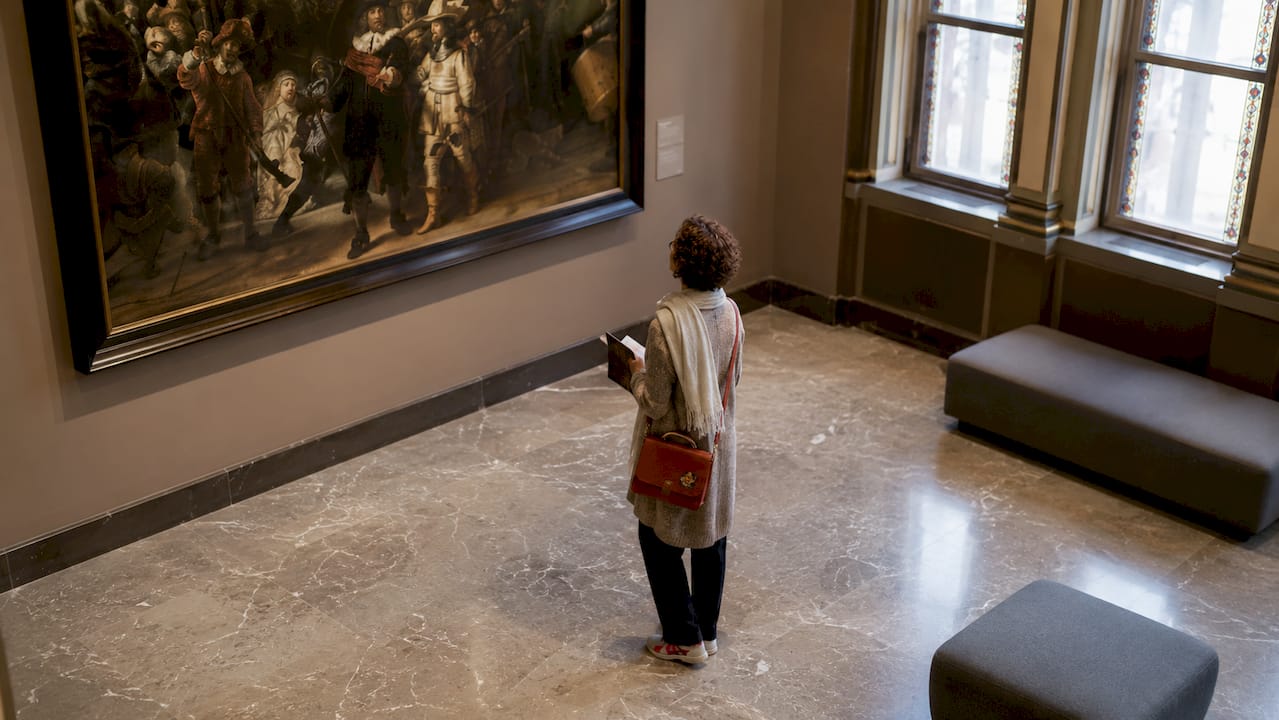
Amsterdam's cultural density is unmatched in Europe for a city its size. The Rijksmuseum and Van Gogh Museum sit within a 5–10 minute walk of each other on Museumplein. That proximity means you can experience two of the world's great art collections in a single day without burning half your visit on transit.
The Anne Frank House adds a layer of historical weight that no other city can replicate. It tells the story of World War II occupation through the physical space where Anne Frank wrote her diary, and it hits harder in person than any documentary. Booking tickets weeks or even months in advance is not optional. Showing up without a reservation means missing it entirely.
The canal ring is a UNESCO World Heritage Site, and it functions as both a living neighborhood and an open-air museum. The 17th-century merchant houses lining the canals were built during Amsterdam's peak as a global trading power. Walking or cycling along them gives you a direct physical connection to that history.
Here are the cultural must-sees that belong on every traveler's list:
- Rijksmuseum: Home to Rembrandt's The Night Watch and Vermeer's The Milkmaid, two of the most significant Dutch Golden Age paintings in existence.
- Van Gogh Museum: The world's largest collection of Van Gogh's work, including over 200 paintings and 500 drawings.
- Anne Frank House: A deeply personal historical site requiring advance booking, often weeks ahead.
- Stedelijk Museum: Amsterdam's modern and contemporary art museum, steps from Museumplein, and consistently overlooked by first-time visitors.
- The canal ring: 165 canals, over 1,500 bridges, and architecture unchanged since the 1600s.
Pro Tip: Book Anne Frank House tickets the moment your travel dates are confirmed. Slots sell out weeks in advance, and same-day entry is rarely available.
How does Amsterdam's cycling culture enhance the travel experience?
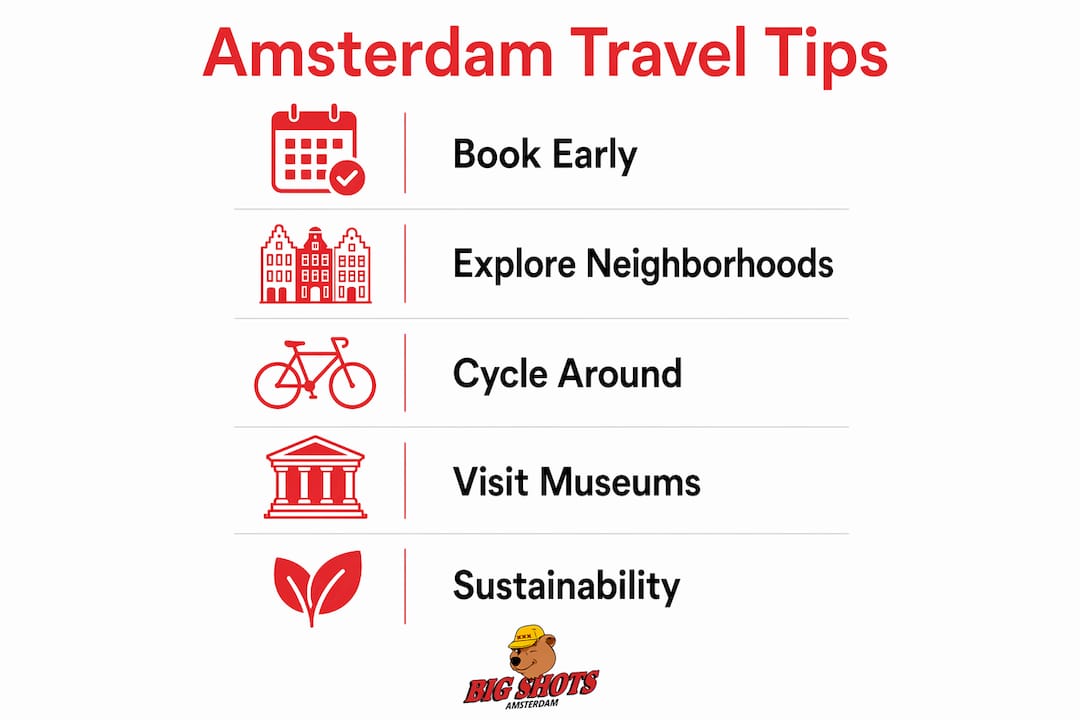
Amsterdam has over 400 kilometers of dedicated bike paths and more bicycles than residents. That statistic tells you everything about how the city is designed. Cycling is not a tourist activity here. It is the primary mode of transportation for locals, and joining that flow puts you inside the city rather than observing it from a tour bus window.
The city's flat terrain makes cycling accessible to nearly every traveler. There are no hills to fight, and the bike path network connects every major neighborhood, market, and museum. A rental bike typically costs between €10 and €15 per day, making it one of the most affordable ways to cover serious ground.
Cycling in Amsterdam also aligns with the city's broader push toward sustainable tourism. The city has actively reduced car traffic in the center and expanded bike infrastructure as part of its green urban model. Choosing a bike over a taxi is not just practical. It is the choice the city was built for.
Follow these steps to cycle safely and confidently in Amsterdam:
- Rent from a reputable shop. Choose a rental provider near your accommodation. Most offer city bikes with locks, baskets, and basic insurance included.
- Use the dedicated bike lanes. Red asphalt or white bike symbols mark the lanes. Stay in them and off the pedestrian paths.
- Signal every turn. Amsterdam cyclists use hand signals consistently. Failing to signal causes collisions and earns you sharp looks from locals.
- Lock your bike to a fixed object. Bike theft is common. Always use the provided lock and attach the frame to a rack or railing, not just the wheel.
- Avoid the tram tracks. Narrow tires can catch in the rails. Cross tram tracks at a perpendicular angle to prevent falls.
What are the best Amsterdam neighborhoods beyond the tourist center?
The postcard version of Amsterdam, the Red Light District and Dam Square, represents a fraction of what the city actually offers. Authentic Amsterdam lives in its neighborhoods, and travelers who skip them miss the city's real character.
De Pijp is the clearest example. The Albert Cuyp Market runs through its center and draws locals shopping for fresh stroopwafels, raw herring, Dutch cheese, and Indonesian spices. The market reflects Amsterdam's multicultural identity more honestly than any museum exhibit. Surrounding streets hold independent coffee shops, Surinamese restaurants, and wine bars that cater to residents, not tourists.
The Jordaan district tells a different story. Originally a working-class neighborhood, it evolved into one of Amsterdam's most desirable areas without losing its human scale. Narrow streets, small galleries, and canal-side cafes define the atmosphere. Local cafes in Amsterdam in the Jordaan operate as genuine community spaces, not tourist traps. Spending an afternoon there feels nothing like the city center.
Here is how to get the most from Amsterdam's neighborhoods:
- Visit Albert Cuyp Market on a weekday morning. Weekend crowds make it harder to interact with vendors and sample food at a relaxed pace.
- Walk the Jordaan on a Sunday. The Noordermarkt hosts an organic farmers' market every Sunday morning, drawing locals and offering some of the best Dutch produce available.
- Try the local food scene seriously. The Amsterdam food checklist covers everything from raw herring at a street stall to Indonesian rijsttafel, a multi-dish meal that reflects the city's colonial trading history.
- Avoid the city center during peak summer weekends. The crowds in July and august around Dam Square and the Red Light District make the experience genuinely unpleasant.
Pro Tip: Visiting during shoulder months like march or november cuts crowd density significantly and often drops accommodation prices by a meaningful margin. The city's museums and markets operate normally, and you get the streets largely to yourself.
How is Amsterdam advancing sustainability and managing tourism in 2026?
Amsterdam is not just managing tourism. It is actively reshaping how the city interacts with visitors. The most concrete example is the plan to phase out ocean cruise ships by 2035. Large cruise ships bring thousands of day visitors who spend little and strain infrastructure. Removing them is a deliberate choice to prioritize quality of experience over volume of arrivals.
The 2026 cultural calendar reinforces this direction. The Amsterdam Dance Event celebrates its 30th edition this year, drawing electronic music professionals and fans from across the world for five days of events across the city. WorldPride 2026 brings another major international gathering, building on Amsterdam's long history as a center of LGBTQ+ rights and visibility. These events attract travelers who engage deeply with the city rather than passing through it.
"Amsterdam's smart sustainability efforts in 2026 balance tourism's popularity with residents' needs, appealing to eco-conscious travelers."
| Initiative | Detail |
|---|---|
| Cruise ship phase-out | Ocean cruise ships banned from the city center by 2035 |
| Amsterdam Dance Event 2026 | 30th edition, five days of city-wide electronic music events |
| WorldPride 2026 | International LGBTQ+ celebration hosted in Amsterdam |
| Bike infrastructure expansion | Ongoing investment in cycling lanes as part of the green urban model |
| Car traffic reduction | Active reduction of private car access in the historic center |
Travelers who align their visits with this direction get a better experience. Choosing a bike over a taxi, staying in locally owned accommodations, and spending in neighborhood restaurants rather than chain hotels all contribute to the city's sustainability goals. The Amsterdam hospitality scene has responded to these shifts with venues that serve both locals and visitors without catering exclusively to tourist traffic.
Key takeaways
Amsterdam rewards travelers who plan ahead, explore beyond the center, and engage with the city's genuine culture rather than its tourist surface.
| Point | Details |
|---|---|
| Book major sites early | Anne Frank House and top museums sell out weeks in advance; reserve immediately after booking travel. |
| Cycle to see the real city | Over 400 km of bike paths make cycling the fastest and most authentic way to move through Amsterdam. |
| Explore De Pijp and Jordaan | These neighborhoods hold Amsterdam's best food, markets, and local atmosphere away from tourist crowds. |
| Visit during shoulder months | March and november offer lower prices, smaller crowds, and a more relaxed experience at every attraction. |
| Align with 2026 events | Amsterdam Dance Event and WorldPride 2026 offer rare cultural experiences worth planning a trip around. |
What I've learned from treating Amsterdam as a logistics problem
Most travelers approach Amsterdam emotionally and leave frustrated. They show up without tickets, wander into the city center on a Saturday afternoon in july, and spend half their trip in queues or crowds. The city punishes that approach and rewards the opposite.
Treating the visit as a logistics exercise is the single best piece of advice I can give. Book the Anne Frank House the day your flights are confirmed. Reserve museum time slots before you pack. Choose accommodation in De Pijp or the Jordaan rather than near Central Station, and you wake up already inside the city's best neighborhoods.
The lesser-known spots that define Amsterdam for me are not the famous ones. The Begijnhof, a hidden courtyard dating to the 14th century, sits two minutes from the Flower Market and is missed by most visitors walking past its unmarked entrance. The FOAM Photography Museum on Keizersgracht consistently shows world-class exhibitions with none of the queues at Museumplein. These places exist because Amsterdam has genuine cultural depth, not just famous landmarks.
The city's soul is not in the Red Light District or the souvenir shops on Damrak. It is in a brown cafe in the Jordaan at 11 in the morning, a bike ride along the Prinsengracht at dusk, and a bowl of pea soup at a market stall in De Pijp. Plan for those moments and Amsterdam delivers every time.
— Leo
Bigshotsamsterdam: where to eat, drink, and watch the game
Amsterdam's cultural calendar fills your days. Bigshotsamsterdam fills your evenings.
Bigshotsamsterdam is a sports bar, shisha lounge, restaurant, and cafe rolled into one venue in the heart of Amsterdam. Whether you are watching the Amsterdam Dance Event unfold across the city or recovering from a full day at Museumplein, the venue offers a place to eat a proper steak, catch live sports, and settle into a craft cocktail without the tourist markup. The menu covers breakfast through dinner, and the atmosphere works equally well for a solo traveler at the bar or a group taking over a table for the night. Visit Bigshotsamsterdam to check the menu, place an order online, or plan your evening before you arrive.
FAQ
What makes Amsterdam worth visiting in 2026?
Amsterdam offers a rare combination of world-class museums, a UNESCO-listed canal ring, and major 2026 events including the Amsterdam Dance Event's 30th edition and WorldPride. The city's sustainability push also makes it a stronger destination for travelers who care about responsible tourism.
How far in advance should I book Amsterdam attractions?
Book the Anne Frank House and major museums weeks or months ahead. Same-day tickets are rarely available for the most popular sites, and showing up without a reservation means missing them entirely.
What is the best way to get around Amsterdam?
Cycling is the most practical and authentic way to move through the city. Amsterdam has over 400 kilometers of dedicated bike paths, and rentals are widely available for around €10–€15 per day.
Which Amsterdam neighborhoods are best for authentic experiences?
De Pijp and the Jordaan offer the most genuine local culture. De Pijp's Albert Cuyp Market and the Jordaan's canal-side cafes and galleries reflect the city's real character far better than the tourist-heavy city center.
When is the best time to visit Amsterdam?
Shoulder months like march and november offer smaller crowds, lower accommodation prices, and a more relaxed experience at every attraction, while all major museums and markets remain fully open.