
TL;DR:
- Amsterdam's mixologists combine centuries of distilling heritage, disciplined training, and mentorship to craft exceptional cocktails. They prioritize guest experience, storytelling, and mastery of fundamental techniques over gadgetry, creating accessible yet sophisticated drinks. The city's collaborative culture and focus on historical ingredients set it apart as a leader in global cocktail craftsmanship.
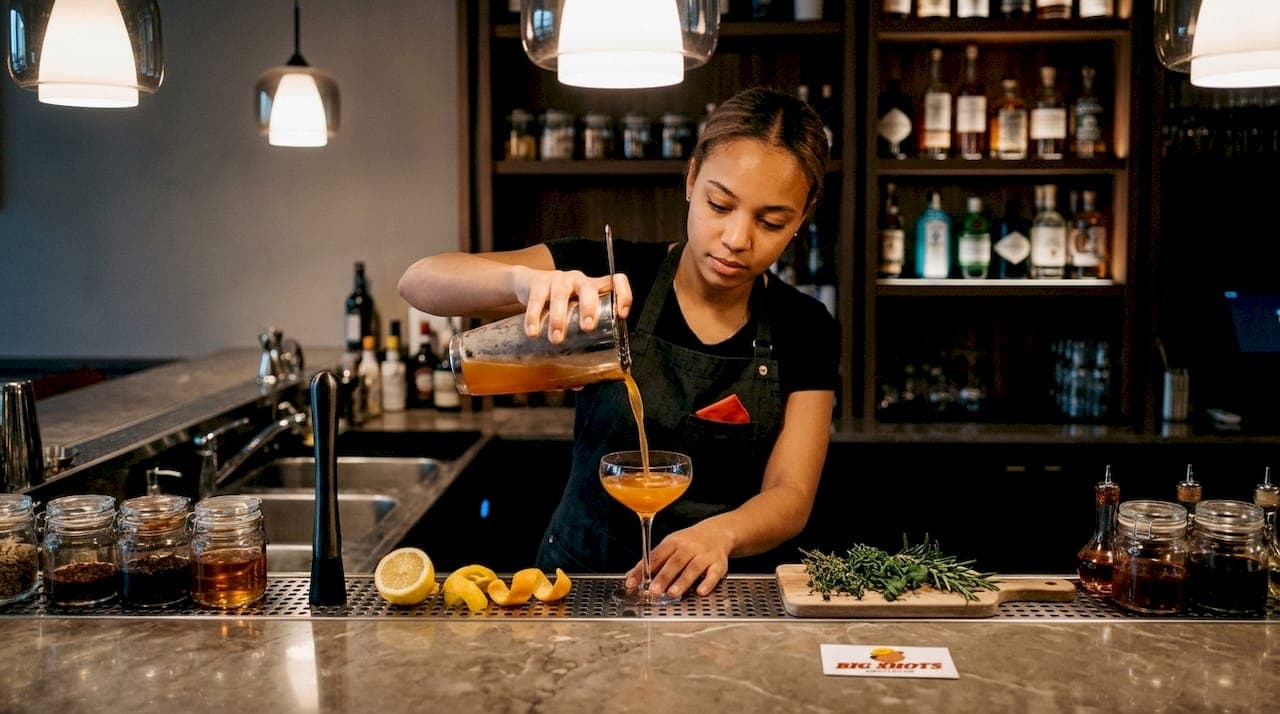
Amsterdam mixologists are defined by a rare combination of historical knowledge, disciplined service, and artisanal technique that places them among the best bartenders in the world. The city's cocktail experts don't just mix drinks. They build sensory narratives, drawing on centuries of Dutch distilling heritage and a culture that rewards craft over spectacle. Figures like Giulia Faraoni and Tess Posthumus have brought global attention to the Amsterdam mixology scene, winning titles and reshaping what it means to be a talented bartender. This guide breaks down exactly what makes Amsterdam's bar talent so exceptional, and what aspiring mixologists can learn from it.
Why Amsterdam mixologists are talented: the historical foundation
Amsterdam's cocktail expertise is inseparable from its past. The city served as a global trade hub for centuries, giving Dutch distillers access to exotic spices, cacao, and botanicals long before most of the world knew what to do with them. That ingredient literacy runs deep in the city's bar culture today.
The most telling example is the "brown café," or bruine kroeg, a traditional Dutch pub format that has shaped hospitality values for generations. Tess Posthumus, one of Amsterdam's most recognized bartenders, began her career in these traditional settings before specializing in cocktails. That path matters. Brown cafés teach warmth, pacing, and guest attentiveness before any shaker ever appears. They are the foundation, not the footnote, of Amsterdam's bar education.
Amsterdam bartenders treat historical ingredients as storytelling tools. A cocktail built around fermented cacao or aged Dutch genever isn't just a flavor choice. It's a reference to the city's trading past, and the best bartenders know how to communicate that story without lecturing the guest. This approach turns a drink into a conversation.
The city's history also explains why Amsterdam bartenders tend to favor depth over novelty. When your ingredient pantry has centuries of context behind it, you don't need to chase trends. You mine what already exists and present it in a way that feels both familiar and surprising.
Here are the core historical influences that shape mixology skills in Amsterdam:
- Dutch distilling traditions: Genever production dates back to the 16th century, giving local bartenders a native relationship with botanical spirits.
- Spice trade access: Centuries of importing cinnamon, clove, and cacao created a local palate fluent in complex flavor layering.
- Brown café culture: These neighborhood pubs instilled hospitality values, guest focus, and service discipline before cocktail culture arrived.
- Ingredient narrative: Amsterdam bartenders use historical context as a creative framework, not just background knowledge.
How structured training builds Amsterdam's cocktail experts
Training in Amsterdam is not informal. The city offers internationally recognized bartender courses that range from immersive one-day workshops to advanced long-term programs covering both technical skills and business knowledge. That dual focus separates Amsterdam's education model from cities where bartenders learn only technique.
The technical curriculum covers the fundamentals: maceration, infusion, dilution control, and flavor pairing. But Amsterdam programs also teach menu design, cost management, and guest psychology. A bartender who understands why a guest orders a certain drink is more effective than one who can only execute a recipe perfectly.
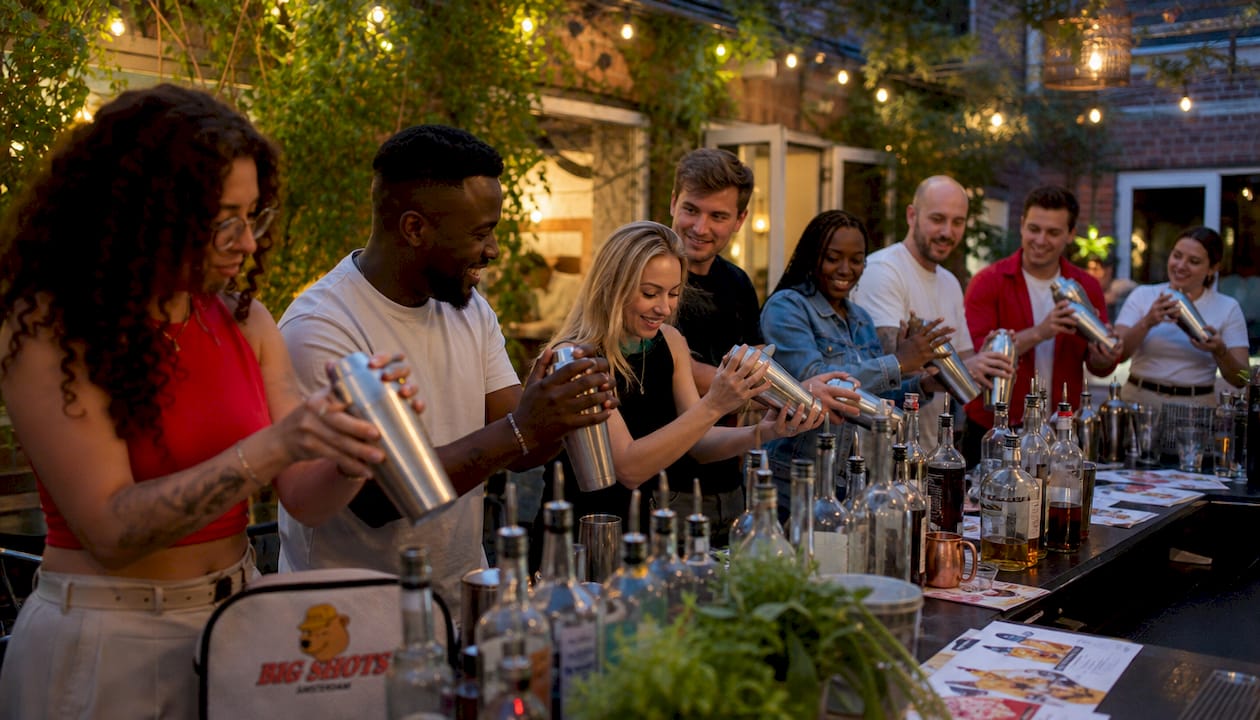
The collaborative culture reinforces formal training. Amsterdam's bar scene operates on a pay it forward mentality, where experienced bartenders actively mentor newer talent. Tess Posthumus has spoken publicly about inclusive representation and knowledge sharing as responsibilities, not optional extras. That attitude creates a rising tide effect across the whole scene.
Competitions sharpen skills in ways that classroom training cannot. The "Artisans of Taste" competition is a strong example. Giulia Faraoni won the Dutch Artisan of Taste title by building a cocktail around fermentation and historical cacao use, demonstrating that Amsterdam's competitive culture rewards depth and research, not just technical flash. That win reflected years of study, not a single clever idea.
The steps that define Amsterdam's bartender development path:
- Hospitality grounding: Most serious bartenders start in service roles, learning guest interaction before touching spirits.
- Technical workshops: Short-form courses cover specific skills like infusion ratios, carbonation, and spirit blending.
- Advanced certification: Long-term programs combine spirits education with business and menu development.
- Mentorship pairing: Established bartenders guide newer talent through real bar environments.
- Competition entry: Events like Artisans of Taste push bartenders to research, create, and defend original concepts.
Pro Tip: If you want to develop mixology skills in Amsterdam's style, start by studying one spirit category deeply before expanding. Amsterdam's best bartenders know genever or aged rum inside out before they start building complex menus.
What sets Amsterdam's approach to guest experience apart?
Amsterdam's talented bartenders define service as precision guided by warmth, not performance. The city's cocktail reputation is built on disciplined, narrative-driven menus and service that never feels theatrical or condescending. That restraint is a skill, and it takes years to develop.
The best bartenders in Amsterdam guide guests through a sensory experience without making them feel tested. They read the room. A guest who orders confidently gets space. A guest who hesitates gets a gentle recommendation with context, not a lecture. This kind of guest-centric service is what separates a technically skilled bartender from a truly talented one.
Presentation and garnish are treated as functional elements, not decoration. Amsterdam bartenders use a citrus peel, a smoked herb, or a specific glass shape because each choice affects how the drink smells and tastes before the first sip. Garnishes serve the flavor narrative, not the Instagram photo. That distinction reflects a maturity that many bar scenes haven't reached.
Quality without snobbery is the defining characteristic of Amsterdam's service culture. Craft cocktails in Amsterdam are made to be enjoyed by everyone, not just enthusiasts who can name every ingredient. That accessibility is deliberate, and it's one reason the city's bar scene attracts such a wide range of guests.
Pro Tip: When visiting a top Amsterdam bar, tell the bartender your flavor preferences rather than naming a specific drink. The best ones will build something personal for you, which is exactly the kind of guest-centric experience the city's bar culture is designed to deliver.
How Amsterdam bartenders innovate through craftsmanship
Amsterdam's approach to innovation is counterintuitive. The city's bartenders prioritize foundational techniques over expensive equipment, achieving creativity through mastery rather than gadgetry. While some global bar scenes chase centrifuges and liquid nitrogen, Amsterdam focuses on what a skilled hand and a well-chosen ingredient can do.
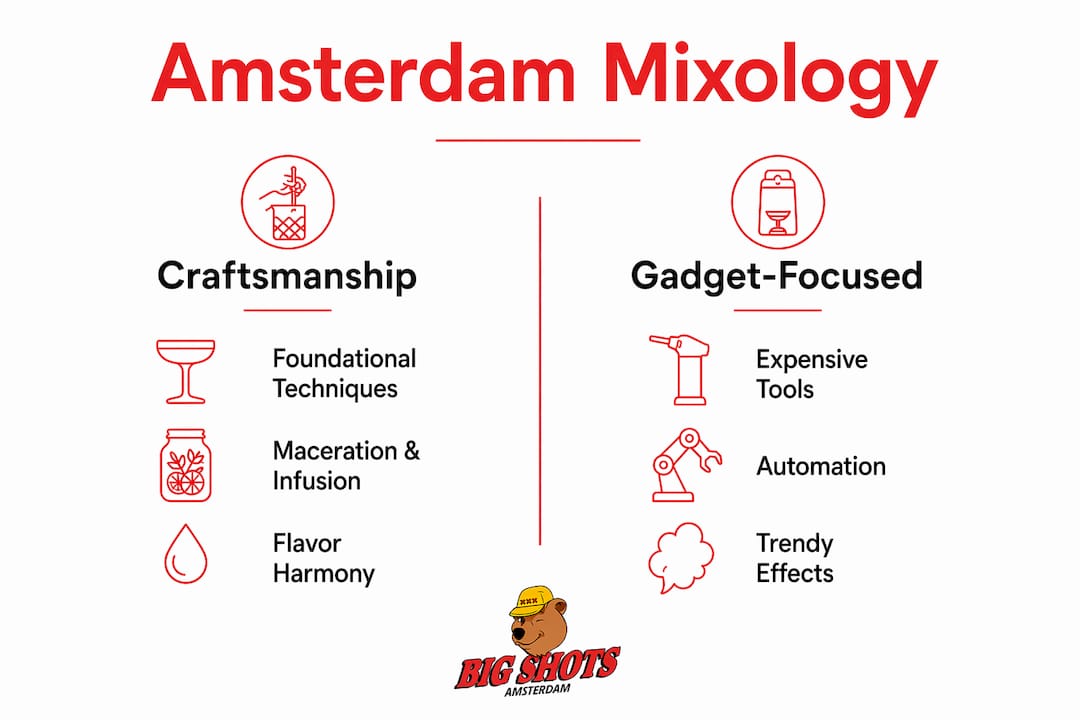
Flavor pairing in Amsterdam is treated like musical harmony. Each ingredient plays a role in the overall composition, and adding one element too many breaks the balance. Giulia Faraoni's Artisan of Taste win illustrated this principle. Her cocktail used fermentation and historical cacao not to show off, but to create a drink where every element earned its place. That restraint is harder to achieve than complexity.
The craft cocktails coming out of Amsterdam's best bars reflect this philosophy. A well-executed infusion, a precisely timed maceration, or a thoughtfully chosen bitters can do more for a drink than any piece of equipment. The technique is the technology.
| Approach | Amsterdam style | Gadget-focused style |
|---|---|---|
| Innovation method | Mastery of maceration, infusion, and flavor pairing | Centrifuges, liquid nitrogen, and molecular tools |
| Complexity goal | Balance and storytelling through restraint | Visual impact and technical novelty |
| Ingredient philosophy | Historical depth and narrative context | Trend-driven and seasonal novelty |
| Guest experience | Guided, warm, and accessible | Often theatrical and knowledge-dependent |
Amsterdam's nightlife and bar trends in 2026 show this craftsmanship approach gaining ground globally. Other cities are starting to look at Amsterdam's model as a template for sustainable, skill-based bar culture. The city's bartenders didn't predict that influence. They just kept doing the work.
Key Takeaways
Amsterdam mixologists are talented because they combine centuries of distilling heritage, rigorous training, collaborative mentorship, and a guest-first service philosophy that prioritizes craft over spectacle.
| Point | Details |
|---|---|
| Historical foundation | Dutch distilling traditions and brown café culture built deep hospitality and ingredient knowledge. |
| Structured training | Programs combine technical skills and business knowledge, from one-day workshops to advanced certification. |
| Collaborative culture | A pay-it-forward mentality drives mentorship and knowledge sharing across the whole bar scene. |
| Guest-centric service | Precision and warmth guide guests through sensory experiences without snobbery or performance. |
| Craftsmanship over gadgets | Mastery of maceration, infusion, and flavor pairing drives innovation more than expensive equipment. |
Amsterdam's cocktail scene: what it gets right that others miss
I've spent time in bar scenes across Europe and North America, and Amsterdam stands out for one reason that rarely gets discussed: the bartenders here don't seem to be performing for each other. In most cities with a strong cocktail culture, there's a visible hierarchy. The best bars cater to enthusiasts, and everyone else gets a lesser experience. Amsterdam doesn't work that way.
What strikes me most is how the city's best bartenders treat accessibility as a craft goal, not a compromise. Making a complex drink feel approachable to a first-time cocktail drinker takes more skill than impressing a fellow bartender. Amsterdam's scene has figured that out, and it shows in the guide to cocktail types that spans everything from classics to local originals.
The pay-it-forward culture is real, and it has a compounding effect. When senior bartenders actively share knowledge, the whole scene improves faster. That's not common. In many cities, knowledge is hoarded as competitive advantage. Amsterdam treats it as a shared resource, and the quality of the city's bars reflects that choice.
The challenge ahead is scale. Amsterdam's bar scene is growing in reputation, and with that comes pressure to commercialize and simplify. The bartenders who built this culture will need to keep investing in mentorship and education to protect what makes the scene worth visiting. The foundation is strong. Whether it holds under pressure depends on the next generation of Amsterdam cocktail experts.
— Leo
Experience Amsterdam's cocktail craft at Bigshotsamsterdam
Amsterdam's bar culture is best understood in person, and Bigshotsamsterdam puts you right in the middle of it. The venue combines a sports bar, shisha lounge, restaurant, and café in one space, with craft cocktails that reflect the city's commitment to quality and accessibility.
Whether you're a cocktail enthusiast looking to taste what Amsterdam's mixology scene is all about, or an aspiring bartender wanting to see guest-centric service in action, Bigshotsamsterdam delivers the full experience. The atmosphere is lively and relaxed, the menu is built for exploration, and the bar team brings the same warmth and precision that defines the city's best cocktail culture. Book your visit and taste the difference that real craft makes.
FAQ
Why are Amsterdam bartenders considered world-class?
Amsterdam bartenders combine centuries of Dutch distilling heritage with structured training and a collaborative mentorship culture. That combination produces bartenders who are technically skilled, historically informed, and genuinely guest-focused.
What training do Amsterdam mixologists typically receive?
Amsterdam offers internationally recognized programs ranging from one-day technical workshops to advanced long-term courses that cover both spirits knowledge and business skills. Many bartenders also benefit from direct mentorship by established figures in the city's bar scene.
How does Amsterdam Cocktail Week reflect the city's talent?
Amsterdam Cocktail Week showcases the city's best bartenders through competitions, tastings, and events that highlight narrative-driven menus and disciplined service. Titles like the Dutch Artisan of Taste, won by Giulia Faraoni in 2026, demonstrate the depth of creative and technical skill in the local scene.
What makes craft cocktails in Amsterdam different from other cities?
Amsterdam bartenders prioritize foundational techniques like maceration and infusion over expensive equipment, treating flavor pairing as a form of musical harmony. The result is cocktails where every element serves the drink's story rather than its visual impact.
Does Amsterdam's bar scene include non-alcoholic options?
True talent in Amsterdam includes building expertise in non-alcoholic beverage innovation, reflecting a forward-thinking culture that makes quality accessible to all guests regardless of their drinking preferences.