
TL;DR:
- Food presentation in Amsterdam significantly influences taste perception, with 72% of perceived tastiness stemming from visual appeal. Chefs emphasize restraint and natural beauty, reflecting Dutch values of honesty and sustainability, while atmosphere and lighting enhance the dining experience. Tourists who observe details like focal points and color contrast can deepen their appreciation of the city's culinary culture.
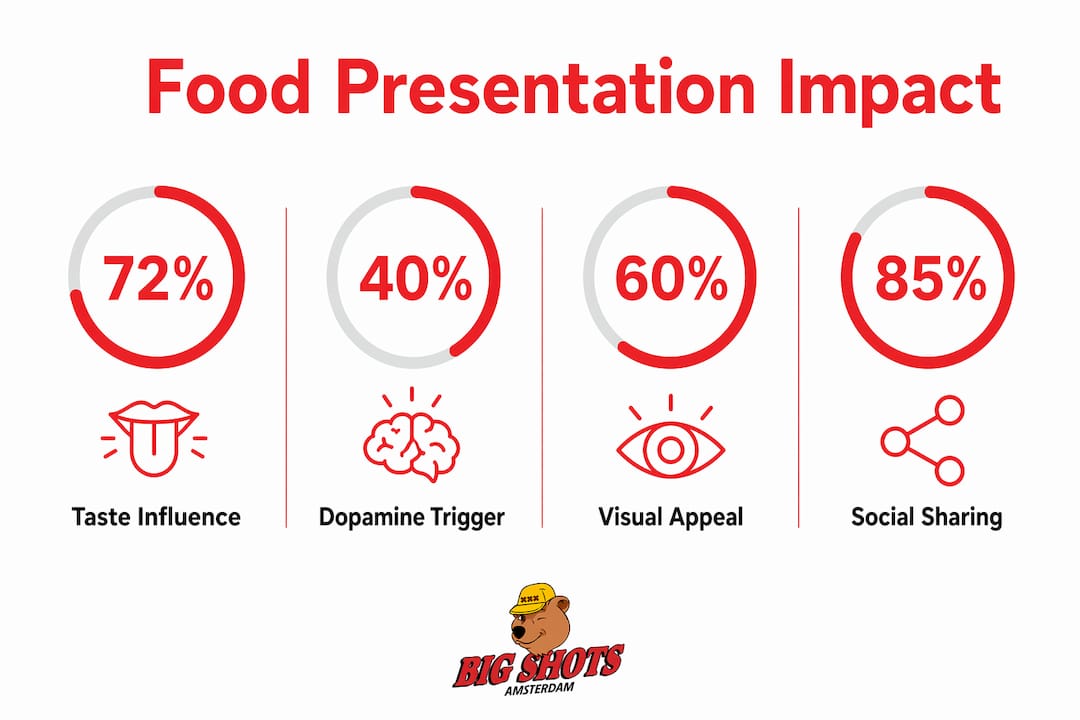
Food presentation is the visual design of a dish before it reaches your mouth, and in Amsterdam, it directly determines whether a meal becomes a memory. Visual plating accounts for 72% of perceived tastiness before a single bite. That number reframes everything. The city's chefs, from the canal-side fine dining rooms of the Jordaan to the open stalls of Foodhallen, treat the plate as a first impression that no amount of flavor can fully recover from. Understanding why food presentation matters in Amsterdam means understanding how the city thinks about food as culture, identity, and art.
Why food presentation matters in Amsterdam's sensory experience
The science behind plating is direct. Visually appealing meals trigger dopamine release, which sharpens your perception of taste, texture, and aroma before you even lift a fork. Your brain reads the plate and begins building expectations. When those expectations are set high by beautiful plating, the actual eating experience rises to meet them.
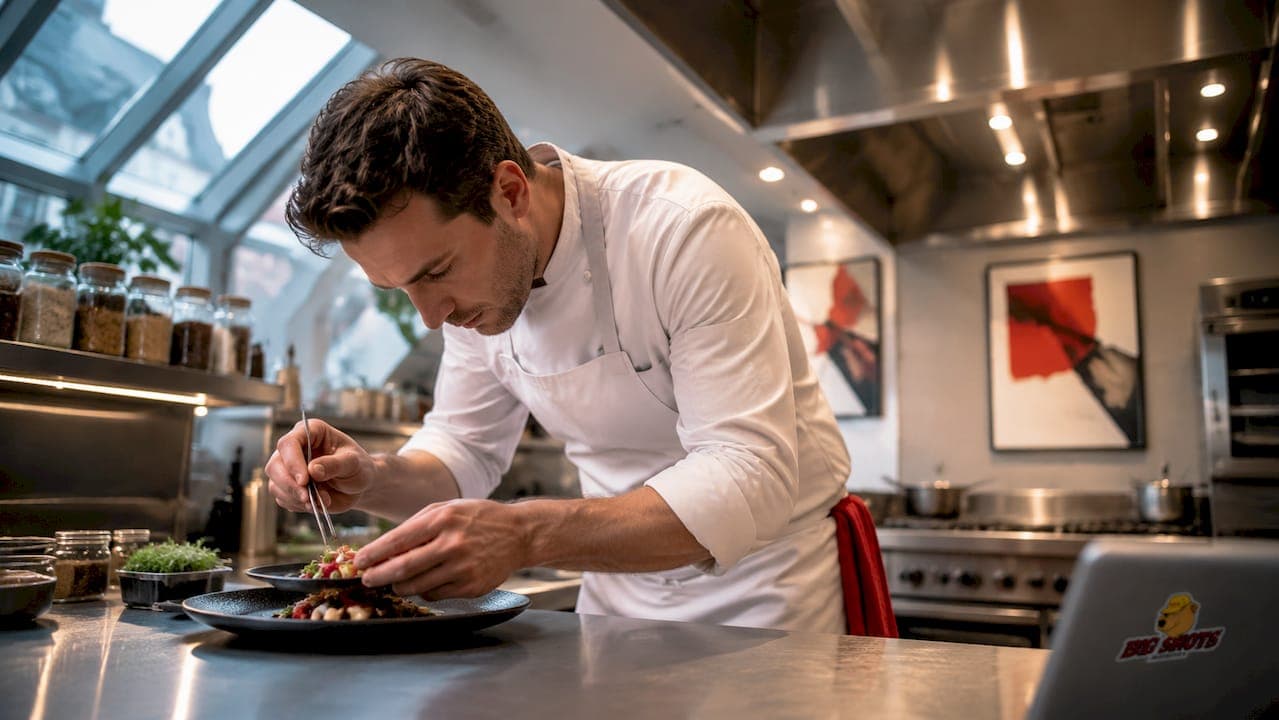
Amsterdam restaurants understand this deeply. Venues with open kitchens, like Foodhallen on the Bellamyplein, use transparency as a design tool. Open kitchens build trust and turn meals into immersive events, which justifies premium pricing and keeps diners engaged from the moment they sit down. Watching a chef plate a dish live is theater. It builds anticipation the way a curtain rising does.
Chefs in Amsterdam also use presentation to control the pace of a meal. Presentation serves as a non-verbal promise of quality, guiding diners to slow down and engage with each course rather than rush through. This is especially true at tasting menus, where each plate signals a new chapter. The visual cue tells you: pay attention, something worth noticing is here.
Pro Tip: When you sit down at an Amsterdam tasting menu restaurant, study the plate for ten seconds before eating. Notice the color contrasts, the negative space, and the height of the composition. That deliberate pause sharpens every sense before the first bite.
"The plate is the first conversation between the chef and the diner. In Amsterdam, that conversation is rarely accidental." — culinary philosophy shared across the city's fine dining scene
How Amsterdam's culinary identity shapes food aesthetics
Amsterdam's chefs do not plate for spectacle. They plate for coherence. The city's top restaurants focus on seasonal, local ingredients with restrained plating that highlights natural beauty rather than hiding it under elaborate garnishes. This approach reflects a broader Dutch cultural value: honesty in craft.
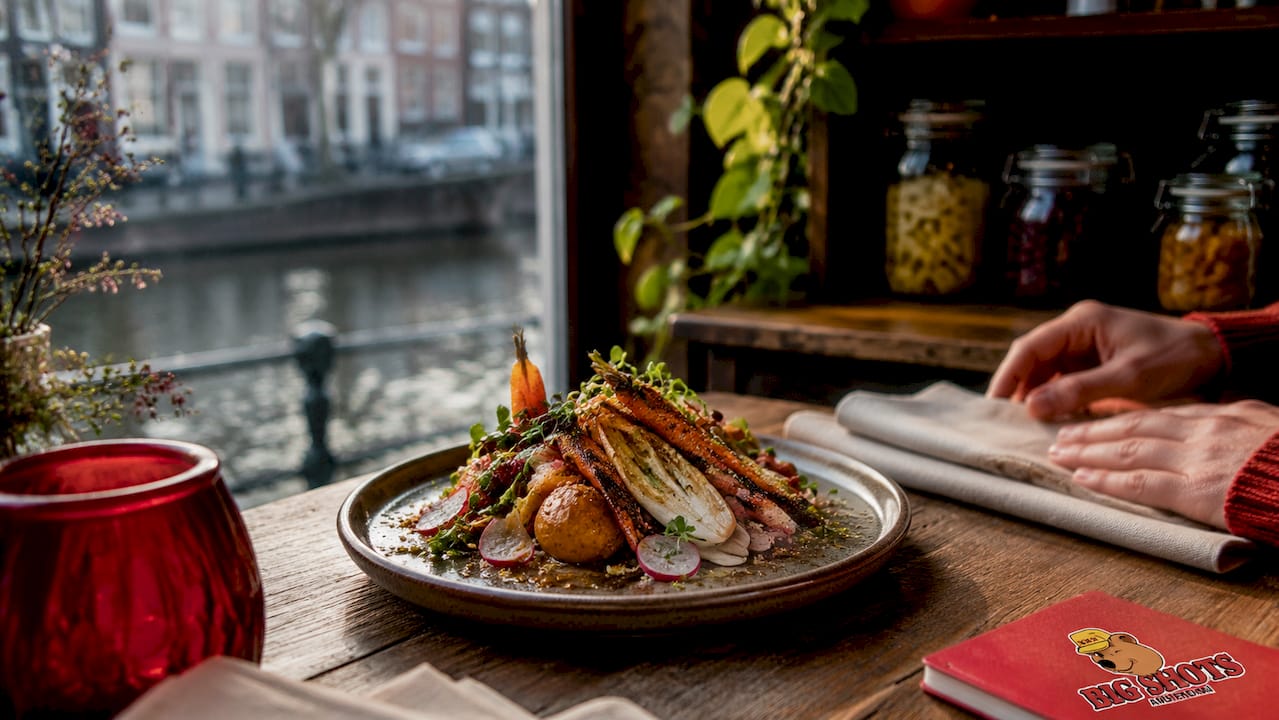
The "Root to Leaf" philosophy runs through Amsterdam's food culture. It means using the whole ingredient and letting its natural form guide the presentation. A carrot is not just a flavor component. It is a visual element, and its color, shape, and texture deserve to be shown, not buried. This restraint takes more skill than decoration, because there is nowhere to hide a poorly sourced ingredient.
Several principles define Amsterdam's distinctive food aesthetics:
- Seasonal color palettes. Plates shift with the market. Spring brings pale greens and whites. Autumn brings deep oranges and earthy browns. The plate reflects what is actually growing nearby.
- Negative space as a design choice. Amsterdam chefs leave room on the plate intentionally. Empty space draws the eye to what matters and signals confidence in the ingredient.
- Tableware as part of the story. Handmade ceramics, raw stone plates, and linen napkins are chosen to match the food's tone. The vessel is not neutral.
- Heritage references in plating. Dutch Golden Age still life paintings, with their precise arrangements of food and light, visibly influence how some chefs compose a plate. The connection to local culinary traditions is intentional and visible.
- Sustainability as an aesthetic. Imperfect vegetables, whole fish, and unpeeled roots appear on plates because they are honest. Visual restraint honors cultural appreciation for ingredients' natural beauty.
This is not minimalism for its own sake. It is a visual language that says: we know where this came from, and we respect it.
Does restaurant atmosphere change how food presentation lands?
The short answer is yes, and Amsterdam proves it at scale. Restaurants in Amsterdam act as galleries merging art and gastronomy, where the dining room itself becomes part of the presentation. Capital Kitchen, located inside the Capital C building on the Amstel river, is the clearest example. The space integrates rotating art installations with its menu, so the visual experience of the room and the visual experience of the plate reinforce each other.
Lighting, music, and tableware all contribute to how a dish reads. A perfectly plated dish under harsh fluorescent light loses half its impact. The same dish under warm, directional lighting looks intentional and precious. Amsterdam's best venues treat lighting as a plating tool, not an afterthought.
Here is how the key environmental elements interact with food presentation:
- Lighting. Warm, focused light makes colors richer and textures more visible. It creates the same effect as good photography lighting, but live.
- Tableware selection. Matte black plates make bright vegetables pop. Cream ceramics warm up neutral tones. The choice is never random in a well-run Amsterdam kitchen.
- Table spacing and layout. Generous spacing lets diners view the plate from above without obstruction. It also signals that the meal deserves full attention.
- Art and interior design. When the walls, furniture, and food share a visual language, the experience feels unified. Diners feel they are inside a curated world, not just eating a meal.
| Element | Effect on food presentation |
|---|---|
| Warm directional lighting | Deepens color saturation and highlights texture |
| Handmade ceramic tableware | Adds tactile context and visual warmth to the plate |
| Open kitchen design | Builds anticipation and connects diner to the cooking process |
| Art-integrated interiors | Creates thematic coherence between space and plate |
This integration also drives social media sharing. When the room and the plate tell the same story, diners photograph both. That organic reach is a direct result of Amsterdam's restaurant and nightlife trends prioritizing visual consistency across every touchpoint.
Food presentation tips for tourists visiting Amsterdam
Knowing what to look for transforms a good meal into a great one. Most tourists eat in Amsterdam without reading the plate. Food enthusiasts who understand presentation get more out of every dish.
Pro Tip: Before ordering, scan the restaurant's Instagram or Google photos. If the plating is consistent across dozens of dishes and different photographers, the kitchen has real discipline. Inconsistency in photos usually means inconsistency on the plate.
Here is what to actively notice during your Amsterdam dining visits:
- Color contrast and balance. A well-plated dish uses at least three distinct colors. Look for how the chef separates or layers them to guide your eye.
- The focal point. Every plate has one element the chef wants you to notice first. It is usually the protein or the most expensive ingredient. Everything else points toward it.
- Sauce placement. In Amsterdam's fine dining rooms, sauces are rarely poured over the top. They are placed beside, beneath, or dotted around the main element. This preserves texture and gives you control over each bite.
- Height and dimension. Flat plates feel static. Chefs use height to create movement and visual interest. Even a simple stack of vegetables signals intention.
- The narrative. Ask your server what the dish is trying to say. In Amsterdam's better restaurants, every plate has a story tied to season, region, or heritage. Understanding that story makes the food taste different. Culinary storytelling through presentation is a genuine skill, and recognizing it is a skill worth developing.
When photographing food, use natural light where possible and shoot from directly above or at a 45-degree angle. Avoid flash. The goal is to capture what the chef built, not to overpower it with your phone's artificial light.
Key Takeaways
Food presentation in Amsterdam is a primary driver of taste perception, cultural identity, and dining satisfaction, not a decorative afterthought.
| Point | Details |
|---|---|
| Visuals shape taste before eating | 72% of perceived tastiness comes from plating, making presentation a core part of flavor. |
| Dopamine drives the experience | Beautiful food triggers dopamine release, sharpening taste, aroma, and texture perception. |
| Amsterdam favors restraint over spectacle | Local chefs use seasonal ingredients and negative space to reflect Dutch cultural honesty. |
| Atmosphere amplifies presentation | Lighting, tableware, and art-integrated interiors multiply the impact of a well-plated dish. |
| Tourists can train their eye | Knowing what to look for, focal points, sauce placement, color contrast, transforms any meal. |
What I've learned about Amsterdam's food presentation culture
Amsterdam surprised me. I expected the same visual arms race you see in London or New York, where every dish is engineered for Instagram and the flavor is secondary. What I found was the opposite. The city's best chefs are almost allergic to gimmicks. The "wow" factor here comes from alignment of plate, setting, and narrative rather than smoke machines or edible gold leaf.
What struck me most is how presentation functions as a dialogue. A chef who plates with restraint is telling you something about their confidence. They are saying: the ingredient is enough. That is a harder statement to make than covering everything in foam and calling it modern. In Amsterdam, the plate is honest in a way that reflects the city itself.
The practical implication for tourists is real. If you walk into an Amsterdam restaurant and the plating looks careless, the kitchen probably is too. Presentation is the most visible signal of how much a kitchen cares. It is the first thing made and the last thing seen before you eat. In a city where food, art, and architecture form a sensory ecosystem, a poorly plated dish is not just an aesthetic failure. It is a cultural one.
My honest advice: slow down. Amsterdam's food culture rewards attention. The more you look, the more you taste.
— Leo
A place where presentation meets personality in Amsterdam
Bigshotsamsterdam brings together the energy of a sports bar, the warmth of a café, and the craft of a full restaurant in one space on the streets of Amsterdam. The food here is plated with the same care you would expect from a dedicated kitchen, whether you are ordering a gourmet steak, a full breakfast, or a dish from the rotating menu.
The venue's atmosphere, from its lighting to its interior design, is built to complement what arrives on the plate. That is not accidental. Bigshotsamsterdam understands that restaurant ambiance and food presentation work together, not separately. If you want to experience Amsterdam's food culture in a space that combines visual craft with genuine hospitality, visit Bigshotsamsterdam and see what a well-presented meal in a well-designed room actually feels like.
FAQ
Why does food presentation affect how food tastes?
Visually appealing food triggers dopamine release, which heightens your perception of taste, texture, and aroma before you eat. Your brain builds flavor expectations from what it sees, and those expectations shape the actual eating experience.
What makes Amsterdam's food presentation style unique?
Amsterdam chefs prioritize restrained, seasonal plating rooted in Dutch sustainability and heritage rather than elaborate garnishing. The focus is on letting the natural beauty of local ingredients lead the visual composition.
How do open kitchens improve the dining experience in Amsterdam?
Open kitchens build transparency and trust, turning the cooking process into live theater that heightens anticipation and justifies premium pricing. Venues like Foodhallen use this format to make the meal feel like an event from start to finish.
How can tourists better appreciate food presentation in Amsterdam?
Look for the focal point of each plate, notice sauce placement and negative space, and ask your server about the dish's story. Understanding what a chef is communicating visually makes the food taste richer and the experience more memorable.
Does restaurant decor in Amsterdam actually affect how food is perceived?
Yes. Dining environments that merge art and gastronomy create a unified sensory experience where the room and the plate reinforce each other. Lighting, tableware, and interior design all influence how a dish reads before the first bite.