
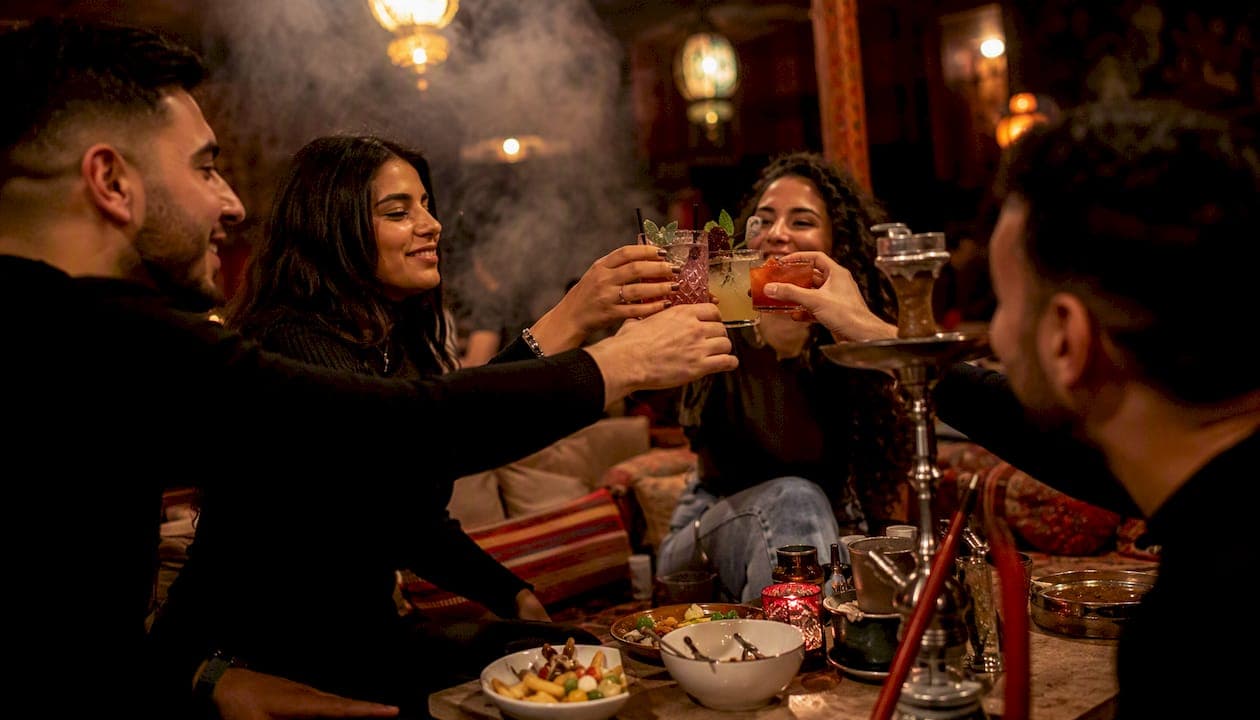
Friends pick one venue over another primarily because the activity does the social work for them. When the setting naturally gets people talking, laughing, or competing together, the night runs itself. Location, cost, and group size all shape the final call, but the social fit of the activity is what separates a memorable outing from a forgettable one.
The top elements friends weigh when choosing entertainment spots:
- Atmosphere and energy level (quiet conversation vs. high-energy fun)
- Location and ease of access (walkability, parking, transit)
- Cost and what's included (minimums, packages, per-person spend)
- Group size fit (capacity, seating layout, private areas)
- Reputation and friend recommendations
- Activities on offer (interactive, spectator, or social dining)
The rest of this guide maps venue types to specific use cases, breaks down how age, income, and occasion shift those choices, and gives you a copy-ready checklist of questions to ask before you book.
Key Takeaways
The single most important factor in why friends choose entertainment venues is social fit: the activity and atmosphere must match what the group actually needs from the night.
| Point | Details |
|---|---|
| Social fit drives the choice | Pick the activity that does the social work for your group's specific dynamic, not just the venue everyone can agree on. |
| Demographics shift preferences | Age most influences bar and nightlife choices; income matters more for restaurant and café selections, per the Zurich mixed-logit study. |
| Book early for popular events | Concerts and shows need 2–4 weeks of lead time; weekday bookings often cut costs for any venue type. |
| Use the pre-booking checklist | Confirm minimums, capacity, cancellation policy, and dietary needs before you commit to a deposit. |
| Bigshotsamsterdam fits the full evening | Sports bar, shisha lounge, restaurant, and café in one Amsterdam venue for groups who want energy and comfort without multiple stops. |
Table of Contents
- Why friends choose entertainment venues: the core factors
- Which venue type actually fits your friend group?
- How age, income, and occasion shape the choices your group makes
- Your pre-booking checklist: questions to ask before you commit
- What you actually gain when the venue fits the group
- Safety and comfort concerns that influence venue selection
- An editorial take on picking the right venue
- Bigshotsamsterdam: a venue built for exactly this kind of night
- Sources
Why friends choose entertainment venues: the core factors
Seven factors consistently drive friend group venue choices, and understanding them helps you spot a mismatch before you commit to a deposit.
- Atmosphere. The noise level, lighting, and décor set the emotional tone before anyone orders a drink. A loud DJ-driven bar kills deep conversation; a quiet wine bar kills a birthday blowout. Research on how atmosphere shapes dining shows that ambience influences how long groups stay and how much they spend.
- Activities. High-participation formats like trivia, karaoke, or ping pong keep everyone engaged without forcing uniform skill levels. According to SPIN's venue selection guide, capacity, layout, entertainment quality, catering, and atmosphere are the central operational factors for group events.
- Location and access. Proximity to transit, parking availability, and walkability all affect who actually shows up. Neighborhoods with multiple venue options nearby reduce friction when tastes diverge mid-night.
- Capacity and group size fit. A venue that seats 40 feels cavernous for six people and chaotic for thirty. Private dining rooms or semi-private areas solve this for mid-size groups.
- Amenities and services. Food and drink quality, AV equipment, restroom availability, and attentive staff matter more than most planners admit until something goes wrong.
- Cost and pricing structure. Spend-per-head, minimum spends, and what's included in a package determine whether the group can realistically afford the night. Weekday bookings often cut costs significantly.
- Reputation and reviews. Venue reputation and friend recommendations reduce uncertainty about atmosphere and service, making well-reviewed spots more likely to draw full attendance.
Pro Tip: Before you book, ask yourself: "Will this venue create a moment, or just provide a backdrop?" If the activity itself generates conversation or shared stakes, you need less from the décor and the staff.
Which venue type actually fits your friend group?
Different venue types produce different social outcomes. Matching the format to the group's energy and occasion is the fastest way to avoid a night that fizzles.
- Sports bars. Shared stakes from a live game create instant camaraderie. Best for groups of sports fans, casual hangouts, or mixed groups where not everyone knows each other well.
- Activity venues (bowling, ping pong, escape rooms, arcade bars). Interactive, flexible activities keep people engaged without forcing uniform participation, making these ideal for groups with varying energy levels or budgets.
- Live music venues. Spectacle-driven and high-energy. Best for groups who want a shared experience without needing to talk much. Conversation is hard; the vibe does the work.
- Restaurants and entertainment dining. Hybrid spots that combine gourmet food with activities or sports viewing suit groups who want a full evening in one place. See the entertainment dining guide for a breakdown of what these venues offer.
- Outdoor spaces. Parks, rooftop bars, and beer gardens work well for warm-weather gatherings where flexibility and a relaxed pace matter more than programming.
- Bars and cocktail lounges. Lower-key and conversation-friendly. Best for smaller groups or occasions where catching up is the point, not a shared activity.
| Venue type | Best for | Why it works |
|---|---|---|
| Sports bar | Casual hangouts, sports fans | Shared game creates natural energy |
| Activity venue | Mixed groups, birthdays | Participation levels the social playing field |
| Live music | Celebration, high-energy nights | Spectacle replaces conversation pressure |
| Entertainment dining | Full-evening groups | Food plus activity in one location |
| Outdoor / rooftop | Warm-weather, relaxed pace | Flexible, low-commitment atmosphere |
| Cocktail lounge | Small groups, catch-up nights | Quiet enough for real conversation |
For a broader overview of how these formats map to social situations, the types of social venues guide covers the full spectrum.
Mini scenarios:
Birthday for a mixed group of 12: An activity venue with food service handles different energy levels and keeps everyone involved without anyone feeling sidelined.
Post-work drinks for six close friends: A cocktail lounge or hybrid bar-restaurant where conversation is easy and the menu is solid.
Reunion for a group that hasn't seen each other in years: A sports bar or entertainment dining spot where the activity fills any awkward silences while the food keeps people seated long enough to actually reconnect.
How age, income, and occasion shape the choices your group makes
Demographics shift venue preferences more than most planners expect. A mixed-logit analysis of leisure venue choice found that age is the most influential factor for bars and nightlife, while income matters more for restaurant and café selections. Cultural background also affects which venue categories groups gravitate toward.
A descriptive survey of 340 visitors in Antalya Kaleiçi found that respondents relied heavily on personal experience and friend recommendations when choosing venues. The same study reported that participants spent a significant portion of their personal income on entertainment, and that single versus married respondents chose venues for meaningfully different reasons.
Key data point: In the Antalya Kaleiçi survey, respondents reported allocating a noteworthy share of their personal income to entertainment spending, and friend recommendations were among the top sources they relied on when selecting a venue.
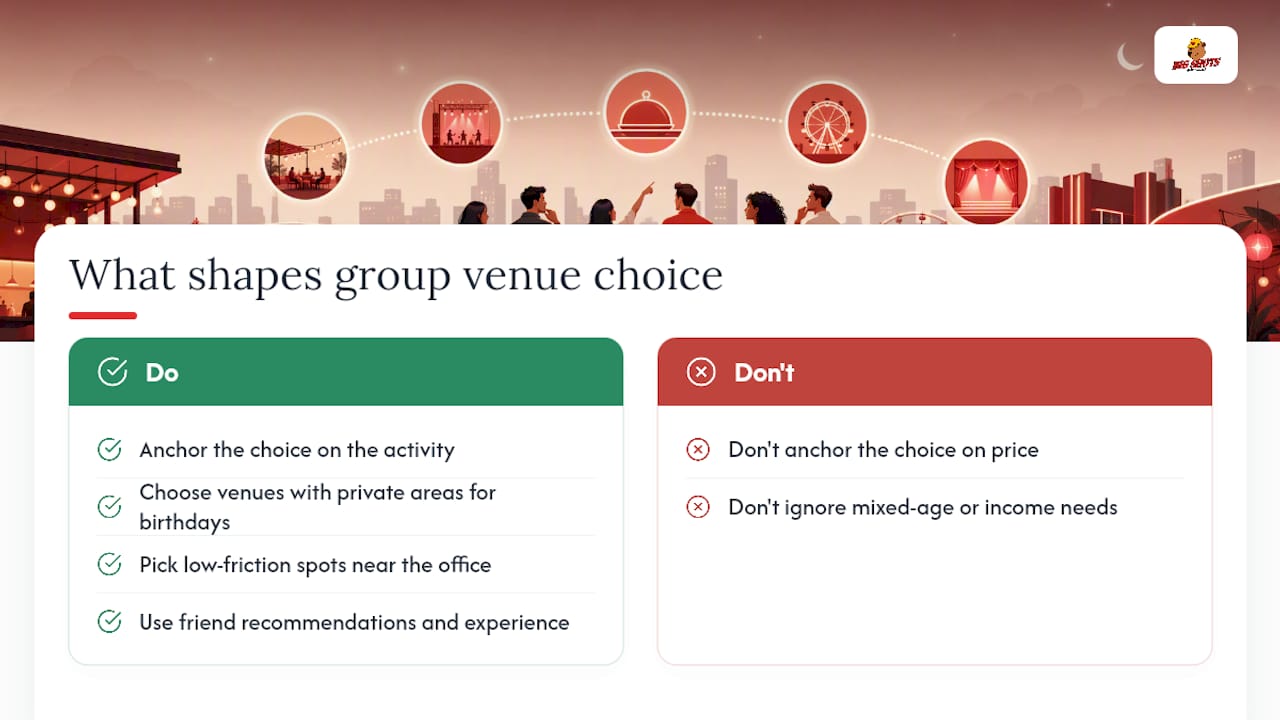
Occasion matters just as much as demographics. A birthday calls for a venue with energy and a private area for the group; a casual Friday after work calls for something low-friction and close to the office. The Vegas show decision guide makes a useful point here: start with the emotion you want to feel at the end of the night, then work backward to the venue type that produces it.
Pro Tip: When booking for a group with a wide age range or mixed incomes, anchor the choice on the activity rather than the price point. A venue where the activity itself is the main draw takes pressure off spending and gives everyone a shared focal point regardless of what they order.
Your pre-booking checklist: questions to ask before you commit
Getting the logistics right before you book saves the group from surprises on the night. Use this list as a starting point, then copy the relevant questions into a group chat or email to the venue.
Questions to ask when booking:
- What is the minimum spend or cover charge, and what does it include?
- Is there a private or semi-private area for groups our size?
- What is the deposit amount, and what is the cancellation policy?
- Are food and drinks included in a package, or is it à la carte?
- What is the venue's capacity, and how is the seating arranged?
- Is there AV equipment available (for a playlist, slideshow, or announcements)?
- What are the parking and transit options nearby?
What to confirm before arrival:
- Final headcount confirmed with the venue at least 48 hours out
- Any dietary restrictions communicated in advance
- Start time and any dress code requirements
- Payment method accepted (card, cash, split billing)
Timeline guidance:
Concerts and popular shows often need several weeks of lead time, and booking late affects both price and availability. Low-effort outings like a bar night or casual dinner can come together in a few days. For larger groups, reserve early and favor venues with flexible seating and multiple activity options to accommodate different preferences.
Cost reminder: Weekday bookings and off-peak hours often carry reduced rates. Packages can offer better value than à la carte pricing for larger groups. Always ask the venue to compare both options before you commit.
For a fuller planning framework, the group dining planning guide and the party hosting tips guide both cover what to ask and when.
What you actually gain when the venue fits the group
Choosing the right venue is not just about avoiding a bad night. It actively improves the outcome in measurable ways.
- Higher attendance. When the venue is accessible, affordable, and well-reviewed, more people commit and fewer cancel last-minute. A venue with a strong reputation reduces the "is it worth going?" hesitation.
- Better mood from the start. Atmosphere sets the emotional tone before the first drink arrives. A venue that matches the group's energy means no one spends the first hour trying to adjust.
- Shared memories. Activities that create shared stakes, like a trivia win or a close game on screen, give the group a story to reference later. Passive settings rarely produce those moments.
- Cost efficiency. A venue with a package deal that covers food, drinks, and an activity often costs less per person than three separate stops. Combining activity plus a food and drink stop also keeps the night dynamic when budgets vary across the group.
- Easier coordination. One venue that handles everything reduces the logistics burden on whoever is organizing. Fewer moving parts means fewer things that can go wrong.
The advantages of group dining research supports the broader point: groups that eat and socialize together in the right setting report stronger social bonds and higher satisfaction with the outing.
Safety and comfort concerns that influence venue selection
Safety and comfort are often the silent veto in a venue decision. A group might love the concept of a venue but quietly rule it out because something feels off.
Lighting matters more than most people consciously register. Venues that are too dark feel disorienting; overly bright spaces feel clinical. Groups with older members or anyone with mobility needs will also factor in physical accessibility: step-free entry, accessible restrooms, and seating that doesn't require climbing over strangers.
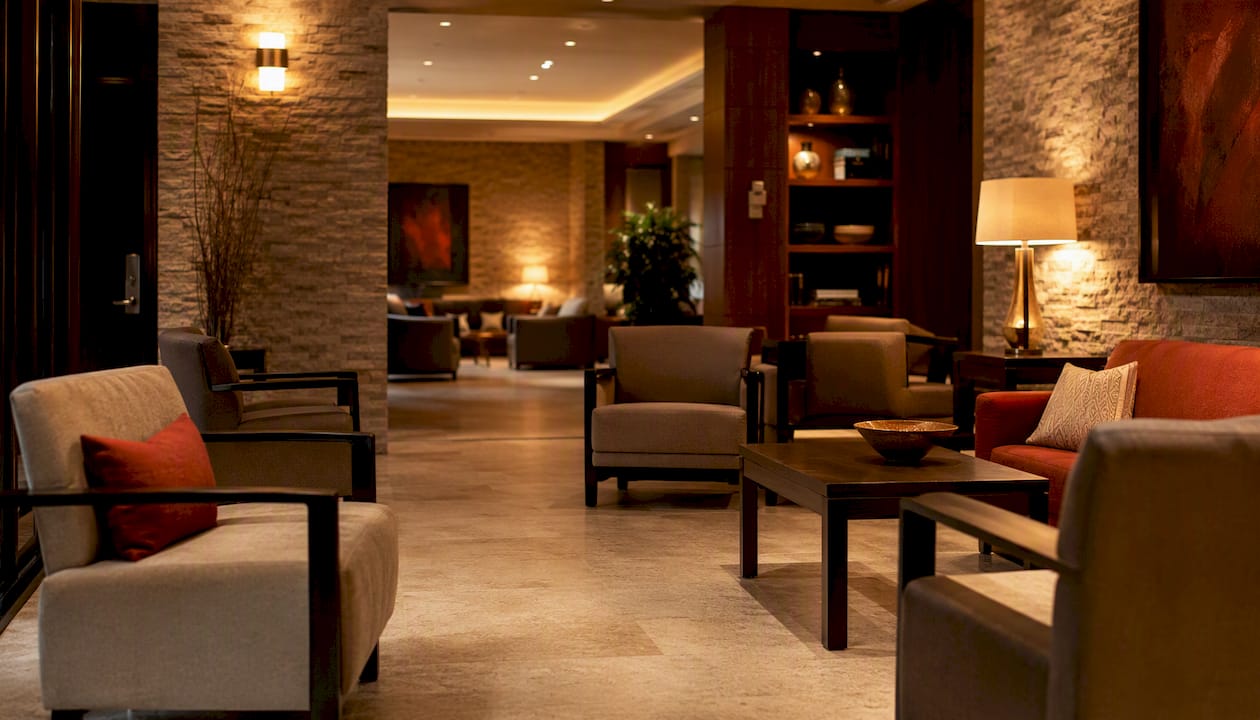
Noise level is a comfort issue as much as an atmosphere one. A venue where you have to shout to be heard is fine for a high-energy celebration but exhausting for a group that wants to actually talk. Ask about the decibel level during peak hours before you book, not after.
Staff responsiveness and visible security also shape how comfortable a group feels, especially for groups that include people who don't know the venue. A well-staffed room where someone is clearly in charge signals that the venue takes its guests seriously. For groups with members who smoke or use shisha, indoor smoking areas and designated lounge spaces matter for comfort and legal compliance.
Finally, neighborhood safety and the ease of getting home affect who agrees to come in the first place. A venue that's hard to reach by transit or in an unfamiliar area will thin out the guest list before the night even starts.
An editorial take on picking the right venue
The conventional wisdom says pick the venue everyone can agree on. That sounds reasonable, but it usually produces the most forgettable night possible.
The better frame is to pick the venue that does the most social work for the group's specific dynamic. For a group of close friends who see each other regularly, the activity matters less because the conversation carries the night. For a group that's grown apart, or one where not everyone knows each other, the activity is load-bearing. It gives people something to do with their hands, a shared reference point, and a reason to stay longer than they planned.
What most people underestimate is how much the sequence matters. A venue that works as a first stop might kill the night if it's the only stop. Walkable neighborhoods with multiple options nearby let the night evolve naturally. When the first venue winds down, the group can move rather than scatter. That flexibility is worth more than any single venue's amenities.
The research on homophily in leisure choices confirms what most experienced planners already sense: people gravitate toward venues that reflect their own demographic and cultural signals. That's not a problem to solve; it's a signal to read. When you understand who's in the group and what they're actually there for, the venue choice becomes obvious.
Bigshotsamsterdam: a venue built for exactly this kind of night
When you want one place that handles the full arc of a friends' night out, Bigshotsamsterdam in Amsterdam delivers it without the logistics of multiple stops. It combines a sports bar, shisha lounge, restaurant, and café under one roof, which means the group can watch a live game, share a gourmet meal, and settle into the lounge without anyone having to coordinate a move.
The venue suits groups that want energy and comfort in the same space: sports fans, mixed groups celebrating a birthday, or friends who want a full evening rather than a quick drink. The menu runs from breakfast to steaks and gourmet dishes, and the atmosphere is designed to be lively without being overwhelming. Online food ordering and private event hosting make the logistics straightforward.
If you're planning a group outing in Amsterdam, check availability and book your table at Bigshotsamsterdam directly on the website.
Sources
- COMPARISON OF FACTORS MOTIVATING INDIVIDUALS TO GO TO ENTERTAINMENT AND INFLUENCING ENTERTAINMENT VENUE CHOICE WITH VARIOUS DEMOGRAPHIC VARIABLES: THE CASE OF ANTALYA KALEIÇI, TÜRKIYE
- The importance of the social environment on leisure destination choice: A mixed multinomial analysis of homophilic preferences
- How do you choose the right entertainment venue for your group? | SPIN
- How do you plan activities for large friend groups? | SPIN
- How to choose the right Vegas show (decision guide)
- Things to do near me (Gidly guide)
- How to Plan a Night Out Entertainment: Movies, Concerts & Shows Without the Stress - 1993 Magazine
- Book Local Performance Venues in Colorado: A Complete Guide | ExperienceByLocals