
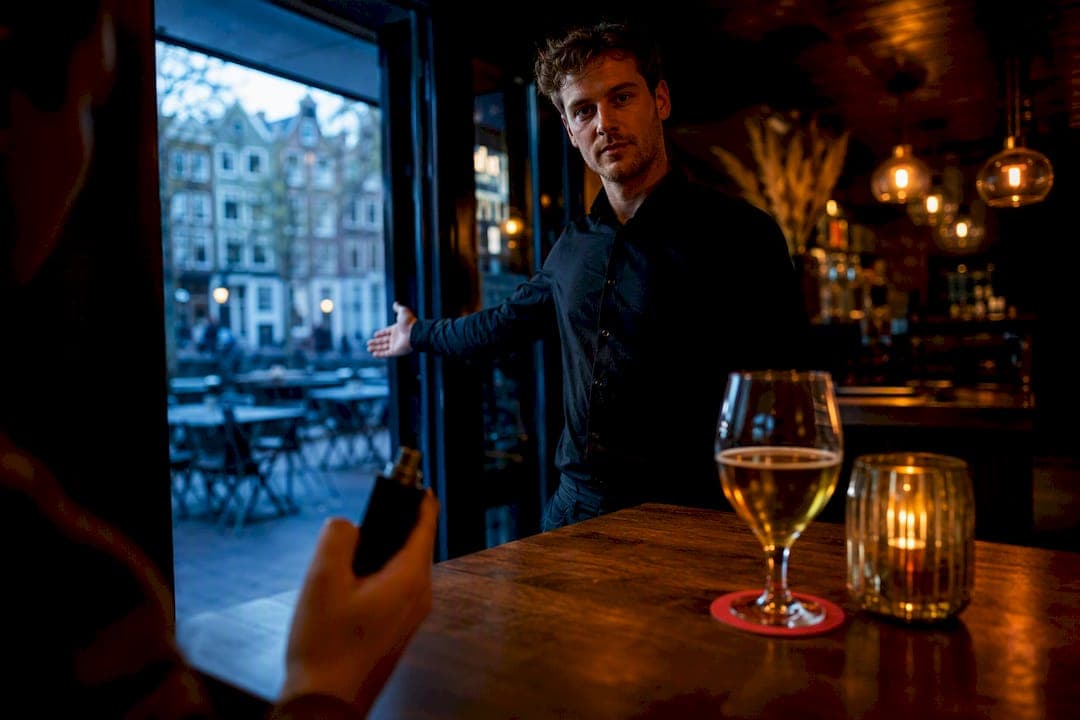
Vaping indoors in Dutch horeca venues is banned under national law, and both Rijksoverheid and the NVWA enforce that rule the same way they enforce the ban on cigarettes. Genuinely open-air terraces are usually fine, with a few caveats around enclosure and nuisance. Anyone running or visiting a bar, restaurant, cafe or shisha lounge needs to know exactly where that line falls.
TL;DR:
- Vaping is strictly prohibited indoors in Dutch horeca venues, including bars, restaurants, cafes, and shisha lounges, since July 1, 2020.
- Open terraces are allowed for vaping only if they remain open on at least one side, but fully enclosed or covered areas are considered indoor spaces and are off limits.
- Fines for violations start around €600 and increase with repeated offenses, with enforcement focused on venues with prior complaints or visible vapor indoors.
- Operators must post clear signage, train staff on consistent messaging, keep incident logs, and periodically check terrace enclosures to ensure compliance.
- Vapes with flavors cannot be sold through general retail or horeca counters after January 1, 2024, with future sales restricted to tobacco shops by 2026.
Table of Contents
- Where you can and cannot vape indoors, on terraces and at events
- What the law says and the penalties for breaking it
- Operator duties: what horeca owners must actually do
- What guests and staff should do in the moment
- How a local venue applies the rules
- Enforcement in practice versus enforcement on paper
- Enjoy a compliant night out at Big Shots Amsterdam
- Sources
- FAQ
Where you can and cannot vape indoors, on terraces and at events
The indoor ban covers every horeca-inrichting: bars, restaurants, cafes, hotel lobbies and lounges, and shisha lounges. Rijksoverheid confirms the smoking ban has applied to vapes, with or without nicotine, since July 1, 2020, putting them on the same footing as cigarettes in every enclosed public space. Shisha lounges do not get an exemption for the act of vaping itself, though shisha smoking has its own separate legal history; the vape rule applies regardless of what else the venue serves.
Terraces are where most confusion starts. According to NVWA guidance on terrace smoking, a terrace only counts as outdoor space if it stays open on at least one side. Wind screens, awnings and heaters do not automatically disqualify a terrace, but fully enclosing it does, and operators still have to stop vapor from drifting back inside through doors or windows.
A few practical distinctions matter for anyone trying to place a vape correctly:
- Indoor bars, restaurants, cafes and shisha lounges: always off limits, no exceptions for vape versus cigarette.
- Open terraces with one open side: generally allowed, but nuisance near doorways can still get you asked to stop.
- Festival tents and covered event bars: treated as horeca and therefore indoor, so the ban applies inside them.
- Open festival grounds: vaping is typically allowed unless the organizer sets its own rule.
That last point trips people up most. A covered stage tent with a bar counts as an enclosed horeca space even if it has open sides at the front, while the open field around it usually does not.
What the law says and the penalties for breaking it
The statutory basis sits in the Tabaks- en rookwarenwet, which defines horeca-inrichting and puts the duty to indicate and enforce smoke-free rules on the operator, not just the smoker. The law does not treat vapes as a separate category from tobacco for the purposes of the smoking ban.
Beyond the ban itself, sales rules have tightened. Rijksoverheid notes that a ban on flavored vapes took effect on January 1, 2024, and by 2026 vapes can only be sold through tobacco specialty shops rather than general retail or horeca counters. That timeline matters for any venue that used to stock disposable vapes behind the bar.

Fines escalate with repeat violations. NOS reporting on nightlife enforcement notes that a first NVWA fine for a smoking or vaping violation typically starts around €600 and rises for repeat offenses, the same structure used for traditional cigarette violations. The same reporting found e-cigarette use climbing inside clubs despite the ban, largely because vaping is easier to hide than smoking a cigarette.
Operator duties: what horeca owners must actually do
The Tabaks- en rookwarenwet puts the enforcement burden on the venue, not the smoker, highlighting the importance of food's role in hospitality for guest comfort and operational practices. An operator who lets vaping slide indoors can be fined even if staff never touched a vape themselves.
- Post no-vaping signage at every entrance, at the bar, and anywhere terraces connect to indoor seating.
- Train staff on a short, consistent script for asking a guest to stop, so the message never sounds inconsistent from one employee to the next.
- Keep a simple log of incidents and how they were handled, since documented enforcement effort matters if an inspector questions the venue's practices.
- Review terrace layout periodically to confirm it still meets the open-air standard, especially after adding heaters, screens or seasonal covers.
NVWA checks tend to focus on venues with prior complaints, visible indoor vapor, or terraces that look fully enclosed from the street. A venue with an established operational checklist for signage and staff response tends to fare better during a spot check than one relying on ad hoc reminders.
Pro Tip: Laminate the no-vaping script and keep a copy at the host stand, so a new hire never has to improvise the wording during a busy Friday shift.

What guests and staff should do in the moment
Most conflicts start because a guest genuinely does not know the rule applies to vapes, not just cigarettes. Clear signage and a calm first mention usually resolve it before it becomes a standoff.
- Guests: vape only on terraces that are open on at least one side, and step away from doorways so vapor does not drift inside.
- Staff: open with something simple like, "Vaping's treated the same as smoking here, so it's terrace-only, thanks for understanding."
- If a guest refuses: escalate calmly to a manager rather than arguing at the table, and document what happened.
- To confirm a terrace qualifies: check that at least one full side has no wall, screen or roof extension blocking it.
- If an inspector arrives or a complaint is filed: produce the signage, the incident log, and the staff protocol rather than relying on verbal assurances.
How a local venue applies the rules
Big Shots Amsterdam operates as a sports bar, shisha lounge, restaurant and cafe, meaning the vape rule touches nearly every part of the business at once. Indoor no-vaping signage sits at entrances and bar areas, terrace seating is arranged to stay genuinely open-air, and staff carry a consistent short script for guests.
A venue that treats signage, terrace design and staff scripts as one connected system spends far less time managing conflict at the door.
An adapted checklist for other operators: post signage at every access point, confirm terrace enclosure standards each season, and give every staff member the same 20-second phrasing to fall back on.
Enforcement in practice versus enforcement on paper
Vaping is easy to hide in a dim bar or a crowded shisha lounge, and enforcement in the real world is inconsistent because of it. Operators who wait for an inspector to force the issue tend to face more friction than those who train staff and post signs before anyone asks. Guests who want to vape have a straightforward option: step onto a genuinely open terrace, and raise any confusion with staff rather than assuming the rule does not apply to them.
— Leo
Enjoy a compliant night out at Big Shots Amsterdam
Big Shots Amsterdam keeps vaping and smoking out of its indoor sports bar, shisha lounge, restaurant and cafe areas, while offering outdoor seating and lounge experiences designed for guests who want a relaxed, rule-respecting night out.

Whether you are settling in for a match, a shisha session, or a full dinner, the venue's approach to layout and staff training means you will not spend the evening negotiating where you can vape.
- Browse the full menu for breakfast, tapas, steaks and more.
- Book a lounge experience for a managed, compliant setting.
- Prefer to stay in? Order through delivery instead.
Sources
This article is general information, not a substitute for advice from a qualified lawyer. Consult a qualified legal professional about your own circumstances before acting on anything here.
FAQ
Is smoking allowed in Dutch horeca venues?
No, smoking has been banned indoors in Dutch horeca since well before the vape rules, and the same national smoking ban extends to e-cigarettes as of July 1, 2020. Genuinely open-air terraces remain the main exception for both.
Can you get in trouble for owning a vape in the Netherlands?
Possession of a vape itself is not a criminal offense in the Netherlands. What creates liability is using it indoors in a horeca venue, where the operator, not just the user, can face an NVWA fine for failing to enforce the ban.
What are the current rules on vapes in the Netherlands?
Vapes fall under the same indoor smoking ban as cigarettes since July 1, 2020, and flavored vapes have been banned since January 1, 2024. Sales are also being restricted to tobacco specialty shops by 2026, tightening where vapes can legally be bought.
Will smoking be banned in horeca starting in 2027?
The indoor smoking and vaping ban in Dutch horeca has already been in place since 2020, so there is no separate new ban taking effect later. Current government sources point instead to ongoing sales and flavor restrictions rather than a new indoor ban starting later.
Where can I legally vape at a bar or restaurant?
You can generally vape on a terrace that stays open on at least one side, since NVWA guidance treats that as outdoor space. Covered festival tents and fully enclosed terraces still count as indoor space, so the ban applies there too.