
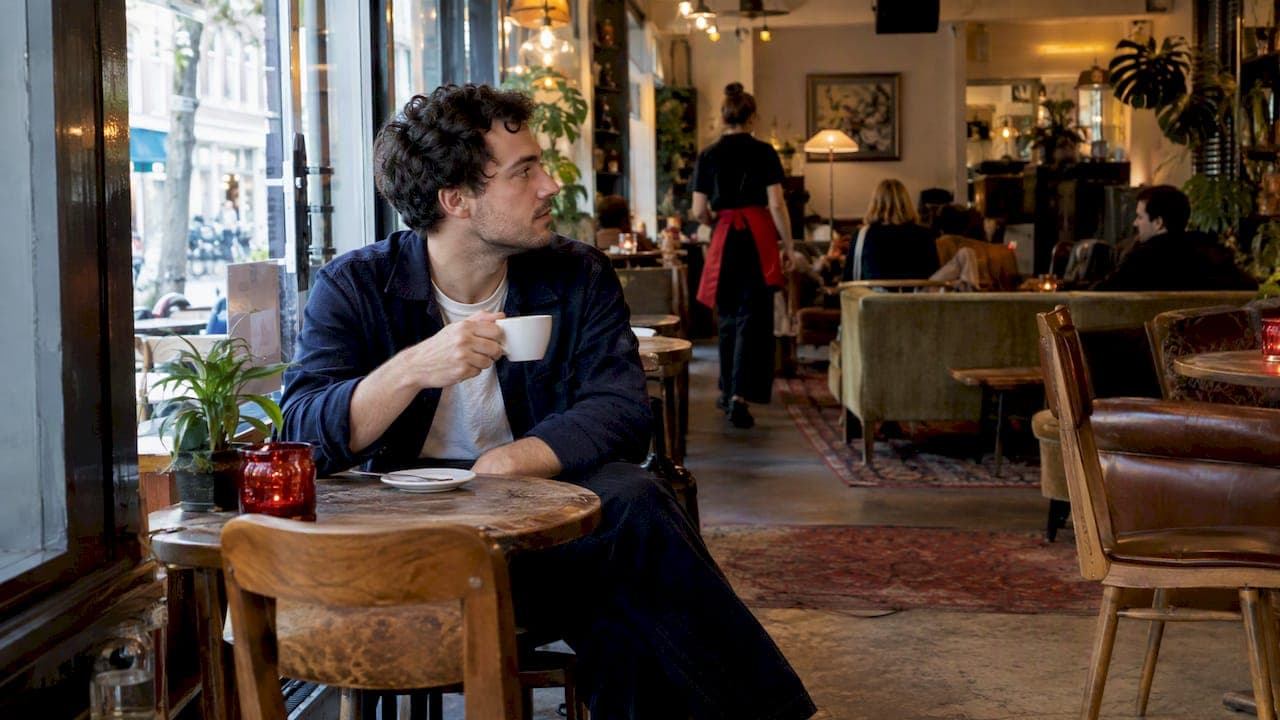
In Amsterdam, a café serves coffee, food and often alcohol, while a coffeeshop (one word) is a licensed place that sells cannabis to adults. Under the Dutch toleration policy, coffeeshops can't sell alcohol, can't serve anyone under 18, and can't sell more than 5 grams per person per day.
TL;DR:
- Customers must be 18 or older; coffeeshops ban alcohol and hard drugs, limit each buyer to 5 grams daily, and possession above that is criminal.
- The green and white government license in the window identifies a coffeeshop; beer or wine service points to a café instead.
- Under the cannabis supply experiment, mayors may impose a residence requirement, so check local conditions before visiting; rules vary by municipality.
- Amsterdam can fine people for smoking cannabis on marked restricted streets; follow posted signs or use a licensed coffeeshop’s indoor area.
- Choose a café for meals, alcohol, laptop time, or a mixed age group; choose a coffeeshop only if everyone meets entry rules and wants cannabis.
Table of Contents
- What is a café in Amsterdam, and what can you expect there?
- What is a coffeeshop, and how does Dutch toleration policy work?
- How do you tell a coffeeshop from a café in practice?
- What are the visitor rules, etiquette and safety basics?
- Where should you go depending on what you want?
- When a hospitality venue like ours is the better pick
- Plan your visit with Big Shots Amsterdam
- FAQ
- Sources
What is a café in Amsterdam, and what can you expect there?
A café is where you go when you want coffee, breakfast, lunch or a drink with friends. You'll hear the Dutch words koffiehuis (coffee house) and koffiebar (coffee bar) for places that focus on coffee. A plain café in Dutch often means a pub-style place that serves beer and wine, and many venues blur the line, serving coffee at breakfast and cocktails at night. Amsterdam describes locals using cafés for social interaction, dining and drinking.
Here is what a typical café offers:
- Espresso-based drinks such as espresso, cappuccino and flat white, usually in modest sizes
- Breakfast and brunch plates, pastries and sandwiches
- Light lunches, soups and salads
- Beer, wine and often cocktails after midday
- Seating that invites you to stay for an hour or two
Cafés work as neighborhood hubs. In the morning you'll see people reading or working on laptops. In the evening the same room turns into a bar. If you want more background on that social side, our post on Amsterdam café culture goes deeper, and our guide to breakfast cafés shows what a morning out looks like.
Ordering is simple. You can usually order at the counter or wait for table service, and nobody will rush you. Many places keep the menu short and European, so don't expect a giant flavored latte with five syrup options.
Pro Tip: Ask for a "koffie verkeerd" if you want something close to a latte. It's coffee with lots of warm milk, and it's a very local order.
What is a coffeeshop, and how does Dutch toleration policy work?

A coffeeshop is a venue where adults can buy and, in many cases, consume cannabis. The name confuses visitors because you may not find much coffee on the menu, though many coffeeshops do sell drinks and snacks. The legal setup is also less straightforward than you might expect. The City of Amsterdam explains that the Opium Act distinguishes hard drugs from soft drugs. Selling cannabis is technically still illegal, but coffeeshops that sell small quantities are not prosecuted as long as they follow the rules. That approach is called the toleration policy.
The core rules a coffeeshop must follow, according to Government.nl:
- No sales to minors
- No sale of hard drugs
- No alcohol on the premises
- No nuisance for the neighborhood
- No more than 5 grams of cannabis sold per person per day
Possession of more than 5 grams of cannabis remains a criminal offense. Government.nl lists this alongside the ban on selling to minors, and both are enforced.
There's also a newer layer. Under the Controlled Cannabis Supply Chain Experiment, coffeeshops in participating municipalities buy from designated growers under strict quality and supply rules. The official rules for the experiment also note that mayors can still set local conditions, including a residence criterion that limits sales to people who live in the Netherlands. Because the details differ by municipality, check the current rules for the city you're visiting before you plan around them.
How do you tell a coffeeshop from a café in practice?
Once you're standing on a street full of storefronts, the legal detail matters less than what you can see. A few cues sort it out within seconds. According to Amsterdam, the green-and-white government license in the window is the definitive sign of a cannabis coffeeshop, and the menu and the presence or absence of alcohol are reliable clues too.
Run through this checklist before you walk in:
- Look at the window for the green-and-white license sticker. If it's there, it's a coffeeshop.
- Scan any menu posted outside. A separate cannabis menu means coffeeshop. Beer taps, wine lists and full meals point to a café.
- Check for alcohol. A coffeeshop can't sell it, so a bar stocked with bottles means you're in a café.
- Notice the staff. A counter with a budtender who weighs and sells products is a coffeeshop feature.
- Pay attention to the entrance. Door staff checking ID, or a sign asking for it, is common at coffeeshops.
- Use your nose. A strong cannabis smell near the door tells you what's inside.
Atmosphere helps too. Coffeeshops can feel like social hangouts. Rick Steves notes that they often allow on-site consumption, that some sell more cannabis than coffee, and that many also offer drinks and snacks. Cafés lean toward full menus, bar stools and cutlery on the tables.
Pro Tip: If you're still unsure, just ask the person at the door or counter. Staff field this question constantly, and a quick "Is this a café or a coffeeshop?" saves you a wasted detour.
What are the visitor rules, etiquette and safety basics?
Staying on the right side of the rules is easy once you know them. Start with the basics: carry a valid ID every time. Coffeeshops check that customers meet the age requirements, and some municipalities may apply the residence criterion described in the experiment rules.
Keep these points in mind:
- Buy no more than 5 grams per person per day, and don't carry more than that
- Producing or supplying cannabis yourself remains illegal, so never buy from street sellers
- Smoke inside the coffeeshop or in a spot where it's clearly allowed
- Never mix cannabis with alcohol, and pace yourself if you drink at a café first
- Start with a small amount of any edible, wait a good while before taking more, and keep an eye on your friends
Amsterdam can fine you for smoking cannabis on designated restricted streets. Amsterdam Tourism says to check local signage, because the public smoking restrictions (the blowverbod) apply in marked public areas.
The city's own ordinance work points the same way. The draft ordinance on open soft drug use and alcohol-overload zones shows that municipalities can set specific bans or limited hours near busy tourist areas. The simplest habit is this: if a street has a sign, follow it, and when in doubt, use the indoor area of a licensed coffeeshop. Our safety guide to buying cannabis in Amsterdam covers more practical advice for first-timers.
Where should you go depending on what you want?
Your goal decides your neighborhood. For a relaxed café experience, the canal ring and the Jordaan are strong choices, with plenty of small places for coffee, pastries and lunch. Quieter residential streets often have calmer cafés where you can sit without the crowds. Coffeeshops cluster in busy central areas, but the quieter ones tend to have the better atmosphere. Amsterdam.org reports that city policy has reduced the number of licensed coffeeshops, and municipalities set their own rules for locations and operations.
Use this quick guide:
- Choose a café if you want breakfast, a proper meal, wine or cocktails, or somewhere to work or chat for hours
- Choose a café if you're traveling with kids or with people who don't want cannabis around
- Choose a coffeeshop if you're 18 or older, want to buy cannabis legally, and are happy with the rules above
- Choose a café for the evening if you want a bar, sports on screen or live company, since coffeeshops can't serve alcohol
- Check the neighborhood first if you want a calm setting, because the same street can mix both venue types
For more help picking an area, see our neighborhood guide for visitors and our list of casual hangout venues.
When a hospitality venue like ours is the better pick
We run a hospitality venue, not a coffeeshop, and that's the whole point. Big Shots Amsterdam combines a café, a sports bar, a restaurant and a shisha lounge across its central venues. If you want a full meal, a drink with friends, a big match on screen or a reserved lounge evening, that mix is hard to beat. Our menu runs from breakfast and tapas to steaks, burgers, pizza and pasta, so one table can order something for everyone.
The experience differs from a coffeeshop in simple ways. You come to eat, drink and spend time together in a room built for groups. For groups with mixed plans, that clarity keeps the evening easy: some of you can visit a coffeeshop, and everyone can meet afterward at a place with food, drinks and room to sit.
— Leo
Plan your visit with Big Shots Amsterdam
If you've decided on a café-style hangout, here are the quickest ways to start:
- View our menu for breakfast, tapas, soups, salads, steaks, burgers, pizza, pasta and drinks
- Reserve a table for your group before you arrive
- Book a lounge experience for a relaxed evening together
- Order delivery if you'd rather eat at your hotel or rental
Start with the menu, pick what sounds good, and we'll take it from there.
FAQ
What's the difference between a coffee shop and a coffee house in Amsterdam?
A coffee house (koffiehuis) or coffee bar (koffiebar) serves coffee, food and often alcohol. A coffeeshop, written as one word, is a licensed venue that sells cannabis to adults and may not sell alcohol.
What are the rules for coffee shops in Amsterdam?
Coffeeshops can't sell to anyone under 18, can't sell alcohol or hard drugs, and can't cause nuisance. The amount each customer may buy is subject to daily limits. Local mayors can add conditions, so check current municipal rules.
Can you walk and smoke a joint in Amsterdam?
Not everywhere. Amsterdam applies public smoking restrictions on designated streets and public areas, and you can be fined. Look for signs, or use the indoor area of a licensed coffeeshop.
What should you not do as a tourist in Amsterdam?
Don't buy cannabis from street sellers, since only licensed coffeeshops are tolerated. Follow the rules on cannabis possession, and don't smoke in restricted public areas. Always carry ID, and never mix cannabis with alcohol.